REVIEW · VERONA
Verona: Private 2-Hour Walking Tour
Book on GetYourGuide →Operated by Veronatours · Bookable on GetYourGuide
Verona can feel like a stack of time periods. This private 2-hour walk is a smart way to see the Roman amphitheater and the romance of Juliet’s balcony without turning it into a long day. I like that it’s personal, with a guide who can adapt to your pace, and I also love the mix of big-name sights and less-obvious streets. One drawback to think about: admissions aren’t included, so if you want to go inside ticketed monuments, you’ll need to plan for extra costs.
You start in a place you’ll recognize fast, Piazza Brà, then you work your way through Roman gates, lively squares, and the River Adige area. Along the way, you get context for what you’re looking at, from Porta Borsari’s Roman wall line to the Scaliger palazzi that shaped Verona in the 1200s–1300s. My other practical note: it’s private, but the group size is still up to 15 people, so it’s not just you and the guide.
Here’s the key idea: in only two hours, you’re not trying to “do everything.” You’re learning how Verona fits together—Roman, medieval, and Shakespeare—so the city makes sense as you walk.
In This Review
- Key highlights that matter
- Start at Piazza Brà and get your bearings fast
- Piazza Brà and the Roman amphitheater you can still picture
- Porta Borsari: walking through the Roman walls line
- The Corso-to-squares move: Piazza Erbe and Piazza dei Signori
- Café Dante and the Scaliger palazzi: power made visible
- River Adige: Castelvecchio and Ponte Scaligero in one view
- Nonn-main streets to the Juliet house and balcony area
- What makes the 2-hour format work (and when it won’t)
- Price and value: what $335.32 really means
- Who this tour suits best
- Should you book this Verona private walking tour?
- FAQ
- Where do I meet the guide?
- How long is the tour?
- Is this a private tour?
- What language is the guide?
- Are admissions to monuments included?
- Can I cancel or change my plans?
Key highlights that matter
- Private guide for a more personal pace and questions you can actually ask
- Piazza Brà amphitheater views tied to how Verona kept using Roman structures
- Non-main streets so you’re not stuck only on the postcard routes
- Piazza Erbe and Piazza dei Signori for real civic life, not just monuments
- Juliet’s house and balcony area reached via narrow lanes, which changes the feel
- River Adige stop with Castelvecchio and Ponte Scaligero in the same walking flow
Start at Piazza Brà and get your bearings fast
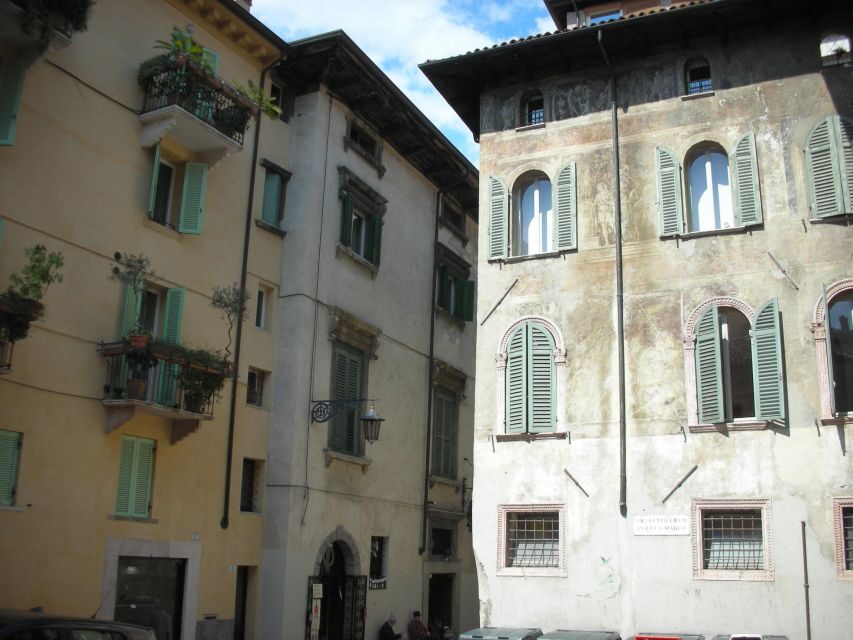
Your tour meets your guide by the statue of King Vittorio Emanuele II on a horse in Piazza Brà. That matters more than it sounds. Piazza Brà is one of Verona’s biggest “anchors,” so once you’re oriented there, the rest of the route feels logical instead of random.
Before you go, pack light. You’ll want comfortable shoes, bring your passport or ID card, and plan on wearing a face mask or protective covering. Large bags and luggage aren’t allowed, and sleeveless shirts aren’t allowed either, so dress accordingly—even if you’re just doing a short walk.
This tour is built as a loop: it ends back at the meeting point. That’s a nice convenience when you’re planning the rest of your day, especially if you’re pairing this with dinner or a morning/afternoon museum visit.
Other Verona walking tours we've reviewed in Verona


Piazza Brà and the Roman amphitheater you can still picture
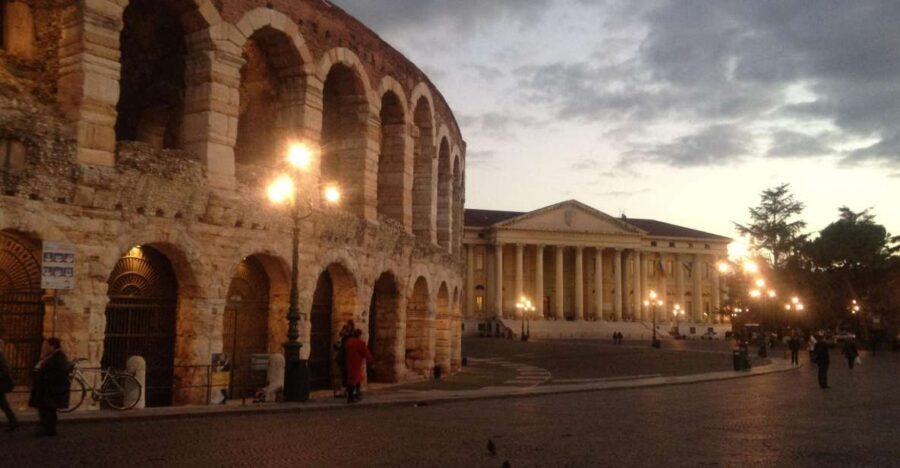
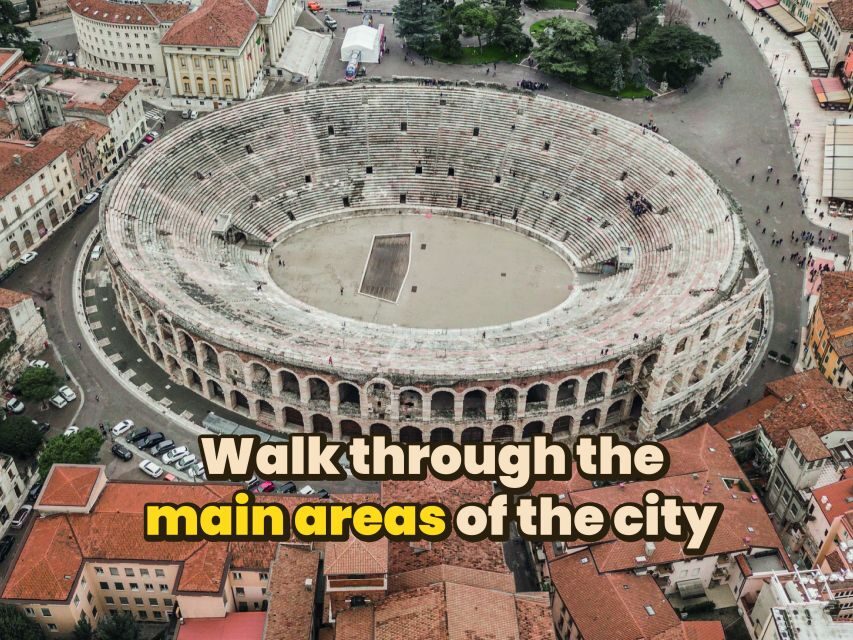
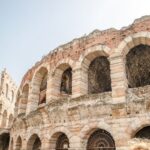
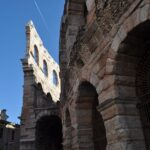
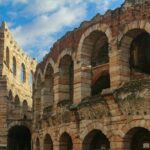
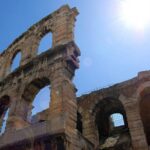
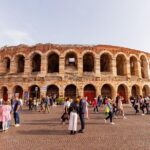
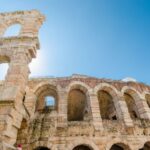
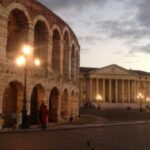
The headline stop is the monumental Roman amphitheater on Piazza Brà, built in the 1st century AD. What I like about this is that it’s not a “look from far away and forget it” kind of site. You’re standing right where the scale hits, and your guide helps you connect the structure to the fact that it was built for public entertainment—and it still matters in Verona today.
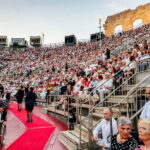
Even if you’re not a Roman-history person, you’ll get more out of it when you understand what the building was for. Amphitheaters weren’t just architecture; they were social spaces. Standing there, you start to notice how the city’s later layers grew around a massive Roman footprint.
Possible drawback: the tour doesn’t include admissions to monuments. So if you specifically want to go inside the amphitheater or enter other ticketed sights, budget time and money for separate tickets.
Porta Borsari: walking through the Roman walls line
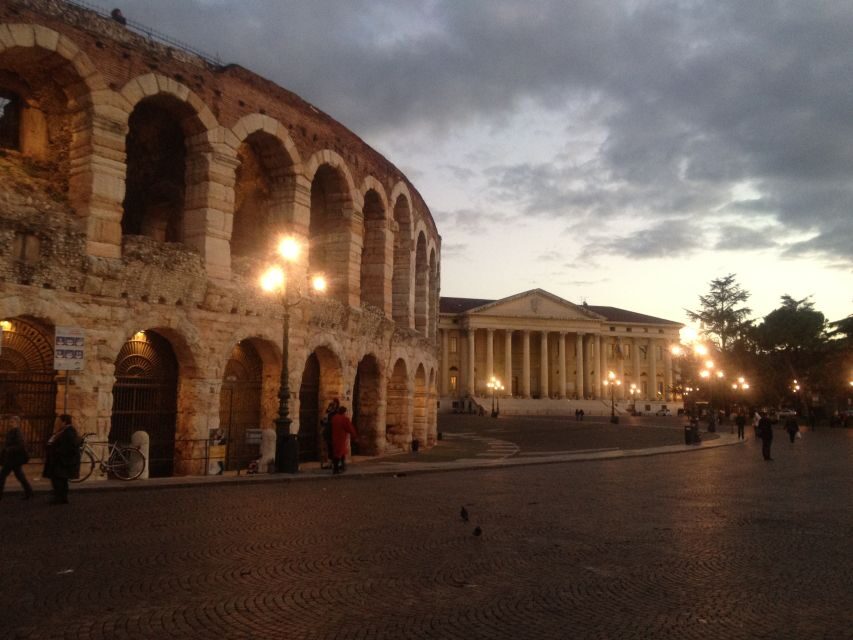
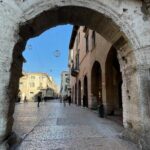
From the amphitheater area, you continue toward the Roman city structure, including the Porta Borsari archway. This is part of Verona’s original Roman walls and dates to the 3rd century. It’s a quick stop in the walking flow, but it’s a big deal visually because an arch like this makes the Roman city feel real, not abstract.
I love how this kind of stop changes your thinking. Once you’ve seen one surviving gate, it becomes easier to imagine the Roman streets beyond it. You start to read the city like a map: entrances, corridors, and the way movement shaped daily life.
This is also where the private format helps. If you want the “why” behind what you’re seeing—how a gate functioned, where it fit in the wall—your guide can explain it without you feeling rushed.
The Corso-to-squares move: Piazza Erbe and Piazza dei Signori
Next you walk through Verona toward the Roman civic center area, reaching Piazza Erbe. The tour positions this as the heart of the Roman city, and you can feel that purpose even if you visit today only for photos. Piazza Erbe is lively, and it works as a transition point: you go from major monuments to the everyday spaces where people actually spend time.
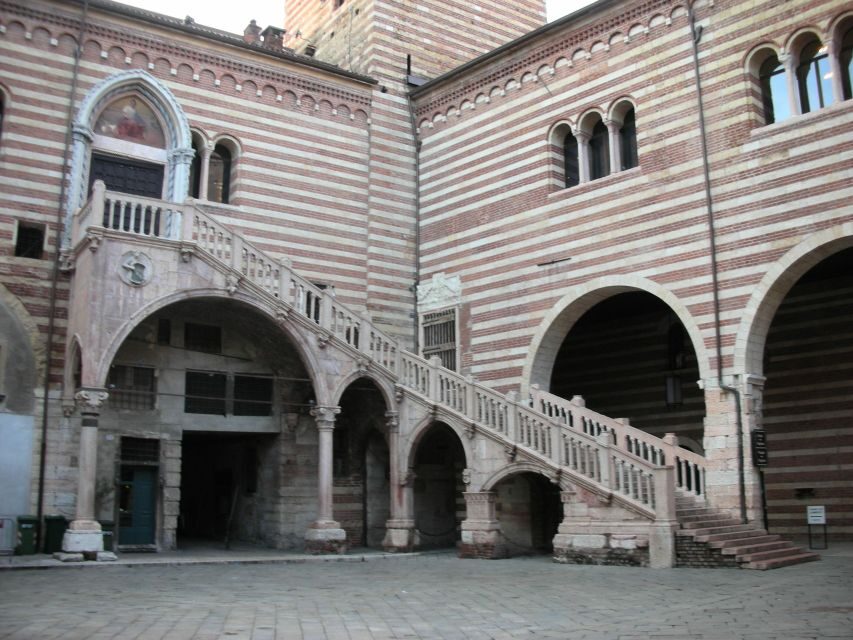
Then you move on to Piazza dei Signori. This square is all about the mix of civic spaces and elite power signs—history visible in stone details. Your guide connects the atmosphere to what you’re seeing: where a public life happens, and where ruling families made their presence known.
A practical tip: because you’re in public squares, plan to pause often. This is a “look, learn, walk” tour, and the value is in understanding what you’re looking at, not speed-walking through everything.
Café Dante and the Scaliger palazzi: power made visible
On Piazza dei Signori, you’ll see the historical Café Dante. This is one of those stops that isn’t just a landmark—it’s a clue about how Verona’s social life kept evolving. Cafés and gathering spots often act like living history markers, because people return to them generation after generation.
From there, you admire the medieval Palazzi Scaligeri and the Scaliger Tombs, tied to the Scaliger family’s rule from the 13th century into the late 14th century. This section is one of the most meaningful parts of the walk because it explains how Verona’s medieval leadership shaped what you see around you.
If Roman Verona is about scale and civic architecture, medieval Verona is about identity and authority. You’ll feel that difference as soon as the conversation shifts from the ancient arena to the visible traces of a ruling family.
Other private tours in Verona


River Adige: Castelvecchio and Ponte Scaligero in one view
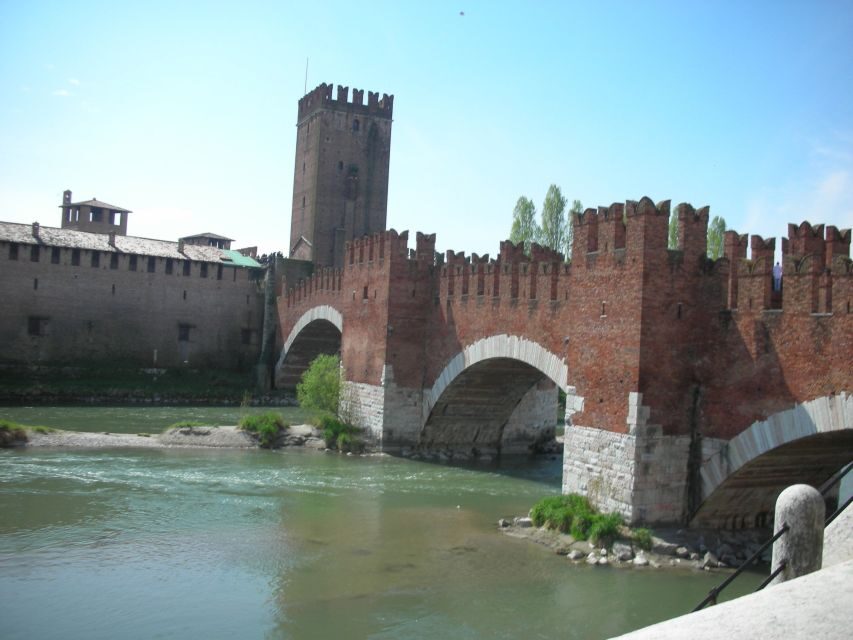
You also walk down toward the River Adige to see the medieval fortress Castelvecchio and the historic Ponte Scaligero (Castelvecchio Bridge). This combo is effective because it ties defense and movement together. Bridges are practical, but in medieval cities they also reveal strategy—where to cross, how to control access, and how to connect key areas.
Castelvecchio gives you the medieval “muscle” side of Verona, while Ponte Scaligero adds that elegant, functional line over the water. I like that you don’t just see the bridge as scenery; you see it as part of a system.
Because this is a walking tour, watch your step near river edges and older paving. It’s not described as rough, but old-city surfaces can be uneven.
Nonn-main streets to the Juliet house and balcony area
One of the best parts of this tour is that you don’t only follow the most direct tourist roads. You take narrow lanes and non-main streets so you get a different feel for Verona as you move toward the romantic endpoint.
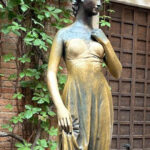
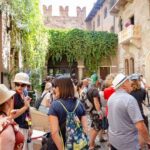
You’ll continue through an alleyway to stand in front of the house and balcony area where Romeo declared his love for Juliet, according to Shakespeare. Even if you’re not a big Shakespeare reader, this moment lands because of the physical setting: the narrow passage makes the arrival feel more private than a big open square would.
This stop is often treated like a must-see photo wall, but with a guide, you get a better sense of why the story took hold in Verona. It’s not only about the quote—it’s about Verona using culture and storytelling to create identity.
Important practical note: monument admissions aren’t included. Depending on what’s available around the Juliet area, you might find some parts are open to public viewing while others may require separate tickets or timed access. If you want “inside” experiences, plan for additional fees.
What makes the 2-hour format work (and when it won’t)
A two-hour private walk is perfect when you want highlights, context, and good pacing—without exhausting yourself. You’ll cover Roman landmarks (amphitheater, Porta Borsari), medieval power areas (Scaliger palazzi and tombs), and the romantic Shakespeare zone, plus river scenery.
But a short tour has limits. If you’re the type who needs deep museum time or wants to spend long minutes inside monuments, this might feel like overview mode. You’ll probably get the best experience if your goal is to understand Verona’s structure and then choose what to return to later.
Also, the tour includes a private guide, but it’s still a private group with a maximum of up to 15 people. That usually helps keep the pace friendly, but it’s still not a one-on-one experience.
Price and value: what $335.32 really means
The price is listed at $335.32 per group up to 15, lasting 2 hours. That’s the key for value: you’re paying per group, not per person. If you travel with a small family or a few friends, the per-person cost can become reasonable quickly compared with per-person pricing models.
What you get is also compact and useful: a private live guide (German) plus a curated route that connects Roman and medieval Verona with the Juliet area. It’s not just “sightseeing.” It’s guided context built into a walkable loop.
One caution for budgeting: admissions to monuments aren’t included. So the final total may be higher if you decide to enter ticketed sites. If you’re happy to see major structures from the street level and focus on storytelling, you’ll likely keep costs controlled.
Who this tour suits best
I’d recommend this tour if you want a high-quality overview of Verona without feeling stuck on only the biggest tourist streets. The route is especially good for first-timers who need the city’s timeline to make sense fast.
It also fits well if:
- you prefer walking with explanations rather than reading everything in guidebooks
- you want a private guide who can answer questions on the spot
- you’re short on time but still want Roman, medieval, and literary themes
One note on mobility: the activity is listed as wheelchair accessible, but it also says it’s not suitable for people with mobility impairments. If this applies to you, it’s worth confirming conditions with Veronatours before booking.
Should you book this Verona private walking tour?
Book it if you want the best kind of short trip: a focused walk with real context, plus that rare mix of Roman architecture, medieval landmarks, and Juliet romance in two hours. I think it’s especially good value for small groups because the price is per group, not per person, and the private guide quality is a major part of the experience.
Skip it or plan differently if you want long indoor visits, deep museum time, or you know you’ll need multiple paid entries to satisfy your travel style. Since admissions aren’t included, you might end up spending more later than you expect.
If your main goal is to understand Verona’s layers while getting great street-level views and an organized route, this is a solid choice.
FAQ
Where do I meet the guide?
You meet your guide by the statue of King Vittorio Emanuele II on a horse on Piazza Brà, Verona.
How long is the tour?
The tour lasts 2 hours.
Is this a private tour?
Yes. It’s a private group with a group size of up to 15 people, guided by a private guide.
What language is the guide?
The live tour guide speaks German.
Are admissions to monuments included?
No. Admissions to monuments are not included.
Can I cancel or change my plans?
You get free cancellation up to 24 hours in advance for a full refund, and you can reserve now and pay later to keep plans flexible.