REVIEW · VERONA
Verona: Hop-on Hop-off Tour 24 or 48-Hour Ticket
Book on GetYourGuide →Operated by Sightseeing Experience · Bookable on GetYourGuide
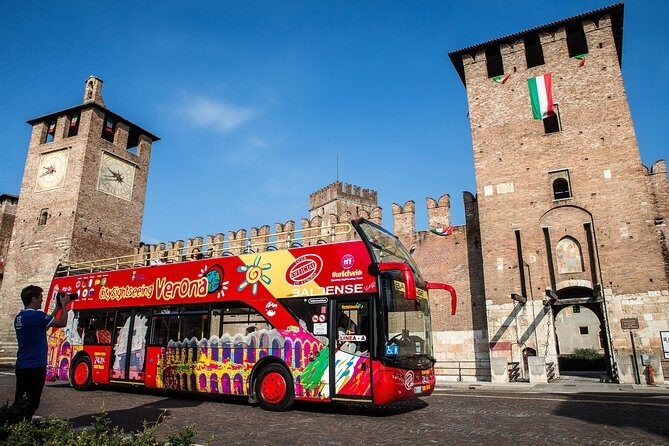
Verona is made for hop-on freedom. I like how this 24 or 48-hour bus ticket lets you pace the city on your terms, and I also love having multilingual audio that turns each stop into a mini lesson. The open-top panoramas from the red route are a big win for photos, but the hourly schedule means quick photo stops can feel rushed if the bus is busy.
You’ll start at Piazza Brà (Arena Square) and choose between two loops: a red route built around the classic core and Roman landmarks, plus a blue route that reaches additional sights and often gets you into tighter streets. Both routes are designed so you can hop off, sightsee, then re-board later without feeling like you’re on a tight tour clock.
This is a smart move if you only have a day or two, or if you’re traveling with kids, in summer heat, or on a day when walking feels like a chore. I’d just plan your stops ahead—because once you’re out in Verona, you’ll want time to linger, not just pass through.
In This Review
- Key points to know before you ride
- Piazza Brà: The launch pad for Verona’s main sights
- Red route: open-top views, Roman stops, and the Via Diaz shopping stretch
- Piazza Brà (Arena Square)
- Corso Porta Nuova Giardini Pradaval + Stazione FS Porta Nuova
- Piazza Pozza
- Basilica S. Zeno (San Zeno) + Castelvecchio
- Via Diaz + Porta Borsari
- Teatro Romano
- Porta Leoni + Piazza Leoni (Juliet’s House area)
- Blue route: the smaller bus, hilltop views, and Verona’s biggest squares
- Piazza Brà (Arena Square)
- Via Pallone + Tomba Giulietta
- Via G. Giusti
- S. Stefano + Teatro Romano
- Castel S Pietro
- Duomo + Piazza Erbe + Casa Giulietta area
- Porta Leoni + Piazza Leoni (Juliet’s House area)
- How to plan your 24 vs 48-hour pass without wasting time
- Audio commentary and headphones: useful context, not a substitute for wandering
- Getting on, getting off, and avoiding crowds
- Price and value: when $29 makes sense (and when it doesn’t)
- Should you book this hop-on hop-off bus in Verona?
- FAQ
- Where do the red and blue buses start?
- How long can I use my ticket?
- How often do the buses run?
- What’s included with the ticket?
- Are attraction tickets included?
- What languages is the audio available in?
- Is service ever suspended?
Key points to know before you ride
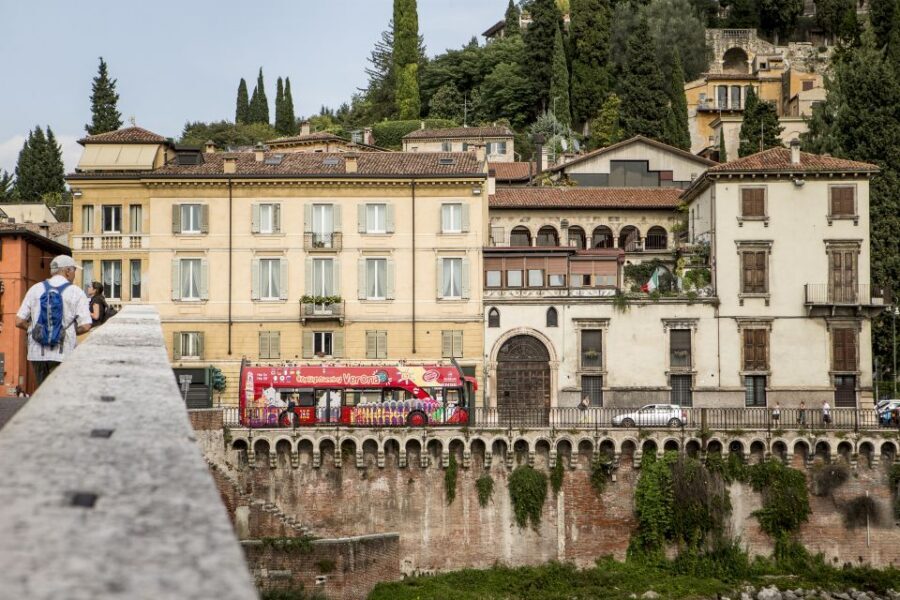
Start and end at Piazza Brà. Your bus day begins at the Arena Square, so it’s easy to re-find when you’re switching plans.
Two different routes, not just a repeat. Red focuses on the big medieval-and-Roman hits; blue adds more stops plus hill views.
Audio is genuinely useful. The commentary runs in many languages, so you don’t lose the story while you’re looking around.
Bring your own earbuds. Some onboard headphones are not great, so you’ll hear more if you use your own.
Hour-by-hour service can create bottlenecks. The smaller blue option can get crowded, so early riding helps.
Piazza Brà: The launch pad for Verona’s main sights
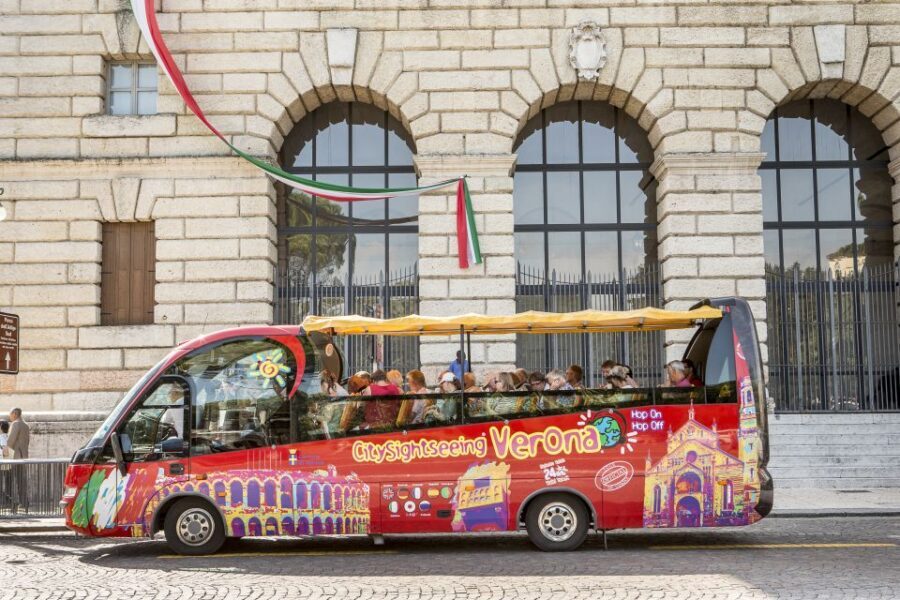
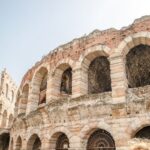
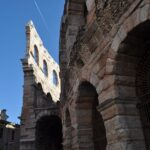
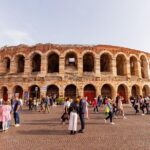
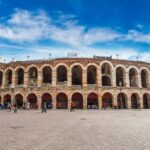
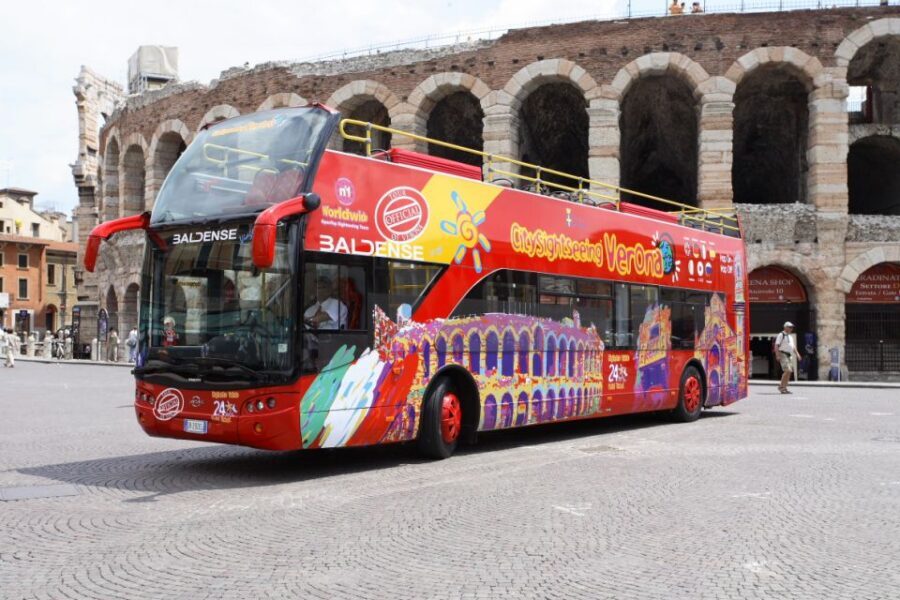
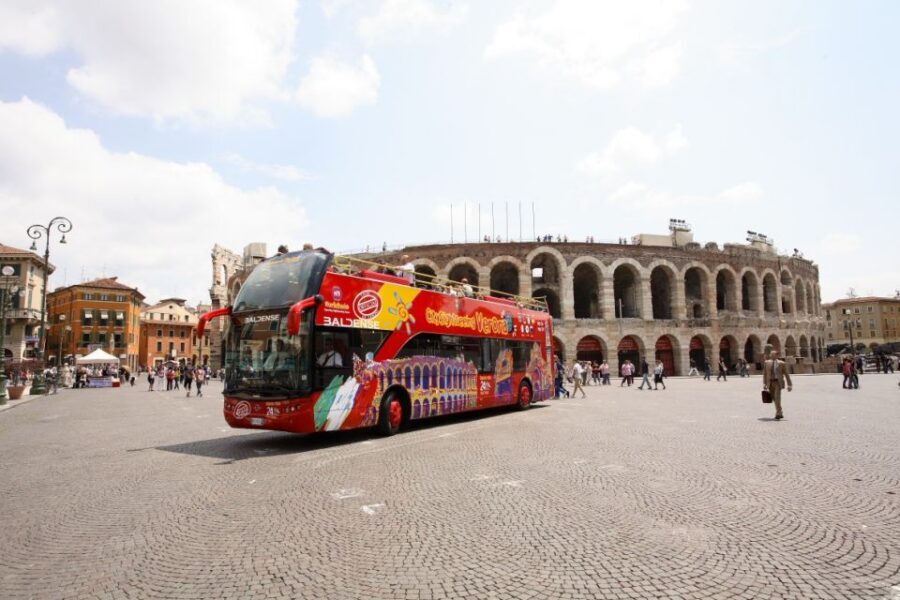
Piazza Brà is where it all clicks. The buses start here, in the Arena Square area, so you don’t have to fight through Verona’s streets to get moving. From a planning standpoint, this matters: you can build a route around where you want to be at a certain time, then return to the same hub later.
A simple strategy works well. I’d pick one route as your “anchor” for the morning and the other for the afternoon (or next day). That way you’re not zig-zagging blindly across the city. It also helps you avoid the most annoying issue with hop-on bus days: realizing too late that you wanted more time at one stop.
One timing note to keep in mind: buses run on each route every hour. If you like short stops—step off for photos, step back on—plan your photo bursts where you can reasonably wait for the next bus.
Other hop-on hop-off tours in Verona
Red route: open-top views, Roman stops, and the Via Diaz shopping stretch
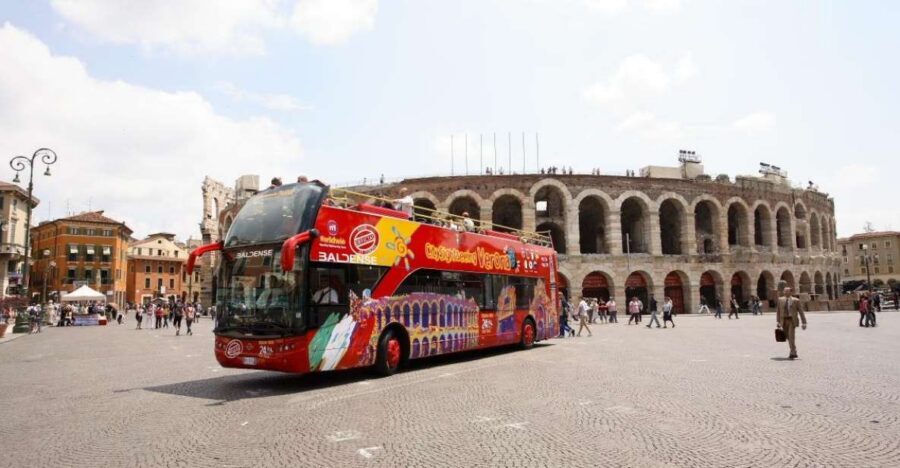
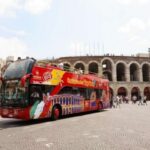
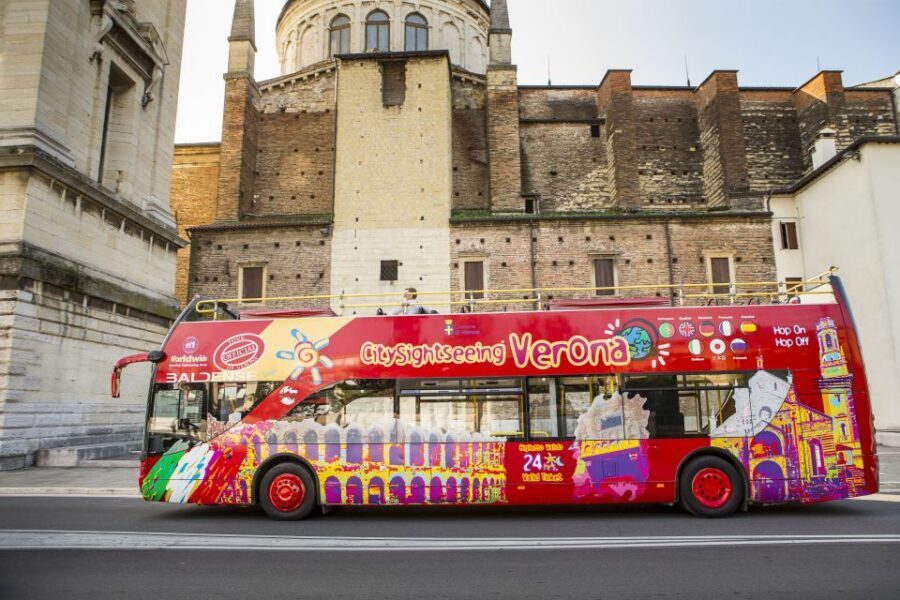
The red line is the one most people picture when they think Verona: an open-top double-decker feel (panoramic, photo-friendly, and a great way to get your bearings). It loops through the sights that anchor Verona’s postcard look, mixing medieval walls, Roman-era monuments, and the city’s most recognizable squares.
Here’s what you’ll likely do on the red route, stop by stop:
Piazza Brà (Arena Square)
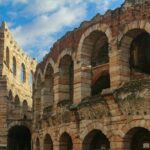
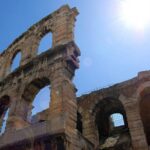
This is the starting point and the orientation center. If you’re landing in Verona and trying to understand the city’s shape, this is where you’ll get it fast—because the route begins at the Arena area and immediately sets you up for the historic core.
Corso Porta Nuova Giardini Pradaval + Stazione FS Porta Nuova
These stops help connect different parts of Verona. If you’re staying near transit, they can also make re-positioning yourself easier than walking across multiple neighborhoods. Think of these as practical “get you where you need to be” stops rather than major sights.
Piazza Pozza
This square is a useful mid-route break. It’s the kind of place where stepping off for a short wander is worth it because you can stretch your legs and still stay close to the heart of the route.
A few more Verona tours and experiences worth a look
Basilica S. Zeno (San Zeno) + Castelvecchio
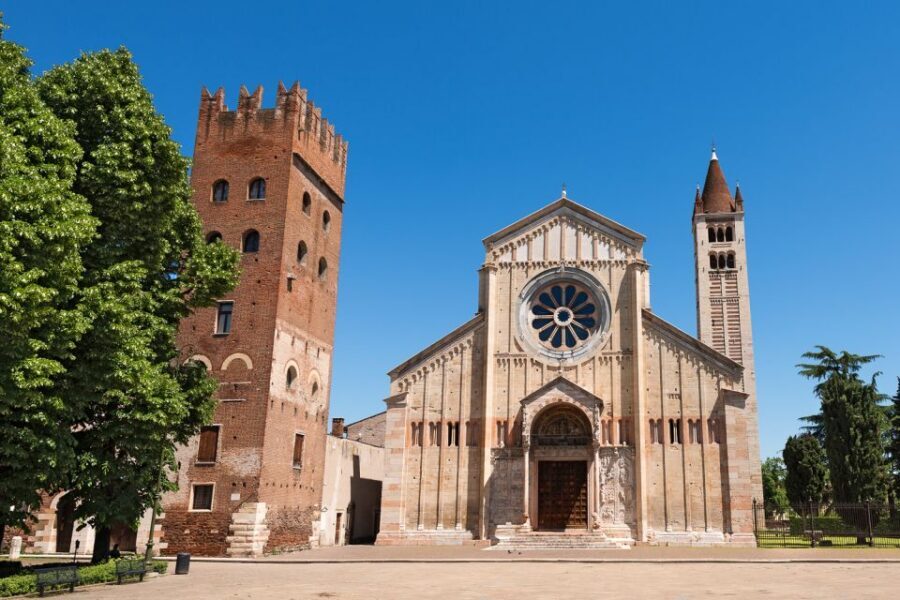
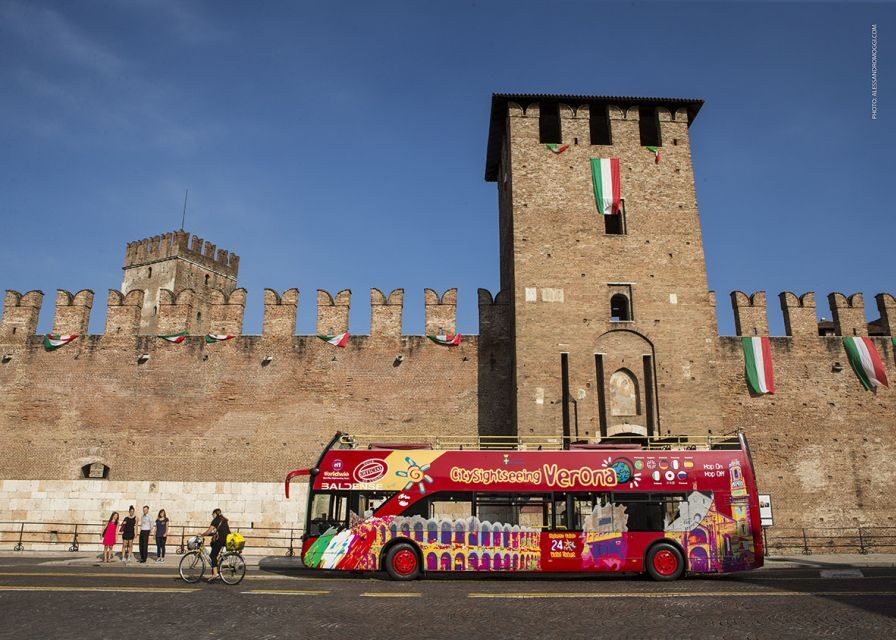
This is where the medieval Verona feeling ramps up. San Zeno and the area around it give you a strong sense of how the city’s identity formed over centuries. Castelvecchio adds that “fortified Verona” vibe—good for photos and for getting a feel for why this city mattered long before modern times.
Via Diaz + Porta Borsari
Via Diaz is the stop for the upscale-shopping mood. If you want to browse without hunting, this is a convenient place to step off and do it. Porta Borsari then delivers the Roman-porta feel—one of those classic “you’re seeing old city walls that still frame streets” moments.
Teatro Romano
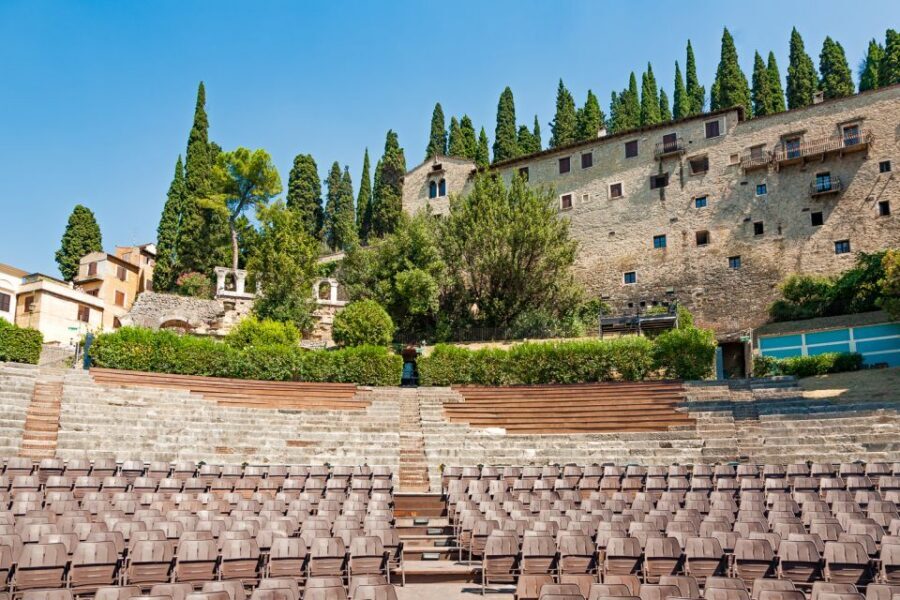
This stop is ideal if Roman heritage is what you came for. The Teatro Romano is one of Verona’s standout ancient settings, and hopping off here turns your ride into something more than sightseeing from a seat.
Porta Leoni + Piazza Leoni (Juliet’s House area)
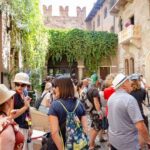
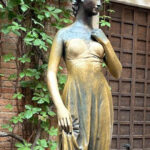
Porta Leoni is another city-gate moment—great for photos and a reminder that Verona’s old layout is still readable. Then you land near Piazza Leoni, where the area associated with Juliet’s House sits. Even if you’re not a Shakespeare superfan, this stop is worth a short visit because it’s one of the places where Verona’s story is easiest to grasp at street level.
Blue route: the smaller bus, hilltop views, and Verona’s biggest squares
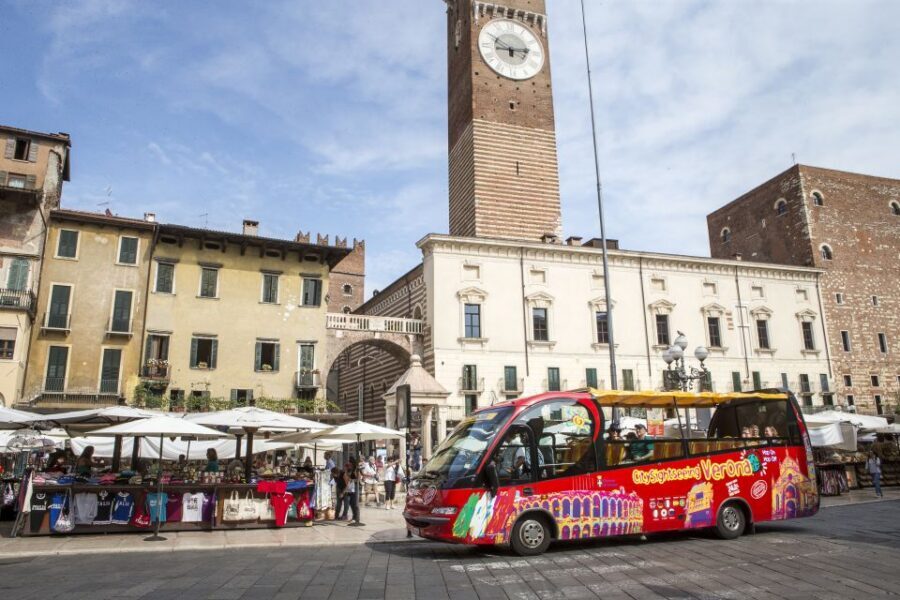
The blue route has a different feel. It’s often described as the smaller-vehicle option, which helps it reach places that don’t suit a full-size bus as well. Translation: you may get more variety in street scenery and sometimes better access to viewpoints.
Piazza Brà (Arena Square)
Again, this is your anchor. Starting both routes here keeps your day flexible: you’re not locked into one side of the city from the beginning.
Via Pallone + Tomba Giulietta
This pairing is one reason to consider the blue line. It pushes you toward the Juliet-area story in a slightly different way than the red route, and it gives you another set of streets to explore on foot.
Via G. Giusti
This is a street stop that can work well for short walks and quick photo breaks—especially if you like to step off between major monuments to see how people actually move through the city.
S. Stefano + Teatro Romano
You still catch the Roman connection with Teatro Romano, but the blue route threads it through additional nearby points. This can make your day feel less like a checklist and more like you’re sampling neighborhoods that sit around Verona’s landmarks.
Castel S Pietro
This is the hilltop piece. You’ll get one of the best opportunities for “look back at Verona” views—exactly the kind of payoff that makes a hop-on tour feel like more than just transportation. When the bus stops here, it’s a good moment to slow down and take in the city shape.
Duomo + Piazza Erbe + Casa Giulietta area
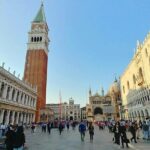
The Duomo gives you the major church-and-square energy. Piazza Erbe is the classic social center type of stop—good for people-watching and for grabbing a drink or snack without losing momentum. Then Casa Giulietta brings you back toward the storybook side of Verona.
Porta Leoni + Piazza Leoni (Juliet’s House area)
Like the red route, the blue option finishes near the Porta Leoni area and the Piazza Leoni zone. The practical value is that you can choose which route gets you there, based on where you spent your time earlier.
How to plan your 24 vs 48-hour pass without wasting time
The ticket gives you 24 or 48 hours. That sounds simple, but the real question is how you’ll use it.
If you’re only in Verona for a day, do this:
- Choose the route that matches your must-see list first (red if you want Roman + the core highlights quickly; blue if you want the hilltop viewpoint and extra squares).
- Ride earlier in the day when buses are less crowded and you’re fresh enough to hop off and actually explore.
- Spend about as much time off the bus as you spend on it. Hop-on tours fail when people treat the bus like a moving museum with no time to stop.
If you can stretch to two days, the 48-hour ticket is where it becomes truly useful. The city’s layout is walkable in parts, but it’s also easy to lose hours zig-zagging between sights. With the second day, you can re-visit one area you loved—like the Roman theatre zone—or you can use the bus to reposition and then wander without that stress of “we must finish by tonight.”
One extra practical note: each route is roughly about an hour of riding. That means you can treat each loop as a half-day planning tool—one loop in the morning, the other later, then repeat a stop you want to revisit.
Also, mark the date of your trip against service disruptions. The route service will be suspended on Wednesday 15 October due to a cycling race. If your plans hover near that day, it’s worth building a backup plan.
Audio commentary and headphones: useful context, not a substitute for wandering
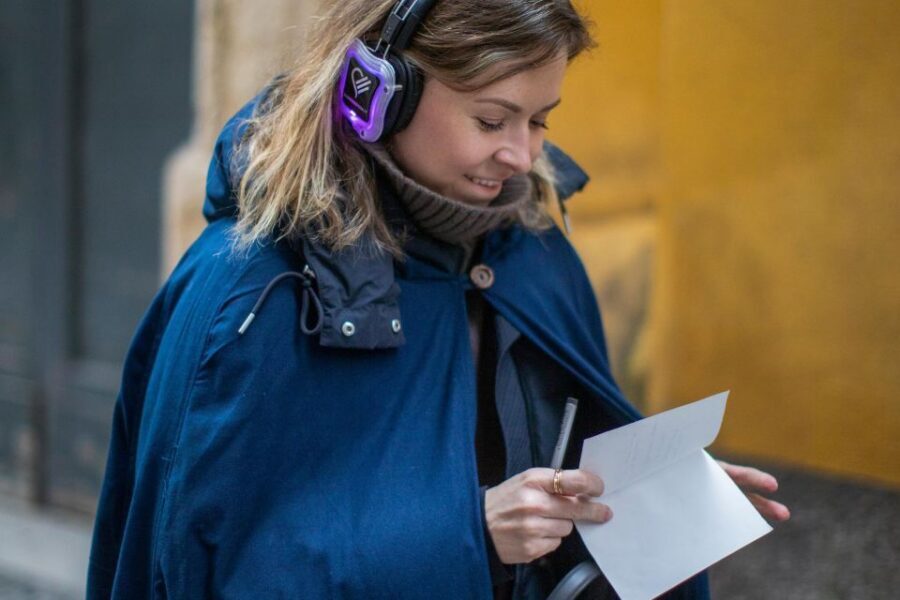
The recorded audio is included, and it comes in a lot of languages. You’ll have access to English, Italian, Spanish, French, German, Portuguese, Japanese, Russian, Arabic, Chinese, Danish, and Dutch.
That matters more than it sounds. Verona is full of “recognizable names” (Roman, medieval, Shakespeare), but those names mean more when someone explains why a place mattered and what you’re looking at. The audio helps you connect the dots while you’re moving between stops.
Two on-the-ground tips to make the audio work better for you:
- If you have your own earbuds, use them. Some onboard headphones aren’t great.
- Don’t assume the commentary will feel equally sharp on both routes. One practical consideration is that audio quality can differ from one line to the other, so the red route may feel more satisfying if clarity is a priority.
Finally, even with audio, you still need time outside the bus. Hop-off moments are where Verona becomes real—stone details, street angles, and the way plazas frame the buildings.
Getting on, getting off, and avoiding crowds
This is usually easy, but Verona can get busy. Buses run every hour, and the smaller blue option can be more crowded than you expect—especially when you’re trying to re-board after a stop.
So I’d do two things:
- Plan your most important photo stops early. If you care about getting a hilltop view, don’t wait until the busiest part of the day.
- If you’re switching lines, give yourself buffer time. The bus comes once an hour, and you don’t want your entire schedule built on a “we’ll definitely catch it on the first try” mindset.
Also, the open-top experience is part of the appeal—so dress for it. If it’s sunny, protect your face and eyes. If it’s cool, bring a layer, since open-top rides can feel breezy.
Price and value: when $29 makes sense (and when it doesn’t)
At about $29 per person, this ticket is priced for convenience: you’re buying transportation between key sights plus the audio context, not paying for entry into attractions. Attraction tickets are not included, so if you want to go inside major venues, you’ll budget those separately.
When the value is strong:
- You have one to two days and want a quick map of the city.
- You want to mix sightseeing with rest. This matters in hot weather, rainy weather, or when you’re on a tight itinerary.
- You want to explore without committing to a walking route that may not match the energy you have that day.
When it’s less compelling:
- If you’re the type who only wants one or two stops and you’ll walk everywhere anyway, the ticket might feel like paying for time you won’t use.
- If you’re very entry-focused (lots of museums and paid sights), the bus is still helpful, but you’ll need separate budgets for those attractions.
A good rule: if you’ll use the ticket more than once per route, or if you’ll do at least one full loop across your time in Verona, you’re likely using it the way it’s meant to be used.
Should you book this hop-on hop-off bus in Verona?
Book it if you want an easy way to understand Verona’s layout and hit a lot of the major sights without fuss. I think it’s especially worth it for first-time visitors because it gives you a “city overview” that makes later wandering feel smarter.
Skip it (or reconsider) if you hate schedules and hate crowds, or if your trip is short enough that you’ll only care about one venue. In that case, you might be happier with targeted transport and walking.
One final decision tip: if you’re unsure between 24 and 48 hours, lean toward 48 when you can. The second day turns the bus from a quick orientation ride into a flexible tool—letting you go back to the places that caught your attention the first time.
FAQ
Where do the red and blue buses start?
Both routes start from Piazza Brà, also known as the Arena Square.
How long can I use my ticket?
Your ticket is valid for 1–2 days, depending on whether you choose the 24-hour or 48-hour option.
How often do the buses run?
The buses run on each route every hour.
What’s included with the ticket?
The ticket includes the bus pass (24 or 48 hours, depending on your choice) and multi-lingual audio commentary.
Are attraction tickets included?
No. Attraction tickets are not included.
What languages is the audio available in?
The audio is available in English, Italian, Spanish, French, German, Portuguese, Japanese, Russian, Arabic, Chinese, Danish, and Dutch.
Is service ever suspended?
Yes. Service will be suspended on Wednesday 15 October due to a cycling race.