REVIEW · VERONA
Verona All in one: Food Walking Tour, Lunch & Wine
Book on Viator →Operated by Ways · Bookable on Viator
Verona tastes better on foot. This 3-hour, small-group walk turns the city center into a real food map, with local stops, quick stories, and wine-and-eats pacing that actually makes sense if you’re short on time. I also like that the experience is led in English by guides such as Anna and Alessandra, who keep the mood friendly and the walking rhythm comfortable.
Two things I really liked: I love the way it starts like a local morning, with espresso plus risino (a rice-based pastry), then rolls right into classic Verona flavors. And I like the full meal rhythm you get: aperitif with handmade meatballs, lunch at a historic osteria featuring Amarone risotto, then a guided wine tasting with small pairings and gelato to finish.
One possible drawback to keep in mind: while most parts are praised, a small number of people felt the lunch or wine quality didn’t match their expectations. If you’re picky about lunch dishes or want guaranteed top-tier wine every time, go in with flexible expectations and focus on the overall experience.
In This Review
- Key highlights to look for
- Price and value: what $114.93 buys you
- Where it starts: espresso and risino at Piazza Bra
- Piazza delle Erbe aperitivo: osterie, salami, cheese, and cicchetti
- Arche Scaligere and wine talk: Valpolicella plus regional whites
- Porta Borsari: the food district feel and a traditional meat course
- Lunch in a historic osteria: Amarone risotto
- Wine tasting with a sommelier: regional wines and pairings
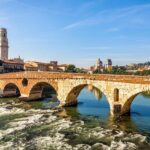
- Ponte Pietra gelato finish: sweet, artisanal reset
- Small-group pacing: how it feels in real time
- How to get the best day out of it
- Who should book this Verona food and wine walk
- Should you book Verona All in one: Food Walking Tour, Lunch & Wine?
- FAQ
- What does the tour cost, and how long is it?
- What language is the tour offered in?
- What time does the tour start and where does it end?
- Is hotel pickup included?
- How many people are in the group?
- What food and drinks are included?
- Does the tour run rain or shine?
- Are there age limits?
- Can I cancel for a refund?
- Is the tour wheelchair friendly?
Key highlights to look for
Small-group cap (max 12) means you’re not lost in a crowd while you taste, ask questions, and learn.
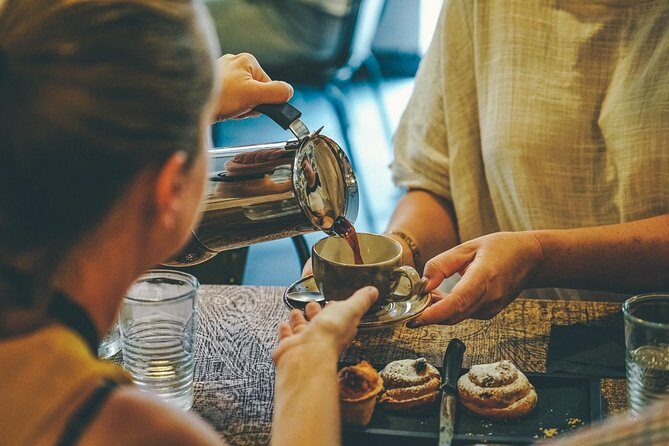
Breakfast to gelato keeps the schedule simple: you don’t have to hunt for meals between landmarks.
Aperitivo-style tastings (including items like Soppressa, Monte Veronese cheese, and cicchetti) show the real Verona snack culture.
Amarone risotto lunch gives you a very regional specialty in a traditional setting.
Sommelier wine tasting adds context, with regional wines and small food pairings.
Price and value: what $114.93 buys you
At about $114.93 per person for roughly three hours, this isn’t the cheapest way to see Verona. But it can be good value if you compare it to eating well on your own for the same half-day.
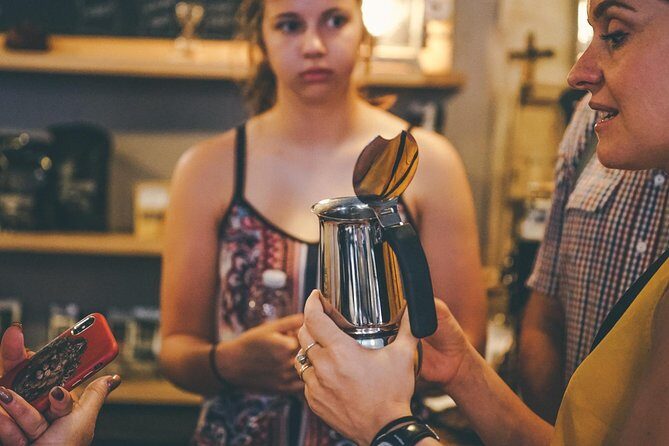
Here’s the trade: instead of buying one meal, you’re getting a full sequence of included food and drinks—espresso and risino breakfast, an aperitif with wine plus handmade meatballs, lunch with Amarone risotto, a wine tasting with a sommelier and pairings, and gelato. Add in the local licensed guide and the guided walking time, and the price starts to look more like paying for a planned “food day” rather than just a single stop.
The other value piece is what you can’t easily DIY: the guide helps connect the flavors to place and culture. You’re not just eating; you’re learning what to order and why those foods show up in Verona again and again.
Other Verona walking tours we've reviewed in Verona

Where it starts: espresso and risino at Piazza Bra
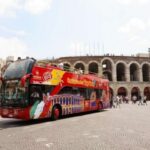
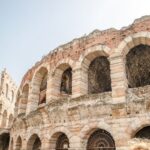
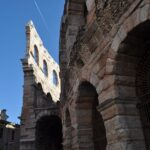
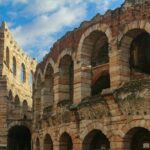
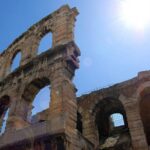
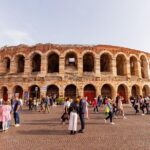
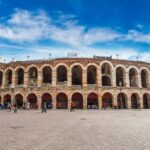
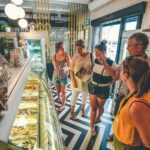
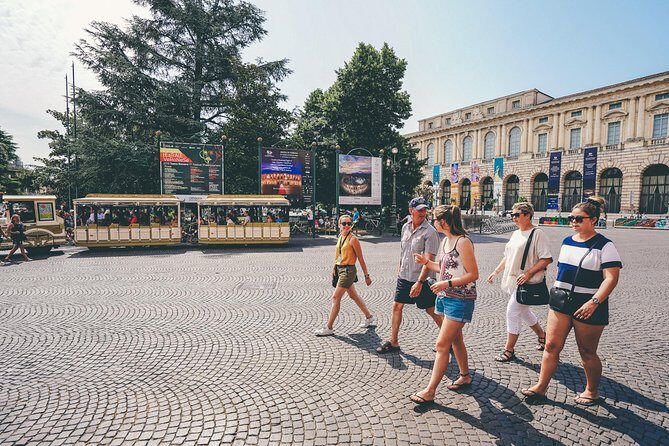
The tour begins at Corso Porta Borsari 57A around 10:30am, then you’re soon in the area of Piazza Bra near the Arena. This first stop matters because it sets the tone for the day. You start with an authentic Italian espresso and risino, a rice-based pastry that feels simple but local in a way that’s hard to fake.
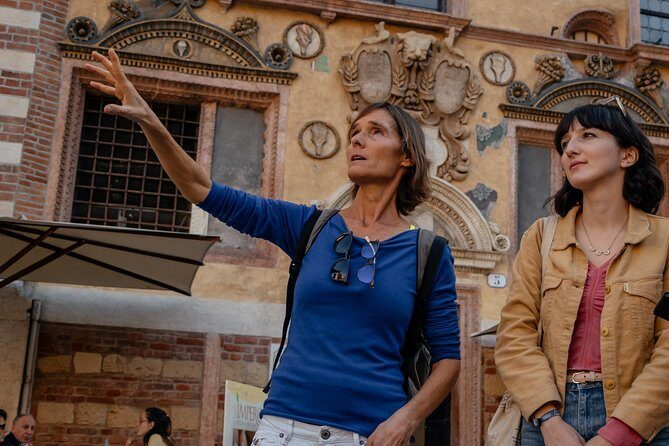
From there, you do a short stroll through the center while your guide frames what you’re seeing. Verona can feel like a postcard city—pretty, but easy to skim. A good start helps you notice details you’d otherwise miss, like why certain streets and buildings matter to local life.
Practical tip: go hungry, but don’t overdo it. One smart piece of advice from people who loved the tour: don’t eat a huge breakfast beforehand. Your stomach will thank you later at lunch and gelato.
Piazza delle Erbe aperitivo: osterie, salami, cheese, and cicchetti
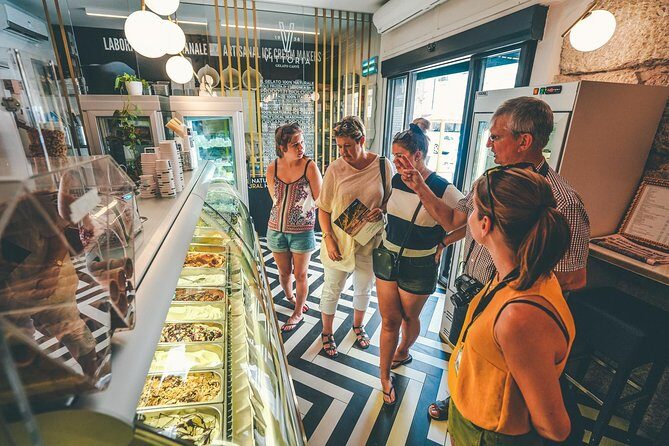
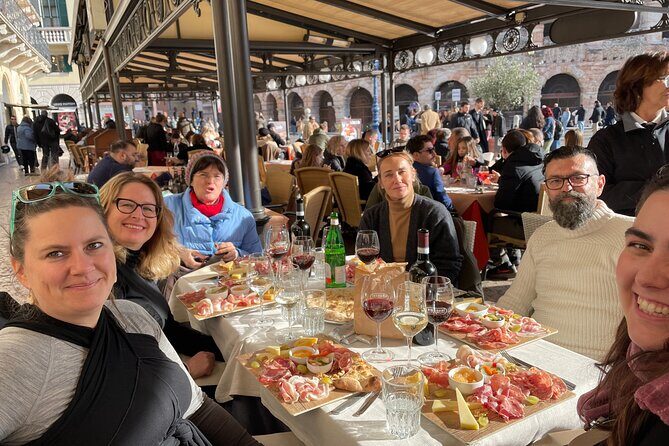
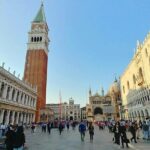
Next you move to Piazza delle Erbe, where the tour leans into Verona’s aperitivo culture. This is one of my favorite parts to watch for, because the food style is social and casual. You’re not eating a formal course menu—you’re tasting local products in the kind of spot locals actually use.
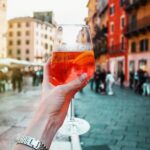
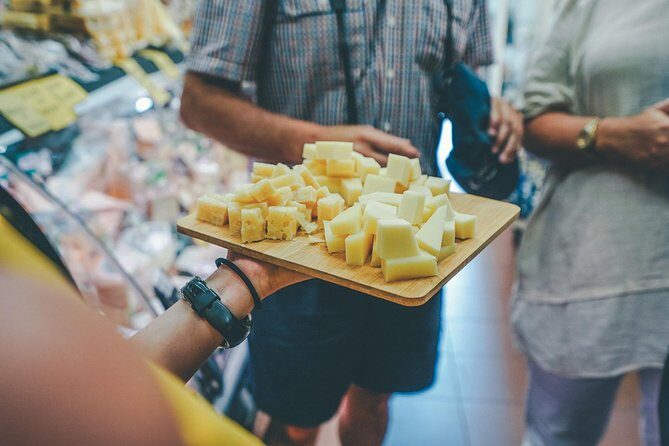
You’ll stop in a traditional osteria and sample items such as Soppressa (salami), Monte Veronese cheese, and the famous cicchetti from Verona. That matters because cicchetti is the city’s snack language: small bites meant for sharing, lingering, and pairing with a drink. The guide also helps translate the names and the flavors into something you can remember later when you’re ordering on your own.
Possible drawback here: because this portion is tasting-based, it’s not the place to expect a heavy meal. If you’re used to big breakfasts and full lunches, treat this as a flavorful warm-up, not a full stop.
Arche Scaligere and wine talk: Valpolicella plus regional whites
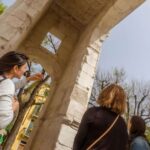
As you continue toward Arche Scaligere, the tour shifts from food to wine storytelling. This isn’t a random wine-pouring moment. You’re guided through what regional wines mean here, including Valpolicella red and white wines coming from the east of Verona and Lake Garda.
Why this is valuable: Verona wine culture can sound confusing at first, especially if you only know a couple of big labels. A focused tasting with context helps you connect terms like Valpolicella to the types of grapes and the regional identity behind them.
Also, the tone is usually practical: you learn enough to make better choices later, whether you’re buying a bottle for dinner or ordering a glass somewhere else in town. One of the most common compliments in the feedback is how guides explain history and cuisine together, without turning it into a lecture.
Porta Borsari: the food district feel and a traditional meat course
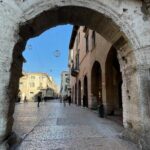
Then you head to Porta Borsari, a World Heritage Site, and from there you’re guided into the food district rhythm—where osterie and botteghe cluster and where locals go when they want real food, not tourist theater.
This stop is about traditions and something more substantial: a traditional dish along with explanation of local culinary habits. Based on what’s included in the experience, this part connects directly to the earlier aperitif flavors, then brings you into a more satisfying meal mode before lunch.
A small reality check: portions at food tours are often “just right” for most people, but tastes vary. If you’re extremely specific about meat dishes, let the operator know any intolerances or allergies in advance. The tour asks for this upfront, and it’s the safest way to make sure you’re not stuck trying to pick around what you can’t eat.
Other food tours and tastings in Verona

Lunch in a historic osteria: Amarone risotto
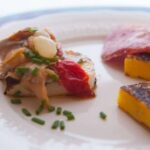
Lunch is served at a historic osteria, and the signature highlight is Amarone risotto. This is the kind of dish that makes the tour feel worth it, because Amarone is one of Verona’s most recognized wine names, and the idea of matching it with rice turns that reputation into something you can taste and remember.
Amarone risotto can be intense in a good way, rich and savory, and it’s meant to anchor your midday energy. The guide’s job is to keep you moving through the day without rushing the group, so you can actually enjoy lunch rather than treating it like a checkpoint.
One consideration: a minority of people felt lunch quality didn’t meet expectations. That doesn’t mean it’s always bad—only that if your personal preference is high-impact “wow” meals every time, you might not feel the same intensity. I’d still see Amarone risotto lunch as a strong reason to book, because it’s very on-theme for Verona and difficult to find as a guaranteed part of a random day plan.
Wine tasting with a sommelier: regional wines and pairings
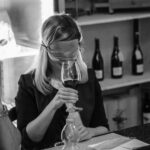
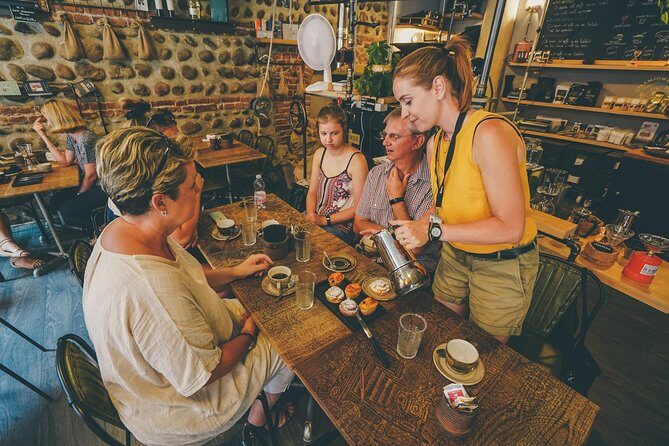
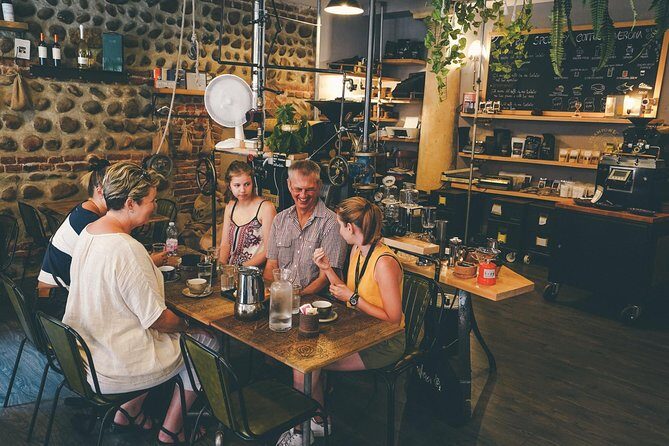
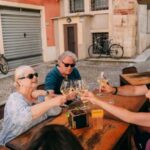
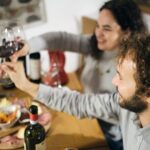
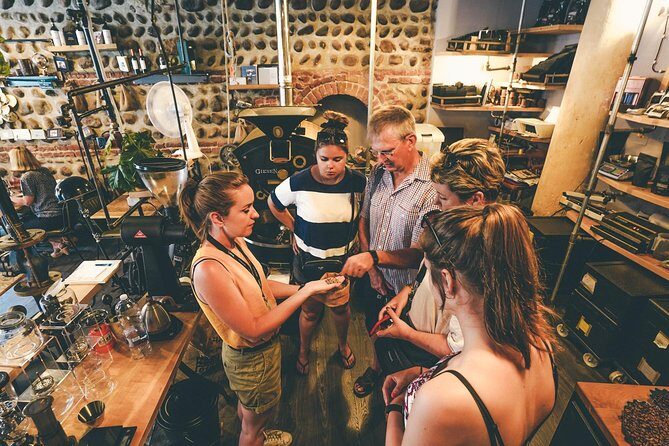
After lunch, you shift into a more structured tasting with a sommelier at a wineshop. The tasting includes different regional wines plus small pairings. This is where the tour does something valuable: it teaches you how to taste and what to notice, not just what to drink.
Sommelier-led tastings tend to work best when you ask simple questions. If you want to buy wine later, you’ll usually get a quick answer to what fits your palate. And if you don’t know much about wine, the pairings make it easier to understand the logic behind the choices.
Another plus: some people specifically call out memorable wine stops, including one described as a shop by the River Adige. That kind of detail is the reward for booking a guided experience rather than trying to guess where the best sellers and tastings are.
Ponte Pietra gelato finish: sweet, artisanal reset
The tour ends near Via Ponte Pietra, after the final stop: gelato at an historical gelateria. This last bite is more than dessert—it’s a smart reset. You’ve had espresso, savory bites, risotto, and wine, so the gelato helps you land the experience on a light note.
What to do with this stop: pace yourself. Gelato portions can be generous, and you’ll already have had a full food day. If you want to try flavors but keep it manageable, choose one or two that sound most “Verona-style” rather than going full variety.
It’s also a practical end point. Finishing near Ponte Pietra puts you in a good position to keep exploring the river area on your own after the tour wraps.
Small-group pacing: how it feels in real time
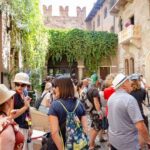
This is a maximum 12 travelers tour, and that matters. You get enough group energy to feel social, but not so many people that you’re waiting around while others finish. Most feedback praises how guides keep the pacing smooth and not frantic, including examples of guides adjusting to rain and heat so the day stays comfortable.
Expect a steady walking rhythm between stops. Parts of old Verona can be uneven, and some sections may not be easy for reduced mobility. If that affects you, it’s worth asking before booking so you can plan accordingly.
How to get the best day out of it
If you want this tour to feel like a highlight instead of a checklist, here are the habits that tend to work:
- Arrive ready to eat. Don’t overfill your morning before espresso and risino.
- Tell them about allergies or intolerance ahead of time so you can relax and taste confidently.
- Ask quick questions during tastings. You’ll remember answers better than wine facts you don’t connect to your taste.
- Go with the theme. This is about Verona through food and regional wine, not a museum-style walking tour.
Also, if you’re using the tour to learn where to eat afterward, you’ll likely appreciate the guide’s restaurant and menu tips. Several guides, including Anna and Alessandra in particular, are praised for making those suggestions practical for a short stay.
Who should book this Verona food and wine walk
This tour fits well if you:
- want a half-day plan that includes breakfast, lunch, tastings, and gelato
- prefer small-group guidance instead of a solo food scavenger hunt
- enjoy regional specialties like Amarone risotto and Verona’s snack culture (cicchetti)
- want to understand the city through food and quick local stories
It may be less ideal if you:
- need fully customizable dishes at every stop
- have very strong preferences and hate compromise with set tastings
- want a tour that is heavily focused on wine only (some people asked for a bit more wine emphasis)
Should you book Verona All in one: Food Walking Tour, Lunch & Wine?
I’d book this if you want an easy, high-value way to spend your morning or late morning in Verona without turning every meal into a decision. The included food sequence is strong, the guide component is clearly a big part of the magic (Anna, Alessandra, Beatrice, Priscilla, and others are repeatedly mentioned), and the tasting rhythm helps you learn fast.
The main “maybe” is the usual reality of food tours: lunch and wine can be subjective. If you’re super picky, plan to treat the experience as guided sampling, not a guaranteed perfect meal for every single person in the group.
If you want, tell me your travel dates and whether you have any dietary limits. I can help you decide if this schedule and food style match your appetite and priorities.
FAQ
What does the tour cost, and how long is it?
The tour costs $114.93 per person and lasts about 3 hours.
What language is the tour offered in?
The tour is offered in English.
What time does the tour start and where does it end?
It starts at 10:30am. It ends near Ponte Pietra, with the final gelato stop along Via Ponte Pietra.
Is hotel pickup included?
No. Hotel pickup and drop-off are not included.
How many people are in the group?
It’s a small group with a maximum of 12 travelers.
What food and drinks are included?
Included items are a typical Veronese breakfast (espresso and risino plus sweet pastry), an aperitif with wine and handmade meatballs, lunch in a historic osteria with Amarone risotto, a wine tasting with a sommelier and small pairings, and gelato.
Does the tour run rain or shine?
Yes, it runs rain or shine.
Are there age limits?
Children under 6 years old are not allowed. Underage customers must be accompanied by an adult.
Can I cancel for a refund?
Yes, you can cancel up to 24 hours in advance for a full refund.
Is the tour wheelchair friendly?
Some parts may not be easily accessible for people with reduced mobility or disability. If you have concerns, contact the operator to ask about the specific route.