REVIEW · VERONA
Verona: Priority Access Arena Guided Tour
Book on GetYourGuide →Operated by Ways Tours | B Corp certified · Bookable on GetYourGuide
Roman roar, no ticket scramble. The Verona Arena can feel like a crush at Piazza Bra, so this guided priority-access format is a smart way to get in fast and focus on the stories instead of the shuffle. You’ll hear how the amphitheater was built in the 1st century AD from pink-tinged marble, how it survived the 12th-century earthquake, and why it still matters today.
What I like most is the time-saver and the guide factor. You get skip-the-line entry through a separate entrance, and the tour keeps moving with a licensed guide who can turn stone and seating into clear, memorable context. I’ve seen guides named Frank, Franco, Isabella, and Francesco bring plenty of personality, jokes, and good Q and A, which is exactly what you want for a place this famous.
One consideration: the tour is only 45 minutes, so it’s not a slow, pick-your-own-photo-pace visit. You’ll leave with the big picture and the best “look here” moments, but you won’t have hours to wander on your own during the guided part.
In This Review
- Quick take
- Verona Arena: why this amphitheater keeps pulling people in
- Skipping the line at Piazza Bra: the real value of priority access
- The 45-minute guided flow: how the tour is paced
- Pink marble, earthquakes, and the arena’s Roman “bones”
- Gladiator fights: making the spectacle feel real
- UNESCO World Heritage context without the museum boredom
- Opera season: when the arena becomes a concert hall
- Price and value: is $41 worth it?
- Who should book this tour (and who should skip it)
- Practical tips to get the best experience
- Should you book this Verona Arena priority access guided tour?
- FAQ
- How long is the Verona Arena priority access guided tour?
- What language options are available?
- Does this ticket include skip-the-line entry?
- Where do we meet for the tour?
- Is hotel pickup or drop-off included?
- Is this tour suitable for children and families?
- Is the tour wheelchair-friendly?
- Are pets or luggage allowed?
- What’s the cancellation policy?
Quick take
- Priority access saves real time when Piazza Bra lines are long
- Licensed guide, English or Italian for clearer “what you’re seeing”
- Gladiator-era context makes the seating and corridors easier to understand
- UNESCO site access with a human explanation (not just stone and labels)
- Opera still happens here, especially in peak season
Verona Arena: why this amphitheater keeps pulling people in
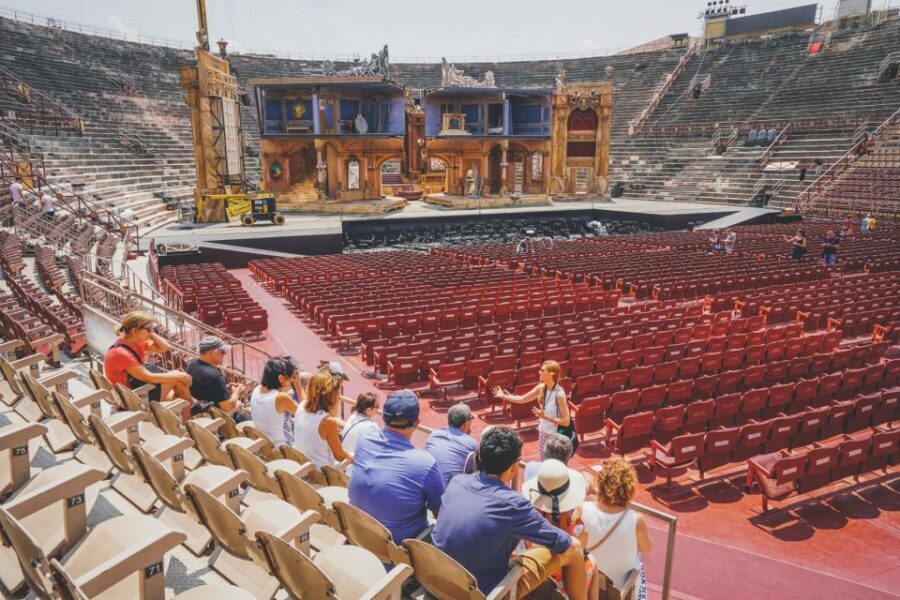
The Verona Arena is one of those sights that looks instantly familiar, even if you’ve never been to Verona. That’s because it’s the kind of Roman amphitheater that still feels intact: tiers, structure, and layout that help you picture how crowd life worked two thousand years ago.
What makes this tour especially worth your time is that you’re not just staring at the façade on Piazza Bra. You’re getting the “why it looks like that” story, plus what the venue has been used for over centuries—down to the fact that it’s still active as a performance space.
And yes, Verona is opera country. This arena isn’t just a museum stage; it’s a living one. Your guide ties the spectacle of Roman games to the drama of opera in a way that makes the visit feel like one continuous thread, not two separate attractions pasted together.
Other guided tours in Verona

Skipping the line at Piazza Bra: the real value of priority access
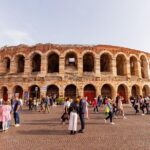
On busy days, Verona Arena can be a bottleneck. People line up, everyone moves in fits and starts, and suddenly you’re spending your vacation time “waiting to wait.”
This ticket’s biggest practical win is that you get skip-the-line entrance through a separate entrance. That means you spend your time inside learning what to look for, not standing outside in the crush. The tour runs rain or shine, too, so priority access matters even more when weather pushes the crowd indoors and everyone slows down.
There’s no hotel pickup or drop-off. So you’ll be responsible for getting to the meeting point on time. The meeting point may vary depending on the option you book, so treat your confirmation details as the source of truth and aim to arrive a few minutes early. One small complaint that comes up often with meeting points in general travel experiences: it’s easy to get confused if the exact spot isn’t obvious. You’ll have a better time if you check it the day before.
The 45-minute guided flow: how the tour is paced
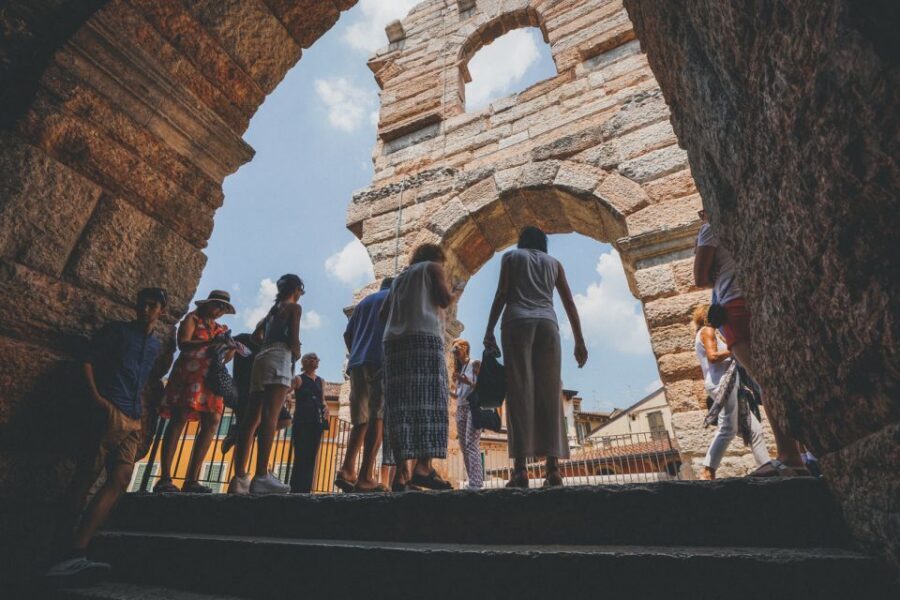
This is a short tour by design. With 45 minutes, the guide focuses on the essentials: what the arena is, how it was built, and what Roman spectacles looked like in practice.
In the first part, you typically get context before you’re deep into the arena. That’s useful because once you’re inside, your eyes start finding details on their own—tiers, entrances, and angles that explain movement for crowds.
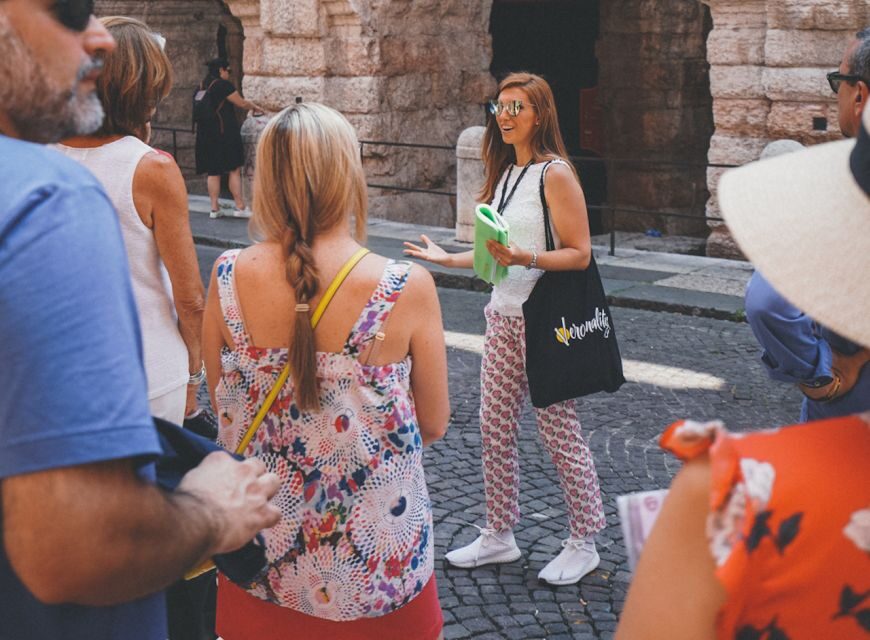
Then the guide shifts into storytelling. You’re not stuck with a lecture. The pace is built for families and first-timers, with time to ask questions and get answers. Many of the guides reported in recent experiences—like Frank and Isabella—use humor and personality to keep the group engaged, which helps the short duration feel more complete.
Some visits also allow extra moments inside for atmosphere or photos after the guided portion, including getting higher up within the arena to see the space from different angles. Even if you don’t get much “free roaming,” the guide’s stop points should still give you strong takeaways.
Pink marble, earthquakes, and the arena’s Roman “bones”
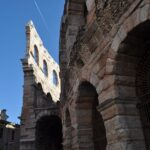
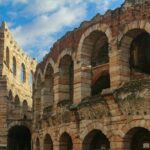
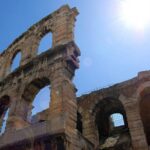
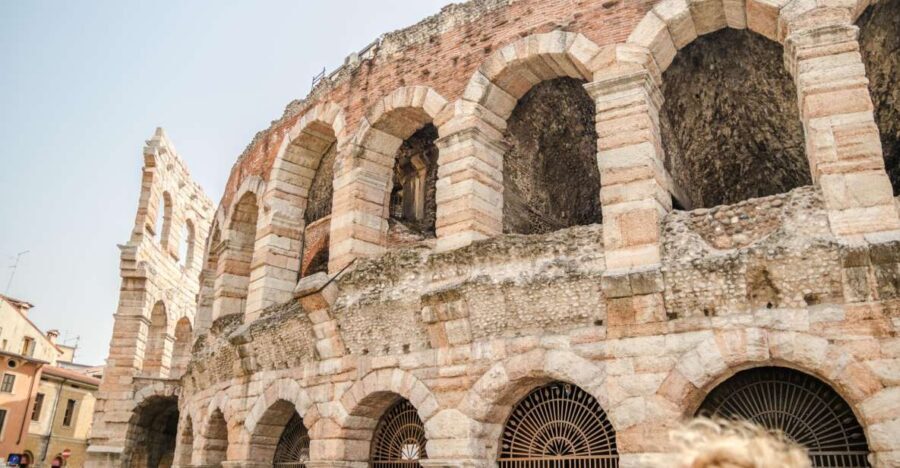
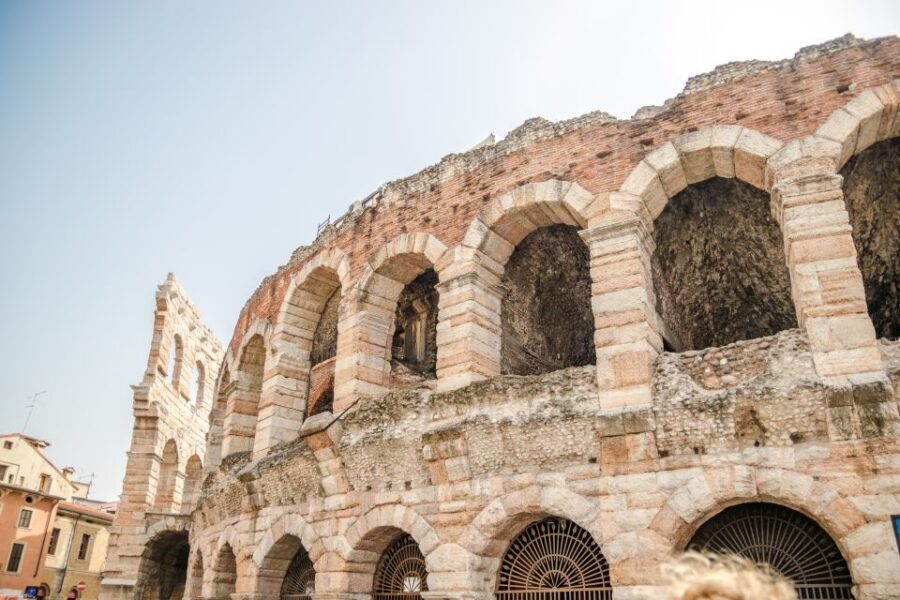
One of the easiest ways to enjoy the Verona Arena is to understand its structure. This monument is built from pink-tinged marble, and it was constructed in the 1st century AD. That means you’re not looking at a “pretty old ruin” so much as a machine built for crowds and spectacle.
Your guide’s job is to help you read the building. You’ll look past the iconic pink façade on Piazza Bra and learn what that façade represents in the larger whole.
A standout detail in the tour’s explanation is survival through catastrophe: the arena endured an earthquake in the 12th century and remained standing in a form that still lets you grasp how it worked. When someone points out how the building endured and what you’re seeing today, the place stops being a backdrop and becomes a real engineering story you can follow.
You’ll also hear about aspects of construction and the way stonework can conceal meaning. Even if you know a little Roman history, the guide-style “look for this” approach often reveals details you’d miss on your own.
Gladiator fights: making the spectacle feel real
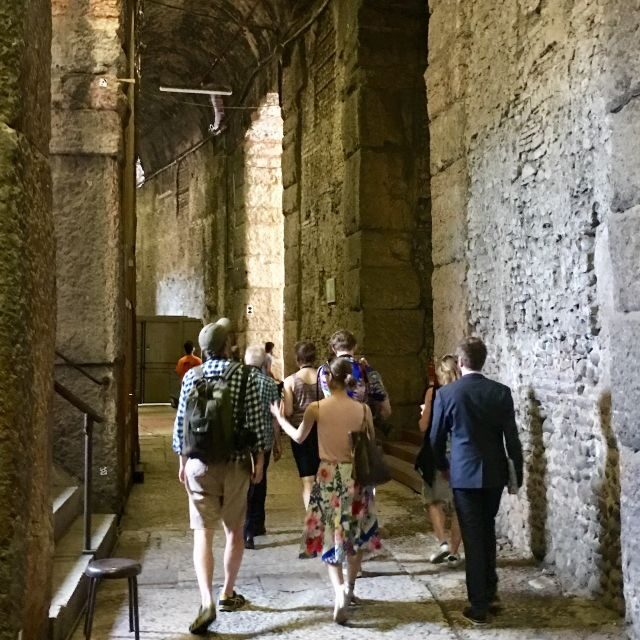
Most people know the word gladiator. Fewer people understand how the arena shaped the experience.
As you move through the space with your guide, you’ll connect the layout to the kind of events the Romans put on. The tour focuses on the gladiator fights of the Roman Empire, and it also frames how crowd energy worked—where people sat, how spectators could see the action, and why the corridors and entrances mattered.
The guide tells these stories in a way that makes the stone feel functional. It helps you stop imagining gladiators as movie characters and start picturing them as part of an organized public spectacle.
This is a good tour choice if you like “how it worked” history. You’re not just learning names and dates; you’re learning how a venue controls sightlines, movement, and drama.
UNESCO World Heritage context without the museum boredom
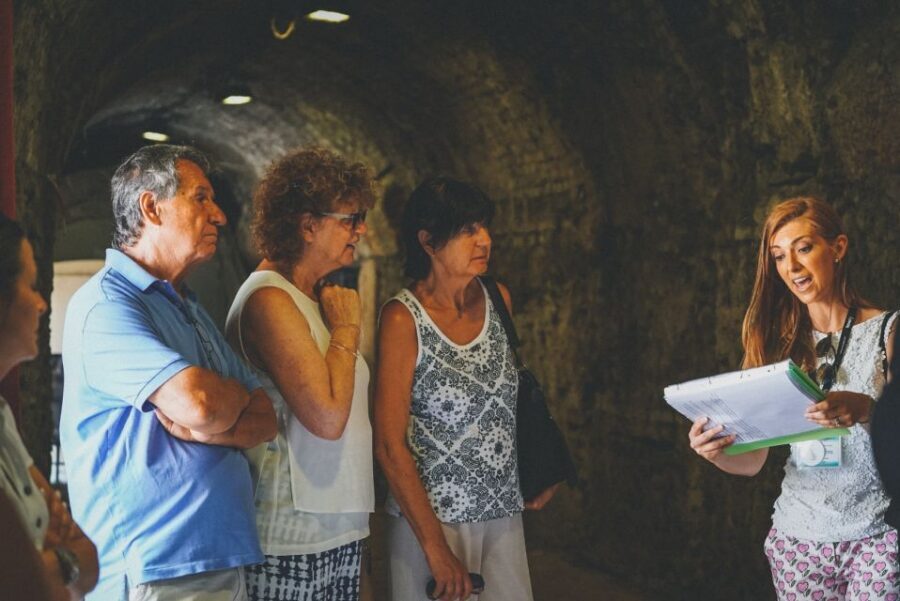
The Verona Arena is part of a UNESCO World Heritage context, which is a fancy way of saying the site matters on a global scale. But you shouldn’t need a museum tone to appreciate that.
The licensed guide approach keeps the context grounded. Instead of reciting a list of facts, the tour aims to explain why the arena is still one of the best-preserved Ancient Roman archaeological sites. That preservation matters because it lets you see more than “remains”—it lets you understand the whole design logic.
You’ll come away with a better sense of what’s special about Verona’s version, not just that the arena is famous.
Opera season: when the arena becomes a concert hall
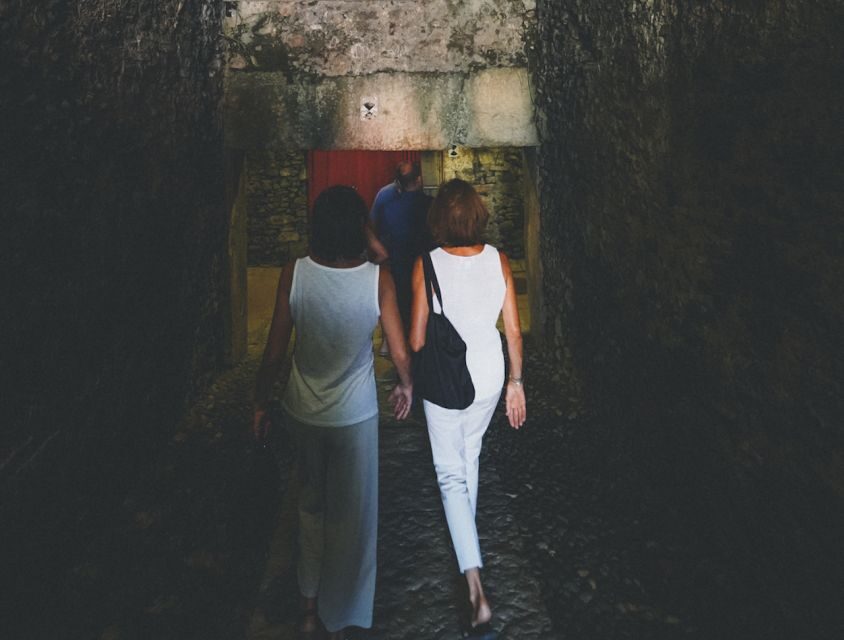
Here’s a key detail that affects your experience: the arena’s use changes with the seasons.
June through October, the arena is transformed into a music venue for opera. If your goal is to experience the arena as a more purely Roman-feeling archaeological space, timing matters. One guide-style note you’ll want to remember is that if you visit in those months, the stage setup can change what you see and how you picture the original space.
If you’re going in the opera season, the good news is that your tour framing helps you connect performances to the building’s legacy. The venue is still active for operas today, so learning how it became a concert space adds a fun layer rather than interrupting the story.
If you’re visiting outside the peak opera window, you’ll likely experience the arena with fewer performance elements, which can make the architectural details feel even more “Roman-first.”
Price and value: is $41 worth it?
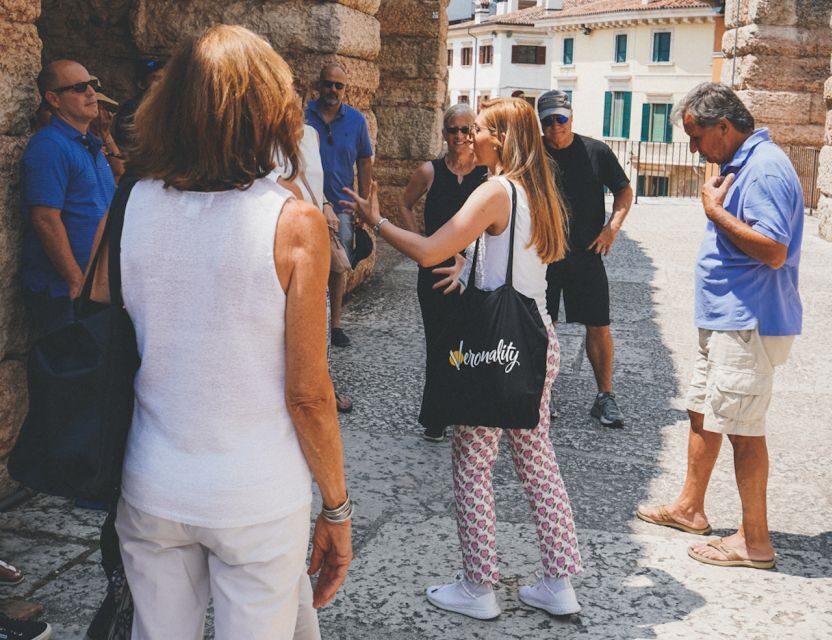
At $41 per person, this isn’t a bargain-ticket attraction. It’s also not priced like a luxury add-on. It sits in the sweet spot where you’re paying for three things: the licensed guide, the skip-the-line entry, and the focused time in a high-demand spot.
Ask yourself this: would you spend the time queueing anyway? If yes, then priority access alone can justify a lot of the cost because your time inside the arena is what you’re buying.
Then there’s the guide. A guided format matters here because this arena is visually striking but easy to misread. With only signage and a self-guided pace, you might appreciate the grandeur and miss the “how” and “why.” The guide helps you see the seating and construction as part of a functioning spectacle.
The tour is also short enough that it doesn’t dominate your day. You’re not trading away hours of sightseeing. For many visitors, that makes it a high-value use of time, especially if you’re pairing it with an opera performance later.
Who should book this tour (and who should skip it)
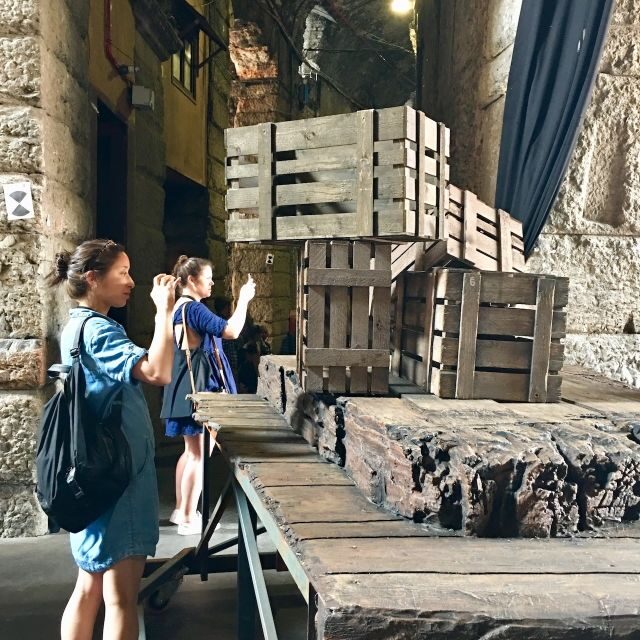
This tour is a strong fit for families and teens because it’s short and story-driven. Underage customers must be accompanied by an adult, and the format is designed to be kid-friendly rather than painfully technical.
It also works well if you want a quick win: you get a structured introduction to the arena’s Roman past and its modern opera role without needing months of study.
Language is another plus. The guide operates in English or Italian, which makes it easy to choose based on your group.
That said, it’s not suitable for everyone. It isn’t for wheelchair users, and some parts of the tour may not be easily accessible for people with reduced mobility. If anyone in your group has accessibility needs, it’s worth contacting the provider directly to confirm how the route works on the day.
Also note the basic rules: no pets, no smoking, and no luggage or large bags. If you’re traveling with a backpack, keep it manageable so you can pass through smoothly.
Practical tips to get the best experience
1) Arrive a bit early and confirm the exact meeting point. Since the meeting location can vary, the confirmation message is your friend.
2) Bring questions. This tour style is built around a guide who can explain construction details and event history as you look at the arena. Names of guides show up often in recent experiences—Frank, Franco, Isabella, Francesco—so you can expect a talk that invites interaction.
3) Plan your opera-night expectations. If you’re visiting during June to October, remember the arena is set up as a music venue. If you want the arena’s Roman feel first, consider visiting in the quieter months.
4) Wear comfortable shoes. The arena is an outdoor historic site, and you’ll be walking and looking around.
5) Keep bags small. Rules limit large bags, and that’s not the time to wrestle with luggage.
Should you book this Verona Arena priority access guided tour?
If you’re coming to Verona with limited time, this is the kind of ticket that makes your day feel smoother. I’d book it if you want the arena explained in a way that helps you look smarter, not just look longer, and if you’d rather avoid a long queue at Piazza Bra.
I’d think twice if your group is happiest with slow self-guided wandering for hours, or if you’re very sensitive to the fact that June to October brings opera staging changes. The 45 minutes are a feature for many people, but it does mean you’re not getting a full, everything-at-once exploration.
If you’re balancing opera plans with sightseeing, this tour is a great pairing. You’ll understand the arena as both a Roman amphitheater and a working stage, which makes the whole evening (or the next day) hit harder.
FAQ
How long is the Verona Arena priority access guided tour?
The tour lasts 45 minutes.
What language options are available?
The live tour guide is available in English or Italian.
Does this ticket include skip-the-line entry?
Yes. You get skip-the-line entrance through a separate entrance.
Where do we meet for the tour?
The meeting point may vary depending on the option booked, so you’ll need to check the details for your specific booking.
Is hotel pickup or drop-off included?
No, hotel pickup and drop-off are not included.
Is this tour suitable for children and families?
Yes, the tour is suitable for children and families. Underage customers must be accompanied by an adult.
Is the tour wheelchair-friendly?
No. It is not suitable for wheelchair users, and some parts may not be easily accessible for people with reduced mobility.
Are pets or luggage allowed?
Pets are not allowed. Smoking is not allowed, and luggage or large bags are not allowed.
What’s the cancellation policy?
You can cancel up to 24 hours in advance for a full refund.