REVIEW · VERONA
Verona: Blindfolded Wine Tasting
Book on GetYourGuide →Operated by La Botteghetta La Bottega di Verona · Bookable on GetYourGuide
Wine tasting gets real when you cannot see the glass.
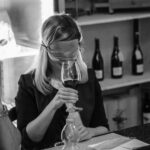
This Verona blindfolded wine tasting in Veneto turns a familiar activity into a focused senses challenge: you taste four wines while blindfolded, guided by an expert who helps you map aromas and flavors. The experience uses sounds and scents to push your recognition skills, then wraps it up with a final taste check.
I especially like the way the format forces you to trust your senses instead of your expectations, and I like that you get a sensory card for each round so it is not just guessing. One thing to consider: you must be comfortable tasting without sight, and the experience can feel mentally intense if you want a relaxed, casual pour-and-chat style.
In This Review
- Key highlights you will actually remember
- Why blindfolding wine in Verona makes you taste differently
- Your 1-hour flow: four tastings, one sensory card per round
- Step into the blindfold mode
- Four rounds of the same type, from different wineries
- A final taste test to lock it in
- Sensorial card: your impressions become notes
- How the expert guidance changes your guesses into real understanding
- What’s on the table: bread, breadsticks, and mini charcuterie
- Language options in Verona: simple, flexible, and worth checking
- Price and value: is $53 a good deal for four blind tastings?
- Who this Verona blindfolded tasting is best for
- Quick tips before you go (so you get better results)
- Should you book this Verona blindfolded wine tasting?
- FAQ
- How long is the blindfolded wine tasting in Verona?
- How many wines do you taste?
- Is the tasting actually blindfolded?
- What food and drinks are included?
- What languages are the guides available in?
- Do I need to bring an ID?
- Can I cancel for a refund?
- Is there a pay later option?
Key highlights you will actually remember
- Blindfolded tasting that removes visual clues and sharpens aroma detection
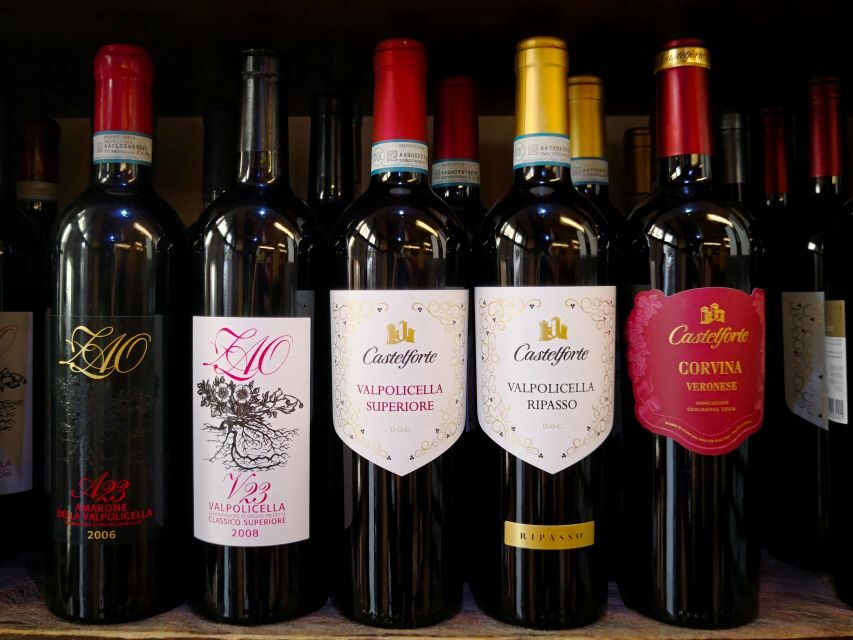
- Four different wines in one focused session, with help from an expert guide
- Sounds and scents used to train your recognition skills
- A sensorial card so your impressions turn into something you can review
- Local bread and a mini charcuterie board with freshly sliced meat and cheese
- Mineral or sparkling water included to keep tasting comfortable
Why blindfolding wine in Verona makes you taste differently
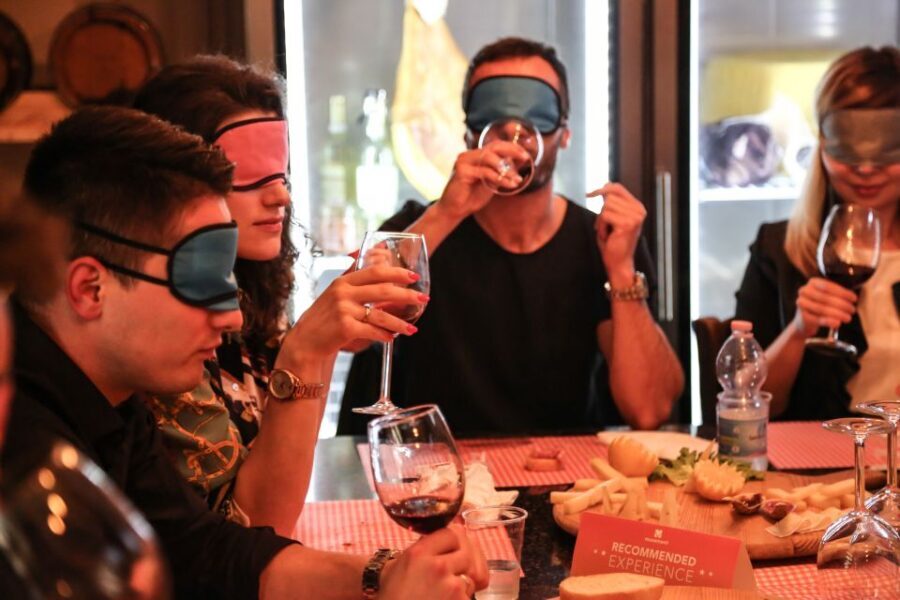
Most wine tastings start with a huge cheat: you look at the wine first. Color, clarity, and even the shape of the glass quietly steer what you think you are about to taste. Here, the blindfold flips that script. You are still tasting wine, but your brain has fewer shortcuts, so you end up paying attention to what is actually happening—aroma release, texture, and flavor cues.
The result is that the tasting becomes more like a problem you can solve with your senses. The expert’s role matters, too. Instead of just describing what the wine is, they help you build a method: what you should notice, what different aroma families can signal, and how those impressions can link back to the wine’s origin. If you enjoy training your palate (or you have ever wondered why you can never describe what you taste), this format is a good fit.
You also get four separate chances to practice. Not just once, not just with one “main” wine, but repeatedly in a short session. That repetition is where the learning sticks.
Other wine tasting experiences we've reviewed in Verona
Your 1-hour flow: four tastings, one sensory card per round
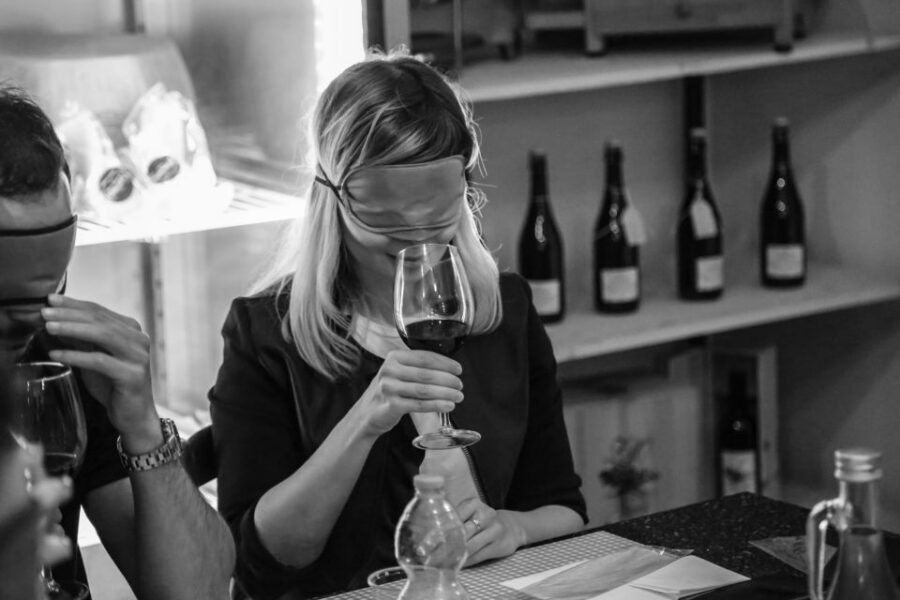
The total experience is about 1 hour, and it is designed to stay efficient without rushing the tasting. While the exact minute-by-minute pacing can vary by start time, the structure is consistent.
Step into the blindfold mode
You start by getting oriented and learning how the tasting will work. Then the blindfold kit comes out, and the guide sets the tone: this is not about guessing randomly. It is about noticing patterns. You will also use sounds and scents, which might sound like extra theater—until you realize they are there to help your brain focus.
Four rounds of the same type, from different wineries
Each tasting round is built around a key idea: you try four wines of the same types, but from different wineries. That is a smart way to learn. If you compare wines that vary wildly in style, it is easy to blame the differences on the category. Here, the category is held steady, so you can focus on what changes from producer to producer—aroma nuances, flavor intensity, balance, and finish.
In each round, you taste, then try to identify what you are perceiving. You build the answer using smell and taste clues, not visuals. The guide supports you as you go, offering explanations after you have formed your own impressions.
A final taste test to lock it in
The experience also includes a final taste test. That is valuable because it is an opportunity to compare, confirm, and connect the dots from earlier rounds. If you leave wondering what you learned, this last check is often what gives the session meaning.
Other food & drink experiences in Verona
Sensorial card: your impressions become notes
One of the most practical inclusions is the sensory card for each tasting. Instead of walking away with only a vague memory of what seemed fruity or earthy, you end up with a record—aromas and flavors you picked out, plus the guide’s framing of what those cues likely mean. Even if you do not remember every detail later, that card is a tool you can use on your next wine stop.
How the expert guidance changes your guesses into real understanding
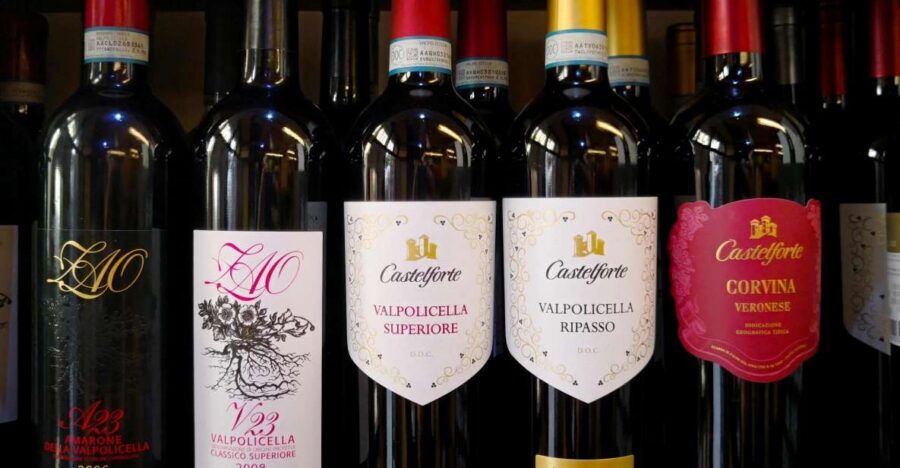
A blind tasting can go two ways. It can become pure guessing, or it can become a guided training session. This experience is clearly built for the second option.
The expert helps you with two things:
- Aroma recognition: how to interpret smell clues you might normally brush off as general fragrance.
- Provenance and context: how origin and winery decisions can influence what you experience in the glass.
You might find the biggest help is learning what to focus on in the first few seconds of tasting. Many people swirl, sniff, taste, and then stop. Here, the guide nudges you to think in signals: what the first aromas suggest, how the mid-palate develops, and what shows up at the finish.
Also, the experience is live and multilingual—English, Italian, and Russian—so you can ask questions clearly in the language you are comfortable with. That matters because wine vocabulary can be tricky. If you are not fluent, you may still understand the sensory logic, but you will get more out of it when you can communicate precisely.
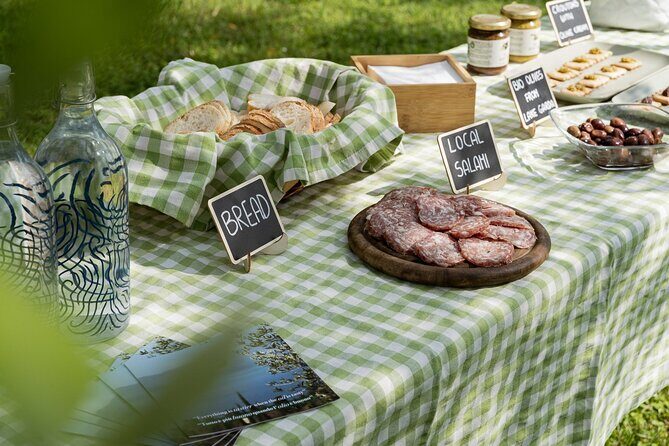
What’s on the table: bread, breadsticks, and mini charcuterie
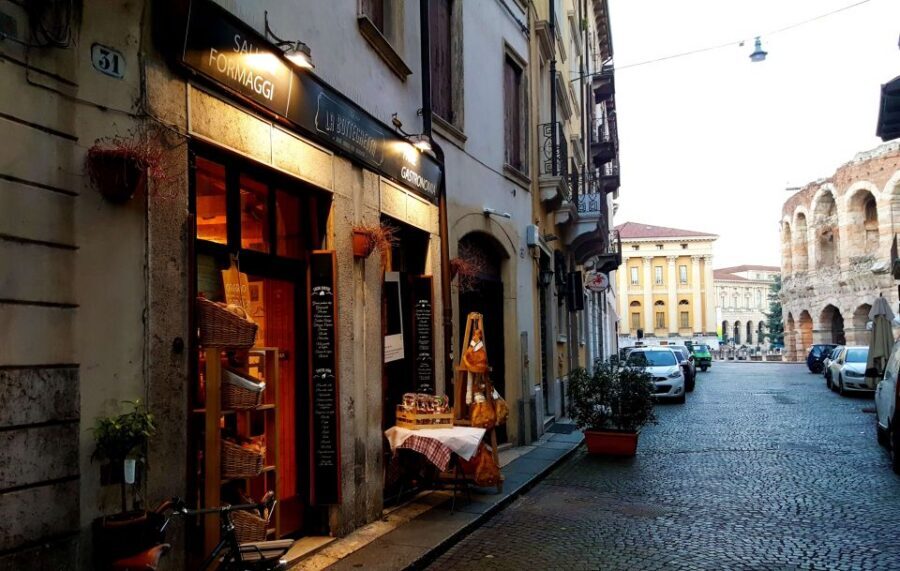
Wine tastings can be frustrating if you taste on an empty stomach or if the food is an afterthought. Here, you get included bites that make sense for the pacing.
You receive:
- Bread and breadsticks
- A mini charcuterie board with freshly sliced meat and cheese
- Mineral or sparkling water
The practical value is clear. Bread helps reset your palate between tastings. Cheese and charcuterie add fat and salt, which can change how tannins and acidity feel—so you get another layer of learning, not just fuel. And the water keeps you tasting comfortably in a one-hour window.
If you are the type who likes to pair wine with something savory, this inclusion turns the experience into a more complete Verona evening—without forcing you to figure out a meal plan right before or after.
Language options in Verona: simple, flexible, and worth checking
This is a live tour guided in English, Italian, and Russian. That is not a small detail. When you are wearing a blindfold, you rely heavily on verbal explanation and timing cues. So choosing the language you understand best can make the experience feel smooth instead of stressful.
If your Italian is basic, you can still enjoy it in English. If you are visiting with someone more comfortable in Russian, that option is there too. In a sensory format, comfort with the guide’s instructions can make a big difference.
Price and value: is $53 a good deal for four blind tastings?
At $53 per person for 1 hour, the price only feels fair if you understand what you are getting.
You are not paying just for four small pours. You are paying for:
- Four tastings in a structured learning format
- A blindfolded wine tasting kit
- An expert guide who helps interpret aromas and flavor cues
- Sound and scent stimulation to support recognition
- A sensorial card so you take something useful home
- Included bread, breadsticks, and charcuterie
- Mineral or sparkling water
That’s a lot packed into one session. The value becomes especially strong if you want to learn rather than just drink. If you have ever taken a tour and thought, I liked the wine but I did not really understand it, the inclusion of the sensorial card and expert explanations is what can justify the cost.
If you only want a relaxed social tasting with no structured thinking, this might feel a bit too “training mode.” But if you want your palate to improve fast, the price is easier to justify.
Who this Verona blindfolded tasting is best for
This experience is a great fit if you want one of these outcomes:
- You like learning by doing, not only listening
- You enjoy sensory challenges and quick games that feel meaningful
- You want a tasting that works even if you are not a wine expert
- You want an activity that pairs local food with wine
- You are visiting Verona and want something different from the usual walk-and-sip plan
It might be less satisfying if you dislike blindfolds or you want zero mental effort. Also, if you have a strong preference for seeing what you are drinking, this format intentionally removes that comfort.
Quick tips before you go (so you get better results)
You do not need to be a certified sommelier. But you can set yourself up to get more out of the sensory format:
- Bring passport or ID card, since it is required for check-in.
- Eat a normal meal beforehand if you want the charcuterie to feel like a bonus, not a substitute.
- During each round, try to pick two aroma clues and one flavor impression. If you try to describe everything at once, the blindfold can overwhelm you.
- Use the sensorial card right away. Write short phrases while the taste memory is still fresh.
And mentally, expect to be a little unsure at first. That is normal. The learning happens as the guide connects your guesses to explanation.
Should you book this Verona blindfolded wine tasting?
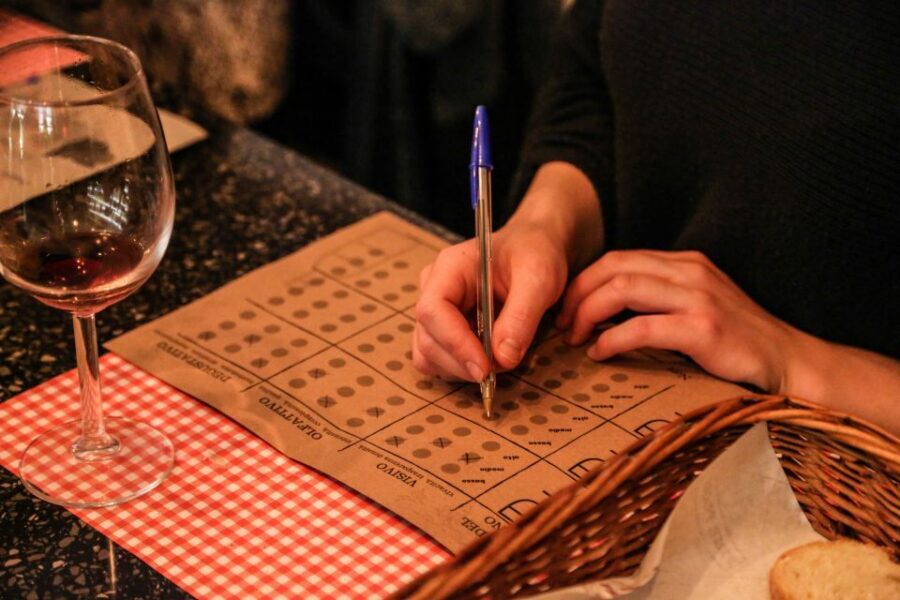
If you want a one-hour wine experience in Verona, Veneto that mixes sensory play, expert guidance, and included local bites, I think it is an easy yes. The biggest reasons to book are the blindfold format (it makes tasting more honest) and the sensorial card plus expert explanations (it turns impressions into learning). Add in the bread and mini charcuterie, and it feels like a complete activity rather than just a quick tasting stop.
If you hate feeling tested or you cannot enjoy tasting without sight, consider a more traditional wine tour instead. But if you are curious and willing to focus, this is the kind of experience that leaves you talking about what you smelled and why it made sense.
FAQ
How long is the blindfolded wine tasting in Verona?
It lasts 1 hour.
How many wines do you taste?
You taste four wines.
Is the tasting actually blindfolded?
Yes. You do the wine tasting blindfolded.
What food and drinks are included?
Bread, breadsticks, and a mini charcuterie board with freshly sliced meat and cheese are included, along with mineral or sparkling water.
What languages are the guides available in?
The live tour guide is available in English, Italian, and Russian.
Do I need to bring an ID?
Yes, you should bring a passport or ID card.
Can I cancel for a refund?
Yes. You can cancel up to 24 hours in advance for a full refund.
Is there a pay later option?
Yes. You can reserve now and pay later, meaning you pay nothing today.