REVIEW · VERONA
Verona: Montresor Winery Visit with Wine Tasting and Snacks
Book on GetYourGuide →Operated by Ways Tours | B Corp certified · Bookable on GetYourGuide
This winery visit feels like Verona in a glass. At Montresor, I like how the wine museum ties local history to winemaking, and how the aroma room trains your nose before you sip. It is not a rushed pour-and-go. You get time to understand what you are tasting and why it matters.
I also love the guided tastings led by expert sommeliers, with real structure: you try multiple wines, learn the logic behind them, and get snack pairings to reset your palate. One thing to keep in mind is that this experience has strict suitability limits, including no children under 18, no vegans, and it is listed as not suitable for pregnant women.
In This Review
- Key highlights worth planning for
- Finding Montresor Winery from Verona’s center (and why it’s easy)
- Inside the Montresor wine museum: Verona’s story told through tools and families
- Aroma room with a quiz-style approach: train your senses before the first sip
- Barrel room and appassimento aging: where Amarone magic actually happens
- Choosing your tasting: Valpolicella reds or Lake Garda whites
- Valpolicella reds tasting (5 glasses)
- Lake Garda white wines tasting (4 glasses)
- Snacking with your wine: what’s included and how to expect it
- Price and value: is $34 fair for museum, sensory room, and 4–5 wines?
- What kind of traveler should book this Verona wine visit
- Practical tips to get the most from your 90-minute tasting
- So, should you book Montresor in Verona?
- FAQ
- How long is the Montresor winery visit?
- Do I have to taste red wine, or can I choose something else?
- How many wines are included in the tasting?
- What snacks are included with the wine tasting?
- How do I get to the winery from Verona?
- Is this tour suitable for children or vegans?
Key highlights worth planning for
- Two tasting paths: Valpolicella reds (up to Amarone Riserva) or Lake Garda whites
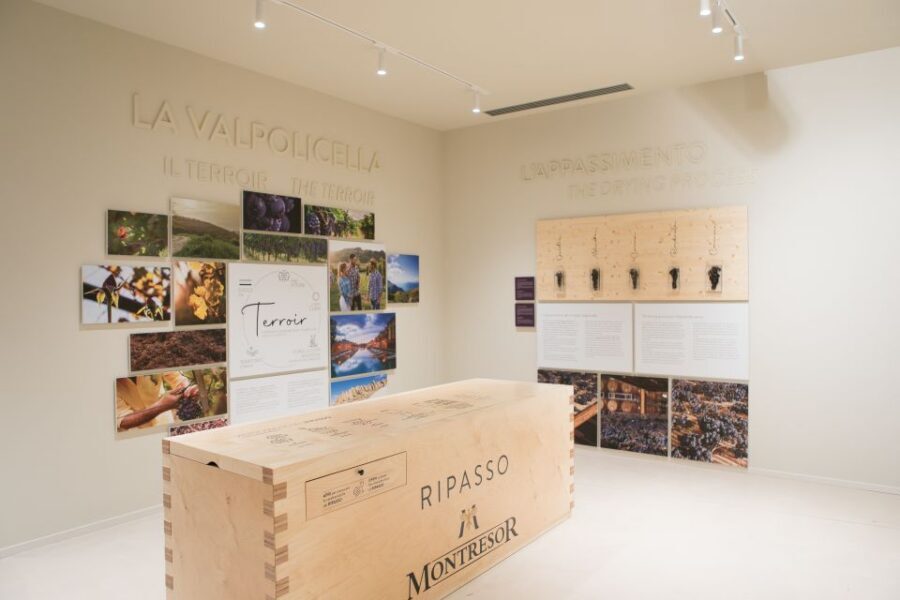
- Winemaking “how it works” stops: the barrel/aging room and the appassimento process
- Sensory practice in the aroma room: identify key notes you’ll later find in the wines
- A museum built around Verona’s timeline: original tools and the Montresor family story
- Snack pairings included: bread, olive oil, soppressa salami, and cheese (with some small real-world variation)
- A host-guided pace: English and Italian, with guides who mix info and humor
Finding Montresor Winery from Verona’s center (and why it’s easy)
Montresor is just outside Verona’s historic center, roughly a 15-minute ride from downtown, so you do not have to dedicate a whole day to getting there. If you are starting near Arena, a taxi is simple. If you prefer public transport, the 21 or 93 bus from Castelvecchio Castle (opposite the castle entrance) works well, with the stop right by the winery area.
Parking is available at the winery too, which helps if you are splitting costs with friends. Plan your timing around the 1.5-hour experience, and treat this as a focused, indoor-friendly wine stop rather than a long countryside outing.
Other wine tasting experiences we've reviewed in Verona
Inside the Montresor wine museum: Verona’s story told through tools and families
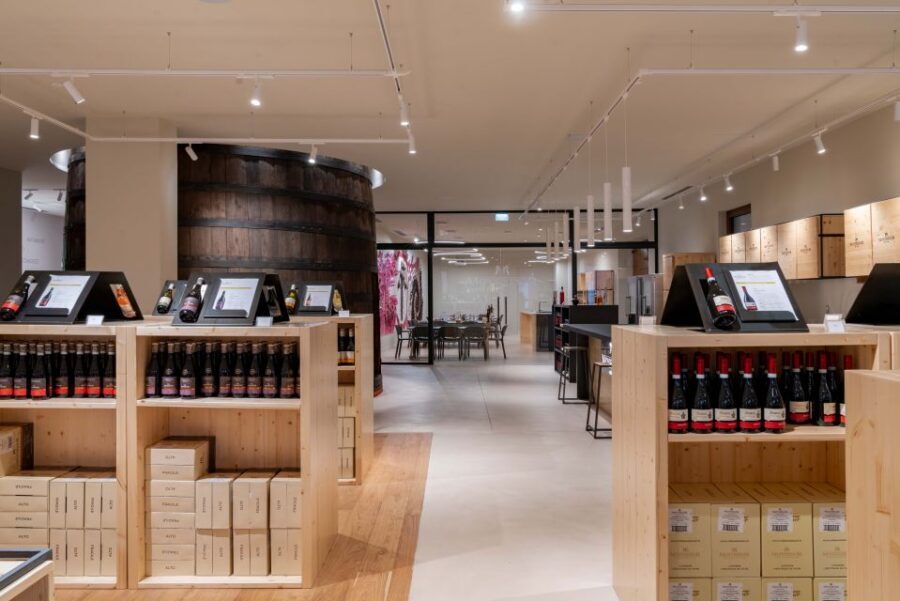
Your visit starts at the winery museum, where Verona’s past is woven into what the Montresor family built and preserved. What I like here is that it is not just plaques. You see original winemaking tools and learn how the winery identity evolved through major historical moments.
One of the smartest parts of the museum is that it sets you up for the grapes you will later meet. You are shown how the story connects from harvest through drying stages, so when your guide starts explaining Valpolicella styles, you already have a mental map.
This is also a strong rainy-day plan. The experience is indoors with controlled conditions, so weather in Verona (heat or storms) is less of a problem than it can be at vineyard tours that depend on outdoor walking.
Aroma room with a quiz-style approach: train your senses before the first sip
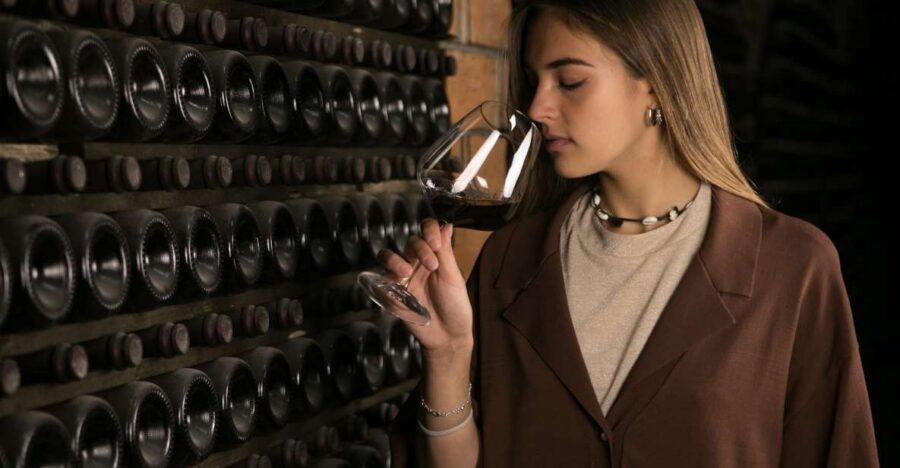
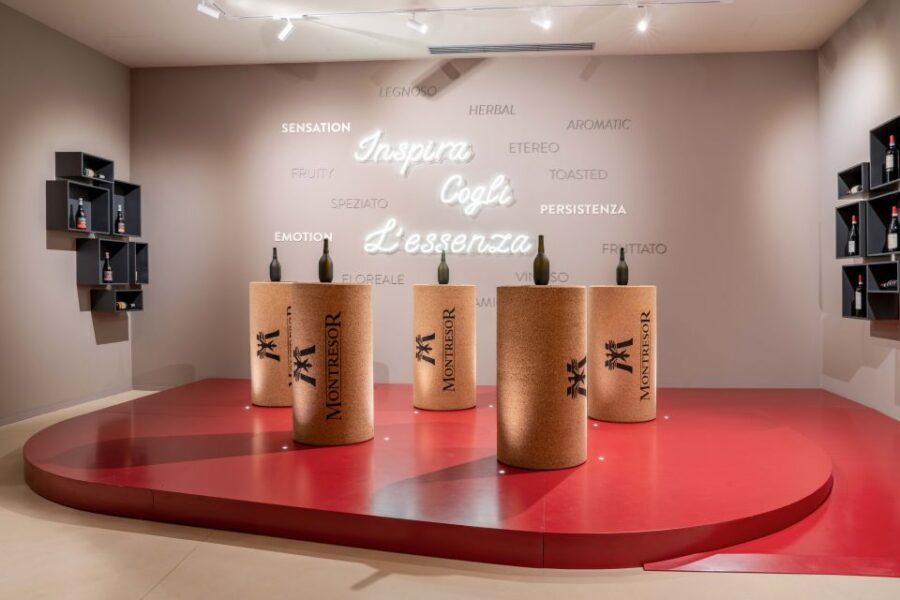
Next comes one of the most memorable segments: the interactive aroma room. This is where the experience gets fun fast, because you are asked to recognize key notes connected to each wine—like a guided sensory workout.
I enjoy this because it turns wine tasting from a vague activity into something you can practice. Instead of waiting for someone to tell you what you are supposed to smell, you get prompts and you learn the language of aroma while everything is still fresh in your mind.
Guides vary in style, but names like Emma, Leonardo, and Silvia show up in past experiences, and the common thread is energy. Expect humor and engagement. One guide even used a quiz format that pushed the group to identify aromas—exactly the kind of thing that makes wine less intimidating.
Barrel room and appassimento aging: where Amarone magic actually happens
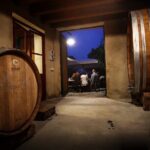
After the sensory room, you head beneath the historic barrel into the aging area. This is the part that makes the tasting choices feel real. You see the aging room and learn what happens when wines rest in large casks.
For anyone choosing the Valpolicella path, the appassimento process is the big concept. Appassimento is tied to grapes that go through drying, and it is one reason certain wines can develop richer flavors and deeper structure. The experience also includes a full-wall historical mural unique to this winery, which helps the room feel like more than just a storage space.
If you are a fan of the technical side of wine, this stop is where it starts to click. You can taste the result later, but you understand the mechanism first—aging style, drying stages, and how the land and process work together.
Choosing your tasting: Valpolicella reds or Lake Garda whites
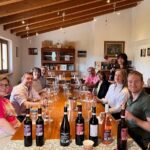
At the tasting room, you pick between two options, and that choice affects what you taste:
Other vineyard and winery tours in Verona
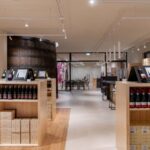
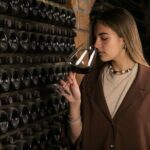
Valpolicella reds tasting (5 glasses)
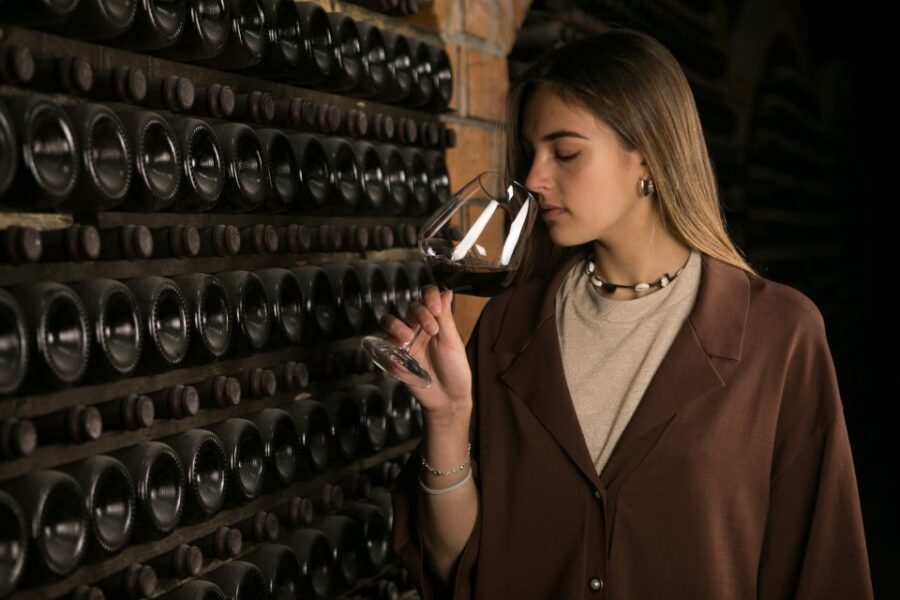
If you choose reds, you’ll go through a lineup built around Valpolicella Classico and related styles, including Ripasso and wines up to Amarone Riserva. The guide connects each step to how grapes are treated and how flavor builds as the process changes.
This is a great route if you want to understand why Amarone can feel so concentrated compared to simpler reds. You are tasting more than grapes. You are tasting decisions: which grapes, what drying stage, and how aging changes the final glass.
Lake Garda white wines tasting (4 glasses)
If you choose whites, you’ll taste fresh, elegant Lake Garda styles. The focus here is on keeping the experience lighter and bright compared with the heavier Valpolicella red route.
Either way, the tasting is guided. You are not just handed a flight and left to guess. The sommeliers walk you through what to look for, and the pacing is designed for a 1.5-hour visit, not a multi-hour wine binge.
Snacking with your wine: what’s included and how to expect it
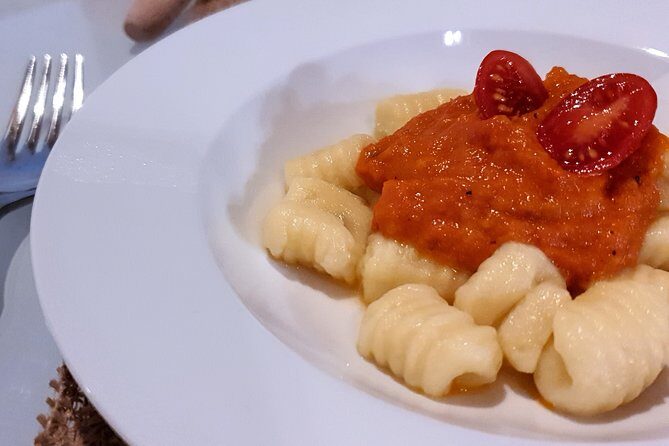
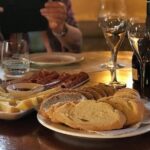
Wine tasting feels better with something in your stomach, and here you get snack pairings included. The listed pairings are bread, olive oil, soppressa salami, and cheese.
That said, I would treat it as a simple tasting snack set, not a full meal. Some visitors have reported receiving mainly breadsticks rather than a large spread, so if you have strong expectations about a full charcuterie plate, adjust your mindset. Your best bet is to use the snacks as palate reset, not a dinner substitute.
Also, do not underestimate how well this snack setup works for learning. When you have a bit of bread and cheese between pours, you are better able to notice the change from one wine to the next.
Price and value: is $34 fair for museum, sensory room, and 4–5 wines?
At $34 per person for about 1.5 hours, this feels like good value—mainly because you are not only paying for wine. You are paying for a structured guided visit that includes:
- the wine museum visit (including the sensory room)
- a wine specialist host
- tastings (either 4 glasses of Lake Garda whites or 5 glasses of Valpolicella reds)
- pairing snacks
On top of that, the experience includes a discount on bottle purchases. If you end up liking what you taste—and people often do, since Amarone tasting is a highlight for many—you can turn the visit into take-home value without hunting for wine elsewhere.
One practical note: transportation is not included, so the real cost depends on how you plan to get there. Still, given the museum-style stops and the number of wines in the flight, the price lands in a sensible range for a guided, multi-stop tasting.
What kind of traveler should book this Verona wine visit
This is a strong fit if you want something more than a basic tasting. I like it for wine lovers who want context: where the wine comes from, how it is made, and what to smell for. The appassimento and barrel-aging explanation makes the whole flight feel purposeful.
It is also a good choice if you value an indoor plan. Verona weather can change fast, and climate-controlled rooms keep the experience comfortable.
But it is not a match for everyone. It is explicitly listed as not suitable for pregnant women, not suitable for children under 18, and not suitable for vegans. Also, some parts may not be easy for people with reduced mobility or disabilities, so check your comfort with stairs/uneven access before you go.
Practical tips to get the most from your 90-minute tasting
Bring a camera. Yes, it sounds basic, but the museum setup and the barrel/aging rooms give you plenty to photograph.
Pick your tasting choice based on what you want to learn. If you are curious about why Amarone and related Valpolicella styles taste the way they do, choose the reds route. If you want something more straightforward and lighter, go with Lake Garda whites.
Finally, go in expecting a guided experience with a host who talks you through both the science and the sensory side. One of the best signals from past visits is how guides make the information stick—using aroma quizzes, engaging explanations, and an upbeat tone.
So, should you book Montresor in Verona?
If you want a structured Verona wine experience—museum + sensory training + aging-room context—then I think Montresor is worth your time. The value comes from the mix of history, process, and tasting, not just the number of glasses.
Skip it if you fall into the stated “not suitable” groups (pregnancy, children under 18, vegan diets), or if mobility limits would make the tour parts uncomfortable for you. If you want a simple outdoor vineyard walk, this may feel too museum-and-room focused.
If your goal is to understand Valpolicella or Lake Garda beyond the first sip, book it and give yourself the full 1.5 hours. It is the kind of stop that makes later wine shopping in Verona feel much more confident.
FAQ
How long is the Montresor winery visit?
The experience lasts about 1.5 hours.
Do I have to taste red wine, or can I choose something else?
You can choose between two tasting options: Valpolicella red wines or Lake Garda white wines.
How many wines are included in the tasting?
If you choose Valpolicella reds, you’ll taste 5 glasses. If you choose Lake Garda whites, you’ll taste 4 glasses.
What snacks are included with the wine tasting?
The included wine-pairing snacks are bread, olive oil, soppressa salami, and cheese.
How do I get to the winery from Verona?
You can reach the winery by taxi from Arena. You can also take bus 21 or 93 from Castelvecchio Castle (opposite the castle entrance). Parking is available at the winery.
Is this tour suitable for children or vegans?
No. It is not suitable for children under 18, and it is also not suitable for vegans.