REVIEW · VERONA
From Verona: Valpolicella Winery Tour with Amarone Vintages
Book on GetYourGuide →Operated by CittàdiLazise · Bookable on GetYourGuide
If you like red wine, this is a smart afternoon. You’ll tour a historic Valpolicella winery, see an icehouse turned aging room for top Amarone vintages, then finish with a guided tasting of local classics. It’s one of the easier ways to understand how this wine country makes its most famous bottles.
What I like most is the hands-on flow: a walk through cellars (including the barrique area) followed by tasting wines that actually match the story you just heard. I also like that you can choose your pace with either a 6-wine tasting or a shorter 3-wine introduction, and you get water and breadsticks with it.
One thing to plan for: transport isn’t included. The winery is about 20 minutes from Verona, and you’ll want a taxi/car setup ahead of time (or ask about a transfer back to Verona Centro).
In This Review
- Key things to know before you go
- Where this Valpolicella winery tour fits in your Verona trip
- Getting to Franchini Agricola: do this before you arrive
- The icehouse aging room: why this stop feels different
- The barrique cellar walk: where refinement happens
- Your tasting menu: choosing 3 wines vs 6 wines
- The 6-wine tasting (more complete story)
- The 3-wine tasting (quick introduction)
- Amarone and Recioto: what you’re actually tasting
- The charcuterie pairing: what to add and how it helps
- Small practical details that make the tour smoother
- Price and value: is $46 a fair deal?
- Who should book this tour (and who should think twice)
- Should you book this Valpolicella winery tour?
- FAQ
- How long is the Valpolicella winery tour?
- Where is the meeting point?
- What wines are included in the 6-wine tasting?
- What wines are included in the 3-wine tasting?
- Is transportation included?
- Does the tour have an English guide?
- Are there any food options on-site?
- Are dogs allowed and is it accessible?
Key things to know before you go
- Icehouse aging room for Amarone vintages: A memorable setting, not just a quick photo stop.
- English live guide: Multiple guides are mentioned by name (Silva, Sophie, Marta, Sonya/Sonia), and the tone is friendly and helpful.
- Two tasting options: Pick the 6-wine set for the full Valpolicella-to-Amarone arc, or the 3-wine set if you’re short on time.
- Barrique cellar visit: You’ll see where the wine spends time refining its character.
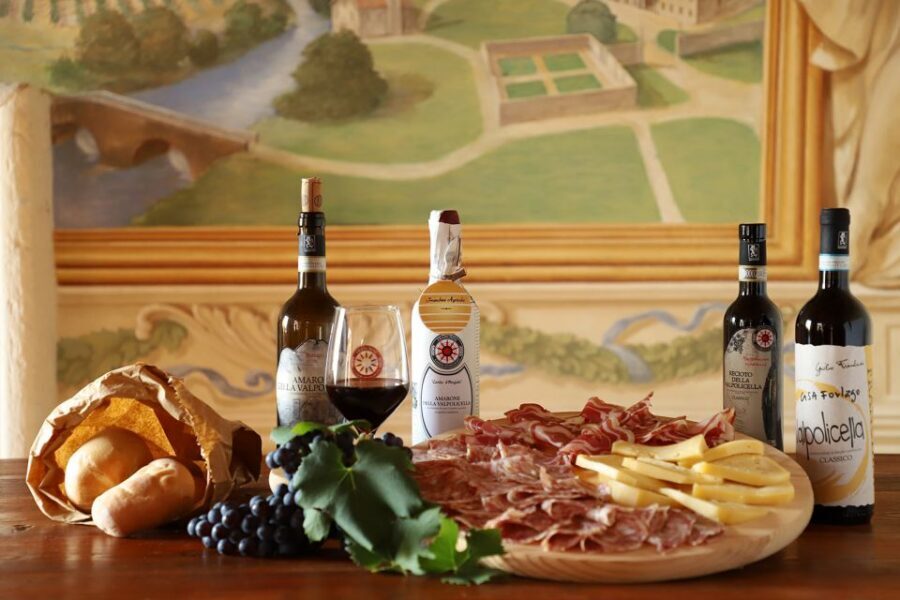
- Food pairing option: You can add a cold cuts and cheeses board for €5 per person.
Where this Valpolicella winery tour fits in your Verona trip
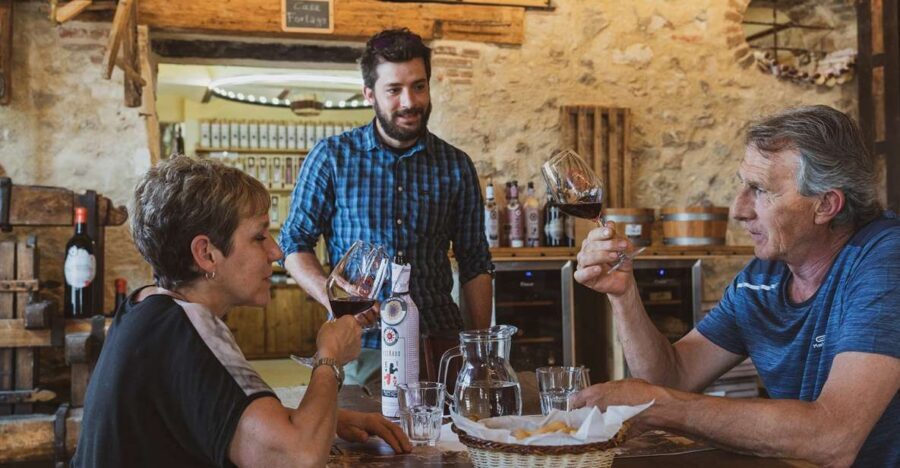
This is a Valpolicella wine tour from Verona designed for people who want something real, but not a full-day bus tour. You’re looking at 1.5 hours, and that time is spent on the actual winery experience: cellar sights first, then tasting.
Valpolicella wines can be confusing until you taste them side-by-side and learn the logic behind the styles. This tour helps because it doesn’t just name wines; it connects them to production steps you’ll see on site, from aging to refining.
If your Verona plan includes dinner later and you still want to feel like you did something wine-country specific, this is a strong match. It’s especially good if you’re curious about Amarone and Recioto, the two names most people recognize, but you want the full context.
Other Amarone wine tours in Verona


Getting to Franchini Agricola: do this before you arrive
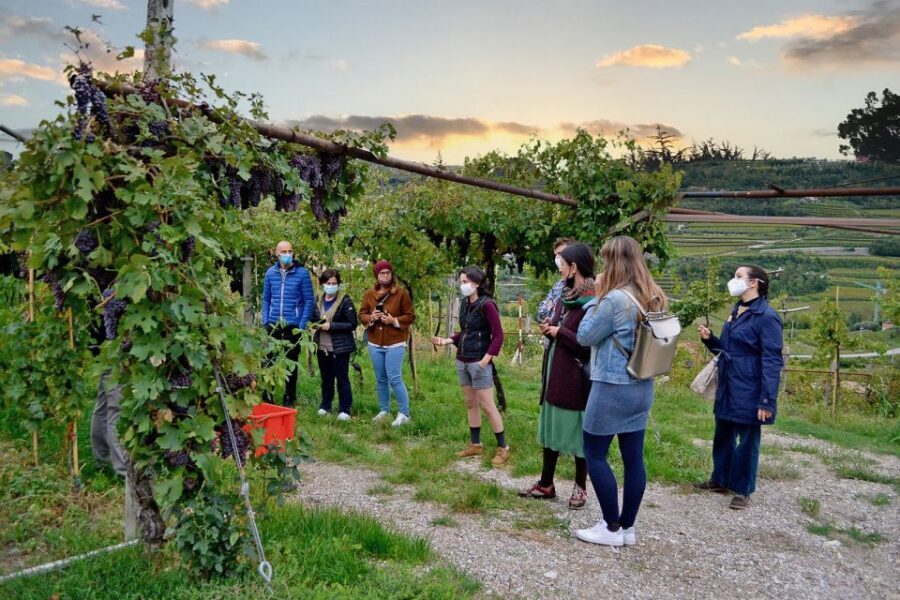
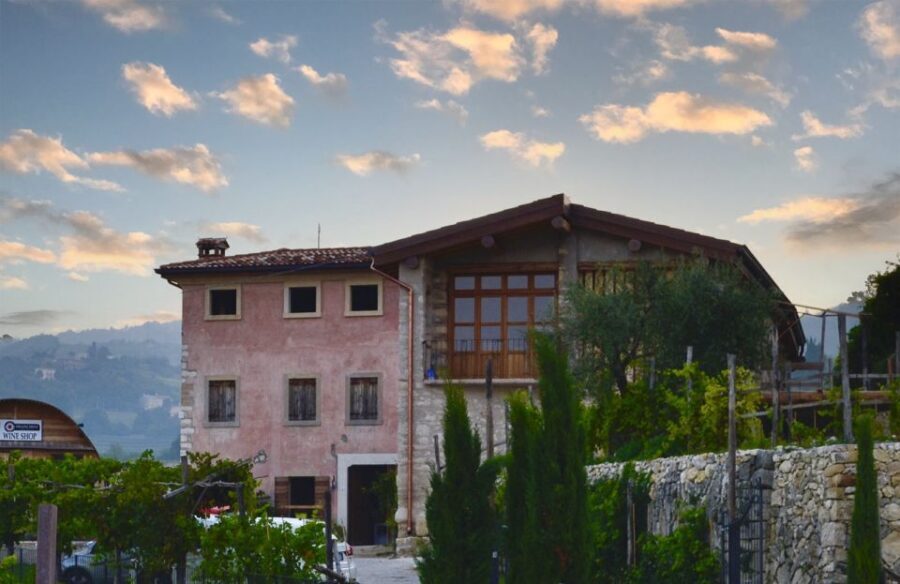
The meeting point is FRANCHINI AGRICOLA, Località Forlago 1, 37024 – Negrar di Valpolicella. The winery is about 20 minutes from Verona by taxi or car, so you’ll want transportation arranged before the tour starts.
Private transport is not included, which matters because it changes how “easy” this feels. If you’re relying on last-minute rides, plan a buffer, especially during busy hours.
Practical tip: the provider says you can also organize a taxi in advance and even plan for Uber, so you’ll have options. They also mention you can ask for transfer from the winery to Verona Centro when you arrive—handy if you’d rather not coordinate the return on your own.
One more detail that helps your timing: the tour starts at the winery, not a central hotel pickup. Build in time to get to the meeting address, park, or meet the guide at the gate area.
The icehouse aging room: why this stop feels different
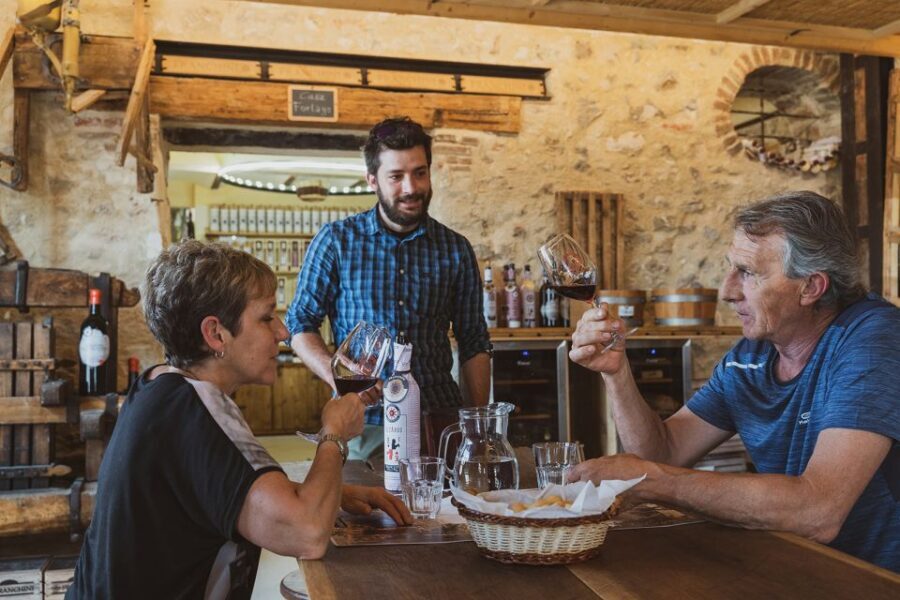
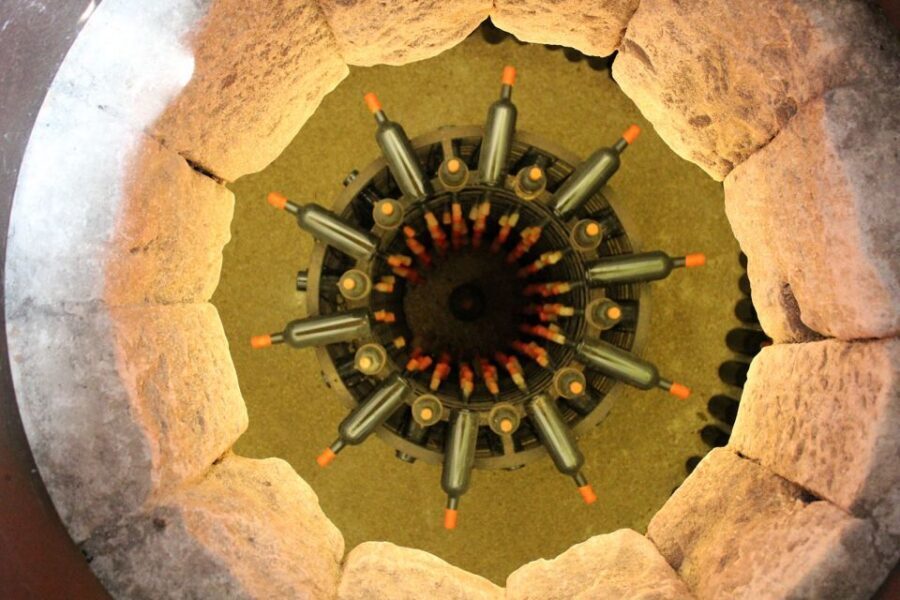
The tour begins with a visit to their icehouse, which has been transformed into an aging room for some of their finest Amarone vintages (described as a prestigious private collection of the estate). This is the kind of place that makes Amarone make sense fast, because you see how the winery treats time like an ingredient.
Icehouses are strongly associated with older wine traditions, and the idea here is simple: controlling conditions helps guide the maturation process. Even if you’re not a wine-nerd, you’ll likely feel the difference between a “pretty cellar” and a cellar built for long-term aging.
What to do during this stop: ask the guide what makes the Amarone process different from the styles you’re about to taste. The best guides (and the reviews mention guides like Silva, Sophie, and Marta) tend to explain the cause-and-effect, not just the steps.
Accessibility note: the tour says it is accessible for people with reduced mobility, but the ice room itself is not. If that affects you, consider asking before you book so you can plan around it.
The barrique cellar walk: where refinement happens
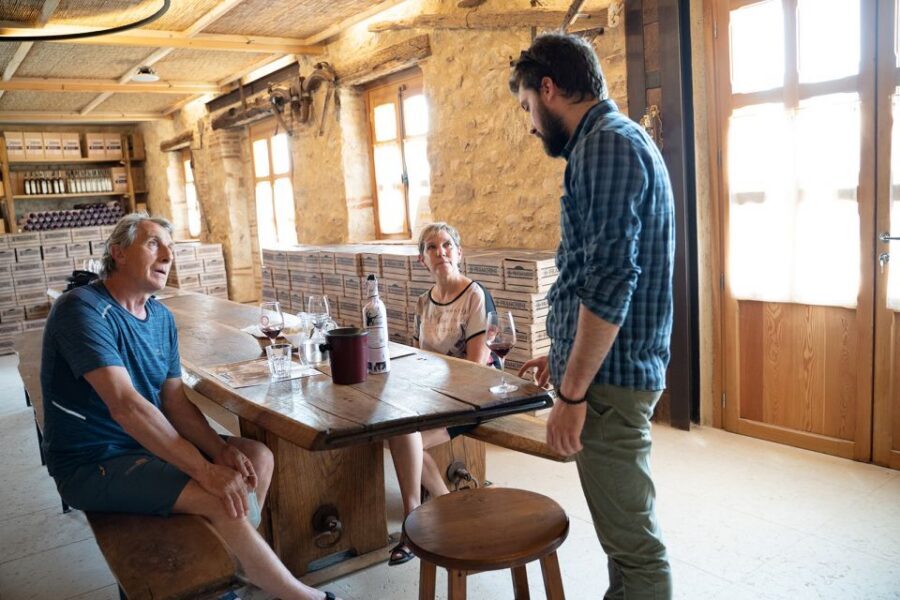
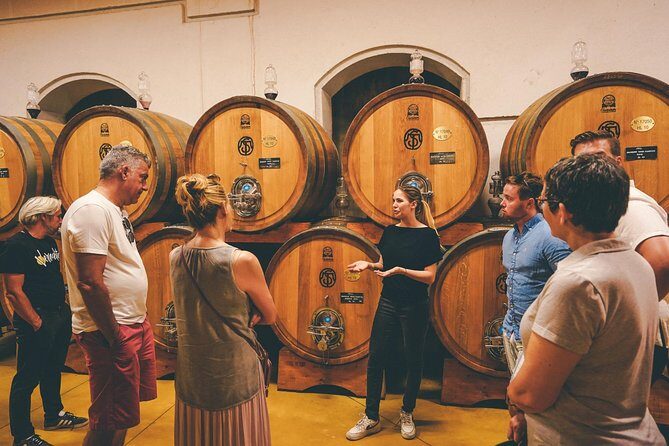
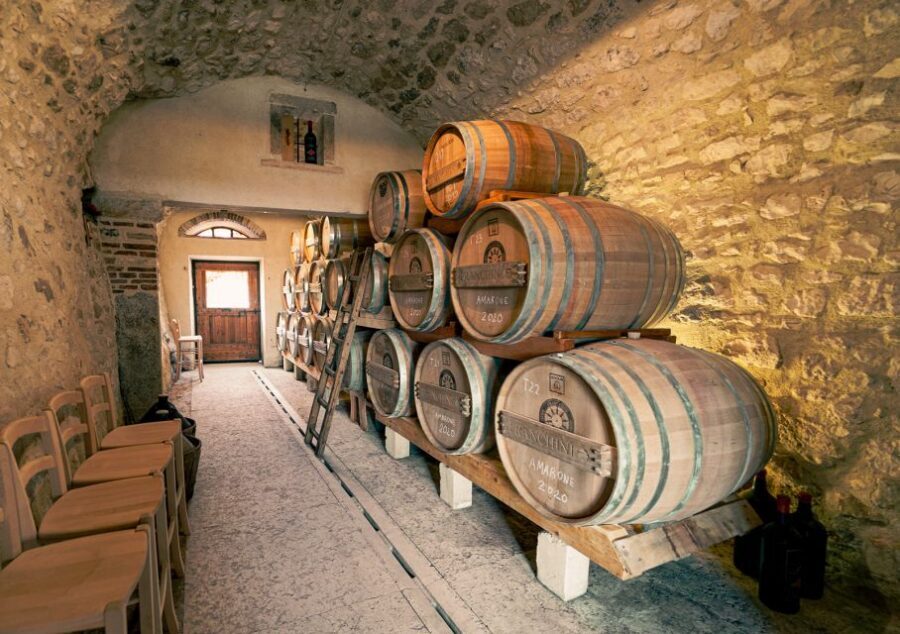
Next comes the barrique cellar, where wines undergo years of careful refinement, developing their distinctive character and depth. Barriques (small oak barrels) are a huge part of modern cellar work in many regions, and the value of this stop is that it puts a production tool in front of you.
You’ll get a guided explanation of the wine-making techniques tied to what you’ll taste next. That’s the part I look for on wine tours: I want the cellar to explain the glass, not just provide a backdrop.
You’ll also be in a place where people take their time—perfect for asking simple questions like:
- What style is this barrel-aging aimed at?
- How does this connect to the final taste in the glass?
- Why do some grapes become Amarone or Recioto instead of a lighter style?
Guides named in reviews include Sophie and Sonya/Sonia, and multiple guests highlight that the host gives a lot of detail and answers questions patiently. That matters because Valpolicella is nuanced, and a good explanation helps your tasting “click.”
Your tasting menu: choosing 3 wines vs 6 wines
This is the heart of the tour, and it’s where your decision changes everything. You get two tasting paths:
Other Valpolicella wine tours in Verona



The 6-wine tasting (more complete story)
You’ll taste 6 Valpolicella wines, listed as:
- Valpolicella Classico DOC
- Valpolicella Classico Superiore DOC
- Valpolicella Ripasso Classico Superiore DOC
- Amarone della Valpolicella Riserva Classico DOCG
- Rosso Verona IGT
- Recioto della Valpolicella Classico DOCG
If you choose this option, you’ll move through styles in a way that feels like a guided learning track: starting with classic Valpolicella, then stepping into richer, more structured variations (Superiore and Ripasso), and ending with the big-name powerhouses—Amarone and Recioto.
This option is ideal if you:
- want to understand how Valpolicella can range from everyday red to cellar-famous concentrated styles
- might buy a bottle and want to compare several labels
- like having enough variety that you don’t feel stuck with one “kind” of wine
The 3-wine tasting (quick introduction)
You’ll taste 3 wines:
- Valpolicella Classico DOC
- Valpolicella Classico Superiore DOC
- Amarone della Valpolicella Riserva Classico DOCG
This one is a good choice if you’re short on time or you mostly care about Amarone-adjacent styles. But it does mean you’ll miss Ripasso, Recioto, and Rosso Verona IGT.
If you’re deciding between the two, I’d use this rule:
- Pick 6 wines if you want the region’s “full range” in a compact time.
- Pick 3 wines if you want a clean, simple path to Amarone without extra labels.
Either way, water and breadsticks are included, so you’re not just tasting wine in a vacuum. It helps keep the tasting experience comfortable and lets the flavors stay clearer.
Amarone and Recioto: what you’re actually tasting
Most people recognize Amarone and Recioto by reputation, but the differences are easier when you taste them in the same setting. This tour sets you up to compare how the winery treats these styles and why they taste the way they do.
Amarone della Valpolicella Riserva Classico DOCG is the serious one on the menu. It’s also the style most connected to that icehouse aging-room stop, since Amarone vintages are specifically referenced for the aging collection you’ll see.
Recioto della Valpolicella Classico DOCG comes after in the tasting list (if you choose 6 wines). Recioto tends to feel different—more about sweetness and richness—so it’s a nice contrast to the drier red styles you’ll have earlier. Even if you don’t love sweet wines, this is the moment to test your palate.
And then there’s Ripasso, included in the 6-wine set. Ripasso is often the “bridge” for people who want richer Valpolicella without jumping straight to the heavyweights. The tour’s structure helps: you see techniques in the cellar, then you get the glass right after.
The charcuterie pairing: what to add and how it helps
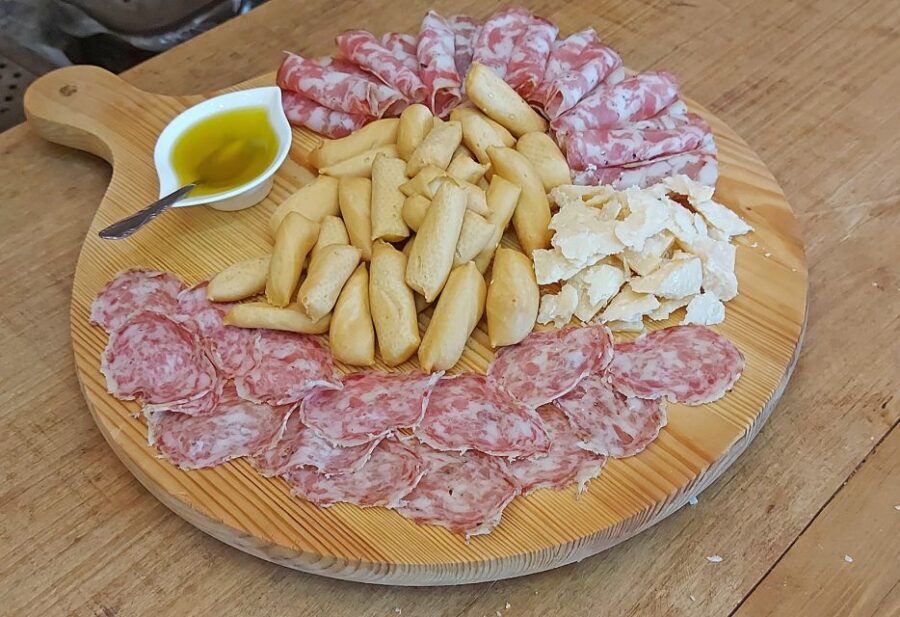
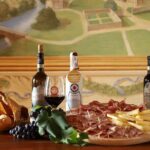
The highlights mention pairing with a gourmet board of charcuterie, and the details confirm you can buy a cold cuts and cheeses board for €5 per person once you’re at the winery.
This matters more than people think. Wine tasting can turn into a solo event where everything tastes similar by the end. Salt, fat, and savory flavors reset your palate and make it easier to notice differences between Classico, Superiore, Ripasso, Amarone, and Recioto.
If you’re choosing between 3-wine and 6-wine tasting, adding the board can make the shorter option feel more like a complete experience. It’s also a nice way to slow down if the 1.5 hours leaves you wanting more.
One review note: a guest said getting the aperitivo plates made a major difference, helping the tasting feel better with food. That lines up with what this pairing does in your mouth—especially with richer reds.
Small practical details that make the tour smoother
A few setup points can help you enjoy this without stress:
- Bring a plan for the return trip. Private transport isn’t included, but a transfer to Verona Centro can be requested when you arrive.
- Wear shoes you’re comfortable with in a working winery area. This isn’t listed as rough terrain, but it is a cellar-and-hills environment.
- If you’re traveling with kids, one review specifically notes the host was kind with children, which suggests the tour can work for families.
- Dogs are allowed.
Also, English is confirmed for the live guide. Reviews repeatedly praise guides for being friendly and able to answer questions, including names like Silva, Sophie, Marta, and Sonya/Sonia. That’s a good signal if you want more than “drink, nod, move on.”
One additional interesting note from a review: there was mention of a recently discovered Roman villa that could be visitable soon. That doesn’t change your booking basics, but it’s the kind of local detail that makes this region feel extra layered.
Price and value: is $46 a fair deal?
At $46 per person for 1.5 hours, this sits in the “good value for a winery tasting” range, as long as you pick the option that matches your goal.
Here’s why the value feels reasonable:
- You’re paying for a guided visit through meaningful parts of the winery (icehouse aging room and barrique cellar).
- You receive a structured tasting with water and breadsticks included.
- If you choose the 6-wine tasting, you get a wide spread: Classico, Superiore, Ripasso, Amarone Riserva, Rosso Verona IGT, and Recioto.
What can make it feel less like a steal is the transport factor. Since private transport isn’t included, the full cost depends on how you get there. If you’re coming from Verona by taxi anyway, it’s usually manageable. If you’ll spend a lot more than expected on rides, consider whether the shorter 3-wine option is enough for you.
If you’re someone who likes to buy a bottle at the end, the tasting quantity matters. With 6 wines, you have more chances to find a style you love—then you’ll likely spend the money you planned to spend.
Who should book this tour (and who should think twice)
This fits best if you:
- want a compact Valpolicella winery experience while based in Verona
- care about Amarone and want it explained in context, not just tasted
- enjoy structured tastings where the cellar story connects to the glass
- like the idea of comparing styles from Valpolicella Classico through Ripasso to Amarone and Recioto
Think twice if:
- you’re only interested in one style and you hate spending time on comparisons (then the 3-wine option is likely your better fit)
- you need guaranteed wheelchair access through all rooms (the ice room isn’t accessible, according to the provided information)
- you don’t want to coordinate transport at all (because private transport isn’t included)
Should you book this Valpolicella winery tour?
Yes, if you want a well-timed, cellar-focused wine tasting that teaches you what you’re drinking. The standout advantage is the tour flow: icehouse aging room for Amarone vintages, then the barrique cellar, then the tasting that includes both classic Valpolicella styles and the big DOCG names.
If you’re on a tighter schedule or only want a quick intro, choose the 3-wine tasting. If you want the full “Valpolicella range” and better odds of finding a bottle you’ll actually want, choose the 6-wine tasting and consider adding the €5 charcuterie board.
One more smart move: plan your ride ahead of time. Once you handle that, this becomes the kind of Verona add-on that feels like it belongs in the story of your trip.
FAQ
How long is the Valpolicella winery tour?
The tour duration is 1.5 hours.
Where is the meeting point?
The meeting point is FRANCHINI AGRICOLA, Località Forlago 1, 37024 – Negrar di Valpolicella.
What wines are included in the 6-wine tasting?
The 6-wine option includes Valpolicella Classico DOC, Valpolicella Classico Superiore DOC, Valpolicella Ripasso Classico Superiore DOC, Amarone della Valpolicella Riserva Classico DOCG, Rosso Verona IGT, and Recioto della Valpolicella Classico DOCG. Water and breadsticks are included.
What wines are included in the 3-wine tasting?
The 3-wine option includes Valpolicella Classico DOC, Valpolicella Classico Superiore DOC, and Amarone della Valpolicella Riserva Classico DOCG. Water and breadsticks are included.
Is transportation included?
No private transport is included. The winery is about 20 minutes from Verona by taxi or car, and you can request a transfer back to Verona Centro when you arrive.
Does the tour have an English guide?
Yes, there is a live tour guide in English.
Are there any food options on-site?
Water and breadsticks are included with the tasting. You can also buy a cold cuts and cheeses board on-site for €5 per person.
Are dogs allowed and is it accessible?
Dogs are allowed. It is stated to be accessible for people with reduced mobility, but the ice room is not.