REVIEW · VERONA
Valpolicella Wine Experience at Montresor winery
Book on Viator →Operated by Ways · Bookable on Viator
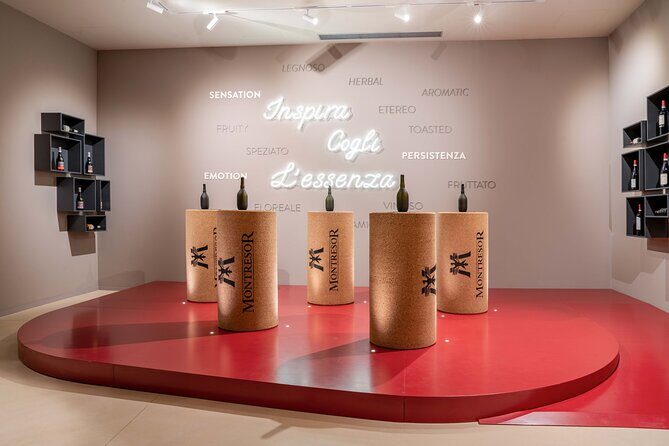
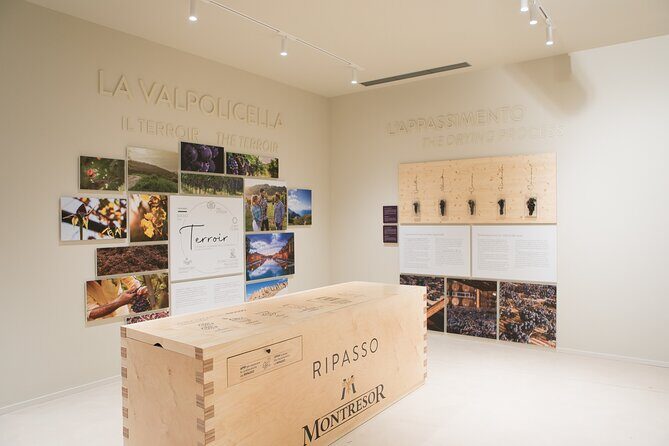
This wine tour plays detective with your nose. At Cantine Giacomo Montresor, you start in a wine museum with a virtual farmer explaining how vineyards and cellar work evolved, then you move into the sensory room for an interactive aroma game. After that, you finish with a guided tasting that can focus on classic Valpolicella or a vertical line-up of Amarone.
I love that it’s built for all levels: there’s enough structure to learn what to look for, but nothing feels like a test. I also like how the tasting is paired with practical local bites, so you taste wine the way it’s actually meant to be enjoyed in Verona.
One possible drawback: the pours can feel on the small side, and if you get serious about a bottle afterward, the in-house prices may sting a bit. If you use a wheelchair or need step-free routes, ask ahead too, since some parts may not be easy to access.
Why this Montresor visit feels worth your 35 dollars
- Museum first, tasting second, so you understand what you’re drinking
- Sensory aroma game that trains you to pick out notes like black cherry and cocoa
- Two clear tasting paths: Valpolicella-focused set or a vertical Amarone DOCG experience
- Central Verona access, with easy options by bus or taxi
- Small-group feel (max 20) led by a wine specialist host
In This Review
- Entering the Cantine Giacomo Montresor museum experience
- Verona logistics: getting there without a hotel car
- Virtual farmer to barrique room: how the tour sets you up to taste better
- The sensory room aroma game: your shortcut to tasting notes
- Two tasting routes: Valpolicella classic set or vertical Amarone DOCG
- Option 1: Classic tasting with Valpolicella and Amarone expressions
- Option 2: Vertical tasting of Amarone DOCG
- Snacks and pairings: why the local bites matter
- Price and value: is $35 a fair deal?
- Who should book this Montresor tasting (and who should consider another style)
- My booking checklist: how to make this tour work for your day
- Should you book the Valpolicella Wine Experience at Montresor?
- FAQ
- Where does the experience start and end?
- How long is the wine experience, and is it offered in English?
- What tasting options can I choose?
- What’s included in the ticket price?
- Do I need hotel pickup or transportation is included?
- Can I cancel for a full refund?
Entering the Cantine Giacomo Montresor museum experience
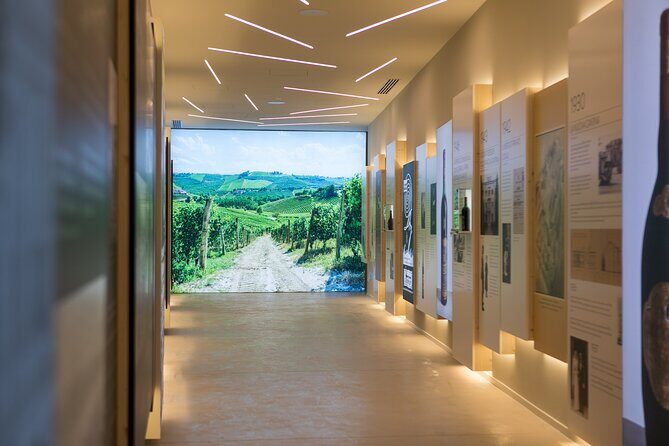
The Montresor experience starts at the winery museum in Verona (Cantine Giacomo Montresor, Via Ca’ di Cozzi, 16). The idea is simple: you don’t just get wine dumped into a glass. You get a story that connects the vineyard to what ends up in the bottle.
The museum presentation includes a virtual farmer who walks you through how vineyard and cellar practices have changed over time. That matters because Valpolicella and Amarone aren’t just about “a red that tastes good.” They’re about time, technique, and how grapes are handled.
You’ll also hear how the winery’s roots connect to Verona itself. It gives the place context fast, which is especially helpful if you’re in town for a short visit and don’t want to spend your day chasing background in guidebooks.
Then you transition into cellar learning in the barrique room, where the emphasis shifts to how wine structure and complexity develop as it matures. Even if you don’t speak “wine nerd,” you’ll get the logic: different techniques create different textures and flavors, and you’ll see those differences later in the glasses.
Verona logistics: getting there without a hotel car
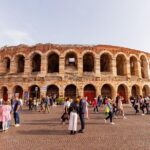
This is one of those wine stops that’s actually doable even if you’re staying in the city center. The meeting point is near public transportation, and you have multiple ways to get there.
Here are the practical options given for this experience:
- Taxi is about 15 minutes from Arena
- Bus route 21 or 93 from Castelvecchio Castle (opposite the castle entrance)
- Parking is available at the winery
Because the experience is about 1 hour 30 minutes, getting stuck in transit can wreck the day. So I like that this isn’t stuck out in the countryside with no easy connection. You can keep your Verona plan intact, then return to sightseeing right after the tour ends back at the meeting point.
Also note the format: you’ll receive a mobile ticket, and the tour is offered in English. That helps a lot if you’re traveling with friends who don’t want to manage translation headphones.
Other Valpolicella wine tours in Verona

Virtual farmer to barrique room: how the tour sets you up to taste better
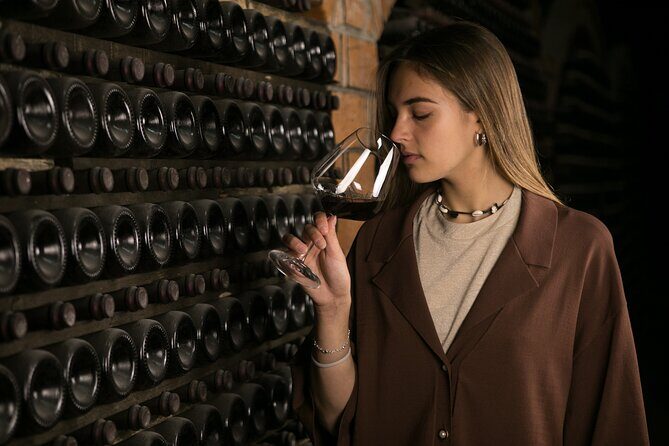
What makes this tour work is the pacing. You learn first, then you taste with a clearer checklist in your head.
In the early museum portion, the virtual farmer helps you understand what changes from season to season and from one stage of winemaking to the next. You’re not memorizing dates—you’re building intuition for why certain flavor notes show up later.
Next comes the barrique room, where you explore how wine develops structure and complexity as it matures. This is where the tour becomes more than a pretty presentation. It’s the “why” behind the “what.” When you later taste, you’ll have a mental map for:
- Body and weight (how the wine sits on your palate)
- Complexity (how many layers you notice)
- Character (the dominant notes and the finish)
In other words, you’re being taught to taste, not just being served wine.
The sensory room aroma game: your shortcut to tasting notes
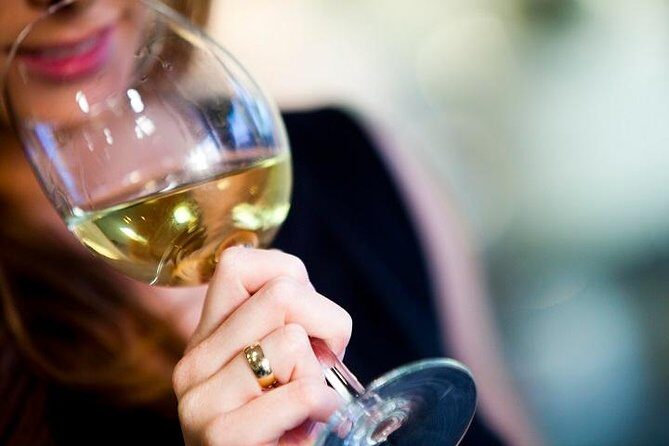
If you only remember one part of this experience, make it the sensory room. This is an interactive aroma game where you test your nose and try identifying common wine notes.
The notes called out include black cherry, cocoa, licorice, and floral essences. That list is useful because it’s specific. You’re not guessing “fruity.” You’re learning how to recognize a particular style of fruit, spice, and sweetness.
Here’s how I’d use this part of the tour if you want it to pay off during the tasting:
- Smell, then pause, then smell again. Fresh impressions matter.
- Don’t chase one note too hard; look for a cluster.
- Try to connect what you smell to what you taste later (cherry-like fruit, cocoa-like dryness, licorice-like depth, floral lift).
It’s one of the reasons wine beginners often enjoy this tour so much: it gives structure without being intimidating. And it’s one of the reasons experienced wine lovers like it too: you get to train your own perception, not just listen to facts.
Two tasting routes: Valpolicella classic set or vertical Amarone DOCG
This is where you make the key decision. You choose between two tasting options—one focused around Valpolicella, and one focused on Amarone.
Option 1: Classic tasting with Valpolicella and Amarone expressions
The standard tasting pours five glasses in a set that includes:
- Lugana (white)
- Valpolicella Classico
- Valpolicella Ripasso
- Amarone
- Amarone Satinato
Even though it’s often described as a Valpolicella red tasting experience, this set includes Lugana, so you get a white introduction before the reds. That can be a smart move if you’re tasting multiple wines—you reset your palate quickly and then compare the structure of the reds.
What you’re doing here is tasting several personalities from the broader Verona region. Classico and Ripasso show different ways of expressing the Valpolicella style, while Amarone and Amarone Satinato add intensity and texture through their aging and production approach.
Other vineyard and winery tours in Verona
Option 2: Vertical tasting of Amarone DOCG
For something more dramatic, you can choose the vertical tasting of Amarone DOCG. This experience includes five different expressions of Amarone DOCG, letting you see how the wine’s body, intensity, and complexity evolve over time.
Vertical tastings are great when you want to understand aging beyond slogans. Instead of thinking Amarone is one flavor profile, you taste the way time changes it—what gets softer, what gets more integrated, and what shifts on the finish.
This option is also paired with local cured meats and cheese, so the tasting isn’t floating in isolation. It’s easier to pick up how the wine handles salt, fat, and savory aromas.
Snacks and pairings: why the local bites matter
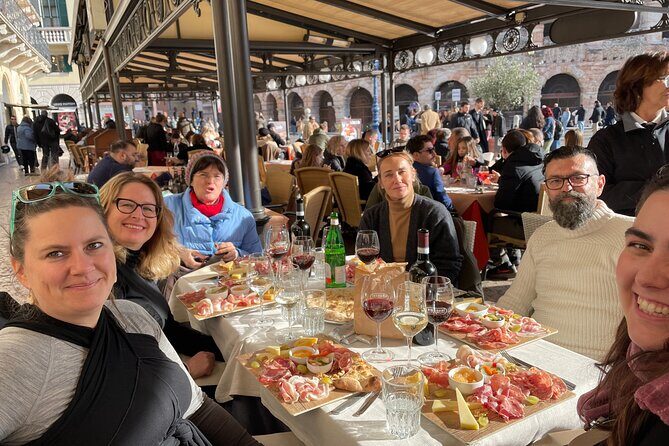
Food here is not an afterthought. The tour includes local snacks such as bread, olive oil, soppressa salami, and cheese. That combination is practical: it helps you taste wine with context.
For the Valpolicella-style set, the cured meats and cheese (plus the bread and olive oil) give you savory anchors. For the vertical Amarone experience, the pairing is especially helpful because Amarone can be intense—spiced fruit, warmth, and deeper notes. When you pair it with salty, cured flavors, the wine reads clearer instead of overpowering your palate.
The pairing logic also helps you avoid a common tasting mistake: drinking wine in a vacuum. By the time you get to the fifth pour, you’re still able to taste differences rather than just reacting to alcohol warmth or sweetness.
One more practical note: some visitors have felt the pours are smaller than expected. If you’re the kind of person who wants to leave with a buzz, plan for that mentally. The value is more about the guided comparisons than the quantity.
Price and value: is $35 a fair deal?
At $35 per person, this is positioned as an affordable-intro wine experience that still feels thoughtfully structured. You’re paying for more than wine: you’re paying for the museum visit, the sensory aroma room, a wine specialist host, snacks, and either a five-glass tasting set or a five-pour Amarone vertical.
There’s also a discount on bottle purchases, which can improve the math if you find something you truly want to take home. And because the tour ends back where it started, you’re not paying indirectly for a long day of transport and logistics.
That said, one caution shows up in feedback: after the tasting, bottle prices can feel high. So I’d treat the purchase discount as a helpful bonus, not a guarantee that you’ll find a bargain. If you’re hoping to buy, decide in advance:
- Are you buying one bottle you love, or stocking a case?
- Do you want a “souvenir bottle,” or are you planning based on budget?
If you go in with that mindset, the $35 feels like a solid deal for the learning and guided tasting flow.
Who should book this Montresor tasting (and who should consider another style)
This experience fits best if you fall into one of these categories:
- Wine lovers at any level. The museum and aroma game teach you what to notice without demanding technical vocabulary.
- People who like structure. You’ll have a clear sequence: museum story, sensory training, then tasting.
- Amarone fans who want comparison. The vertical format makes it easier to understand how Amarone changes over time.
It may be less ideal if:
- You’re expecting big pours and a party-like volume. The format is designed for tasting and learning, not heavy drinking.
- You have mobility constraints. Some parts may be hard to access, so it’s smart to ask ahead before you commit.
I also think it works well for groups of friends because the max group size is 20, which tends to keep questions possible without slowing the pace too much.
My booking checklist: how to make this tour work for your day
Before you book, I’d do a quick mental check:
- Pick the tasting path that matches your mood: Valpolicella variety or vertical Amarone
- If you’re pairing this with other Verona plans, remember it’s about 1 hour 30 minutes and returns to the starting point
- Bring your curiosity, not your wine vocabulary. The sensory room is designed to help you catch notes by smell
If you get the timing right, you can turn this into a half-day highlight: morning or afternoon learning, then back out to Verona’s streets with a better sense of what you just tasted.
If weather throws a wrench, refunds may not be fully guaranteed in every adverse scenario, so keep a little flexibility in your schedule.
Should you book the Valpolicella Wine Experience at Montresor?
Book it if you want a Verona wine experience that’s hands-on and guided, not just a stop where you drink and move on. The combination of the museum story, the barrique room explanation, and the sensory aroma game makes the tasting feel earned. And if you love Amarone, the vertical DOCG option is a strong reason on its own.
Skip it or look closer at alternatives if you mainly want quantity, or if mobility access is a concern. Otherwise, at $35 for a structured 1.5-hour visit with snacks and a guided tasting, it’s a practical value play—especially if you like learning why wines taste the way they do.
FAQ
Where does the experience start and end?
It starts at Cantine Giacomo Montresor, Via Ca’ di Cozzi, 16, 37124 Verona VR, Italy, and it ends back at the same meeting point.
How long is the wine experience, and is it offered in English?
The tour lasts about 1 hour 30 minutes (approx.) and it’s offered in English.
What tasting options can I choose?
You can choose between two tasting options: a classic tasting featuring five Valpolicella/related expressions, or an Amarone vertical tasting featuring five different expressions of Amarone DOCG.
What’s included in the ticket price?
The ticket includes the Wine Museum visit (including the Sensory Room), a wine specialist host, local snacks (bread, olive oil, soppressa salami, and cheese), and either the Valpolicella set (5 glasses) or the Lake Garda white tasting (4 glasses), depending on what you select.
Do I need hotel pickup or transportation is included?
Hotel pickup and drop-off are not included. You can reach the winery by taxi (about 15 minutes from Arena) or by bus 21 or 93 from Castelvecchio Castle, and parking is available at the winery.
Can I cancel for a full refund?
Yes. You can cancel up to 24 hours in advance for a full refund. If you cancel less than 24 hours before the start time, the amount paid is not refunded.