Verona sounds better when a local explains it. In just 2 hours, Fabio Massimo Rapanà guides you from the Arena’s Roman spectacle to quieter squares and Adige views, with headsets so you can hear every story without strain. I love how his route mixes famous highlights with overlooked corners, and I love how he explains why each place looks the way it does. One possible drawback: it’s still a walking tour, so if you’re not comfortable on uneven old-stone streets, you’ll want to pace yourself.
You meet at the Town Hall in Piazza Bra (look for the Italian flag) and you’ll move through the city rain or shine. Expect a tight, story-led loop that covers Ancient Rome into the medieval era, plus big moments tied to Shakespeare—while keeping the pace friendly for a small group.
In This Review
- Key points worth your time
- Why Two Hours Feels Like a Whole Orientation
- Meeting in Piazza Bra: Setting the Tone (and the Pace)
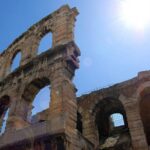
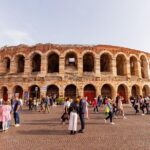
- From Piazza Bra to the Arena: Rome’s Most Dramatic Reminder
- Roman Gates and the Old Wall Trace: Seeing the City’s Framework
- Riva San Lorenzo and the Adige Views: A Break from the Straight-Line Sights
- Piazza delle Erbe: The Market Square as a Living Time Capsule
- Piazza dei Signori: Where Medieval Verona Flexed Its Power
- Santa Anastasia and the Scaligero Route: Architecture With a Mission
- Juliet’s House, the Courtyard Market, and the Side-Street Timing
- Sinagoga di Verona and the Servants of Mary Stop: Verona Beyond the Usual Loop
- Via Dietro Anfiteatro and the Final Return to Piazza Bra
- What the Reviews Prove (Without Needing to Quote Anyone)
- Price and Value: Is $41 Worth It?
- Who This Tour Fits Best
- Should You Book This Verona Walk?
- FAQ
- How long is the guided walking tour?
- Where do I meet the guide?
- What’s included in the price?
- Is the tour a small group or a large group?
- Will the tour run in bad weather?
- What language options are available?
- Is the tour accessible for wheelchairs?
- What should I bring?
- Do I need to pay for museum or site entries?
Key points worth your time
- Fabio Massimo Rapanà’s storytelling ties streets and buildings to the bigger timeline of Verona
- Headsets make noisy squares and busy corners easier to follow
- Small group size (up to 10) keeps the walk personal and question-friendly
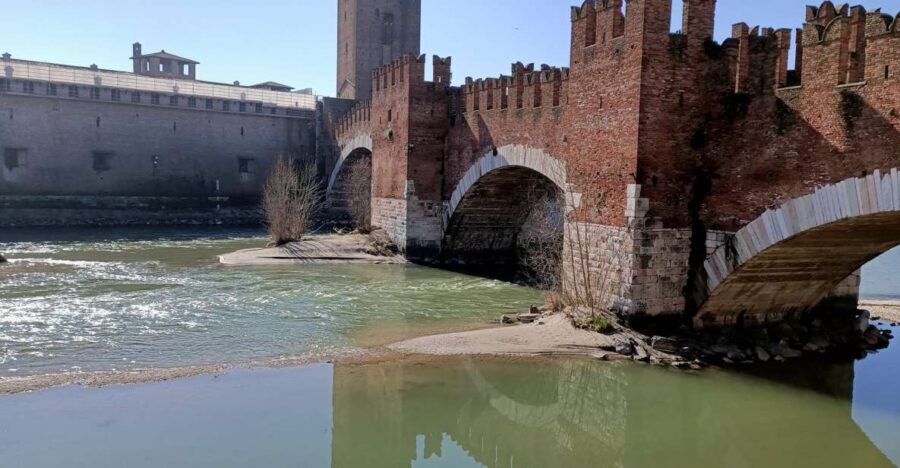
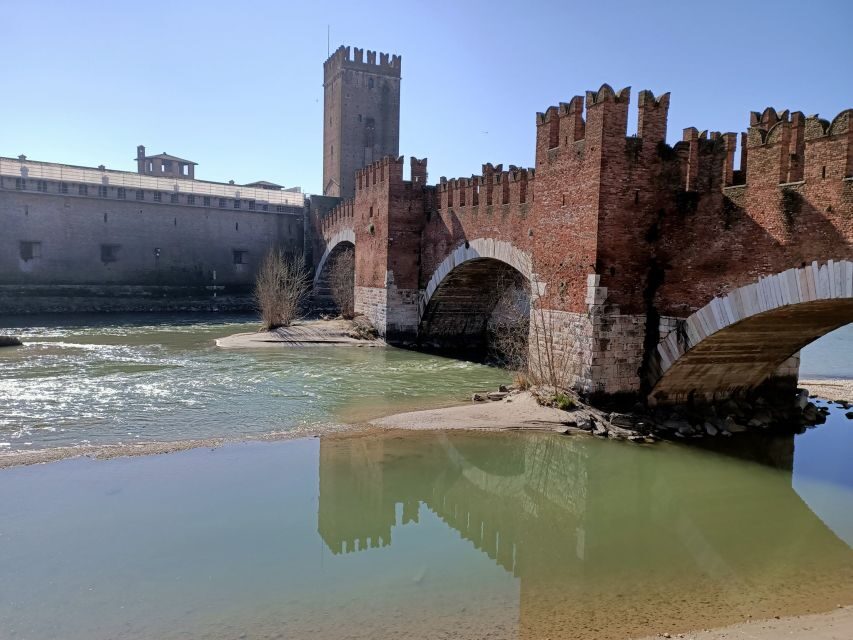
- Adige River and Ponte Scaligero viewpoints give you a fresh angle beyond the postcard stops
- Roman gates to medieval power squares lets you see how Verona grew and ruled
Why Two Hours Feels Like a Whole Orientation
Verona can fool you. You see the big sights, snap a few photos, and feel like you’ve covered it. Then the next day you realize you walked right past half the city without noticing why anything matters.
That’s what this tour fixes. It’s designed as a short, guided circuit that connects the dots: Roman Verona, medieval Verona, and the Verona people still point to today. The result is that your second stroll through town starts making sense fast. You don’t just see places—you understand how they relate.
The small group format helps too. With a group capped at 10 and a licensed local guide, the tour doesn’t feel like a line of tourists shuffling behind a flag. You can ask questions, and you’re not constantly being squeezed into gaps.
Price-wise, $41 for 2 hours includes a fully licensed guide, headsets, and a route optimized for storytelling. That’s the value piece: you’re paying for interpretation, not just for walking from point A to point B. Entries aren’t included, but the tour still helps you choose what to do next with your own time.
Other Verona walking tours we've reviewed in Verona
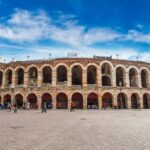

Meeting in Piazza Bra: Setting the Tone (and the Pace)
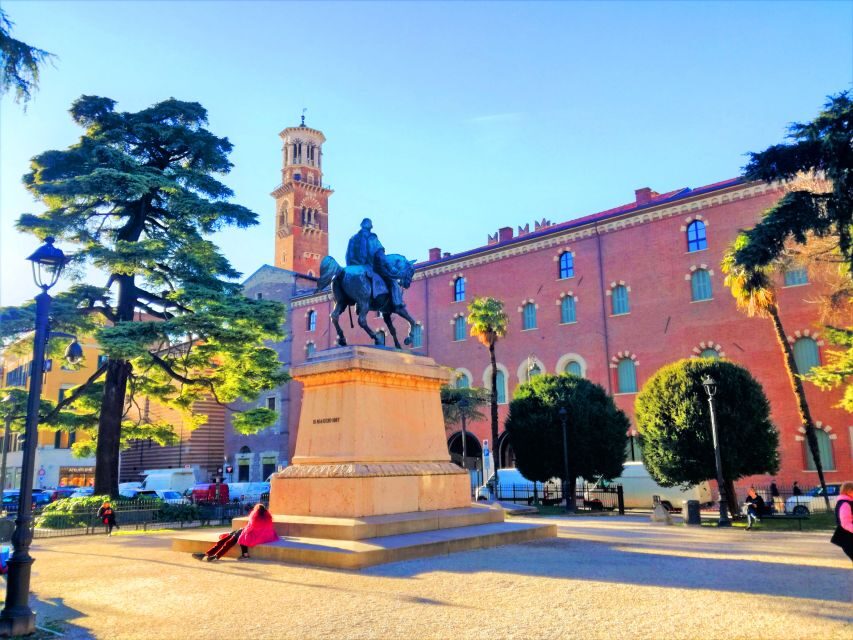
You start at Palazzo Barbieri – Comune di Verona, standing below the Italian flag in Piazza Bra. This is a smart meeting spot because it anchors the tour in the city center and keeps the first minutes efficient.
From the start, the approach is practical. You get a clear plan, you’re given headsets, and you begin with the most iconic Verona landmark—the Arena. Then the guide gradually tightens your attention on smaller visual details: stone textures, arches, street alignments, and the way squares are laid out.
Tip: wear comfortable shoes and bring water. Verona’s walkways are classic old-town stone, and the itinerary hits several open squares where you’ll want to stay hydrated.
From Piazza Bra to the Arena: Rome’s Most Dramatic Reminder
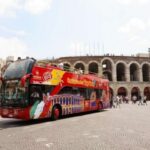
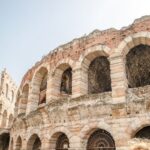
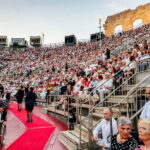
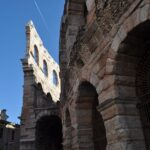
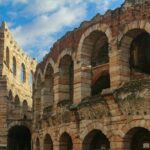
The tour first lands at Verona Arena for a photo stop. Even if you’ve seen it online, seeing it up close makes a difference. It’s the kind of structure that instantly suggests power and crowd energy.
The guide explains the Arena’s role in the city—gladiator battles and the spectacle culture that made the Roman Empire feel larger than life. And because you’re there early in the walk, you set a mental baseline: you understand what Roman Verona looked like before you start moving outward into later periods.
What I like here: the Arena doesn’t get treated as a standalone stop. The story feeds into what you’ll see next—Roman infrastructure, fortification lines, and gates that show up later in your route.
Roman Gates and the Old Wall Trace: Seeing the City’s Framework
After the Arena, you’ll follow what the tour frames as traces of early medieval city walls and reach Corso, one of the oldest streets. This is where the walk starts teaching you how Verona is organized.
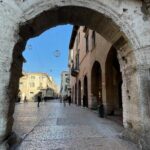
Then comes Porta Borsari, another Roman-era landmark with a photo stop and short visit. Roman gates are useful for understanding a city because they show you where movement was controlled and where the city’s boundaries sat. Porta Borsari also gives you something visual to compare as you continue: you start noticing how later medieval streets and squares reused, modified, or redirected that Roman skeleton.
You’ll also pause for quick stops that the guide uses to slow you down just enough to notice details. One of the Roman-era pieces referenced in the tour description is Porta Jovia—a monument from the Roman period that helps connect the dots between the early layers.
If you like architecture even a little, this section is where the tour starts rewarding your attention.
Riva San Lorenzo and the Adige Views: A Break from the Straight-Line Sights
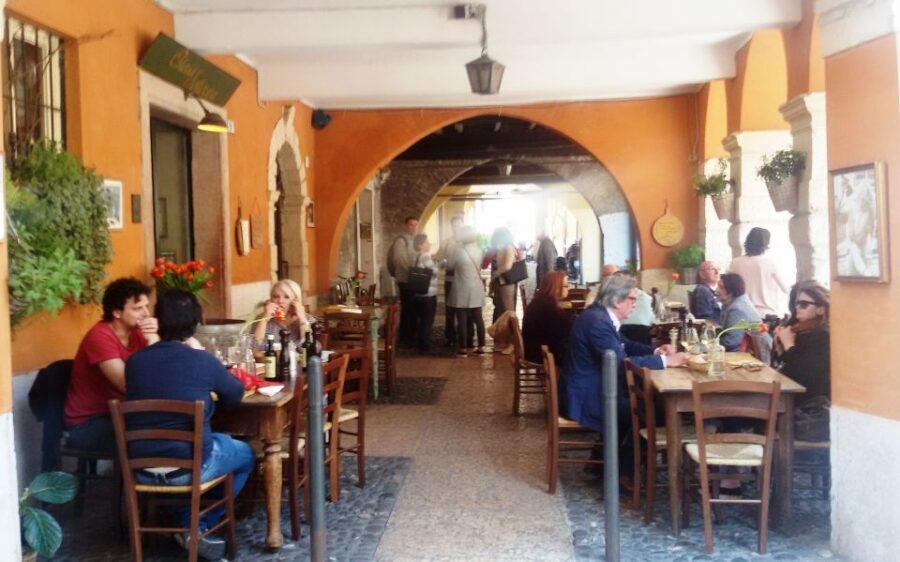
Next you head toward Riva San Lorenzo, with a scenic stop and views on the way. This is where Verona changes mood.
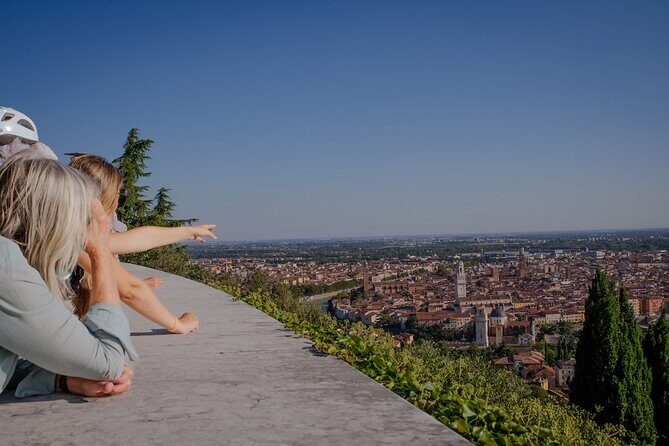
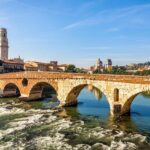
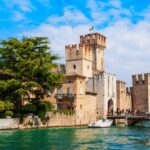
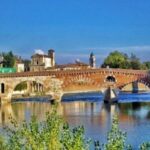
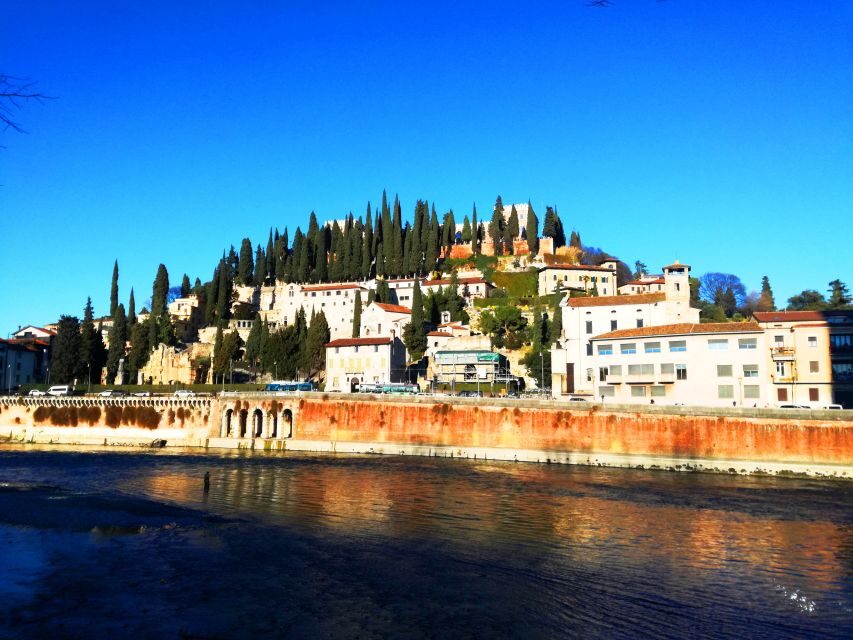
Seeing the Adige River and getting your eyes oriented to how water cuts through the city adds context. Verona isn’t just a collection of buildings; it’s a city shaped by a major river corridor. The tour also highlights viewpoints tied to Ponte Scaligero and the nearby Castelvecchio area, so you understand why these places look the way they do and why people cared about controlling crossings.
Even for non-history fans, river views do something important: they give your brain a reference point. After this, the medieval squares and towers feel less random and more connected.
Other hidden gems and off-the-beaten-path tours in Verona
Piazza delle Erbe: The Market Square as a Living Time Capsule
When the tour reaches Piazza delle Erbe, you get a photo stop plus time to linger. This is one of Verona’s most central public spaces, and the guide treats it like an everyday stage where power and commerce mixed.
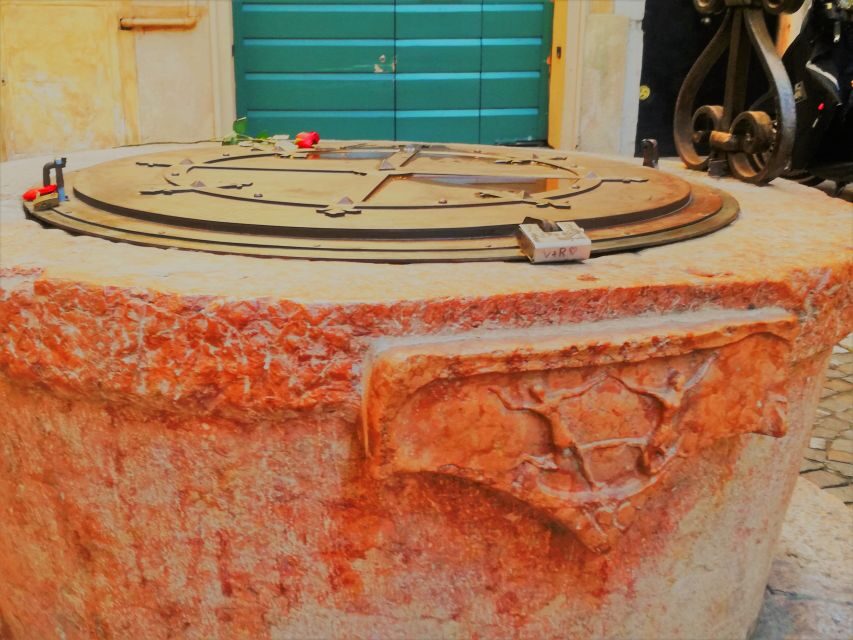
A standout detail mentioned in the tour description: you’ll see the oldest fountain in the city. That’s the kind of fact that makes a square feel real. It’s not just pretty façades—there’s a specific continuity of public life here.
You’ll also learn about the local market history and admire historic townhouse façades. This part matters because it explains Verona as a place where ordinary life mattered alongside rulers and soldiers. In other words: you’re not only learning about battles and big monuments—you’re seeing how people gathered, traded, and built community.
Piazza dei Signori: Where Medieval Verona Flexed Its Power
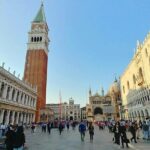
Next comes Piazza dei Signori for photos, views, and short visits that include major palace buildings like Palazzo della Ragione, Palazzo Della Scala, and Palazzo del Capitano.
This is a good section for anyone who likes to read a city by its buildings. These palaces make it obvious that medieval Verona had a governing center with a strong sense of authority. The guide also points out the highest tower in the city, tying it to the medieval era’s focus on visibility, control, and status.
The pacing here tends to be quick enough to keep energy, but you still get enough time to stand still, look up, and connect what you’re seeing to the story being told. If you rush through Verona on your own, you’ll miss that.
Santa Anastasia and the Scaligero Route: Architecture With a Mission
You’ll pass through Basilica di Santa Anastasia with a photo stop. This church stop is useful not because it’s a checklist item, but because it adds another layer to what you’ve already seen. Medieval Verona built upward with religious and civic meaning.
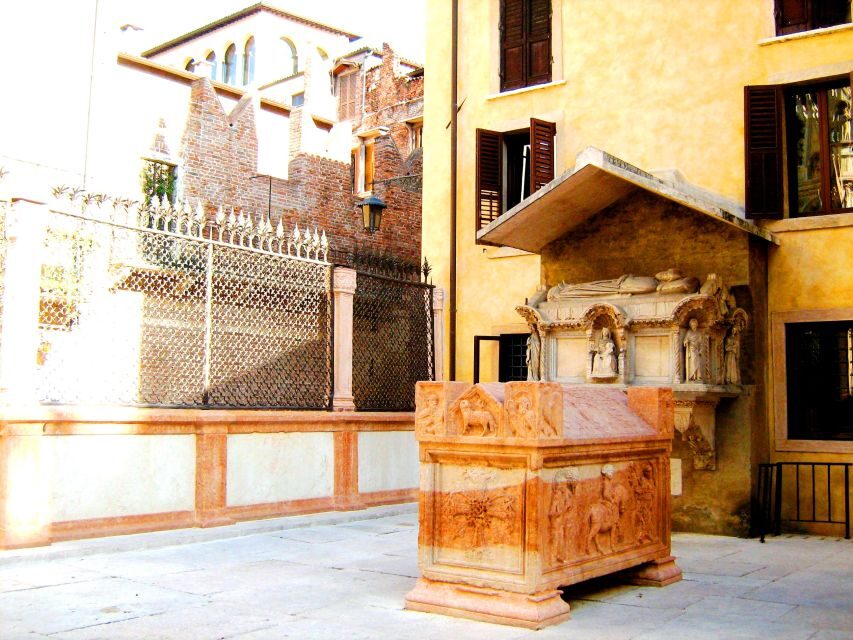
From there, the tour connects toward the dramatic Arche Scaligere mausoleums—explained as part of the Scaligero legacy on the way toward Shakespeare-linked stops, including Romeo’s House and Juliet’s Balcony (you’ll see Casa di Romeo and then Juliet’s House later).
Here’s why this section is valuable: it lets you separate the myth from the architecture. Even if you’re not a Shakespeare die-hard, you’ll learn how Verona’s ruling class displayed power in stone—and how those choices still shape what visitors point at today.
Juliet’s House, the Courtyard Market, and the Side-Street Timing
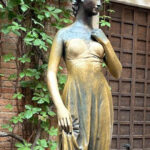
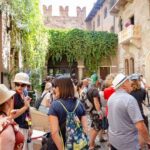
The tour’s Shakespeare stops come with enough context that they don’t feel shallow. You’ll visit Casa di Romeo for a photo stop and then reach Juliet’s House with another photo stop.
Right after, you’ll also get Courtyard Of The Old Market, which is a nice contrast. It helps you remember that Verona’s identity isn’t only theater and romance—it’s also daily life, trade, and public spaces.
This is also a good time to use the headsets to catch every name and storyline detail. The tour moves quickly, and if you want to return later on your own, this is your opportunity to memorize what mattered.
Sinagoga di Verona and the Servants of Mary Stop: Verona Beyond the Usual Loop
The later stretch includes Sinagoga di Verona with a photo stop. It’s a reminder that Verona’s story isn’t one-track. Religious and cultural communities shaped the city too, and this kind of stop makes your overall picture more complete.
You’ll also see Convent of Saint Mary ’della Scala’ of the Servants of Mary with a short stop. Even if you just glance and move on, the guide’s explanations help you understand why these buildings fit into the broader timeline.
Along the way, there are also several “secret” or “hidden” quick passes—short photo stops where you get a look at overlooked corners without losing the rhythm of the walk. Those pauses are the difference between learning facts and learning how to see.
Via Dietro Anfiteatro and the Final Return to Piazza Bra
The last leg includes a photo stop at Via Dietro Anfiteatro, which ties you back to the Arena area in a more ordinary street setting. That’s a clever wrap-up. You see how the famous monument lives inside the everyday city grid.
Then you return to Palazzo Barbieri – Comune di Verona.
The whole experience lands best if you use it as a first visit tool. After this kind of orientation, you’ll notice details without needing a guide beside you.
What the Reviews Prove (Without Needing to Quote Anyone)
Across the tour’s long list of top ratings, one theme shows up: Fabio is serious about communication and timing. The headsets aren’t a gimmick—they genuinely make the narration easier to follow in busy or echoey spots.
Another repeated strength: he keeps people engaged even when the route turns into small side streets and quick pauses. Families have done well with the pacing, which suggests he knows how to keep stories readable and not too heavy.
And on hot days, the guide’s attention to shade and practical breaks matters. This is Italy, not a museum tour. A good guide treats comfort as part of the experience, not as a side issue.
Price and Value: Is $41 Worth It?
For $41, you’re paying for:
- A fully licensed local guide
- Small group size (up to 10)
- Headsets
- A route optimized for storytelling
Entries aren’t included, so if you’re planning paid admissions at some stops, budget extra for those you choose. But the tour’s value isn’t in ticketed access—it’s in sorting the city into a clear timeline and helping you focus on what to revisit.
If you only have limited time in Verona, this is one of the best “first day” purchases because it makes the rest of your trip easier.
Who This Tour Fits Best
This walk is a strong match if you:
- Like history but want it tied to what you can see
- Enjoy architecture and want context, not just dates
- Want a first-orientation route you can build on later
- Appreciate headsets and a calm group size
It’s also a good choice for many visitors going to the Arena area and then wondering what to do next. The tour doesn’t just hand you sights—it hands you a way to understand the city.
If you hate walking or you have mobility challenges, the tour is wheelchair accessible, but you should still plan for time on outdoor surfaces and short distances between points.
Should You Book This Verona Walk?
Yes, if you want Verona to make sense fast. This is the kind of tour that helps you stop treating the city like a list. You’ll come away with a working map of the timeline—Roman structures, medieval civic power, and the Shakespeare-linked landmarks—plus a bunch of side angles you’d struggle to find alone.
If you’re already comfortable navigating Verona and you only care about one or two iconic monuments, you might not need a full 2 hours. But if you want your whole trip to feel more meaningful, this is a smart buy.
FAQ
How long is the guided walking tour?
The tour lasts 2 hours.
Where do I meet the guide?
You meet the guide standing below the Italian flag at the Town Hall in Piazza Bra.
What’s included in the price?
A professional licensed guide, a small group (up to 10), route optimized for storytelling, and headsets. Transport, food and drinks, and entries are not included.
Is the tour a small group or a large group?
It’s a small group, with up to 10 participants.
Will the tour run in bad weather?
Yes, it takes place rain or shine.
What language options are available?
The live guide is available in English, German, Italian, and Spanish.
Is the tour accessible for wheelchairs?
Yes, the tour is wheelchair accessible.
What should I bring?
Wear comfortable shoes and bring water.
Do I need to pay for museum or site entries?
Entries are not included, so you may need to pay separately if you want to go inside ticketed places.