REVIEW · VERONA
The city of Romeo and Juliet: A self-guided audio tour through Verona
Book on Viator →Operated by VoiceMap Audio Tours · Bookable on Viator
Verona tells its stories best when you can pause. This self-guided audio walk links the city’s landmarks into a smooth Romeo and Juliet route, with offline maps and audio so you can move without worrying about data roaming. I especially like the freedom to stop for coffee or linger for views, and I love that you get lifetime access to replay it later. One thing to weigh: it relies on your smartphone and audio working properly, so bring charged batteries and test the app before you start.
In This Review
- Key highlights before you walk
- Price and what you actually get for $11.24
- Start at I Portoni della Bra, then get your bearings fast
- Piazza Bra to Arena Square: the Roman heart, told in street-level detail
- Piazza Nogara to Juliet’s House: story landmarks without the stress
- Piazza Erbe and Piazza dei Signori: where the audio makes the city feel lived-in
- Santa Maria Antica, Romeo’s House, and Santa Anastasia: the stops people skip
- Ponte Pietra to Porta Borsari: finishing with a classic view and a city-wall feeling
- How the VoiceMap experience feels day-of: pacing, offline mode, and headphones
- What to expect at each step (without the guesswork)
- Who should book this Verona audio tour (and who might not)
- Should you book it?
- FAQ
- How long is the Verona self-guided audio tour?
- What language is the audio tour available in?
- Where does the tour start and end?
- Do I need internet during the tour?
- Are museum tickets included?
- What do I need to bring with me?
- What if the tour app doesn’t work on my phone?
Key highlights before you walk
- Offline audio and maps help you keep going even with spotty signal
- Location-aware playback means the story keeps time with your route
- Lifetime access lets you revisit Verona on future trips
- Step-by-step guidance keeps you from getting lost in the old streets
- A local narrator feel brings the city’s details to life without a crowd voice
Price and what you actually get for $11.24
At $11.24 per person, this is one of those smart “buy once, use often” city plans. You’re paying for a guided experience without paying for entrances or a live guide’s time—so your money goes to narration, directions, and staying oriented while you wander.
What you do get is clear: VoiceMap Audio Tours on Android or iOS, plus offline access to audio, maps, and geodata, and lifetime access in English. What you don’t get is also important: no tickets to museums or paid attractions along the way, and the tour does not include a smartphone or headphones.
For best value, treat it like a walking framework. You’ll spend the money most efficiently if you’re the type who wants to move freely, look at buildings up close, and learn as you go instead of trying to cram everything into a rushed group schedule.
Other Juliet's House and Balcony tours in Verona

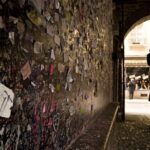
Start at I Portoni della Bra, then get your bearings fast
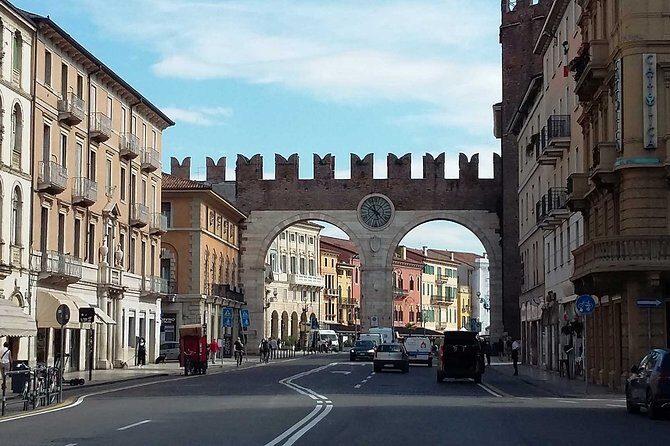
Your walk begins at I Portoni della Bra (Corso Porta Nuova, 2, 37122 Verona)—right in the orbit of Verona’s Roman-era edge. That matters because it’s a natural place to orient yourself: you’re not starting in a random side street. The tour’s pacing also helps. You’re not handed a huge “megablock” route all at once; you’re guided from landmark to landmark.
From the start area, the route moves toward Piazza Bra, where you get the classic Verona feel right away. This is the kind of open square where you can settle your bearings, glance around, and figure out which way you want to roam once the narration tells you what’s coming next.
If you’re walking at midday, note this: the tour’s operating window is listed as open essentially all day (12:00 AM–11:59 PM). That doesn’t mean every shop or sight is open, but it does mean the walk itself is designed to fit your schedule rather than forcing you into a narrow slot.
Piazza Bra to Arena Square: the Roman heart, told in street-level detail
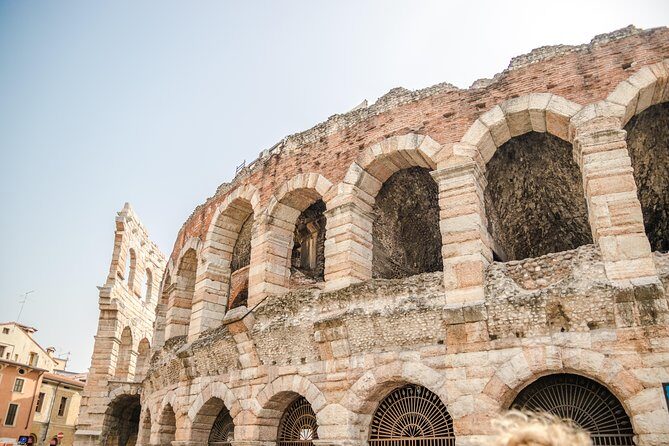
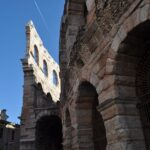
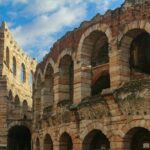
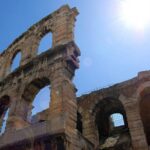
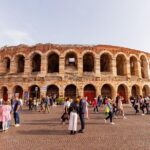
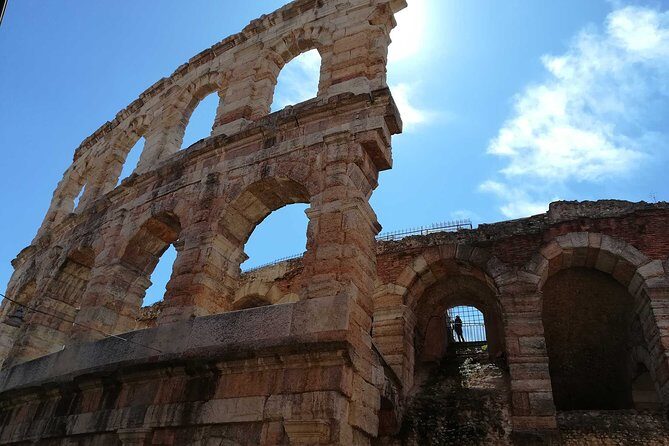
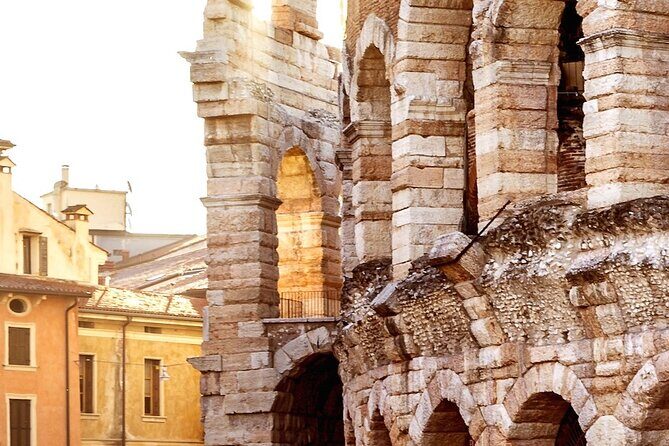
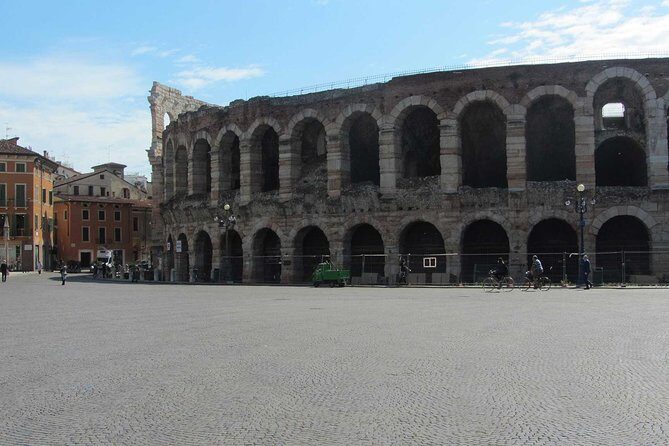
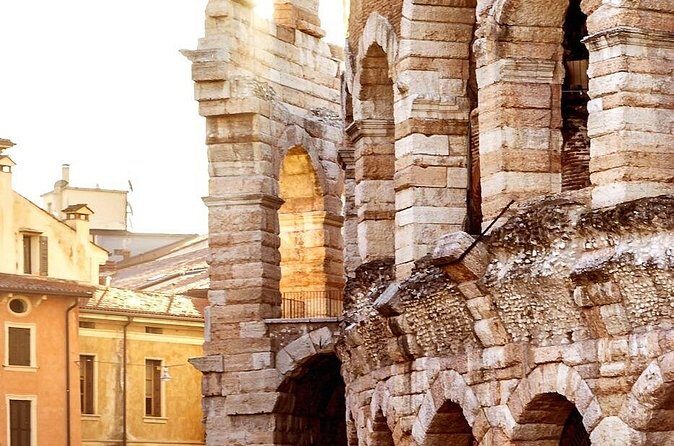
Right as you shift from the square into the orbit of Arena Square, you’ll feel the change from “pretty city blocks” to “Verona’s centerpiece.” The Arena area is a magnet for photos, yes, but the audio adds something more useful than picture captions: it helps you understand what you’re looking at and why it mattered.
Then you continue toward San Nicolò all’Arena. This is a stop that’s easy to overlook if you only chase the biggest names. The audio approach is helpful here because churches and small religious buildings can blur together in your head. With narration, you get context for what you’re seeing, and you’re more likely to notice architectural specifics instead of only the façade.
A practical tip: keep your headphones at a comfortable volume in the busy parts. Verona has its share of street noise, and you’ll enjoy the story more if you can hear it clearly without stepping into a bubble.
Piazza Nogara to Juliet’s House: story landmarks without the stress
As the route heads through Piazza Nogara, you start transitioning from the “big scenery” areas into the parts of Verona that feel more human—streets with side views, small piazzas, and that sense of weaving between scenes.
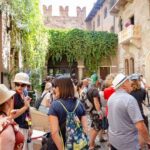
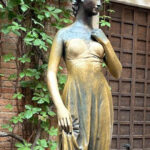
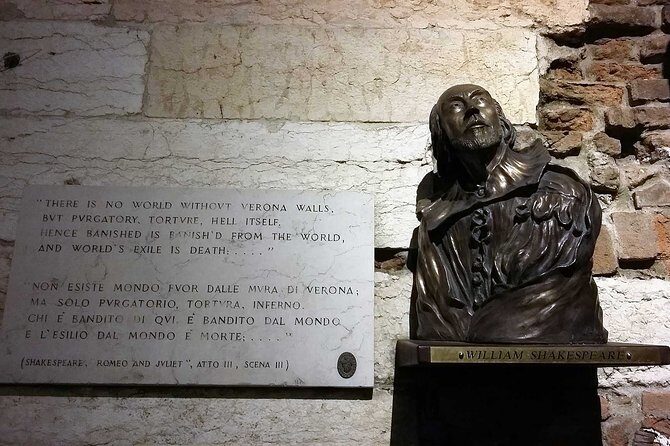
Next up is Juliet’s House. Even if you’re not a diehard Shakespeare person, this stop is worth your time because it anchors the whole Romeo and Juliet theme. The audio framing helps here: you’re not just looking at a famous place. You’re walking through Verona with a story thread that gives you something to connect emotionally (and visually) as the city changes around you.
One drawback to note, based on real day-to-day use: audio tours can be less forgiving than live guiding. If you miss a turn, or you pause somewhere unexpected, it can take a second to recalibrate. Still, the route is designed with directions and a map, so it usually stays user-friendly if you pay attention at each major stop.
Piazza Erbe and Piazza dei Signori: where the audio makes the city feel lived-in
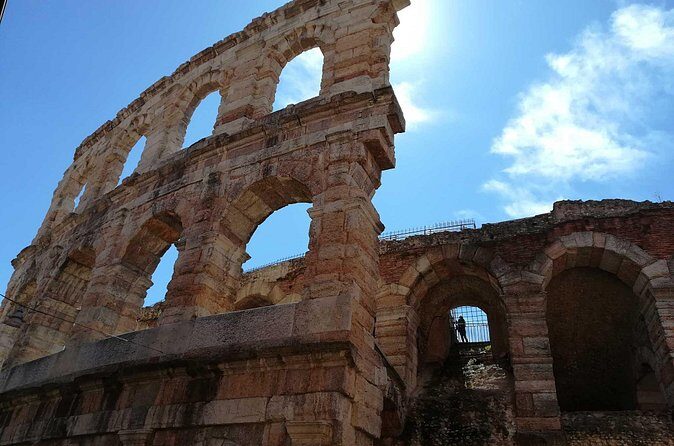
From Juliet’s orbit, the walk continues into Piazza Erbe, then on to Piazza dei Signori. These are the Verona piazzas that make you want to stop. If you love people-watching, midday energy, and the feeling that you’re sitting inside a postcard, these spaces deliver.
Here’s what I like about doing this with audio: you don’t have to “perform” the visit. You can pause when something catches your eye, restart when you’re ready, and keep moving when your legs say so. The narration helps you connect the dots between the buildings around you—so you’re not just taking photos; you’re learning what’s around you while you decide what to focus on next.
Also, these are natural “break points.” If you need a coffee, a quick bite, or a bathroom stop, you can time it without feeling like you’re ruining someone else’s group schedule.
Other self-guided tours in Verona


Santa Maria Antica, Romeo’s House, and Santa Anastasia: the stops people skip
After the big piazzas, the route takes you to Santa Maria Antica, then Romeo’s House, and then Santa Anastasia Church. This is where a self-guided audio tour can either shine—or feel like work. In this case, it’s designed to keep these stops from turning into “another church photo.”
With narration, you get reasons to slow down: what you’re seeing, how it fits into Verona’s story, and what details are worth noticing. This is especially useful at churches, where the building can look similar from street level if you don’t have some context.
You’ll also appreciate the switch in tone between romance-landmarks and historical architecture. The audio keeps the theme moving while also giving you something real to study in stone, not just in a literary legend.
One more note: entrance fees aren’t included. So if you plan to go into any ticketed areas, check before you arrive and be ready to pay separately.
Ponte Pietra to Porta Borsari: finishing with a classic view and a city-wall feeling
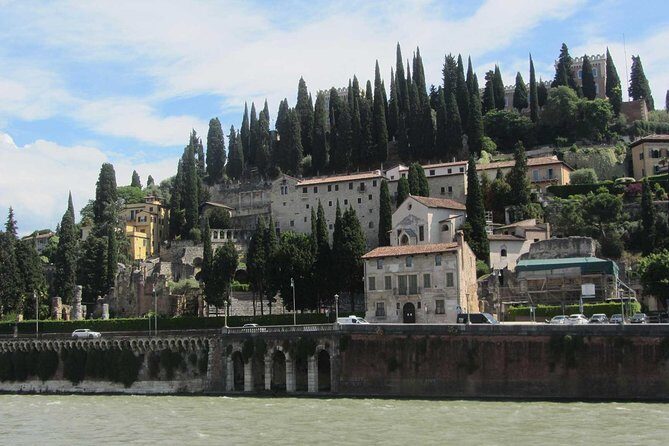
The route includes a brief stop on Ponte Pietra—a nice way to add variety before the final stretches. Bridges in old cities are great “mental reset” points. They give you perspective over the river and help you see how Verona’s layout connects.
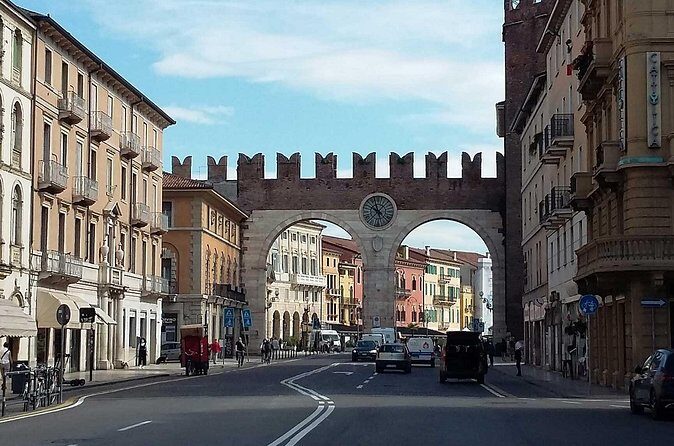
After that, you pass Porta Borsari, one of the city’s historic gateways. Ending near this kind of structure is a smart choice. It gives the walk a sense of movement and closure: you’re not just circling around the Arena again. You’re stepping through a part of Verona that feels like a boundary between “inside the story” and “outside the old streets.”
The tour ends back at Arena di Verona (Piazza Bra, 1, 37121 Verona). That makes logistics easy because you finish at a recognizable hub.
How the VoiceMap experience feels day-of: pacing, offline mode, and headphones
This tour runs through the VoiceMap app on Android and iOS. The practical win is the offline access: audio, maps, and geodata are available without relying on roaming data. That’s a big deal in Italy when you’re walking between landmarks and your signal keeps flickering.
I also like how it’s built for control. You can pause, stop, and start whenever you want. That means the tour doesn’t bully you into a single speed. If you want to do the route fast, you can. If you want to take your time, you can stretch it out.
One real-life note from the way the route is used: even though the mapped duration is roughly 1 hour to 1 hour 15 minutes, you can easily take longer when you stop for snacks and sit-down breaks. This is the kind of walk where you’ll either glide through or turn it into a mini day.
What to bring:
- Your charged smartphone
- Headphones (not included)
- A full battery plan if you’re relying on GPS and audio
What to expect at each step (without the guesswork)
Here’s the practical feel of the route in order, with what each phase is best at:
- I Portoni della Bra → Piazza Bra: fast orientation and classic Arena-area atmosphere
- Arena Square → San Nicolò all’Arena: Roman-era focus plus a church stop that’s easier to enjoy with context
- Piazza Nogara → Juliet’s House: theme anchor for Romeo-and-Juliet storytelling
- Piazza Erbe → Piazza dei Signori: the Verona piazza circuit where you can pause freely
- Santa Maria Antica → Romeo’s House → Santa Anastasia Church: slower, more “look closely” segments
- Ponte Pietra → Porta Borsari: scenery break plus a historic-gateway finish
- Back to Arena Square: easy end point near a major public area
The route is also listed as private for your group. That doesn’t change the audio itself, but it does support the idea that you’re not squeezed into a crowd flow.
Who should book this Verona audio tour (and who might not)
This is a great fit if:
- You prefer a self-guided plan over group tours
- You want offline audio and maps so you can wander without data stress
- You like learning while you walk through major Verona landmarks
- You’re traveling with someone who wants control of pacing (coffee breaks included)
It might be less ideal if:
- You don’t want to rely on your phone for directions and audio
- You’re the type who gets frustrated if an app has a technical hiccup
- You want guaranteed museum-type access without extra ticket steps (because entrances aren’t included)
If you’re considering it, take one small action that pays off: download the needed content ahead of time and test playback before you step out. That’s the difference between a smooth stroll and a frustrating start.
Should you book it?
Yes, if you want a flexible, low-cost way to understand Verona’s main sights through a story thread, without paying for entrances or competing with a crowd pace. For roughly the price of a couple of coffees, you’re buying navigation help, offline audio, and a route that takes you past the city’s best-known landmarks and some that feel more rewarding when you slow down.
I’d skip it only if you’re strongly dependent on a guaranteed-tech experience with zero chance of troubleshooting. In that case, you might prefer a traditional guided option where someone else handles the moving parts.
FAQ
How long is the Verona self-guided audio tour?
The duration is listed as about 1 hour to 1 hour 15 minutes, though you can take longer if you pause and stop for breaks.
What language is the audio tour available in?
The tour is offered in English.
Where does the tour start and end?
It starts at I Portoni della Bra (Corso Porta Nuova, 2, Verona) and ends back at Arena di Verona in Piazza Bra (P.za Bra, 1, Verona).
Do I need internet during the tour?
No. The tour includes offline access to audio, maps, and geodata, which helps when you’re roaming.
Are museum tickets included?
No. Tickets or entrance fees for museums or other paid attractions are not included.
What do I need to bring with me?
You’ll need a smartphone and headphones. Transportation and food/drink are also not included.
What if the tour app doesn’t work on my phone?
Confirmation is received at booking, but if the app has issues for you, you’ll need technical support. The tour is also designed so you can download and use offline materials, so testing before you start is a smart move.