REVIEW · VERONA
My Granny’s secrets: Making pasta in the heart of Verona
Book on Viator →Operated by Vallì Homemade · Bookable on Viator
Fresh pasta gets real fast here. This Verona cooking class turns an old family tradition into a hands-on evening: you make the dough, learn multiple cuts, then sit down family-style for a three-course meal with regional wine.
What I like most is the focus on doing the work yourself, not watching from a chair. And I love how the hosts build the night around Valentina (Valli) and Dave—clear instruction, good humor, and a table that feels like you’ve been invited in for dinner, not booked into a production line.
One consideration: it happens in a home apartment with two sweet cats, so if you’re allergic, you’ll want to flag it before you go (or at least plan accordingly).
In This Review
- Key Things That Make This Pasta Class Worth Your Time
- My Granny’s Secrets in Verona: The Family-Style Pasta Experience You’re Looking For
- Meeting at Vicolo S. Domenico: Timing, Setting, and What to Expect Before You Start
- Rolling Dough Like You Mean It: The Egg Pasta Lesson That Actually Sticks
- The Classic Cuts and the Fun Ones: Tagliatelle, Ravioli, and More Shapes Than You Expected
- From Workshop to Dinner Table: How the Three Courses Work and Why You’ll Enjoy Them
- Wine, Stories, and Laughs: The Social Side That Turns Cooking Into Culture
- Taking Skills Home: What You’ll Be Able to Do After This Night
- Cats, Allergies, and Group Dynamics: The Home-Apartment Reality Check
- Price and Value: Is $114.89 Worth It for a 4-Hour Verona Night?
- Should You Book My Granny’s Secrets in Verona?
- FAQ
- How long is the cooking class in Verona?
- Where does the class meet?
- What do I eat during the meal?
- Is this class suitable for beginners?
- Is the class in English?
- Does the class accommodate dietary needs or allergies?
- Are there cats in the apartment?
- Can I cancel for a full refund?
Key Things That Make This Pasta Class Worth Your Time
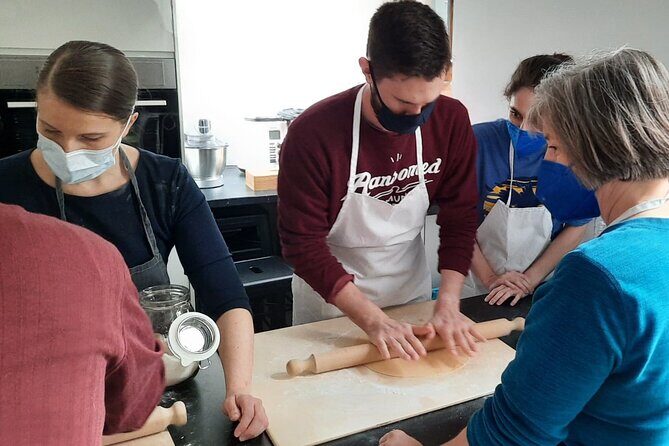
- Small group (max 12): more hands-on time and less waiting around for the flour to be cool
- Egg pasta from scratch: dough, thickness, and moisture tips that actually help
- Lots of shapes: tagliatelle, tagliolini, pappardelle, farfalle, maltagliati, plus decorated and colored pasta
- Fresh ravioli practice: you get shown how to make them and then eat what you make
- Three-course dinner + local wine: the class ends with a meal, not just tasting crumbs
- A real home vibe: conversation, laughter, and even cat company in the background
My Granny’s Secrets in Verona: The Family-Style Pasta Experience You’re Looking For
There are plenty of pasta classes that teach you the basics and then send you on your way with a vague memory of flour on your shirt. This one is different because it’s built like an Italian family dinner with a lesson attached.
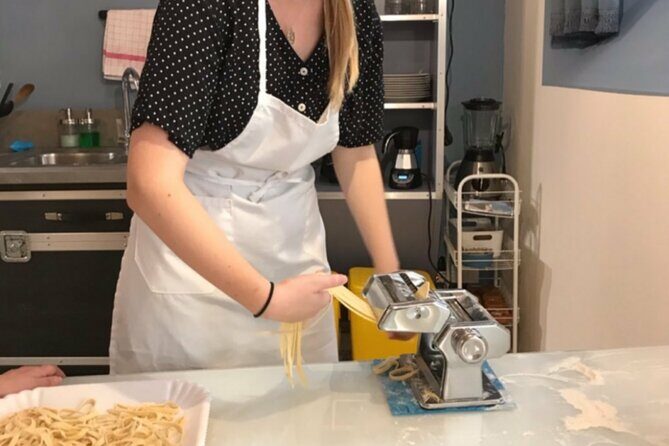
You’ll start by making fresh egg pasta dough from scratch. Then you’ll work through classic shapes—some you know, some you might not—and you’ll also see techniques for decorated and colored pasta. The big payoff is that you don’t just learn. You eat.
The other thing that makes it stand out is how personal it feels. Valentina (Valli) and Dave run the evening like you’re joining their table. People come for pasta, but they often leave with the feeling that they met friends in Verona, not just an instructor.
Other pasta and tiramisu classes in Verona


Meeting at Vicolo S. Domenico: Timing, Setting, and What to Expect Before You Start
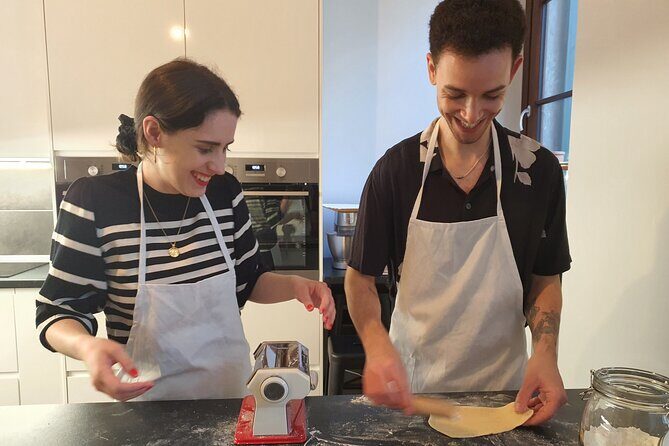
The class meets at Vicolo S. Domenico, 18, 37122 Verona at 4:00 pm. It ends back at the meeting point. The session runs about 4 hours 15 minutes, so think of it as an early evening plan that replaces your dinner.
The location is in a residential area, and it’s near public transportation, which helps if you’re already doing things around town. You’ll also get a mobile ticket, which is the kind of small modern convenience that keeps the evening from feeling like extra paperwork.
Inside, it’s an apartment setup with a working area for cooking. That matters because you’ll be close to your workstation. You’re not sending photos from afar. You’re using your hands. And because the group size tops out at 12, you can usually get corrections and guidance when something goes off—dough too dry, pasta sheets too thick, seams that don’t seal on ravioli.
Rolling Dough Like You Mean It: The Egg Pasta Lesson That Actually Sticks
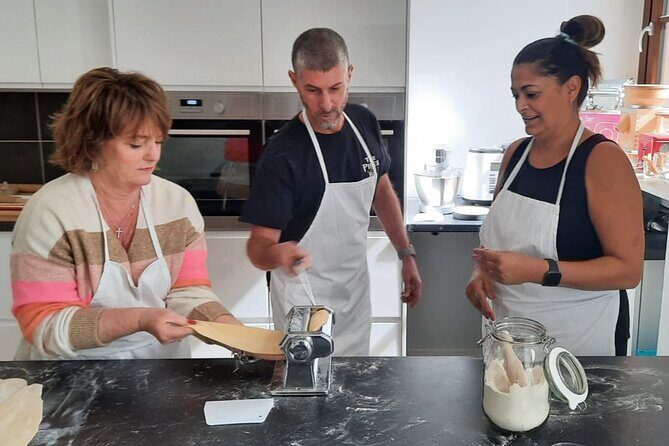
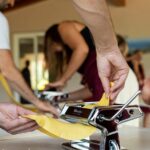
The core of the experience is dough. You’ll learn how to make egg pasta dough from scratch, and the hosts focus on the small details that separate good pasta from pasta that disappoints later.
Even if you’ve made pasta before, you’ll likely pick up new habits. The teaching style is step-by-step, with demonstrations followed by hands-on practice. Expect instruction on things like how pasta should feel as you work it, how to manage flour without making the dough heavy, and the way thickness changes the final bite.
A highlight in the feedback is how much attention gets paid to thickness and moisture level. Those are the two biggest reasons homemade pasta can go wrong at home. If the sheets are too thick, it can feel chewy. If they’re too dry, they crack or cook unevenly. The lesson aims to give you a mental checklist you can repeat later.
And while you’re working, you’ll hear time-honored tips—“what to do” and “what NOT to do.” This isn’t a vague tradition lesson. It’s practical cooking coaching in plain language.
The Classic Cuts and the Fun Ones: Tagliatelle, Ravioli, and More Shapes Than You Expected
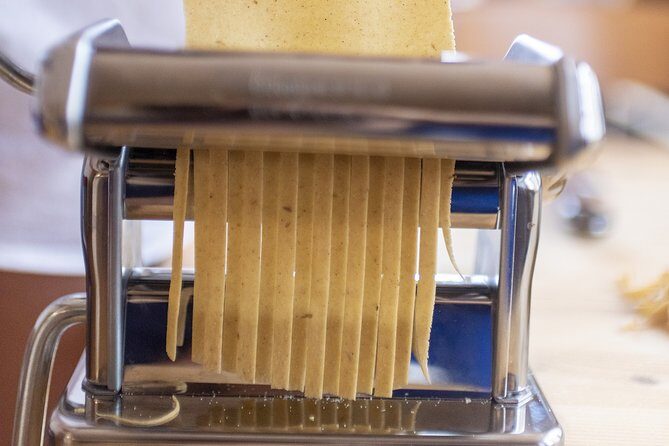
After the dough is ready, the night shifts into pasta shapes. You’ll learn classic cuts and also get exposure to more playful pasta styles.
The class includes instruction for cuts such as:
- tagliatelle (a favorite for a reason: it holds sauces well)
- tagliolini
- pappardelle
- farfalle
- maltagliati
- decorated pasta and colored pasta
- fresh ravioli (with hands-on guidance)
What I like about this structure is that it builds your skills in layers. You don’t just learn one shape and call it a day. You learn the logic behind shaping: how thickness and width relate to how pasta cooks and how it pairs with sauces.
Also, ravioli is a great way to understand dough control. Making ravioli forces you to think about sealing, texture, and portion size. You’ll learn the process, then you’ll actually eat the result.
At the end of the cooking, you’ll sit down to the meal you prepared. That’s a big deal for learning. You connect technique to taste right away, instead of waiting weeks to practice at home.
From Workshop to Dinner Table: How the Three Courses Work and Why You’ll Enjoy Them
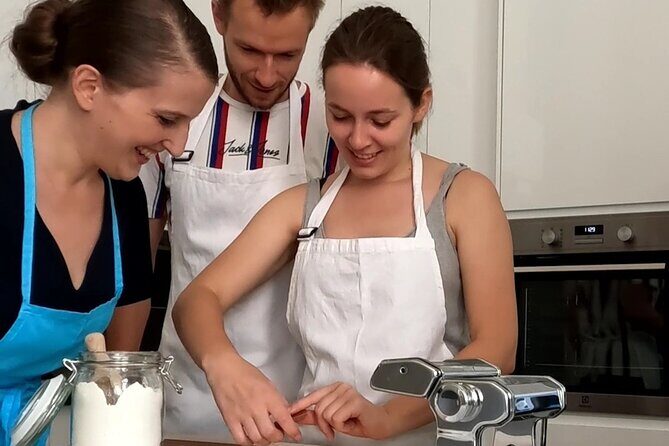
This is a three-course dinner, and the pace is designed so you’re not rushed through cooking and then immediately served. You cook first, then you eat what you made.
The sample menu is:
- Main: Tagliatelle
- Main: Ravioli
- Dessert: Surprise of the day
Two details are worth paying attention to. First, courses are prepared and served in a way that keeps flavor more natural. The class notes low/no salt and sugar to taste, which means you’re tasting the food’s real character rather than a heavily seasoned shortcut.
Second, the meal is shared family-style with your host. That changes the vibe. You’re not just chewing in silence while the group cycles past. You’re at a table where conversation happens—sometimes about cooking, sometimes about daily life in Italy, and sometimes just laughs.
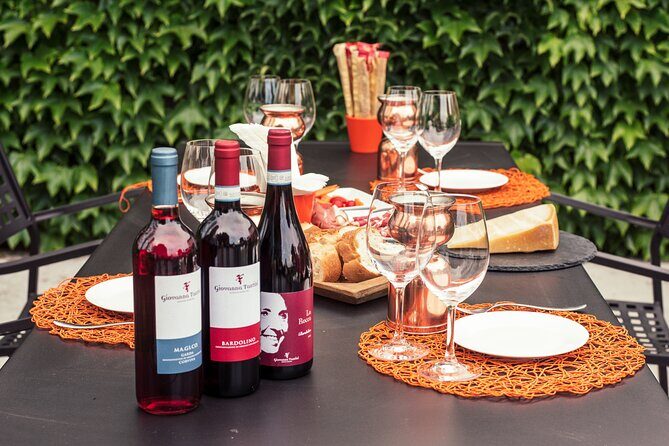
You’ll also have a special wine produced in this region with dinner. It’s not presented like a wine lecture. It’s paired with the food so it supports the meal, not competes with it.

Wine, Stories, and Laughs: The Social Side That Turns Cooking Into Culture
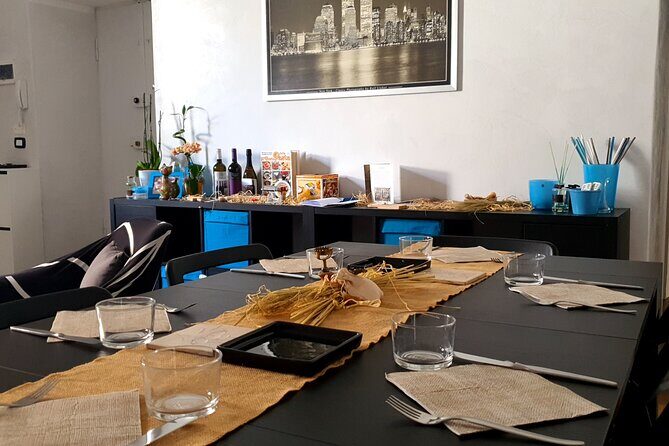
The pasta is the headline, but the atmosphere is a big part of why people rave about this class.
Valentina (Valli) and Dave bring energy, and the teaching style includes humor and easy pacing. It’s the kind of place where beginners don’t feel lost and more experienced cooks still get useful coaching.
A few themes show up again and again: learning the history of pasta making, picking up practical technique, and feeling welcome in someone’s home. Reviews also point out that the evening isn’t just a class—it’s an experience where you get to talk, meet other small-group participants, and leave with a sense of connection.
If you like food experiences that go beyond tasting, this is that sweet spot. You’ll see how pasta-making fits into Italian everyday life, not as a tourist trick but as a skill passed down.
Taking Skills Home: What You’ll Be Able to Do After This Night
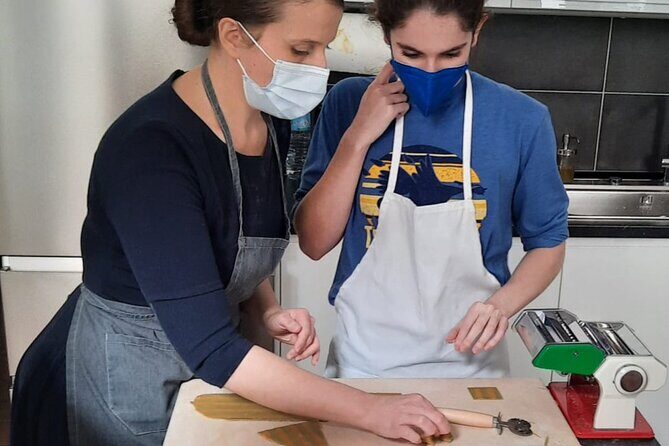
One of the smart things about a hands-on class is that it turns into a real plan for later. You’re not just learning names of shapes. You’re learning how dough behaves and how shaping changes cooking.
You’ll likely leave with:
- a stronger feel for dough consistency and how it should move under your hands
- better instincts for thickness and moisture level
- the confidence to make at least a couple of shapes at home (tagliatelle and ravioli are great starting points)
- recipes to use later, since the class offers them so you can repeat the process
Even if you can’t exactly reproduce the same conditions at home, these lessons help you troubleshoot. If your sheets tear, you’ll know which step likely went wrong. If ravioli comes apart, you’ll understand what to adjust next time.
And because the class includes more than one shape, you won’t feel stuck doing the same pasta every night forever. You’ll have options.
Cats, Allergies, and Group Dynamics: The Home-Apartment Reality Check
This is done in an apartment, and yes—there are two lovely sweet cats. That’s part of the home setting, and the class even flags it for anyone with cat allergies.
So here’s the practical approach:
- If you have a cat allergy, contact the provider before booking so they can do their best to accommodate your needs.
- If your allergy is mild, you’ll still want to be prepared. Plan for a heads-up and decide what you’re comfortable with.
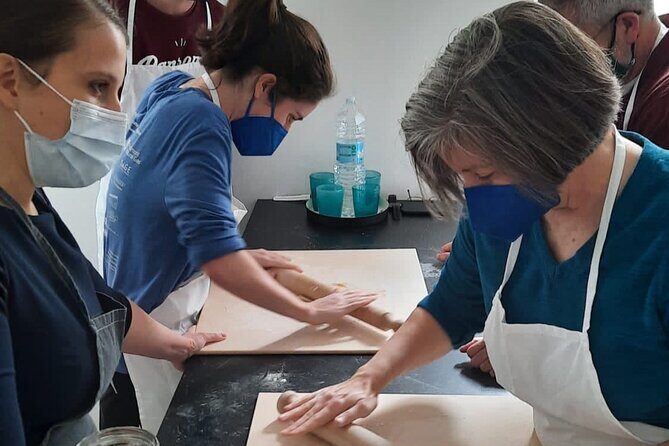
Group size also affects the feeling. With a maximum of 12, you’ll get more attention and your hands-on time won’t get squeezed. This makes the class work well for couples, families, and even teens—especially if they enjoy watching and then doing something active.
One more plus: service animals are allowed, and the meeting point is near public transportation, so you won’t be stuck solving an airport-style logistics puzzle.
Price and Value: Is $114.89 Worth It for a 4-Hour Verona Night?
At $114.89 per person, this isn’t a “cheap snack lesson.” But when you break down what’s included, the value starts to make sense.
You’re paying for:
- instruction to make egg pasta dough from scratch
- hands-on practice with multiple shapes, including fresh ravioli
- a three-course dinner built from what you made
- a regional wine during the meal
- a small-group experience (max 12) in a home setting
That’s a full evening of food and learning, not a 60-minute demo. And the fact that you eat what you make adds serious value. You’re not just tasting a single noodle. You’re sitting down to tagliatelle, ravioli, and dessert.
If you want a cooking class that feels like dinner with a lesson—not a classroom with food—you’ll likely feel good about the price. If you’re only looking for a quick intro to pasta and don’t care about making dough and shapes, then you might decide to spend less elsewhere.
Should You Book My Granny’s Secrets in Verona?
I’d book it if you want a small-group pasta evening with real hands-on practice, clear teaching, and a meal at the end that’s built from your work. It’s a great choice when you want to understand why pasta turns out right—especially thickness and moisture—rather than just copying a recipe.
Skip it or ask lots of questions first if:
- cat allergies are a big issue for you
- you prefer a very formal, restaurant-style setting over a home apartment vibe
- you want only one pasta shape and don’t care about ravioli or the extra pasta types
If you book, do it with the right mindset: show up ready to get flour on your hands, ask questions, and treat the table like part of the lesson. That’s where this experience turns from cooking into a memory you’ll actually repeat back home.
FAQ
How long is the cooking class in Verona?
It runs about 4 hours 15 minutes, starting at 4:00 pm and ending back at the meeting point.
Where does the class meet?
The meeting point is Vicolo S. Domenico, 18, 37122 Verona VR, Italy.
What do I eat during the meal?
The sample menu includes tagliatelle, ravioli, and a dessert described as a surprise of the day.
Is this class suitable for beginners?
Yes. The experience is designed for people at different skill levels, and the instruction includes step-by-step guidance.
Is the class in English?
Yes, the experience is offered in English.
Does the class accommodate dietary needs or allergies?
If you have allergies or dietary requirements, you should contact the provider via message before booking so they can do their best to find a solution.
Are there cats in the apartment?
Yes. The apartment has two sweet cats, and you should let the provider know if you have a cat allergy.
Can I cancel for a full refund?
Free cancellation is available. You can cancel up to 24 hours in advance for a full refund.