REVIEW · VERONA
Verona: Pasta and Tiramisu Cooking Class With Free Flowing Wine
Book on Viator →Operated by The Roman Food Tour - Food Tour Rome · Bookable on Viator
Fresh pasta in Verona beats sightseeing. This cooking class turns a typical afternoon into real hands-on Italian food work, with Prosecco on arrival and a sit-down meal at the end. You learn in a locally loved restaurant setting in central Verona, so it feels like the city is feeding you, not just entertaining you.
I love the practical instruction. You get guided coaching on making pasta dough, which flour works best, and the difference between pasta fresca and pasta secca, then you apply it to the dishes you’ll actually eat. Instructors like Elodie, Carlo, and Ava are repeatedly praised for clear steps and friendly energy.
One consideration: this is not a match for most special diets. The traditional focus includes gluten, dairy, and eggs, and the class is not recommended for egg allergy, lactose intolerance, gluten intolerance/allergy, or vegan diets, with cross-contamination not guaranteed.
In This Review
- Key highlights you’ll feel during the class
- A central Verona pasta-and-tiramisu break
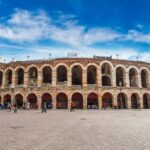
- Where it happens: a restaurant setup near the Arena
- Arrival routine: Prosecco first, then the kitchen tour
- Fresh pasta lessons: dough, flour choice, and pasta fresca vs secca
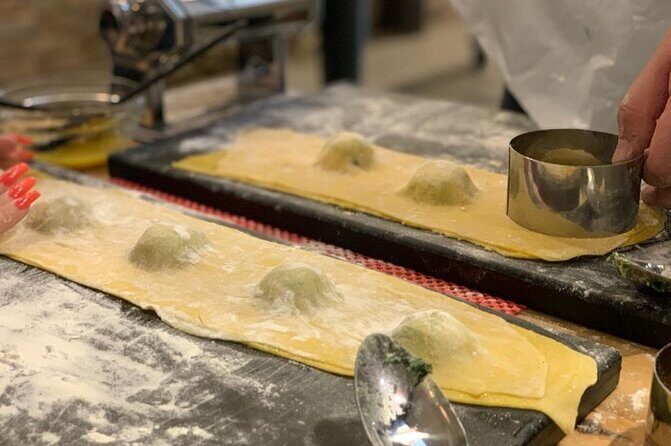
- Getting hands-on with ravioli and fettuccine
- Tiramisu: the dessert that actually rewards you
- Lunch or dinner together with wine included
- Group size and attention: usually great, occasionally crowded
- Who this class is best for (and who should skip)
- Price and value: what you’re really paying for
- Practical tips to make your session smoother
- Should you book this Verona pasta and tiramisu class?
- FAQ
- What does the class include?
- How long is the cooking class in Verona?
- Is there a limit on group size?
- Is the class offered in English?
- Is it suitable for vegan diets or lactose intolerance?
- Is it safe for egg allergy or gluten intolerance?
- Will I drink wine during the experience?
Key highlights you’ll feel during the class
- Welcome Prosecco right at the start
- Step-by-step fresh pasta coaching (dough, flour choice, pasta fresca vs pasta secca)
- Small group size (max 12) for more hands-on help
- Tiramisu making, then you eat it with your meal
- Wine included with lunch or dinner (Prosecco plus red and white)
- Central Verona location near public transport (near the Arena)
A central Verona pasta-and-tiramisu break
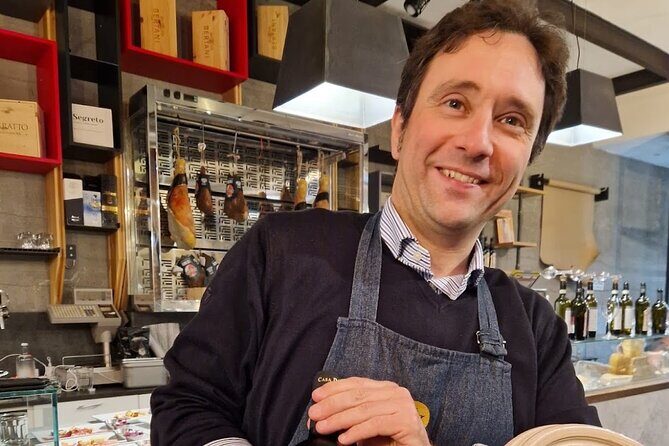
If you’re in Verona and stuck in sightseeing mode, this is the kind of switch that makes the trip feel more real. You trade walking for flour dust, build something from scratch, then sit down and eat it while the evening turns social. It’s a cooking class, yes, but the payoff is also the vibe: a real restaurant rhythm, not a demo followed by a goodbye.
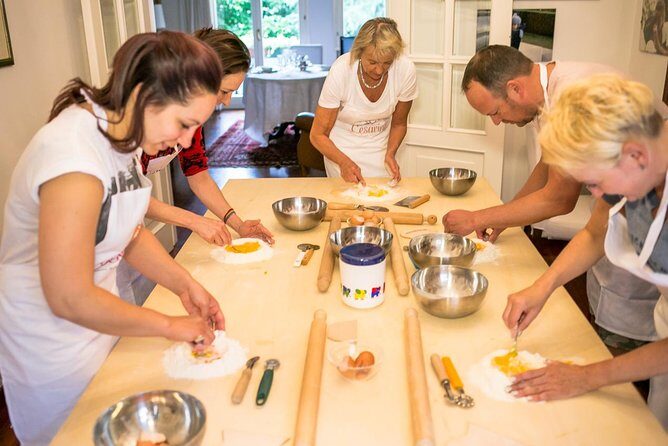
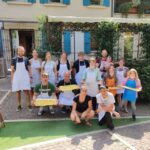
The format matters. You’re not just watching someone else work. You’re tying on an apron, moving to your station, and doing the prep yourself, with an English-speaking guide keeping you on track. And because the group is capped at 12 travelers, you’re usually not lost in a crowd.
Other pasta and tiramisu classes in Verona
Where it happens: a restaurant setup near the Arena
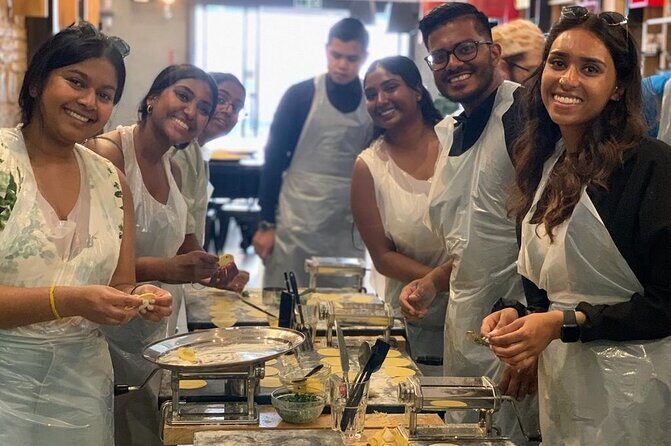
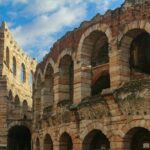
The class runs inside a restaurant in central Verona, close to public transportation. If you like the idea of learning in the same kind of place locals eat in, you’ll like this setup: part of the prep and cooking can happen in areas connected to dining, so the line between kitchen and meal feels close.
This matters for two reasons. First, it’s easier to find (and easier to pair with other plans around the Arena area). Second, restaurant space makes the pacing feel natural. Instead of a classroom lecture, you’re working in a place built for food service.
One practical tip: because you’ll be in a working kitchen, plan for warmth. A few people note it can get hot depending on the room setup and ventilation, so wear something you can move and sweat a little in.
Arrival routine: Prosecco first, then the kitchen tour
You’ll start with a welcome glass of Prosecco as soon as you arrive. Then the guide takes you behind the scenes to show how an Italian restaurant operates day to day. That quick peek gives the class context. You’re learning more than recipes; you’re learning the logic behind how ingredients and timing come together in a real kitchen.
From there, you’ll head into the kitchen area to get your workstation. The early “settle-in” moment is useful, especially if you’re not used to cooking classes. It helps you feel like you belong there right away instead of starting stressed.
Fresh pasta lessons: dough, flour choice, and pasta fresca vs secca
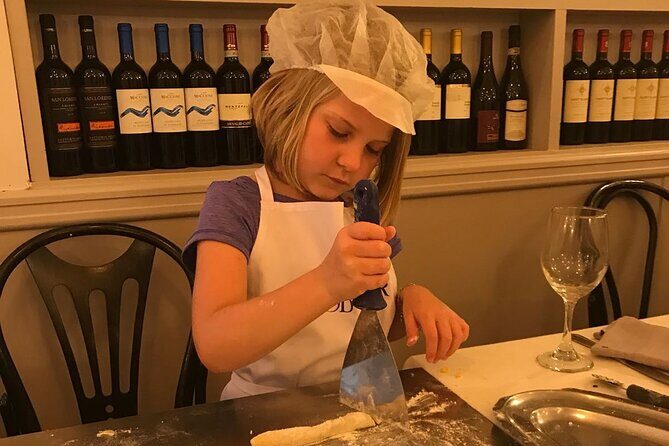
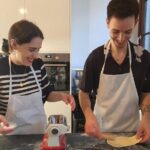
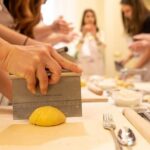
This is the core skill part of the experience. The guide walks you through making pasta dough, including the type of flour to use and what to expect in dough texture. You also learn the difference between pasta fresca and pasta secca, which is one of those concepts that sounds abstract until you’re holding the dough.
Here’s what that adds for you as a traveler. When you understand the difference between fresh pasta and dried pasta, you can cook with intention later. You’ll know why fresh pasta behaves differently in boiling water, why it cooks faster, and why it tends to pair with certain sauces.
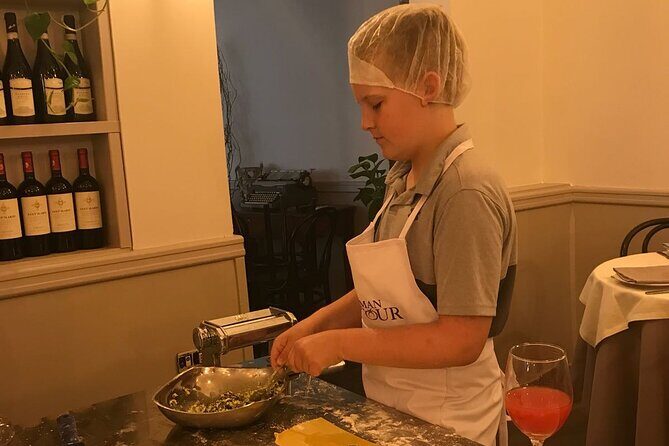
During the hands-on time, you’ll work toward the pasta dishes you’ll eat at the end. The class sample menu includes:
- Fettuccine with tomato sauce
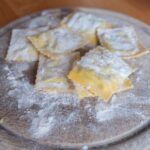
- Ravioli with ricotta and spinach, finished with butter and sage
And you’ll also work with prosecco and wine in the meal portion, so the cooking and eating are linked.
If you’re a strong home cook already, keep your expectations grounded. The emphasis is on technique you can take home—dough, handling, and assembling—more than on advanced sauce-making lessons. Some people feel the sauce component isn’t taught as its own deep skill. You might see sauces treated as part of the final plating rather than a lesson topic.
Getting hands-on with ravioli and fettuccine
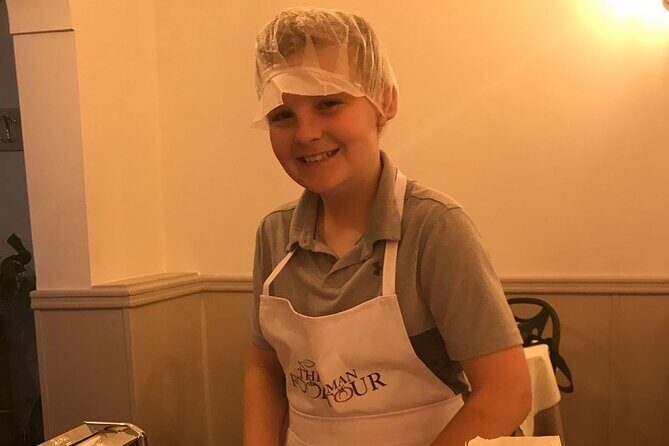
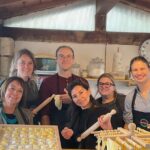
The class is designed so you can participate, not just contribute your thumbs-up. You’ll form and assemble the pasta items, and you’ll get guidance as you go. People frequently praise the instructors for correcting little problems without making anyone feel slow.
Two things you can do to get more out of this section:
- Watch the demo once, then repeat immediately. Pasta dough is about feel, and the best learning happens while your hands are still synced with what the guide just showed.
- Ask before you commit. If you’re unsure about thickness or consistency, a quick question early saves you from a whole batch going off track.
Instructors named across sessions include Elodie and Carlo, and people also mention Ava, Victoria, and Jasmine. The repeating theme is clear: instruction stays friendly, and you get individual help when you need it.
Other cooking classes in Verona
Tiramisu: the dessert that actually rewards you
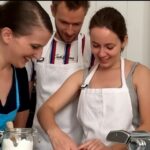
Making tiramisu is more than following steps for a sweet finish. It teaches you how Italian dessert texture is built. You’ll learn how to prepare it with guided instruction, and then you eat what you make together.
Tiramisu can be a “looks simple, is easy to mess up” dish. That’s why a coached class works so well. You learn timing and assembly so it doesn’t turn watery or too firm, and you get a result that feels like a real dinner dessert, not a half-success you apologize for.
Also, this is where the class becomes social. Some people mention that participants help out in dessert work, which can be especially fun with kids or mixed groups. If you’re traveling with family, the tiramisu portion is a great way to keep everyone engaged after the pasta excitement.
Lunch or dinner together with wine included
At the end, you sit down together for lunch or dinner and enjoy the pasta and tiramisu you made. Drinks are included: wine and soft drinks, plus the welcome prosecco at arrival. The sample menu notes prosecco, red wine, white wine, and non-alcoholic beverages.
This is one of the best value points in the whole experience. You’re not paying just for cooking instruction and then buying your meal separately. The meal is part of the package, and it’s tied directly to your work at the station.
A useful strategy if you care about the “free-flowing” feel: choose the evening when possible. One review specifically points out that evenings come with more prosecco and wine, which makes the experience feel extra relaxed.
Group size and attention: usually great, occasionally crowded
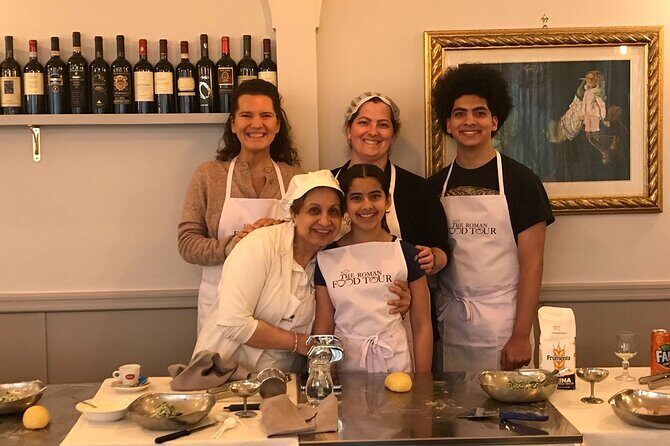
With a maximum of 12 travelers, this class typically lands in that sweet spot between social and hands-on. Many people highlight that the small group supports individual attention while still feeling fun and lively.
Still, one practical caution: if your date runs heavier than expected, you may get less one-on-one help and more waiting around while others catch up. That doesn’t mean the class won’t be good, but it can make it feel less personal. If you’re the type who wants lots of hands-on correction, aim for less busy time slots when you can.
Who this class is best for (and who should skip)
This is a strong pick if you want a break from walking, you enjoy cooking, and you’d like a meal plan that’s already solved. It also works well for families. People mention it as a fun option with children (including kids in the 9 to 11 range), because the steps are guided and the final food is a payoff you can taste immediately.
It may be a poor fit if:
- You need vegan cooking (not recommended)
- You’re lactose intolerant (not recommended)
- You have an egg allergy (not recommended)
- You’re gluten intolerant/allergic (not recommended)
The class says substitutes are offered for allergies or preferences, but the traditional instructions still focus on recipes containing gluten, dairy, and eggs. They also cannot guarantee 100% free of cross-contamination. So if your needs are strict, double-check with the provider before booking and be ready with a backup plan.
For seasoned cooks, it’s still enjoyable, but don’t come expecting a full “from scratch everything” workshop. The focus stays on pasta dough and making the pasta and tiramisu you’ll eat.
Price and value: what you’re really paying for
At $71.35 per person for about 3 hours, you’re paying for:
- Instruction (English-speaking guide support)
- Ingredients and the tools needed to make fresh pasta and tiramisu
- A full sit-down lunch or dinner
- Welcome Prosecco plus wine with the meal and soft drinks
That combination is the value. In a city like Verona, it’s easy to spend close to this on dinner alone. Here, you’re basically trading your usual restaurant meal for a guided cooking session that ends as a meal you helped create.
Also, the “small group” cap and hands-on nature matter. If you’ve ever done a cooking class that feels like a production line, you’ll appreciate the structure here designed for individual attention.
Practical tips to make your session smoother
- Wear something you can get a little dough on. Pasta dough can be messy even when you’re careful.
- Bring a question list. Pasta dough and tiramisu have a few common trouble spots; asking upfront helps you fix mistakes while there’s still time.
- If you want more wine energy, consider scheduling for the evening. People specifically call out the evening vibe for extra Prosecco and wine.
- If you have dietary restrictions, contact the provider first. Substitutes exist, but cross-contamination can’t be fully avoided.
Should you book this Verona pasta and tiramisu class?
Book it if you want an easy, social, high-payoff meal experience in Verona. This is ideal for couples, friends, and families who want to learn real Italian cooking basics—fresh pasta dough and tiramisu—then eat a satisfying lunch or dinner with wine.
Skip or reconsider if you have gluten, lactose, egg, or vegan requirements that are strict. The class leans traditional, and they can’t guarantee a fully contamination-free kitchen. Also, if you’re an advanced home cook looking for a deep sauce workshop, adjust your expectations: this is more about dough, pasta-making, and dessert assembly than about teaching every sauce technique from scratch.
If your goal is to leave Verona with skills you can actually repeat at home, plus a fun story you’ll tell later, this class is a solid bet.
FAQ
What does the class include?
You’ll get lunch or dinner, wine and soft drinks, tiramisu, a welcome glass of Prosecco, and an English-speaking guide.
How long is the cooking class in Verona?
The experience runs for about 3 hours.
Is there a limit on group size?
Yes. The class has a maximum of 12 travelers.
Is the class offered in English?
Yes. It includes an English speaking guide.
Is it suitable for vegan diets or lactose intolerance?
No. It is not recommended for Vegans or Lactose Intolerants.
Is it safe for egg allergy or gluten intolerance?
It is not recommended for people with egg allergy or for people with gluten intolerance or allergy. Substitutes may be offered, but recipes stay focused on the traditional version and cross contamination can’t be fully guaranteed.
Will I drink wine during the experience?
Yes. You receive a welcome Prosecco, and wine is included with your meal (with options listed for red and white wine, plus non-alcoholic beverages).