REVIEW · VERONA
Verona: Pasta & Tiramisu Cooking Class at a Local’s Home
Book on GetYourGuide →Operated by Cesarine · Bookable on GetYourGuide
If you want Italy with hands-on joy, do this. In Verona, this Cesarine home class has you rolling sfoglia by hand and making tiramisu, with an Italian aperitivo starting the night. The trade-off: it takes place in a private home and it is not suitable for wheelchair users.
I like that this is genuinely small—up to 12 people—so you get direct attention while you cook. You also eat what you make, paired with wines, and you get practical instruction in English alongside Italian support from the host.
In This Review
- Key things that make this Verona cooking class worth your time
- A Cesarine home kitchen in Verona, not a big tour factory
- Prosecco aperitivo and why the start sets the tone
- Rolling sfoglia by hand: the skill you’ll remember
- Two iconic pastas, made from scratch
- Tiramisu instruction: the sweet payoff, not an afterthought
- Lunch or dinner at the table: wine with the work you did
- Why the price feels fair for Verona (and when it might not)
- Who this cooking class suits best
- Practical details that help you feel prepared
- Should you book the Verona pasta and tiramisu class?
- FAQ
- How long is the Verona pasta and tiramisu cooking class?
- How big is the group for this cooking class?
- Where does the class take place, and when do I get the address?
- What aperitivo is included at the start?
- What dishes will I learn to make?
- What beverages are included in the experience?
- Is this experience wheelchair accessible?
- Can I cancel for a refund?
Key things that make this Verona cooking class worth your time
- Small-group limit (max 12) means you spend less time watching and more time cooking
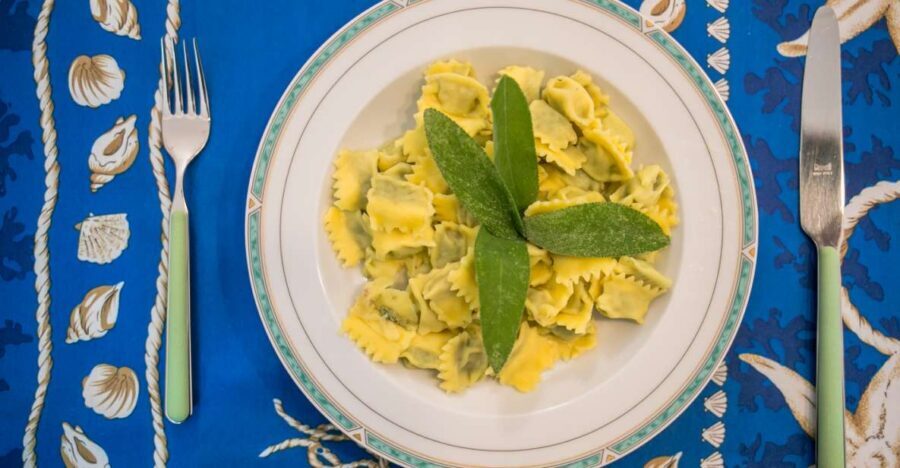
- Hand-rolled fresh pasta (sfoglia) instead of premade dough
- Two iconic pasta types made from scratch with your host, plus a classic tiramisu
- Italian aperitivo first with prosecco and nibbles to get you in the mood
- Personal home setting taught by Cesarine hosts like Michela and Adele, who emphasize welcome and hands-on learning
A Cesarine home kitchen in Verona, not a big tour factory
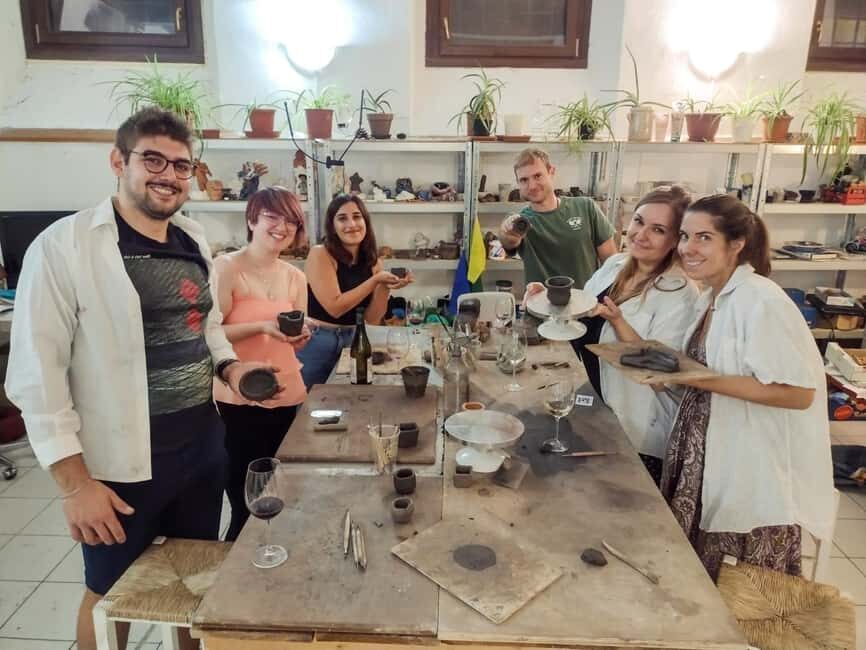
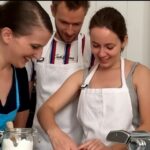
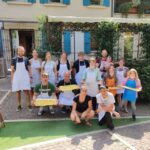
This is a Verona food experience built around a simple idea: real Italian cooking happens at home. The Cesarine network connects travelers with local home cooks, and this class runs in a private residence, not a formal studio kitchen. That changes the vibe fast. You’re not fighting for elbow space, and the pace feels more like cooking with friends than being herded through stations.
The group cap matters. With a maximum of 12 people, you can actually ask questions while you’re kneading, rolling, and shaping. In the past sessions tied to this format, hosts such as Michela and Adele have been praised for being kind, generous, and actively involved—so you’re not just following a script. The instructor speaks Italian and English, which helps if you want clarity while still hearing the Italian terms that make pasta-making feel real.
One thing to keep in mind: because it is in a home, the setup can be compact and it is not designed for wheelchair access. If mobility is an issue for you, it’s worth thinking twice before booking.
Other pasta and tiramisu classes in Verona


Prosecco aperitivo and why the start sets the tone
You begin with an Italian aperitivo—prosecco and nibbles—meant to warm up your appetite and relax you before you start cooking. This is more than a token drink. It signals the rhythm of the evening: in Italy, food often starts with conversation, then you cook, then you sit down and eat.
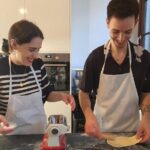
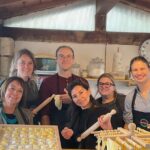
From there, the class moves into the hands-on work. You’ll learn how to roll sfoglia by hand and how to prepare two different types of pasta from scratch. Expect the host to guide your hands step-by-step: dough texture, rolling thickness, and shaping basics. Fresh pasta is one of those skills where small technique tweaks make a big difference, and a smaller class lets the host correct you in real time.
If you’re the type who panics when you’re given a task, don’t worry. The class structure is built around practice, and the reviews highlight hosts who make the lesson approachable—especially when families are involved. It’s not a stiff cooking demo; it’s an active workshop.
Rolling sfoglia by hand: the skill you’ll remember
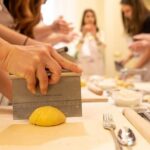
Rolling fresh pasta is the centerpiece skill in this class. You’ll learn to make and roll sfoglia by hand—no shortcuts, no machine-driven process assumed. That’s a big part of the value here. Once you understand dough feel and thickness, everything else gets easier: cutting, shaping, and even timing.
What you’re really learning is control:
- How the dough responds as you work it
- How to roll evenly without tearing
- How to judge thickness so it cooks right
Even if you only cook at home occasionally, this is the kind of technique that sticks. Pasta is deeply forgiving compared to baking, but fresh pasta still needs basic respect for texture and temperature. A home setting is useful here because the host can adapt to the group and show you what correct dough should look and feel like.
Also, you don’t learn just one pasta and call it a day. The sfoglia lesson is the foundation for two iconic pasta types.
Two iconic pastas, made from scratch
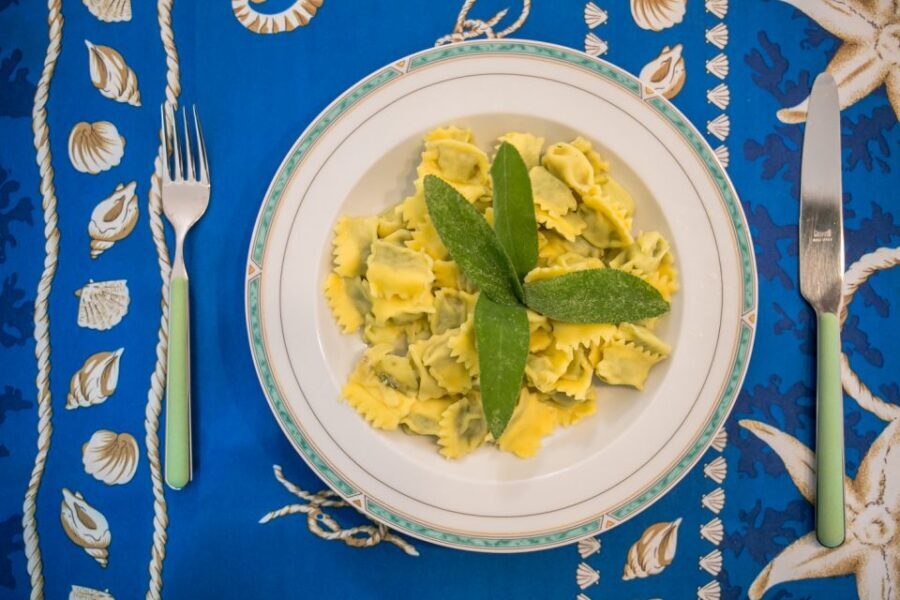
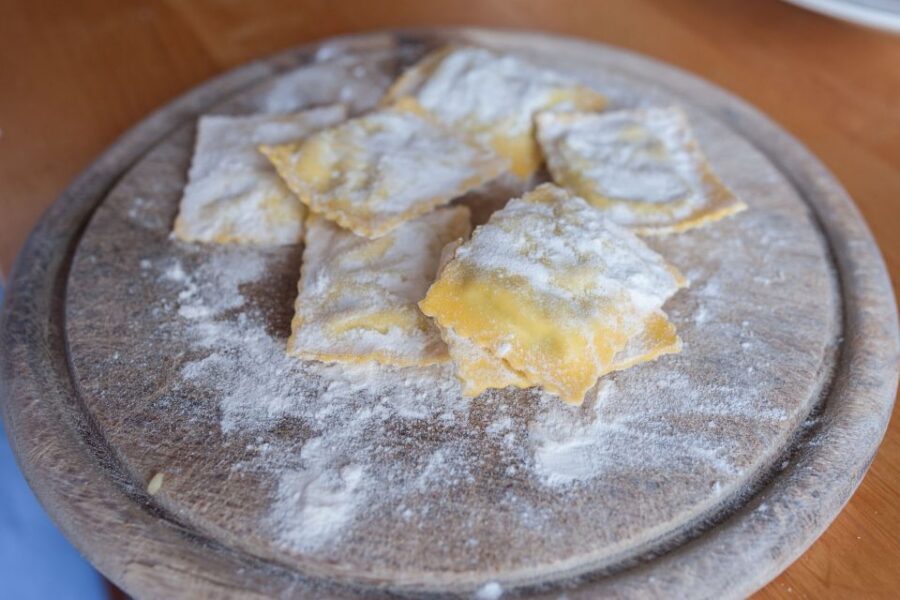
After your sfoglia basics, you’ll make two different kinds of pasta from start to finish. The exact pasta pair can vary by class, but the format is consistent: you’ll go from dough to shaped pasta with your host’s guidance, then you’ll taste your work.
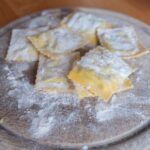
In past sessions, guides like Adele have led participants through ravioli and taghatelle/tagliatelle, with at least one version featuring asparagus alongside the tagliatelle. That combination is a great example of why two pasta types is smarter than one: you get practice with different shapes and different cooking approaches, and you leave with more than one recipe in your head.
Here’s what you should focus on while you cook:
- Don’t rush shaping. Accuracy matters with filling placement and seal quality.
- Keep an eye on dough thickness. Too thick or too thin changes the bite.
- Ask how to handle leftovers. Fresh pasta is best eaten soon, but you’ll likely want to know what to do if you make extra.
This is a practical class. You’re not learning pasta as a museum craft—you’re learning it as food you can make again.
Tiramisu instruction: the sweet payoff, not an afterthought
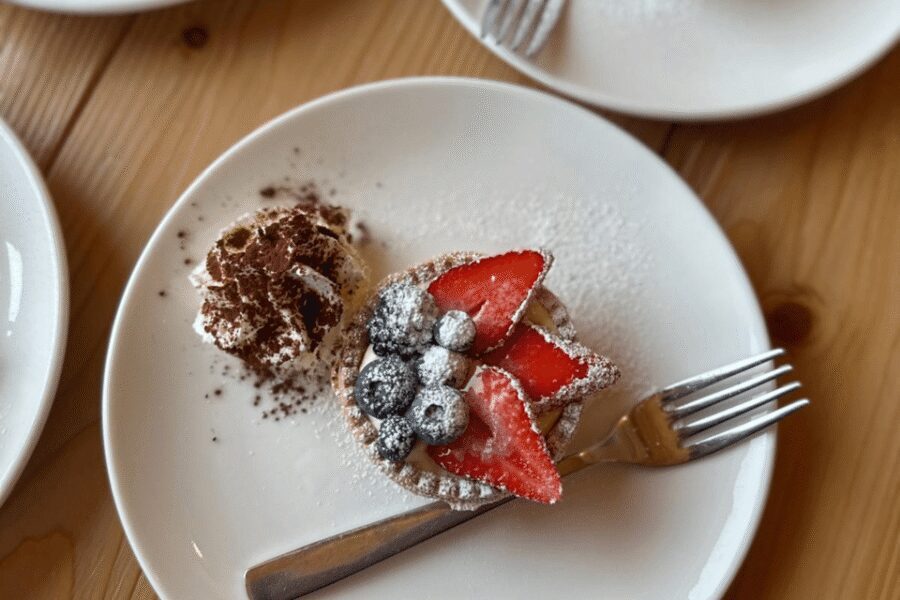
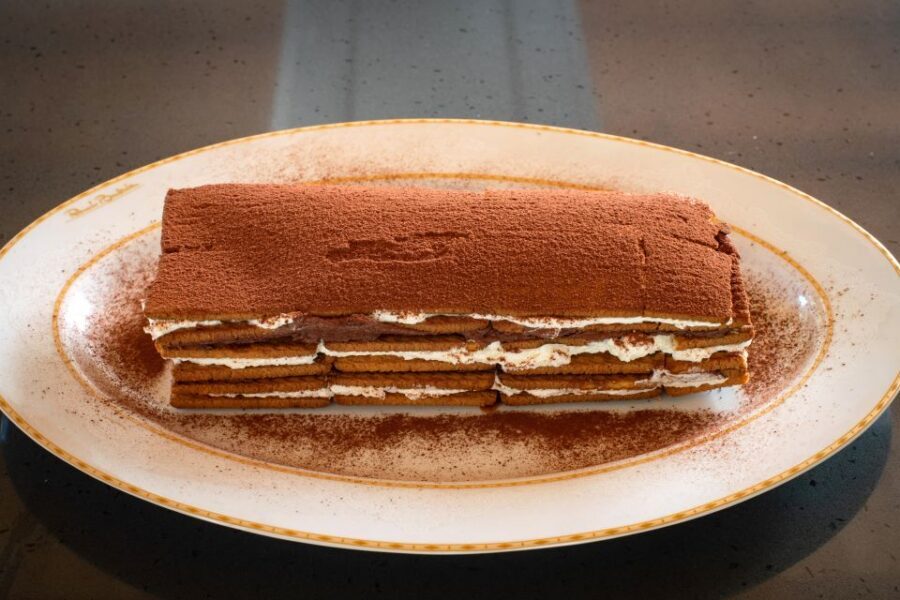
The tiramisu portion is a core part of the experience, not a dessert you just “get served.” You’ll learn how to prepare the iconic tiramisu as part of the class, and then you’ll taste what you make along with the pasta.
One reason tiramisu classes feel different is timing. Tiramisu is all about structure—cream texture, layering, and the ability to set enough to slice and serve. In at least one class experience linked to this format, the host started tiramisu early so it could set before tasting. That approach makes sense for groups: it gives the dessert the time it needs while everyone focuses on pasta.
As you work, the host will guide you through the assembly rhythm. Don’t treat it like just mixing ingredients. The magic is in how you layer and how the cream holds together. Once you’ve made it once in a guided setting, it stops feeling intimidating and becomes a repeatable recipe.
And yes, you’ll also get to eat it. That’s part of the pleasure: you’re not just learning technique; you’re sampling results with the group.
Other cooking classes in Verona

Lunch or dinner at the table: wine with the work you did
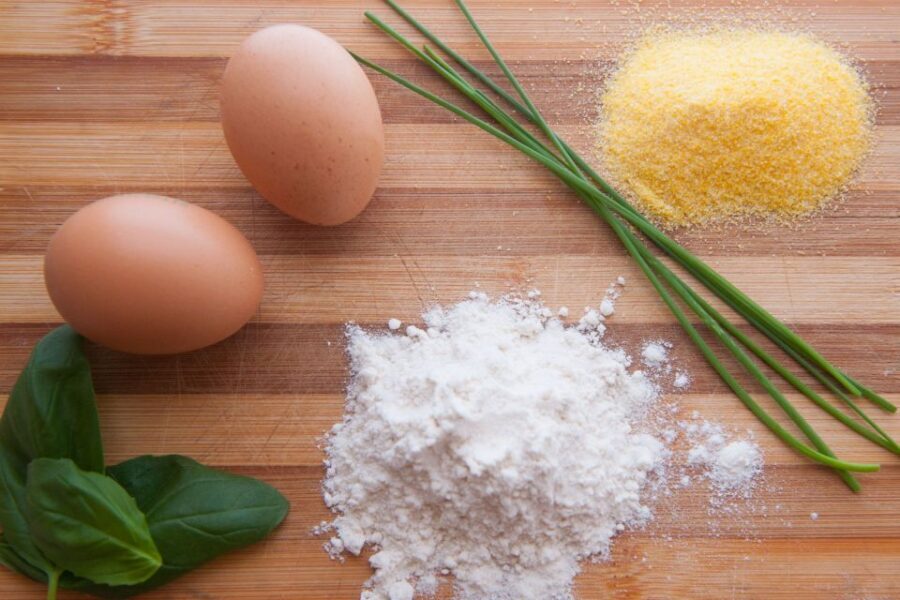
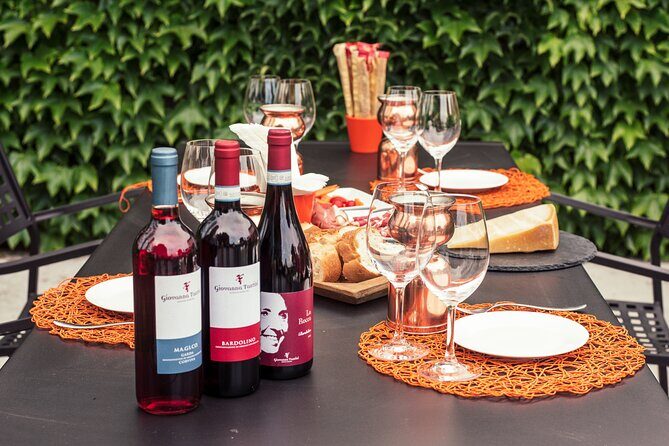
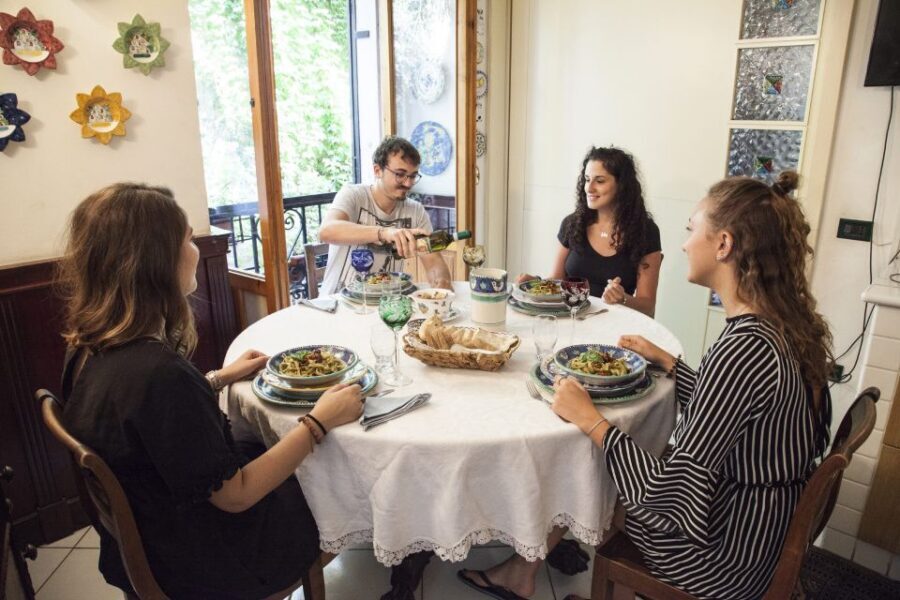
The class ends with tasting the two pasta recipes and the tiramisu. This is where the experience turns from activity into an actual meal. You’ll be eating the food you made—plus you’ll have beverages to go with it, including water, wines, and coffee.
You should expect an Italian-style pace:
- cook together
- taste together
- talk as you eat
This is also why the home setting works. In a restaurant class, you might finish and leave. Here, you eat in the same environment that trained your hands in the first place. That makes it easier to remember details later, like how the pasta looked at the right stage or what the host said about dough handling.
If you enjoy pairing food with drink, this package helps. The prosecco aperitivo gets you started, then the wines show up with the meal, and coffee rounds it off. For a lot of people, that’s the biggest “why” behind the price.
Why the price feels fair for Verona (and when it might not)
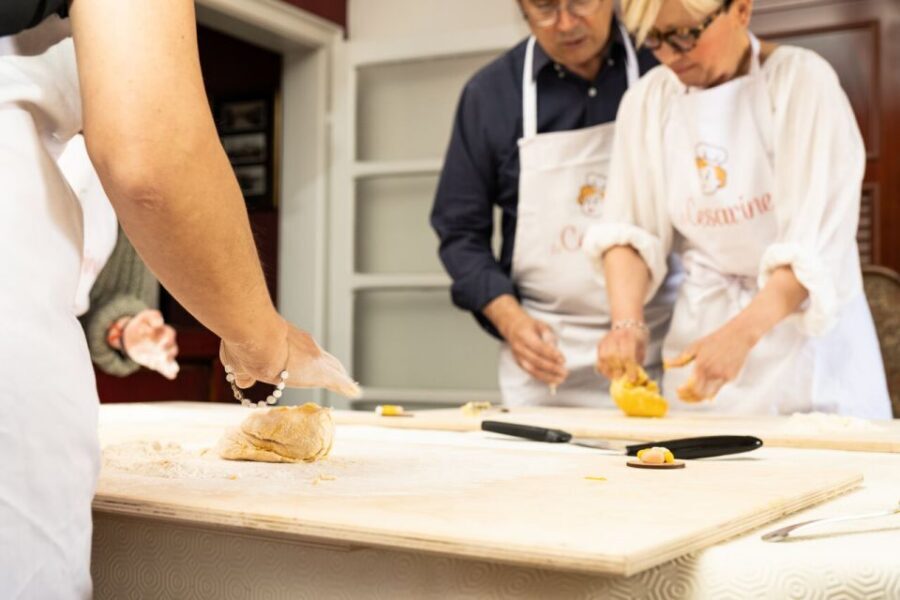
At $152.93 per person for about three hours, this isn’t the cheapest way to get pasta in Verona. But it’s also not priced like a budget take-a-photo-and-leave option. You’re paying for:
- A small-group home class (max 12)
- Instruction in making sfoglia
- Two pasta types from scratch
- Tiramisu-making instruction
- A shared tasting meal
- Drinks including prosecco for aperitivo, plus wines, water, and coffee
- Local taxes included
If you’ve ever taken a basic food tour where you pay for a few bites, the math often doesn’t work. Here, the meal is part of the deal. You’re not just tasting; you’re learning and producing. And because it’s taught in a private home, the experience can feel more personal than standard cooking schools.
When might it not be a fit? If you only want a quick taste and you’re short on time, the time commitment matters. Also, if you don’t enjoy hands-on cooking, you may find the class portion more work than you want.
Who this cooking class suits best
This Verona class is ideal if you want Italian food that feels practical, not performative. It’s also a strong choice for people who like structured learning—because the host is guiding dough, shaping, and assembly in real time.
It can work especially well for families. One of the standout details from the class feedback is that hosts have made the lesson suitable for kids, and that approach is exactly what you hope for when you travel with children. Fresh pasta can be fun, and tiramisu is a natural “everyone gets to participate” type of dessert if the host adapts the pace.
You’ll likely love this class if:
- you want a real recipe you can repeat at home
- you like small-group experiences
- you’re excited to learn hands-on technique
You might skip it if:
- you need wheelchair accessibility
- you only want a quick bite with zero hands-on work
Practical details that help you feel prepared
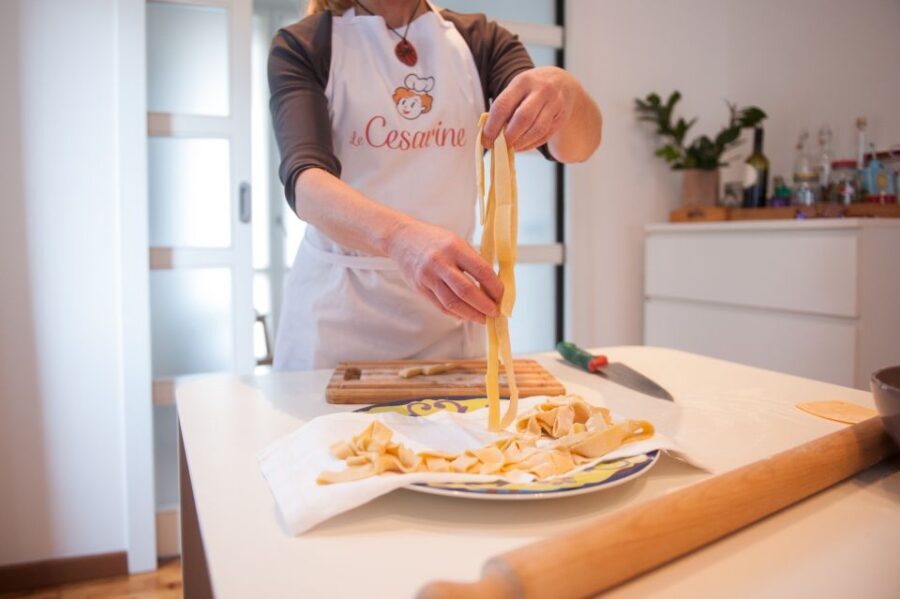
This is held in a local’s home, and for privacy reasons you only receive the full address after booking. The activity ends back at the meeting point, so it’s not one of those “you start here and end across town” experiences.
Duration is about three hours, and starting times depend on availability. The instructor speaks Italian and English, which helps if you want explanations without losing the Italian flair.
Because the class is in a private residence, expect a more “homey” setup than a commercial kitchen. That’s part of the charm, but it’s also why wheelchair access isn’t available.
If you’re traveling with dietary restrictions, the provided details don’t specify alternatives. You’ll want to reach out before booking if you have a serious need, since the class is focused on specific pasta and tiramisu preparation.
Should you book the Verona pasta and tiramisu class?
I’d book it if you want an authentic Verona food moment that isn’t just tasting. The combo is well thought out: sfoglia technique first, then two pasta types so you learn more than one shape, and then tiramisu so the dessert doesn’t feel like an afterthought. Add the small group size and the aperitivo and meal with wine and coffee, and you get a full, satisfying experience rather than a short stop.
If you’re on the fence, ask yourself one question: do you want to leave with cooking skills? If yes, this is one of the better-value ways to spend a few hours in Verona. If you only want light involvement or have accessibility concerns, there are likely other food tours that match you better.
FAQ
How long is the Verona pasta and tiramisu cooking class?
The experience lasts about 3 hours. Starting times vary based on availability.
How big is the group for this cooking class?
It’s a small-group class with a maximum of 12 people.
Where does the class take place, and when do I get the address?
The class is held in a local’s home. For privacy reasons, you receive the full address only after you have booked.
What aperitivo is included at the start?
The Italian aperitivo includes prosecco and nibbles.
What dishes will I learn to make?
You’ll learn to roll sfoglia fresh pasta by hand, make 2 iconic pasta types from scratch, and learn how to prepare tiramisu.
What beverages are included in the experience?
Beverages included are water, wines, and coffee. You’ll also have the prosecco aperitivo at the beginning.
Is this experience wheelchair accessible?
No. It is not suitable for wheelchair users.
Can I cancel for a refund?
Yes. You can cancel up to 24 hours in advance for a full refund.
If you’d like, tell me your travel month and whether you’re going with kids—I can suggest the best timing logic for booking a 3-hour class in Verona.