REVIEW · VERONA
Verona: Digital Guide made by a Local for your walking tour
Book on GetYourGuide →Operated by Walking Cap · Bookable on GetYourGuide
Verona, but at your own walking pace. This local-made digital guide helps you hit key Verona sights while staying in control of time, with audio stories that explain what you’re seeing and what to eat nearby. I also appreciate the clear routing, but a real-world drawback is that you’ll need a smartphone + internet, and on occasion the Google Maps link or audio can misfire.
Two things I like a lot: first, you get monument guidance plus silly-but-useful curiosities, not just dates and facts. Second, the food section is built into the walk, so you can go from history to lunch without hunting. The only caution is pacing: the walk is about 4.5 km, so plan for breaks if the heat or crowds push you slower than you expect.
If you want a self-guided tour that still feels human, this one has a solid reputation too, with a 4.3/5 rating from 106 reviews. At $7 per person, it’s priced like a budget add-on—but it’s also built like a full-day experience, because you can linger at monuments and repeat parts when you want.
In This Review
- Key highlights at a glance
- Price and logistics: what $7 really buys you
- Before you go: the phone setup that makes or breaks it
- Starting at Museo di Castelvecchio: your easiest “anchor point”
- Following the route toward Verona’s monuments (including the Duomo)
- Audio content that’s short, useful, and not just Wikipedia reading
- The food plan built into the walking tour
- Google Maps links: helpful routing, plus one thing to watch
- Pacing your day: flexible, but still structured
- Who this digital tour is best for
- A quick reality check: best-case and worst-case moments
- Should you book this Verona digital guide?
- FAQ
- How much does the Verona digital guide cost?
- How long is the tour and how far do I walk?
- Can I start the tour whenever I want?
- Where do I start the walking tour?
- Where does the tour end?
- What do I need to use the guide?
- Is an audio guide included, and what languages are available?
- Are monument entrance fees included?
- How long can I use the guide after purchase?
- Is the tour wheelchair accessible?
Key highlights at a glance

- Local voice + real anecdotes woven into the route, so the city feels lived-in rather than textbook
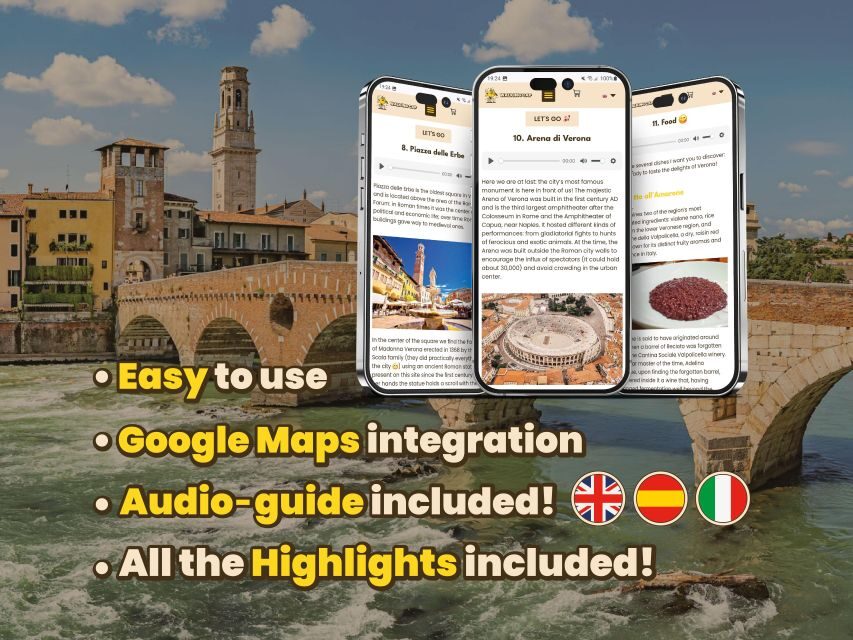
- Audio guide in English/Italian/Spanish, with a typed version as backup
- Google Maps-connected itinerary that routes you sight to sight on foot
- Food recommendations for authentic stops, including typical dishes to look for
- Flexible timing: you can pause, slow down, or skip parts without feeling behind
- A practical walking length of about 4.5 km, feasible without being a gym workout
Price and logistics: what $7 really buys you
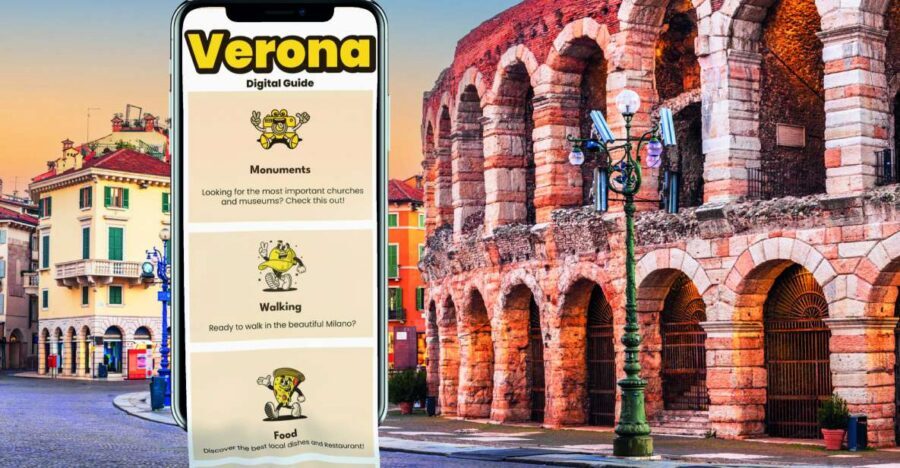
Let’s talk value first, because $7 for a Verona tour can sound almost too cheap—until you look at how the product is set up. You’re paying for a full digital audio experience plus a routed walking plan, and you’re not stuck with a fixed group schedule. You can start when you want, move at your pace, and spend extra time where the city pulls you in.
The big “value lever” here is control. Traditional tours can turn into sprinting between stops. This one is designed around the idea that Verona rewards wandering: you can stop for a photo, read the extra notes, pop into a monument, then continue when you’re ready.
One more practical note: monuments aren’t included. The guide helps you decide what’s worth your time, but entrance fees are not part of the price. That’s not a deal-breaker—just budget for the places you actually want to enter.
Other Verona walking tours we've reviewed in Verona

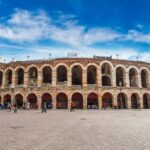

Before you go: the phone setup that makes or breaks it
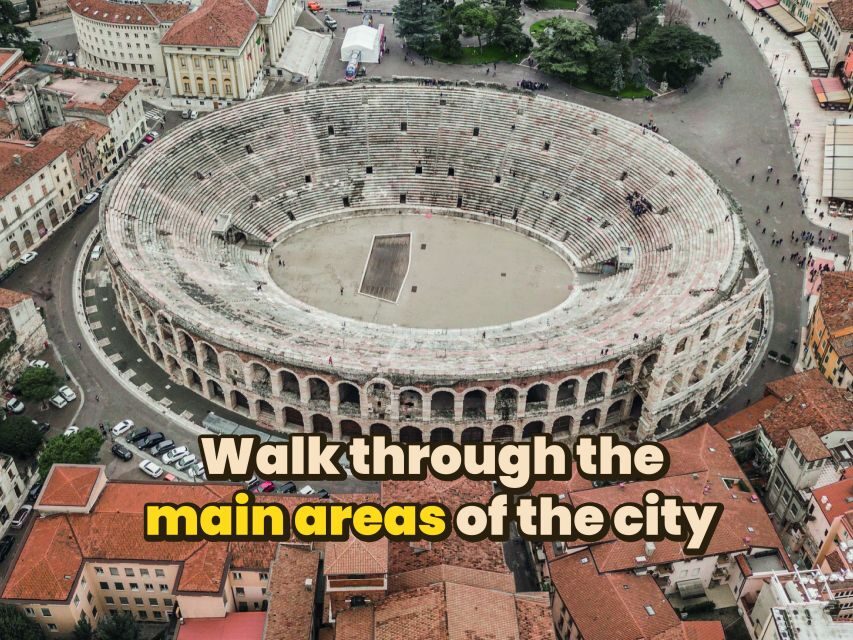
This tour is simple, but it depends on basics working smoothly. You’ll want:
- a charged smartphone
- internet access
After you purchase, you receive a link and password to start the experience, and you can use it for the booked day plus two extra days. That extra wiggle room is great if you arrive late, get delayed, or want to revisit the parts you rushed through.
You’ll also walk about 4.5 km. That’s not long for Verona’s sidewalks, but it is long enough that comfortable shoes matter. If you’re in a hurry, you might rush; if you’re not, you’ll enjoy how the route is paced for stopping and reading.
Audio is included and available in English, Italian, and Spanish. You should also expect both audio and typed content for the same moments, which helps when sound quality is bad or you want to skim.
Starting at Museo di Castelvecchio: your easiest “anchor point”
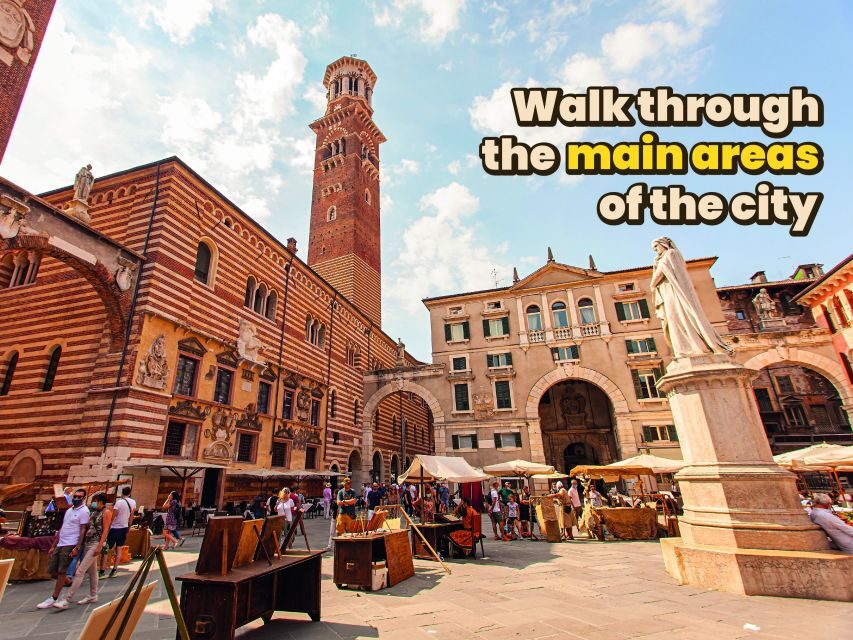
Your day starts in one of two ways, depending on how you arrive. If you get to Verona by train, the tour starts from the train-related meeting point. Otherwise, you’ll start at Museo di Castelvecchio.
I like this start because Castelvecchio is a strong anchor for a walking day. You begin in an area where you can get your bearings, then your route pulls you into the historic center. Even if you don’t know Verona yet, it gives you a logical starting “base,” so you’re not starting from a random plaza and guessing your direction.
What to expect at the beginning: the guide sets up the vibe quickly—what you’re about to see, why it matters, and what to pay attention to as you walk. Then you’re on rails, with Google Maps links guiding you to the next stop.
Practical consideration: take a minute at the start to confirm your language and volume. Once you’re moving, it’s harder to fuss with settings without missing the spoken intro.
Following the route toward Verona’s monuments (including the Duomo)
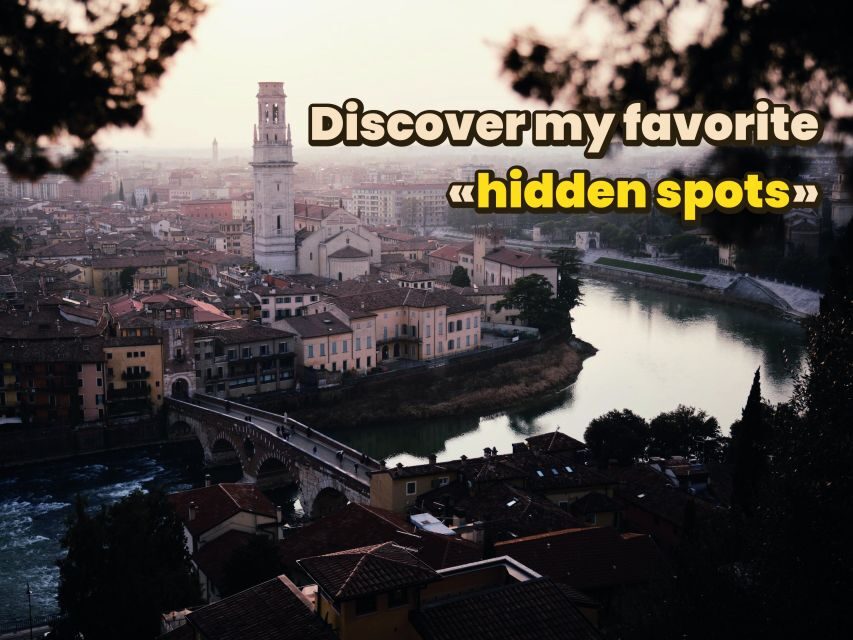
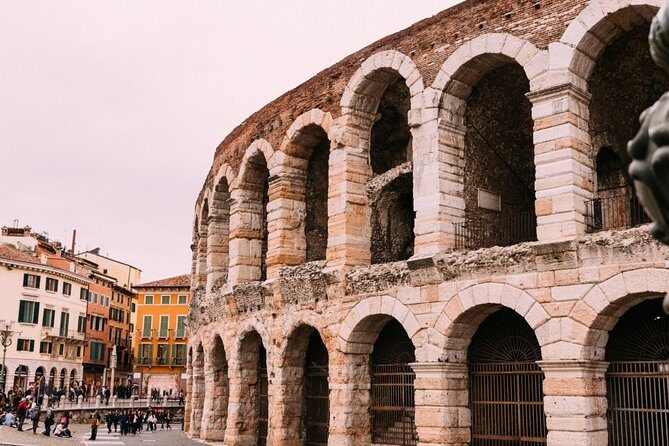
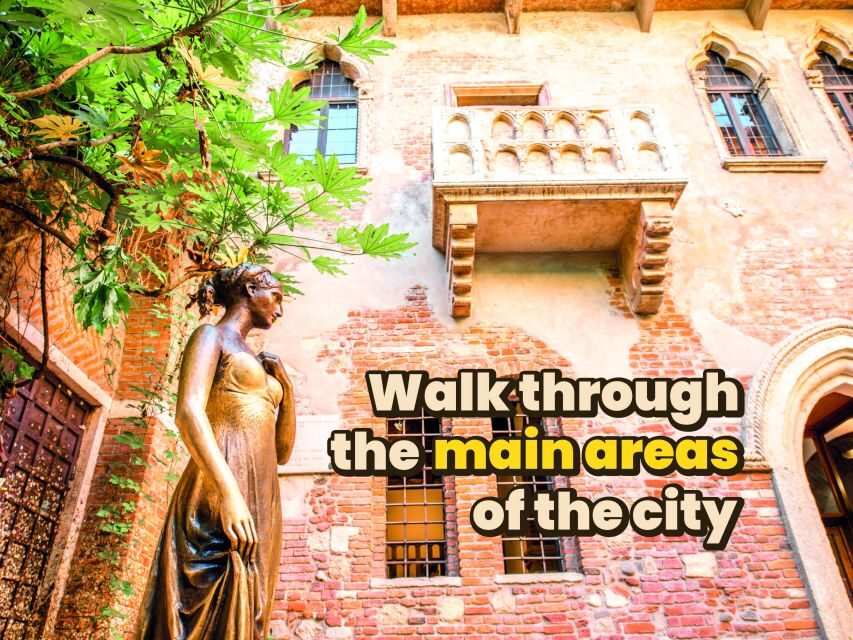
The tour is built around visiting Verona’s most important monuments at your own pace. One real detail that helps you plan: the route includes guidance to the Duomo area, and there’s a known hiccup where the Google Maps link can sometimes send you somewhere else, adding extra walking time.
That’s the key thing to know for your day: this is a digital guide with links. Most of the time, you’ll walk straight to the next place. But you should stay alert and confirm the destination once the link loads.
When things work, you get an experience that feels like a walking tour without the stress. You reach a monument, get a quick audio explanation, then decide:
- Do you want to go in?
- Do you want to stand outside and read?
- Do you want to move on?
This is where the self-guided setup shines. You’re not held to someone else’s timing. If a monument holds your attention longer, you can linger.
And because this is a day-long walking plan, it also helps you connect places mentally. You’ll stop in one area, learn how it fits into Verona’s story, then carry that understanding to the next.
Audio content that’s short, useful, and not just Wikipedia reading

Audio guides can be either great or painfully slow. This one aims for the middle ground. Many audio segments are about a minute each, which is a sweet spot while walking: enough time to learn something, without turning into background noise.
I also like that the audio isn’t only a voice track. The typed text supports the same points, so if you’re in a spot where audio is tough (wind, street noise, headphones issues), you can read instead.
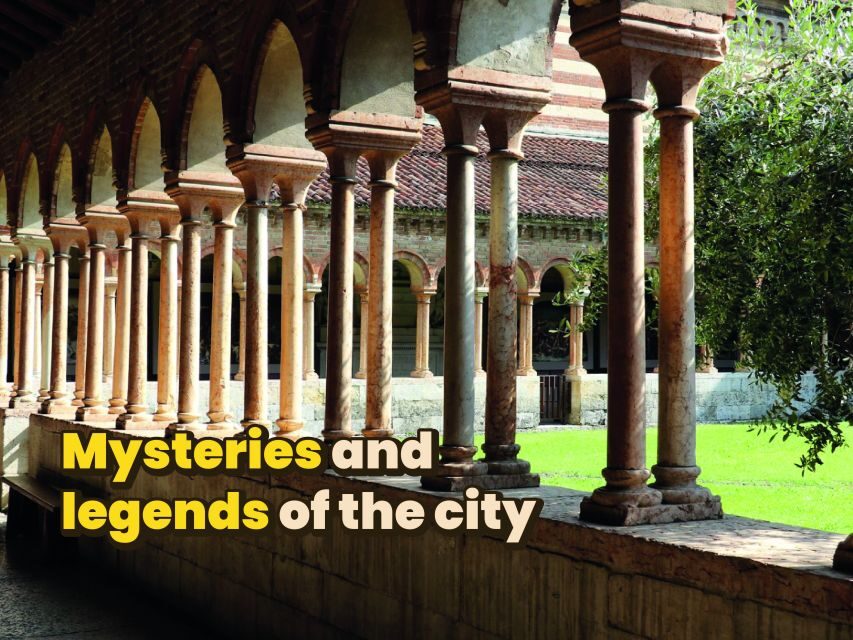
A pattern you’ll notice: the guide focuses on what you can actually see and interpret—plus anecdotes and trivia that add character. Some of the content leans into legends and curiosities, including weird-but-memorable details about the city and its monuments. That’s the stuff that makes photos more meaningful later, because you know the “why” behind what you’re looking at.
If you’re the kind of traveler who gets tired of straight facts, the mix of history + food + curiosities keeps the walk from turning into one long museum lecture.
Other self-guided tours in Verona
The food plan built into the walking tour
This is one of the most practical parts. The guide doesn’t treat food like an afterthought. It includes the food you should try and where to eat, with recommendations designed to feel local rather than touristy.
What you can expect here:
- typical dishes called out in the guide
- restaurant suggestions aligned with the areas you’re walking
- places favored by people who’ve spent their lives in Verona
I like this structure because it solves a common travel problem. When you only have a few hours, researching dinner in a new city can eat your time. Here, your “next move” can be food right when the walk brings you into the right neighborhood.
One caution: since entrance fees aren’t included and restaurant menus change, treat the restaurant tips as guidance. You’ll still want to check opening hours when you’re ready to go.
If you’re traveling with someone and you have different tastes, the best strategy is to use the guide’s dish suggestions to steer the decision, then pick the restaurant that fits your schedule.
Google Maps links: helpful routing, plus one thing to watch
The itinerary is connected with Google Maps, which is the right idea for a self-guided walking tour. In practice, it means you can tap to get directions instead of guessing streets.
There are two practical benefits to this:
- You spend less mental energy finding your way.
- You keep your attention on the sights instead of maps.
The drawback is also tied to the same system: on occasion, a link can take you to the wrong place. The duomo example is the clearest warning sign. If that happens, don’t panic. Just verify you’re at the correct landmark, then adjust your route.
My advice: when a new directions link starts, glance at the destination name. Confirm it matches the monument you expect. It takes seconds and saves you from the “why am I walking so far?” moment.
If audio cuts out, reloading the guide is usually simple. The key is to keep moving thoughtfully, because you’re in charge of the pacing anyway.
Pacing your day: flexible, but still structured
This tour is designed so you don’t feel like you must rush. The route covers about 4.5 km, and you can enter monuments when you want. That combination makes the walk realistic even if you’re not athletic.
Here’s how to make the flexibility work in your favor:
- Start earlier if you want more monument time without pressure.
- If you’re tired, skip an indoor stop and keep the pace steady.
- If something grabs you—like a view, a courtyard, or a facade—pause and read the related notes before moving on.
The guide gives you the structure. The city gives you the detours. That’s the balance I look for in a self-guided tour: enough guidance to prevent wandering, but enough freedom to keep the day yours.
Who this digital tour is best for
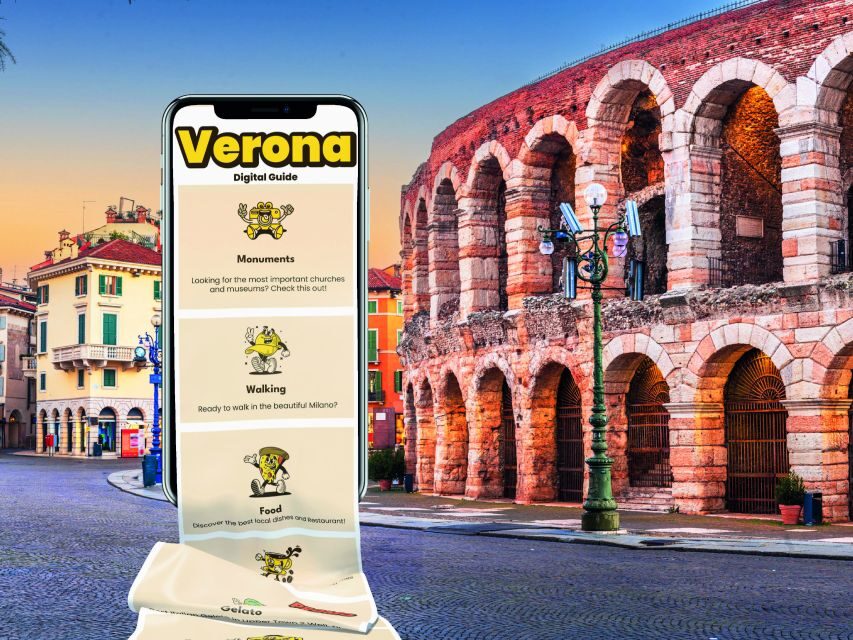
This setup is ideal if you:
- like city walking tours but hate the group timing pressure
- want a local voice and quirky context, not just official-looking history
- enjoy food discoveries as part of the route
- prefer self-paced sightseeing with clear navigation
It also works well for travelers who don’t want to commit to a full guided tour day, but still want more than a map app. You get a narrative thread as you walk.
If you’re the type who wants every stop fully planned with exact timing, this might feel too loose. The beauty is also the compromise: you choose how long you stay at each monument.
A quick reality check: best-case and worst-case moments
Best-case day: the audio runs smoothly, the Google Maps links land you right where you expect, and you spend your time choosing what to enter rather than trying to figure out where to go next.
The most likely “speed bump” is small: a misdirected map link to a monument (noted around the duomo) or audio that needs reloading. Neither of these ruins the experience, but it can cost a bit of time if you don’t catch it quickly.
That’s why I recommend starting with a short check at each new segment: confirm the destination, then press play.
Should you book this Verona digital guide?
If you want a low-cost way to explore Verona with a local perspective, this is an easy yes. At $7, you’re getting a multi-language audio guide, a routed walking plan, and built-in food guidance—plus the freedom to linger.
I’d especially recommend it when you:
- want control over pacing
- care about food as much as monuments
- like hearing anecdotes and curiosities while you walk
Skip it or think twice if you:
- dislike depending on smartphone internet
- hate any chance of map or audio glitches
- need a highly scripted, timed itinerary with no decisions
Overall, this is the kind of guide that makes Verona feel like a place you can move through at human speed, not a checklist you have to finish.
FAQ
How much does the Verona digital guide cost?
It costs $7 per person.
How long is the tour and how far do I walk?
The tour is valid for 1 day, and you’ll walk about 4.5 km.
Can I start the tour whenever I want?
Yes. Once you purchase, you’ll receive a link and password to start your experience, and you can start at any time based on your selected availability.
Where do I start the walking tour?
If you arrive in Verona by train, the tour starts from the train meeting point. Otherwise, you can start directly at Museo di Castelvecchio.
Where does the tour end?
The activity ends back at the meeting point.
What do I need to use the guide?
You need a smartphone with a charged battery and internet access.
Is an audio guide included, and what languages are available?
Yes. The audio guide is included and available in English, Italian, and Spanish.
Are monument entrance fees included?
No. Entrance fees are not included.
How long can I use the guide after purchase?
It can be used for the duration of the booked day plus 2 extra days.
Is the tour wheelchair accessible?
Yes, it is wheelchair accessible.