REVIEW · VERONA
Verona Small Group Walking Tour with Cable Car and Arena Tickets
Book on Viator →Operated by Walks In Europe · Bookable on Viator
Verona’s Roman heart starts with a cable car climb. This small-group walk links big landmarks with street-level stories, so you come away with a clear sense of where everything sits and why it matters. You also get prebooked access that helps you avoid the usual time sink.
I especially like the way the route ties together Verona’s center: Piazza Bra, the political squares, and the market area at Piazza delle Erbe. I also love that the guide experience can be very memorable, with guides such as Monica, Morris, Mauro, and Paola bringing different tones while still covering the same core sights.
One thing to consider: this is a walking tour with plenty of steps and long stretches on your feet. If you prefer minimal commentary or frequent pauses, you might find the pace and history-talk a bit heavy.
In This Review
- Key things you’ll notice right away
- Piazza Bra to St. Peter’s Hill: why the meeting point works
- The one-way cable car: uphill speed, downhill scenery
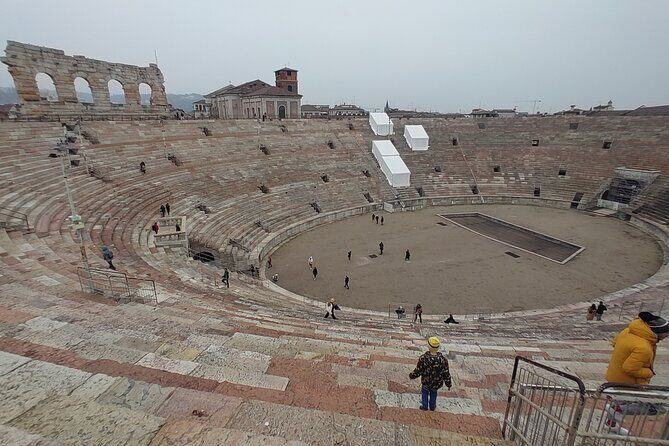
- Arena di Verona: reserved tickets and what you actually see
- Piazza Bra, palace facades, and the city’s public life
- Piazza dei Signori and the Dante moment
- Juliet’s House: balcony views without the indoor ticket
- Piazza delle Erbe: market square lessons and optional tasting
- Della Scala medieval tombs: seen from outside
- Walking, timing, and how to make it easier on yourself
- Price and value: what $71.38 buys you in Verona
- Who should book this tour, and who should skip it
- Should you book this Verona Arena and cable car walking tour?
- FAQ
- How long is the Verona Small Group Walking Tour with Cable Car and Arena Tickets?
- Where does the tour start and end?
- Is the Verona Arena included, and are tickets reserved?
- Is the Arena visit included on Mondays?
- What’s included at Casa di Giulietta?
- Are tastings at Piazza delle Erbe included?
- What happens if the Arena is closed for the Olympic Games?
Key things you’ll notice right away
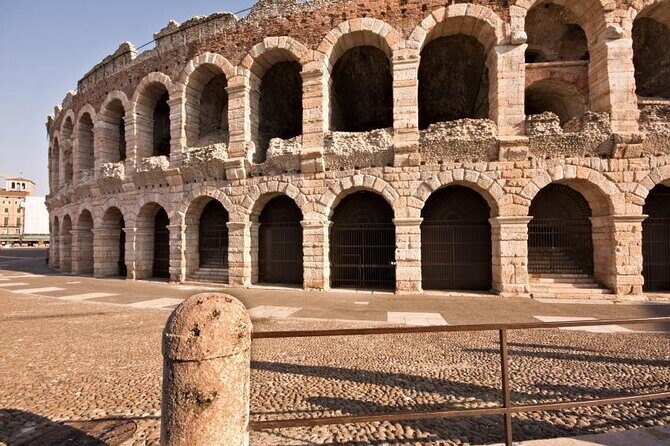
- Pre-reserved Verona Arena tickets help you skip long lines and focus on the site
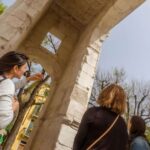
- One-way uphill St. Peter’s Hill cable car sets you up for huge views, with an easy walk back down
- A tight route through Verona’s squares (Piazza Bra, Piazza dei Signori, Piazza delle Erbe)
- Gladiator-era storytelling in the Arena corridors, not just quick exterior photos
- Juliet’s House courtyard and balcony area are covered, with no indoor visit
- Small group size (max 12) keeps the pace smoother and the questions easier
Piazza Bra to St. Peter’s Hill: why the meeting point works
The tour starts at Piazza Bra (P.za Bra, 10, Verona), right where Verona’s big sights and most main-street energy meet. That’s smart, because you’re not wandering in the dark at the beginning. In a couple of hours, you’ll connect the dots between the historic center and the hilltop viewpoint.
After you check in (aim to arrive 5 to 10 minutes early), you head for the one-way uphill cable car to Saint Peter’s Hill. Then you come back down on foot, which is the real trick: you get the view without turning the day into an all-day hike.
This is also where the small-group format shows up. With up to 12 people, you can keep moving while the guide explains what you’re looking at—palaces, squares, the layout of the old city—so you understand Verona as a place, not a list of stops.
And if you’re short on time, that matters. You’re guided through the kind of highlights you’d otherwise spend a full day building yourself.
Other Verona walking tours we've reviewed in Verona


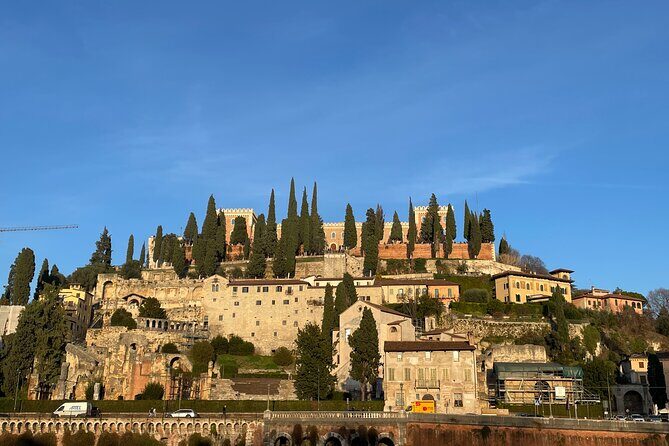
The one-way cable car: uphill speed, downhill scenery
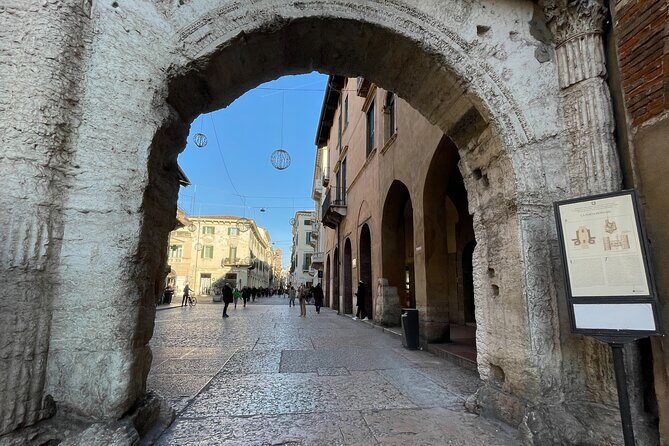
The cable car ticket covers the uphill ride only. Walking downhill afterward is part of the experience, and it gives you a natural way to spread out the day. Instead of rushing straight from view to monument, you absorb the river area and the feel of the city as it slopes back toward the center.
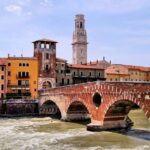
From the hill, you get a strong sense of scale. Verona doesn’t feel like a flat postcard when you see how the neighborhoods stack around the Adige River corridor. You also get a quick win for orientation—after this, you’ll usually find it easier to navigate without constantly checking maps.
One practical note: even though the cable car reduces the hardest ascent, you’re still on your feet for the overall tour. Wear shoes you’re comfortable walking in for several miles total, and expect steps in older-city sections.
If the weather is bad, this kind of route can still work, because your big view moment is scheduled early and doesn’t require searching. Rain can make steps slippery, though—slow down in stone areas and you’ll be fine.
Arena di Verona: reserved tickets and what you actually see
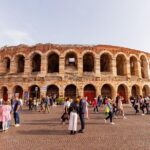
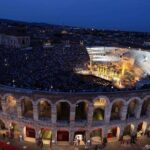
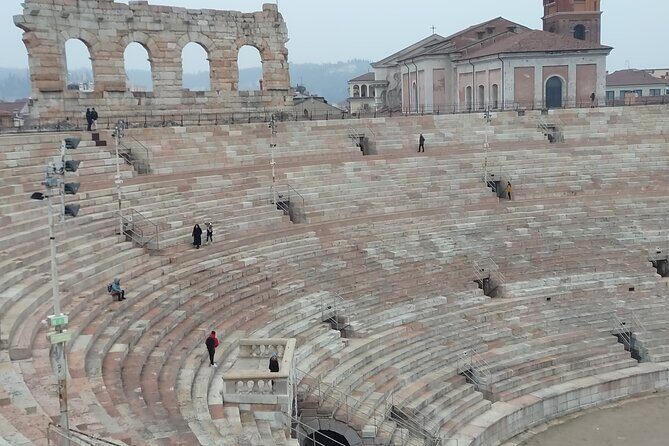
The highlight that most people are booking for is the Verona Arena. Your tickets are pre-reserved (when you select the Arena access option), which is a major value point in a city where lines can be long.
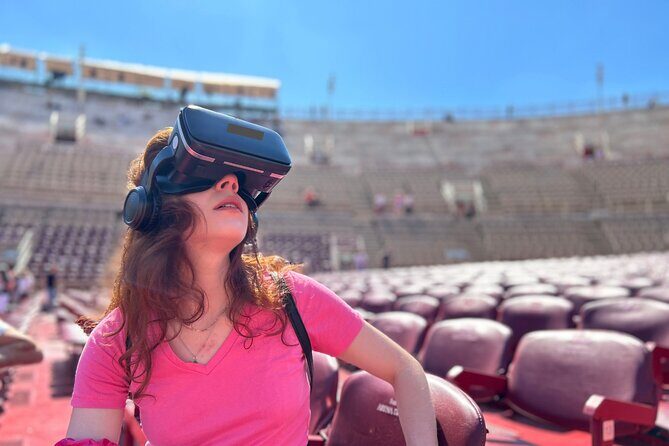
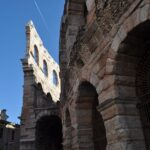
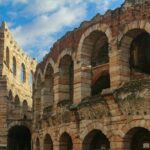
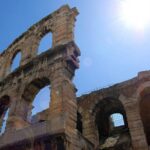
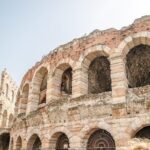
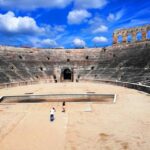
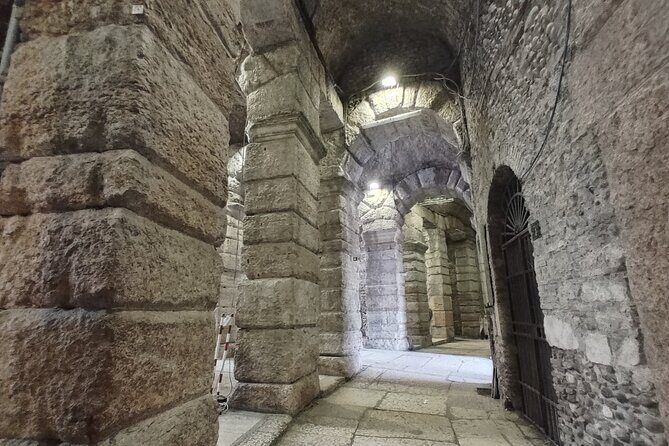
Inside the monument, you’ll focus on the Arena’s impressive structure: its corridors and galleries and the stories tied to gladiators and public spectacles. You’re not just looking at the outside wall and hoping you understand what made it so important. The guide connects the architecture to the human drama that once happened there.
Two schedule realities matter:
- Mondays: the Arena is closed, so Arena visits aren’t included on those days.
- Jan 7 to Mar 20 (Olympic period): the Arena is closed, and you’ll instead see it from the outside while your guide explains its history.
If your travel dates fall into either of those windows, you’ll still get the context, but you should adjust expectations: you won’t get the full interior experience.
Also, remember the tour visits the Arena for about 40 minutes, so it’s not a slow museum crawl. It’s the right length for first-timers who want the big picture without losing half a day.
Piazza Bra, palace facades, and the city’s public life
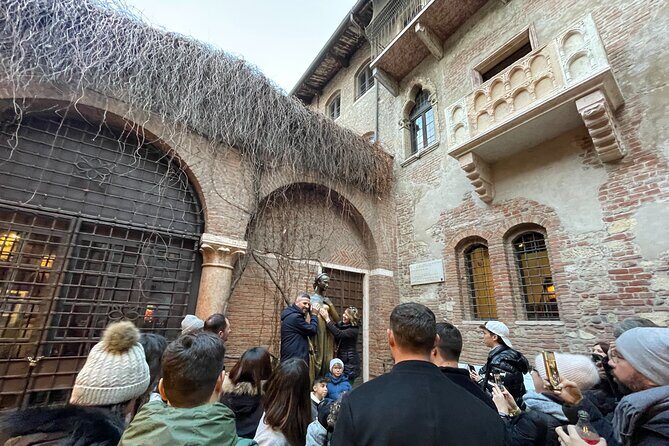
After the hill view, you return into the historic center at Piazza Bra, the wide-open heart near the Arena. This is a great starting square because it shows Verona’s “public stage” feel—people watching, café life, and the grand backdrop of historic buildings.
Your guide points out elegant palaces and older structures around the square. What’s useful here is how the stories connect architecture to power and everyday life. You get a sense of how Verona’s center functioned before cars and modern streets changed pedestrian flow.
A key benefit of having a guide at this stage: you don’t have to figure out what to notice. Even if you’re not a history nerd, you’ll still understand what you’re looking at when you see a facade change style, or when a square suddenly feels political rather than just scenic.
If you want food ideas later, this is also where the tour sets you up. Verona’s food culture shows up again at Piazza delle Erbe, and you’ll already know how to place it geographically.
Piazza dei Signori and the Dante moment
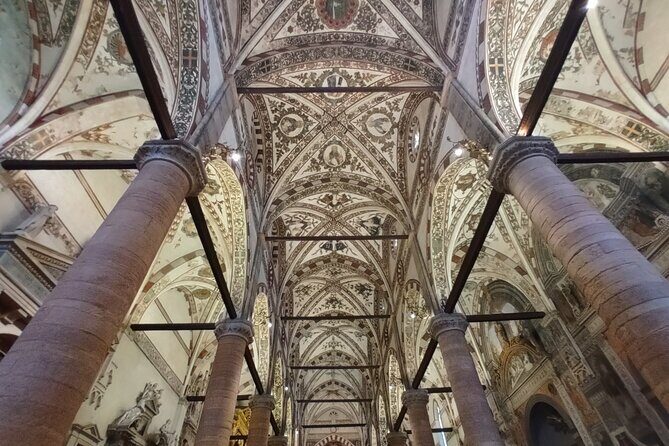
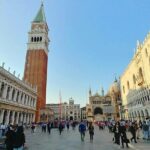
The tour then moves to Piazza dei Signori, once the political heart of Verona. This square is more than a photo stop. You’ll see important historic palaces and houses, and the guide explains why this space mattered.
One of the most memorable anchors is Dante Alighieri’s statue. Even if you’re not deep into Italian literature, the statue works as a clean reference point: it helps you remember that Verona wasn’t only Roman in origin—it also became a stage for medieval and civic identity.
This part of the tour tends to be where the stories either click for you or start to feel like too much. If you enjoy learning how personalities, families, and city roles shaped places over time, it’s a strong stop. If you prefer faster site viewing with fewer eras layered together, you may want to mentally park some of the extra timeline detail and focus on the physical landmarks.
Either way, it’s one of the best ways to understand Verona as a living city with political roots, not only as a romance-themed stop.
Other Verona Arena tours we've reviewed in Verona

Juliet’s House: balcony views without the indoor ticket
You’ll stop at Casa di Giulietta, the place tied to Shakespeare’s Romeo and Juliet. This is one of those Verona moments where expectations run wild, so it helps to know what you’re actually getting.
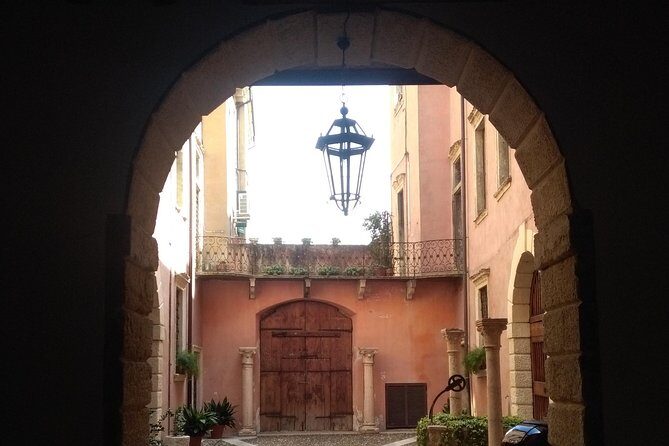
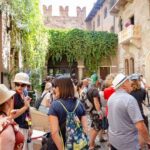
The tour includes an outdoor visit only. You’ll see the area associated with the balcony story, plus the courtyard where there’s a Juliet statue for photos and a bit of good-luck tradition.
The indoor side is not included. So you’re not paying time for museum-style rooms or added ticket lines inside the house.
There’s also a practical variable to keep in mind. Access can change due to local authority decisions with short notice, and guides may adjust what they can do at the site. In other words: don’t plan your entire emotional arc around an exact sequence of doorways.
If your goal is to see the iconic Juliet imagery quickly and then move on, this fits well. If you specifically want a full indoor experience, you’ll need separate time.
Piazza delle Erbe: market square lessons and optional tasting
Next is Piazza delle Erbe, one of Verona’s main squares and a market area with roots that go back to Roman times. This stop is where the tour connects Verona’s past with its current rhythm.
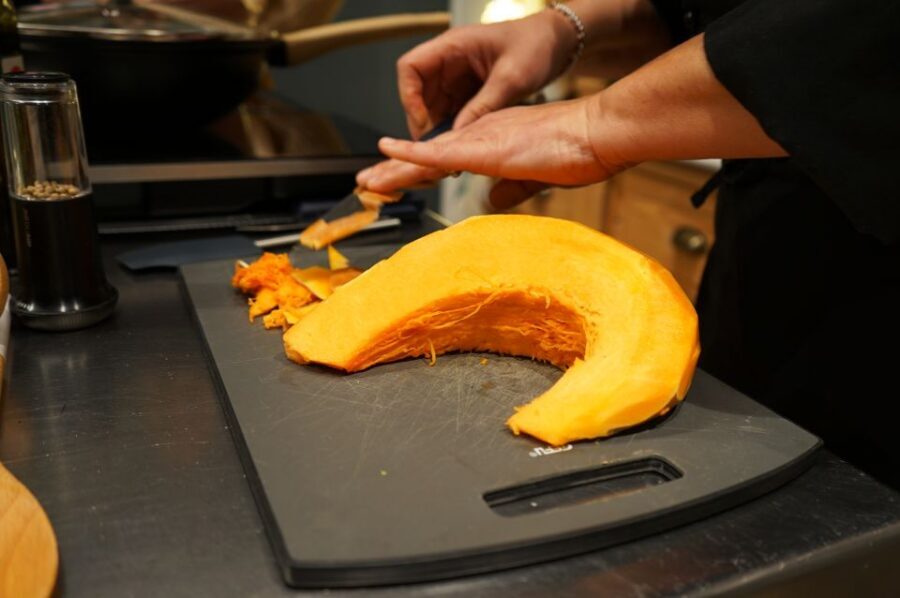
You’ll walk through the colorful outdoor market space, and you’ll learn about Verona’s food culture from your guide. This is a good moment to switch gears: you’ve been looking at power, architecture, and ancient spectacle. Now you’re learning what locals actually eat, buy, and talk about.
Important for expectations: tasting and shopping at Piazza delle Erbe are optional and not included in the guided portion. So you’ll get guidance and context, but you still have to decide on your own whether you want to snack during free time.
This stop is one of the easiest places to enjoy without pressure. Even if you skip tastings, the medieval surroundings and market layout still make it a satisfying walk-and-look area.
And once the tour finishes, you’ll know you’re in the center of action—so you can return later for dinner without doing a second orientation tour.
Della Scala medieval tombs: seen from outside
As you continue through the center, you’ll also see the Della Scala Medieval Tombs from outside. This isn’t an interior visit. It’s a visual stop where the guide explains what you’re looking at and why the Scaliger name matters in Verona’s medieval era.
This is a nice example of how the route balances big-ticket stops (Arena, cable car, Juliet) with quieter historical context. If you like your history grounded in actual structures you can see—even from the street—this part helps.
It’s also a reminder that Verona’s identity isn’t a single storyline. Roman amphitheater. Medieval civic power. Renaissance romance. You get all three flavors in one afternoon.
Walking, timing, and how to make it easier on yourself
The tour runs about 2 hours 30 minutes to 3 hours. It’s designed as a compact way to hit major sights without turning into a full-day endurance test.
That said, it’s still a walking tour. Expect several miles of walking and enough steps to notice them in your legs by the end. One person even described it as close to five miles. Another noted it felt nonstop with no real sit-down breaks. So if you need regular rest stops, plan extra stamina.
For audio, experiences seem mixed. Some people mention headsets or earplugs being used to help with hearing the guide. One person reported not getting earphones. If you’re sensitive to sound quality, arrive with a good expectation: stand where you can hear, and don’t be shy about stepping closer when the group pauses.
Finally, this is not a drop-in tour. If you show up late, you can’t join after it starts. Being early isn’t just polite—it protects your whole experience.
Price and value: what $71.38 buys you in Verona
At $71.38 per person, the price can feel like a deal—if you use what’s included.
Here’s what you’re paying for in practical terms:
- Small group tour (max 12)
- Expert local guide doing more than reading a script
- One-way uphill cable car ticket
- Pre-reserved Arena tickets (when Arena access is selected)
- A route that strings together multiple high-value stops in a tight timeframe
Without those prebooked tickets, you’d likely spend time waiting and lose some of your day. That’s the value point. You’re paying to buy time and reduce stress.
Also, note what’s not included: Piazza delle Erbe tastings and any indoor Juliet visit. You can still choose snacks on your own, but you aren’t locked into a set menu.
If your goal is to get oriented fast and leave with a game plan for the rest of your Verona days, this price often feels fair.
If you’re the type who only wants one or two major sights and prefers self-guided pacing, then a guided route might feel like more cost than benefit.
Who should book this tour, and who should skip it
I think this fits best if you:
- Want an efficient first pass through Verona’s major squares
- Like guides who explain how Roman, medieval, and civic stories connect
- Are booking a short visit and want to choose your next stops with confidence
- Appreciate reserved ticket access at the Arena
It might not be your best match if you:
- Prefer fewer explanations and more silent walking
- Have mobility limits and need frequent breaks
- Want an indoor experience at Juliet’s House (this tour keeps it outdoor)
In the guide department, there’s a lot of strength here. Monica and Mauro are examples of guides praised for energy and humor. Carla is noted for checking group pace when people stray. Morris and Paola are also mentioned for making the history feel clear and usable. Different personalities, same overall structure: see the spots, understand the why.
Should you book this Verona Arena and cable car walking tour?
If this is your first time in Verona and you want to leave with city orientation plus the key sights in one tidy afternoon, I’d book it. The combo of Arena tickets, hilltop views, and a guided walk through the squares is the kind of “high return” planning that saves you headaches later.
If you’re in Verona for several days and already know you’ll do deep dives at the Arena and Juliet separately, you might skip the guided portion. But if you want a smart shortcut that stitches the whole city together, this tour does that well.
Just go in with the right expectation: it’s a walking day with stairs. Bring comfortable shoes, plan for sustained standing, and you’ll get far more out of the stories.
FAQ
How long is the Verona Small Group Walking Tour with Cable Car and Arena Tickets?
It runs about 2 hours 30 minutes to 3 hours.
Where does the tour start and end?
It starts at Piazza Bra (P.za Bra, 10, 37121 Verona VR, Italy) and ends back at the same meeting point.
Is the Verona Arena included, and are tickets reserved?
Yes, the tour includes Arena pre-reserved tickets if you select the tour with Arena access.
Is the Arena visit included on Mondays?
No. The tour does not enter the Arena on Mondays because it is closed.
What’s included at Casa di Giulietta?
You visit the Juliet’s House area outdoors, including the courtyard and the balcony area. The indoor visit is not included.
Are tastings at Piazza delle Erbe included?
No. Tasting and shopping at Piazza delle Erbe are not included, and you can explore on your own if you want.
What happens if the Arena is closed for the Olympic Games?
From January 7th to March 20th, the Arena will be closed. The tour will instead show you the Arena from the outside while your guide explains its history.