REVIEW · VERONA
Verona Small Group Guided Walking Tour: Romeo & Juliet and More
Book on Viator →Operated by LivTours · Bookable on Viator
Two hours in Verona feels like a love story. This small-group walk starts at Piazza Bra and strings together Verona’s Romeo-and-Juliet legend with Roman-era landmarks—Juliet’s balcony, the Arena di Verona, and the oldest bridge over the Adige—inside a UNESCO World Heritage setting.
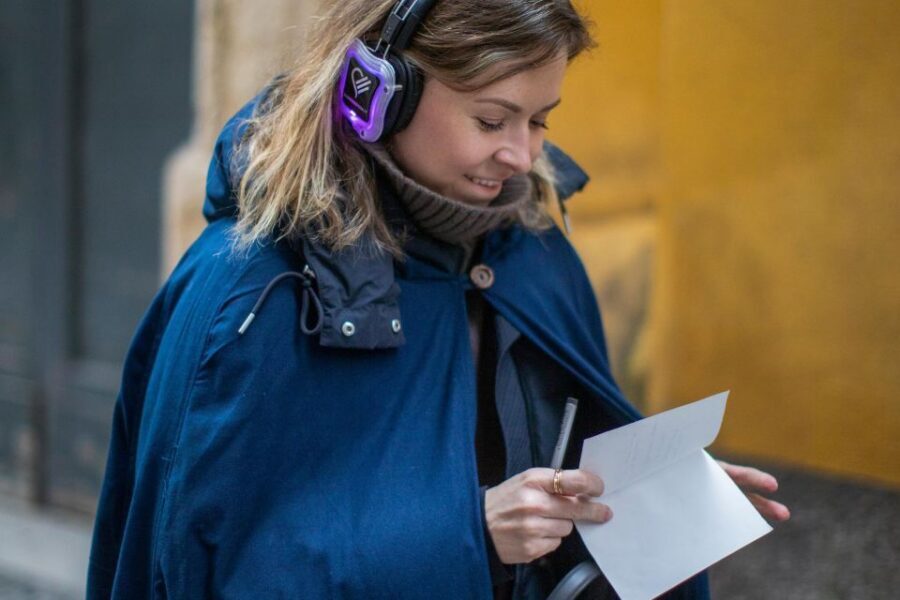
I really like two things about this tour. First, it caps at six travelers, so you’re not lost in a crowd when you ask questions or want a bit more context. Second, the guide focuses on the City of Love angle, so the stops connect as a story instead of separate photo stops.
One consideration: with a duration of about two hours, you’ll hit the big highlights and keep moving. If you want lots of slow wandering on your own afterward, plan for extra time beyond the tour.
In This Review
- Key things I’d bet on (before you book)
- Piazza Bra: the perfect kickoff point for a first Verona visit
- Juliet’s balcony: myth, theatre, and what you can actually learn
- Roman Verona in one walk: Arena di Verona and the ancient theatre feeling
- Ponte Pietra and the Adige River: the slow-breath break in a fast city
- A six-person group changes how the guide can teach
- Timing and route feel: what two hours actually buys you
- Price of $188.09: is it worth it?
- Practical stuff that makes the day smoother
- Should you book this Verona Small Group Guided Walking Tour?
- FAQ
- How long is the Verona small group walking tour?
- Where does the tour start and where does it end?
- Is the tour offered in English?
- What sights will I see during the walk?
- How large is the group?
- Can I cancel and get a full refund?
Key things I’d bet on (before you book)
- Six travelers max: easier pace and more time to talk with the guide.
- Piazza Bra start: big, central square that gives you quick orientation.
- Juliet’s balcony included: Shakespeare’s Verona, right where the myth lives.
- Arena di Verona moment: Roman monument energy without needing a separate plan.
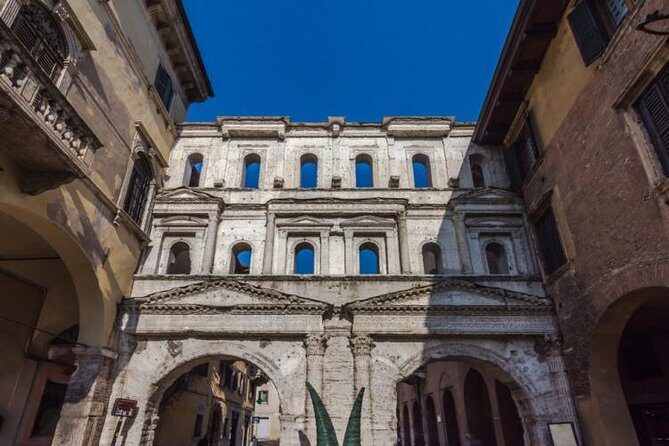
- Ponte Pietra + Adige River: classic Verona views with a real historical anchor.
- English tour + local expert: you’ll understand what you’re seeing as you walk.
Piazza Bra: the perfect kickoff point for a first Verona visit
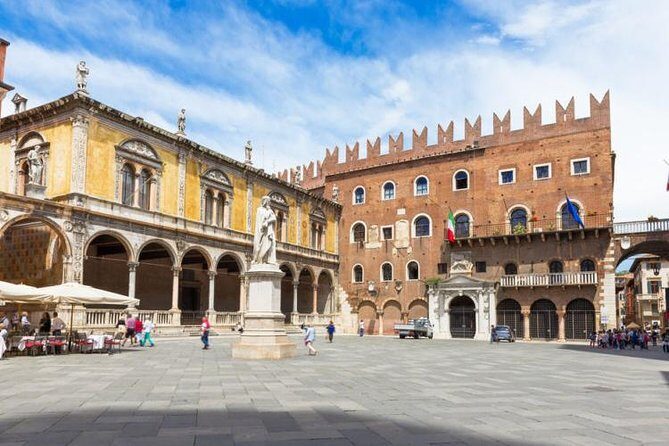
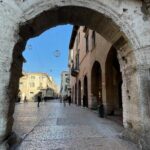
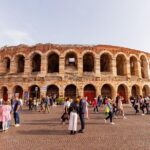
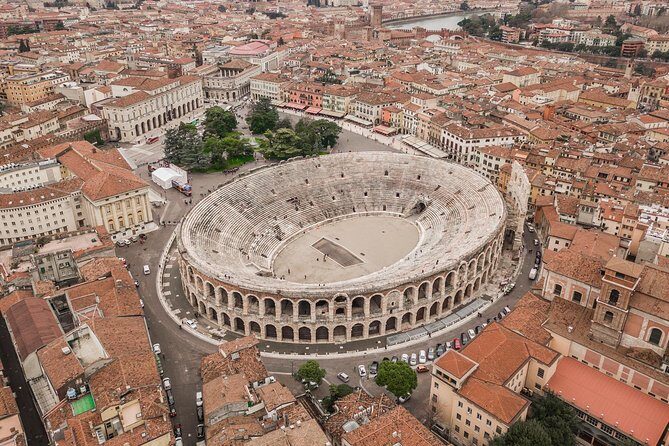
The tour begins in Piazza Bra, one of Verona’s largest squares. That matters more than you’d think. When you start in an open space like this, you get your bearings fast: you can spot how the city’s old core is laid out and where the major landmarks sit in relation to each other.
From there, you walk into Verona’s layered feel—Roman-era gravity mixed with medieval romance. The route is built around big “I can’t believe this is real” moments, but the pacing is realistic. It’s the kind of tour where you don’t just look; you start to connect details—street-level life, the way the city curves, and why these places became famous in the first place.
And with a maximum of six people, the guide can slow down for the questions that usually pop up: why Verona is tied to love stories, how Roman remains fit into a living city, and what to notice when you’re standing in front of something that has been standing for centuries.
Other Verona walking tours we've reviewed in Verona


Juliet’s balcony: myth, theatre, and what you can actually learn
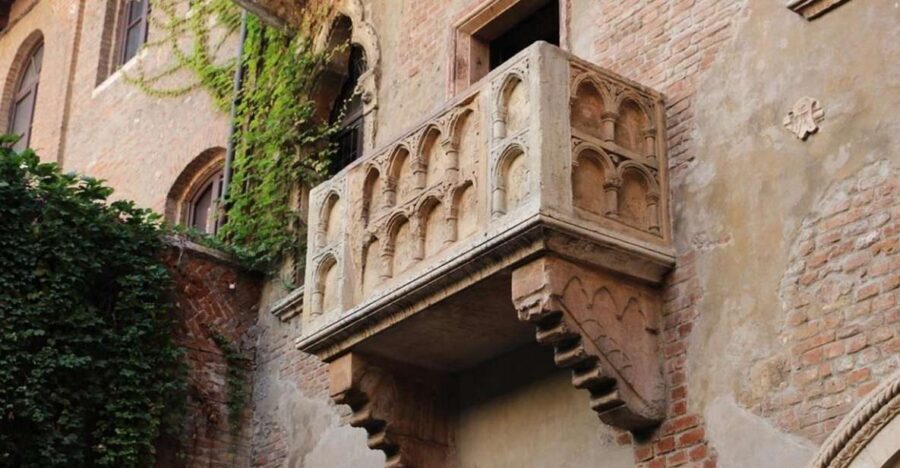
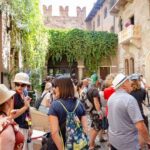
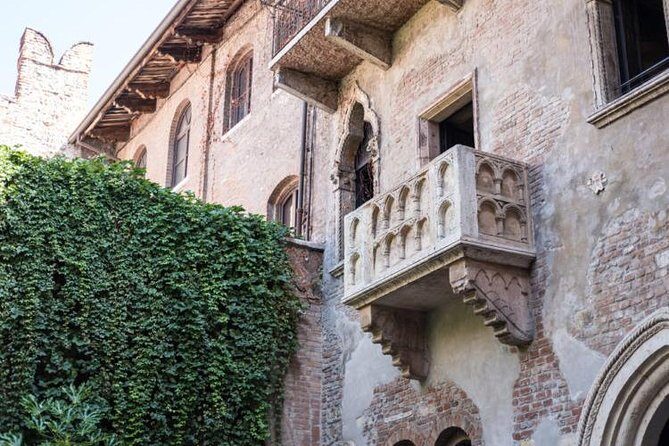
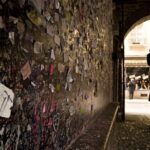
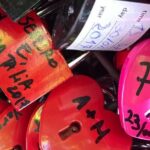
Juliet’s balcony is the headline stop, and it’s earned. You’re not just seeing a replica-style postcard angle—you’re standing in a place that has become shorthand for romance, drama, and writers borrowing from real cities.
What I like is that the guide doesn’t treat it like a standalone attraction. The tour frames Verona as the City of Love, and Juliet’s balcony becomes part of that bigger explanation: why this story stuck to this city, how people have used Verona’s imagery over time, and how Shakespeare’s Verona got turned into a real destination. Even if you’re a casual Romeo and Juliet fan, you’ll come away understanding that this site is as much about cultural memory as it is about a single balcony.
If you’re traveling with kids, this sort of storytelling moment works well because it’s visual and immediate. And if you’re traveling solo or as a couple, it’s still a good way to break the ice with the guide—ask what’s most important to notice there, and you’ll get much more out of the photos than you expected.
Roman Verona in one walk: Arena di Verona and the ancient theatre feeling
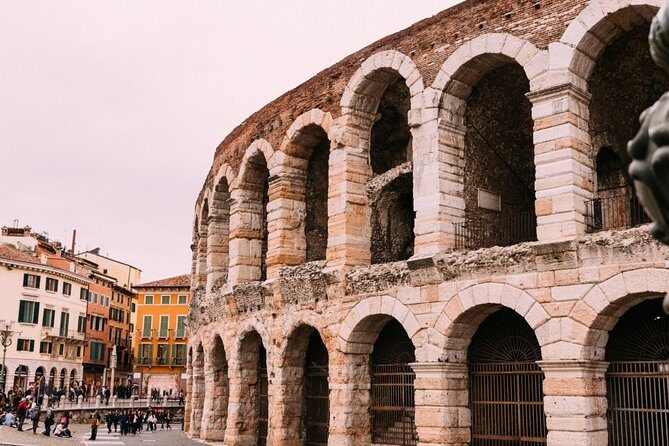
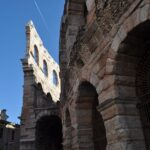
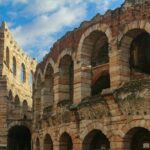
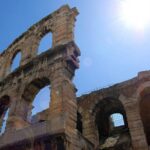
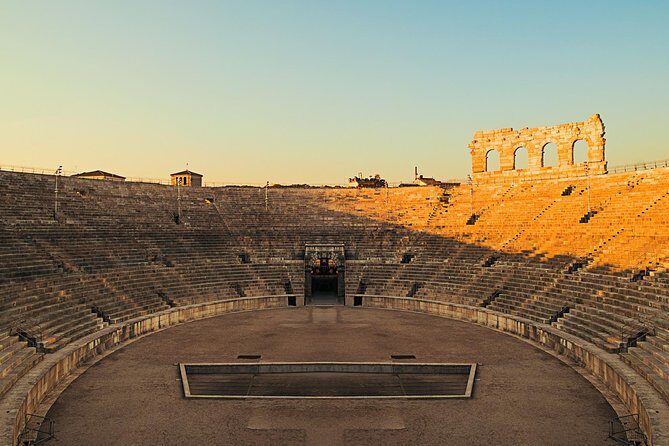
The Roman side of Verona is a major draw, and the tour hits it with the Arena di Verona. Seeing it in person is different from seeing it in books or on posters. It’s massive, confident, and unmistakably Roman—stone that still feels like it’s built for spectacle.
The tour also includes time in the orbit of the Ancient Roman Theatre. That combo helps. Instead of treating Roman Verona as one isolated monument, you start to sense a whole network of performance spaces and civic life. In other words, you’re not just spotting ruins—you’re getting a sense of how people once gathered, watched, and lived around these buildings.
A practical plus: the tour notes that admission tickets are free. That can make a difference for value, because you’re less likely to get surprised by separate ticket planning for the highlights you came for. (Still, double-check what applies to the specific stops when you book, because details can vary by operator and scheduling.)
Ponte Pietra and the Adige River: the slow-breath break in a fast city
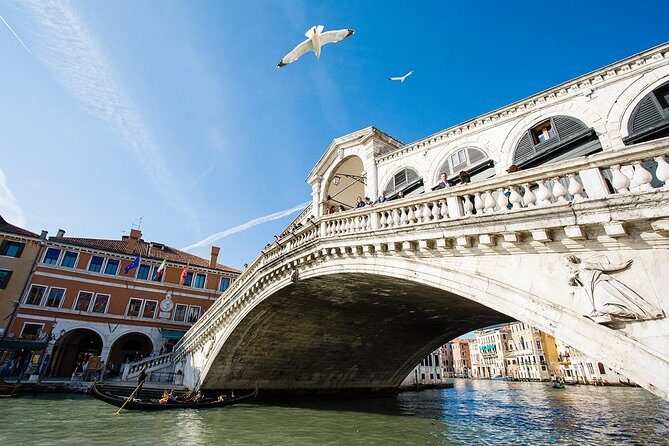
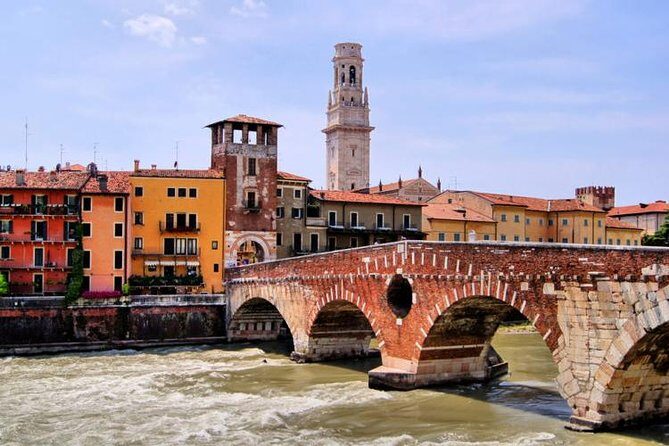
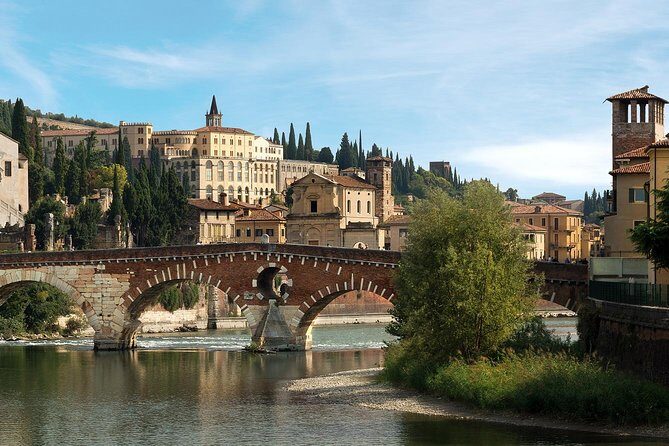
After the big-ticket drama and Roman weight, the tour shifts into a more scenic, reflective mode with the Ponte Pietra—Verona’s oldest bridge. This is the kind of stop that makes the rest of your photos look better later, because it gives you an anchor shot: a historic crossing that helps you understand where the city’s “old” vibe comes from.
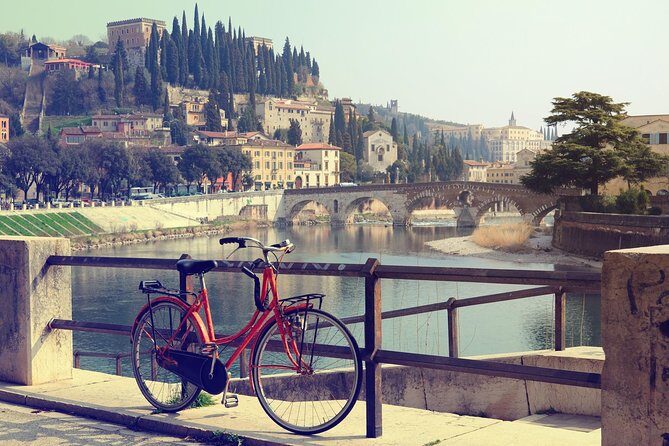
Then there’s the Adige River. You’ll see it as part of the walk’s natural flow, which is key. Verona isn’t one straight-line sightseeing path. The river and the bridges shape where you move and how the city feels as you travel through it.
Even if you don’t stop for a long break, it’s a smart moment to reset your eyes. Roman monuments can be visually loud. Juliet’s balcony is emotionally loud. The bridge-and-river segment is quieter, and it helps you remember what Verona looks like when it’s not just set dressing for your itinerary.
A six-person group changes how the guide can teach
Small groups aren’t just a comfort thing. They affect how much information you actually get.
With a maximum of six travelers, you’re more likely to:
- hear the explanation clearly without craning your neck,
- get follow-up answers instead of moving on instantly,
- and adjust your pace if something catches your eye.
This matters for a tour like this, because the stops rely on connections: how Juliet’s story ties to the City of Love theme, why Roman Verona still dominates the skyline around Piazza Bra, and how Ponte Pietra and the Adige help you read the city’s geography.
It also helps the guide keep the tone human. You’ll notice how guides often go from “facts” to storytelling when there’s less crowd noise. LivTours guides have a reputation for being personable and strong at turning landmarks into something you can picture. Names like Nico, Carlotta, Romy, Pamela, and Sabrina have popped up as examples of guides praised for being friendly, patient, and good with different ages. That’s exactly the kind of guide style you want for a two-hour walk where every minute counts.
Other Juliet's House and Balcony tours in Verona



Timing and route feel: what two hours actually buys you
The tour runs about two hours and starts at 11:00 am, ending back at the meeting point. That time window is ideal for a first day or a midday break between bigger plans.
Here’s the real value of a two-hour highlights walk:
- you reduce planning stress (you know the main landmarks are covered),
- you learn enough background to make solo exploring later more rewarding,
- and you still keep your day open for lunch, an extra museum, or a slower afternoon stroll.
If you’re hoping to “do Verona” in one day, this tour is a great starter. It gives you a map in your head. But if you’re the type who wants to linger at a single spot for a long time, you may feel slightly rushed toward the end. That’s not a flaw in the tour—it’s the trade-off for covering the right mix of Juliet, Roman Verona, and the river views in one go.
Price of $188.09: is it worth it?
At $188.09 per person, this tour isn’t a budget throwaway. You’re paying for three things that matter in practice:
- A small group (up to six) instead of a larger pack.
- A professional local expert guide who explains what you’re seeing.
- A concentrated set of headline stops in a short timeframe.
You also get a mobile ticket, and the tour notes that admission tickets are free. Free admission (where it applies) reduces friction and can improve value if you were already planning to see the same major sights.
So, is it worth it? For me, it’s a yes if you value guided context and want a clean, efficient route that hits Romeo-and-Juliet plus Roman Verona plus the oldest bridge. If you’re traveling super budget-first, you could save money by wandering on your own—but you’d lose the “connected story” angle that turns the landmarks from a checklist into a place you understand.
Practical stuff that makes the day smoother
This tour is offered in English and uses a mobile ticket. It starts at Piazza Bra and ends back where you begin, which is helpful if you’re using public transportation nearby.
It also states that service animals are allowed and that most travelers can participate. As always with walking tours, you’ll want to be comfortable being on your feet for the duration, but the tour is short enough that you won’t be committing to a full-day march.
When you book, you’ll receive confirmation at the time of booking. Since it’s a 2-hour experience, you’ll likely want to schedule it when you’re not racing to catch another reservation. Starting at 11:00 am gives you flexibility for lunch right afterward.
Should you book this Verona Small Group Guided Walking Tour?
I’d book it if:
- You’re excited about Romeo and Juliet and want that story placed into the real streets of Verona.
- You want Roman Verona highlights without building a complicated route yourself.
- You care about small-group pacing and hearing the guide clearly.
- You want an efficient first taste of the UNESCO World Heritage core so your later exploring feels smarter.
I might skip it (or pair it with more time) if:
- You’re someone who prefers to linger for long periods in one area rather than covering multiple icons in two hours.
- You only want Roman sights or only want Juliet’s story and aren’t interested in the bridge-and-river segment.
Overall, this is a well-shaped tour: the big landmarks you came for, connected by a theme, delivered with a group size that keeps the experience personal. If you’re short on time in Verona but want it to feel meaningful, this is a strong bet.
FAQ
How long is the Verona small group walking tour?
It lasts about 2 hours.
Where does the tour start and where does it end?
It starts at Piazza Bra in Verona and ends back at the same meeting point.
Is the tour offered in English?
Yes, it’s offered in English.
What sights will I see during the walk?
You’ll see Juliet’s balcony, the Arena di Verona, Ponte Pietra, and you’ll also get Roman landmarks like the Ancient Roman Theatre plus views along the Adige River.
How large is the group?
The tour is limited to a maximum of 6 travelers.
Can I cancel and get a full refund?
Yes. You can cancel up to 24 hours in advance for a full refund. If you cancel less than 24 hours before the experience starts, the amount you paid will not be refunded.