REVIEW · VERONA
Verona Arena Skip-the-line Tour
Book on Viator →Operated by Ways · Bookable on Viator
A 2,000-year-old amphitheater, minus the line. This skip-the-line Verona Arena tour is a fast, smart way to understand how the Romans built (and kept using) this place, with priority admission included. I like that it’s a small group (max 16), which keeps things interactive, and I also like that you get expert context without losing half your day to queues. One possible drawback: a chunk of the narration happens outside, so if you’re craving nonstop time inside, you’ll want to plan how long you’ll linger after the guided portion ends.
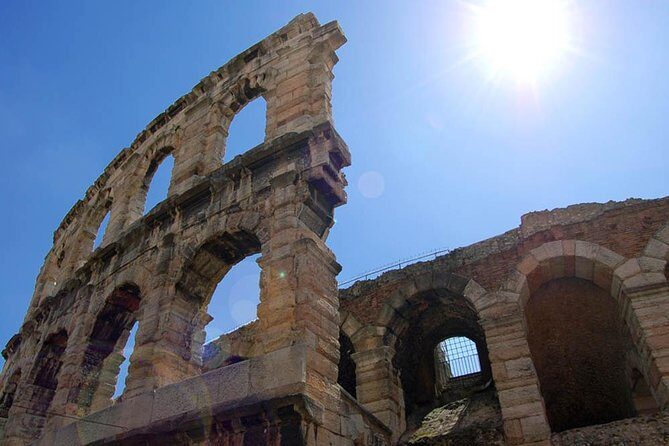
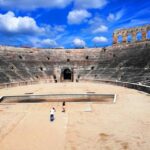
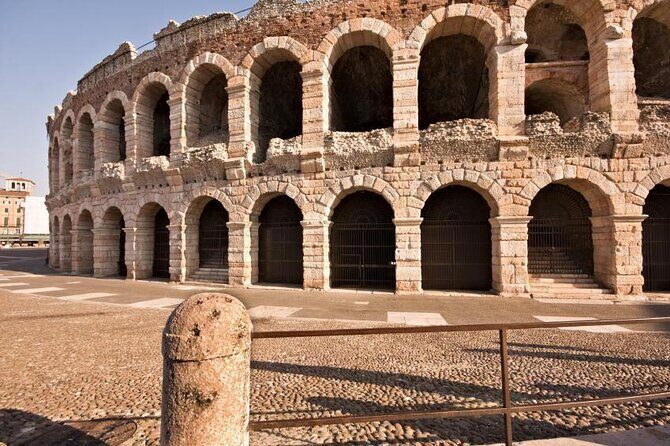
You’ll meet your guide in Piazza Bra, then step into the Arena to look up at the marble façade, trace the tiered seating, and imagine the arena action that made it famous. The guide’s focus tends to be Roman history and how the Arena survives—like the big earthquake in the 12th century—plus how it’s still alive today with the annual Verona Opera Festival.
If you’re short on time in Verona, this tour fits well. If you need lots of mobility-friendly access, you should know that some sections may be difficult, depending on where you’re headed.
In This Review
- Key highlights worth your time
- Price and logistics: what you’re really paying for
- Meeting in Piazza Bra and getting your bearings fast
- Entering the Arena with priority access (and why it matters)
- The guide experience: what you can expect from people like Frank, Maria, Isabella
- What the tour does inside vs. outside (so you can plan your time)
- Verona Opera Festival: why it comes up even on a Roman tour
- Your self-guided time after the guide: how to get your money’s worth
- Accessibility and pace: what to consider before you go
- Who this tour suits best (and who should rethink it)
- Cancellation and weather: quick practical notes
- Should you book the Verona Arena skip-the-line tour?
- FAQ
- How long is the Verona Arena skip-the-line tour?
- Where do I meet the guide?
- Is priority admission included in the price?
- What language options and start times are available?
- How big is the group?
- Do I get hotel pickup or drop-off?
- Does the tour run in bad weather?
- What if the minimum number of travelers isn’t met?
- Can I get a full refund if I cancel?
Key highlights worth your time
- Skip-the-line + priority entry with your ticket already sorted
- Small group size (up to 16) for a more personal experience
- Roman games and gladiator stories, tied to what you see in the stones
- The Arena’s survival story, including damage from a 12th-century earthquake
- Still in use today thanks to the Verona Opera Festival each summer
- A quick 45-minute format that works for a packed itinerary
Price and logistics: what you’re really paying for
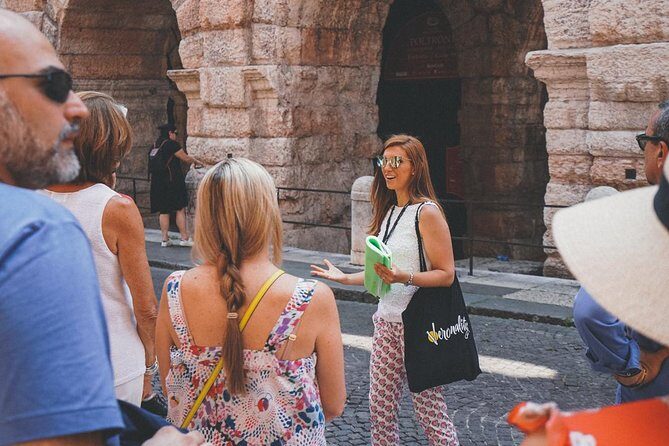
At $47.18 per person for about 45 minutes, this is not a bargain tour. But it’s also not trying to be. You’re paying for three practical things that matter in Verona Arena: time savings, priority admission, and an expert guide who knows how to turn an impressive building into a story you can actually follow.
The biggest value is the priority tickets. Without that, you’d be spending your limited time negotiating lines and ticket checks. Here, you start the visit with momentum. Since the tour is also offered in timed slots (English at 12:30 PM and Italian at 1:30 PM), you can match it to the part of the day you’re already using to explore Verona.
The meeting point is easy to miss if you don’t look closely: meet in front of gate 5, above the stairs, and look for the yellow umbrella marked Arena Skip the line tour. You’ll want to arrive a few minutes early, because Piazza Bra can feel like a maze when you’re scanning for the right sign.
Finally, remember this is an out-and-about tour more than a “stand in one spot and talk” experience. It’s designed to get you oriented fast, not to lecture for an hour.
Other Verona Arena tours we've reviewed in Verona
Meeting in Piazza Bra and getting your bearings fast
Piazza Bra is the kind of square where you immediately understand why the Arena is such a big deal. You get that open space effect—room to look around—before you even step inside. That matters because the Arena is not just a landmark. It’s a whole system: the façade, the seating bowl, the central stage area, and the routes people use to enter.
You’ll meet your guide at gate 5 (above the stairs). Once you’re grouped, you’ll head into the Arena experience using your prepaid tickets for priority access. The tour ends back outside on Piazza Bra, so you don’t feel stuck in a one-way funnel.
One small but useful detail: the experience includes time to admire the elegant square from above the Arena. Even if you don’t go super “view-seeker,” that gives you the kind of mental map that makes Verona feel easier to navigate after the tour.
If your day is already busy—lunch reservations, a train to catch, or you want to see more neighborhoods this afternoon—this timing and meeting setup is one of the reasons the tour works.
Entering the Arena with priority access (and why it matters)
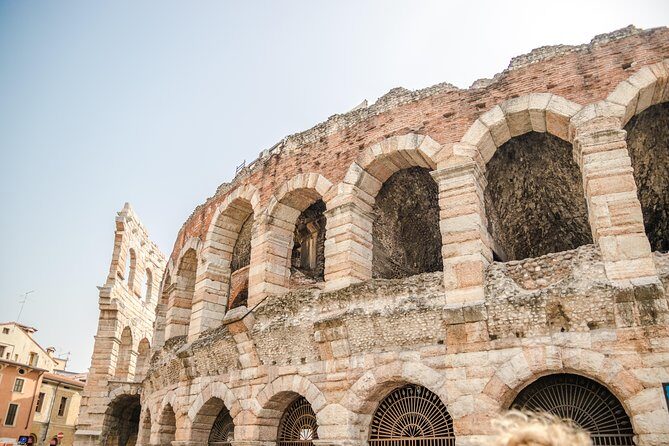
When you walk in with priority tickets, you avoid that classic tourist tax: standing around while other people organize themselves, while you wonder how long it’ll take. Instead, you get to settle into the space quickly and start learning while the building is still fresh and dramatic.
Once inside, the guided portion helps you see what you’d otherwise miss. The guide points out the Arena’s scale and design, including the vast central stage area and the traditional tiered seating. That’s the core of what makes the Arena visually different from many other ancient ruins: it was built to stage events, not just to be looked at.
You’ll hear how it was built in the 1st century AD and how it survived a major earthquake in the 12th century. Even if you’ve visited Rome’s big sights, this adds a different angle: here, you’re seeing the afterlife of an engineering project—still standing, still used, and still shaped by the way people gather.
And yes, the tour includes gladiator and Roman game stories. This is one of those rare cases where the myths and the reality connect, because the Arena’s layout makes the stories feel practical. It’s easier to imagine what happened when you’re standing where it happened.
The guide experience: what you can expect from people like Frank, Maria, Isabella

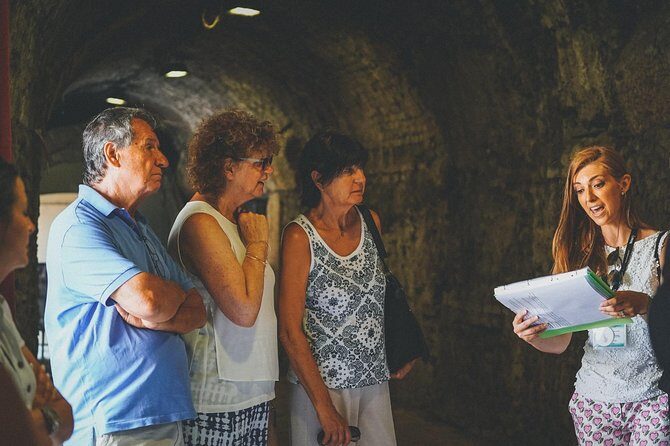
The tour runs with local licensed guides, and the guide you get can strongly influence the vibe. Names that come up again and again include Frank, Maria, Isabella, and Priscilla.
A common pattern in the best experiences is that the guide blends history with humor and clarity. Frank is noted for being engaging and funny, and several guides are praised for making the tour easy to follow. Another big win: the guides don’t just recite dates. They explain what you’re looking at and then connect it to how the Arena was used—then and now.
There’s also a hint of real-world hosting skill. One account specifically mentions support for someone on crutches, with the guide working to make sure the experience still felt good. That’s a reminder: you’re not just buying a ticket to a site; you’re hiring a person to manage your small group in a real place, with real constraints like heat, crowds, and movement.
Possible drawback to keep in mind: one experience flagged that the narration leaned more toward opera than Roman focus for part of the tour. The Arena’s opera connection is real—the Verona Opera Festival happens here each summer—so it’s likely to come up. Still, if you want a strictly gladiator-and-games emphasis, it may be worth asking your guide at the start what the time balance will be between Roman history and opera context.
What the tour does inside vs. outside (so you can plan your time)
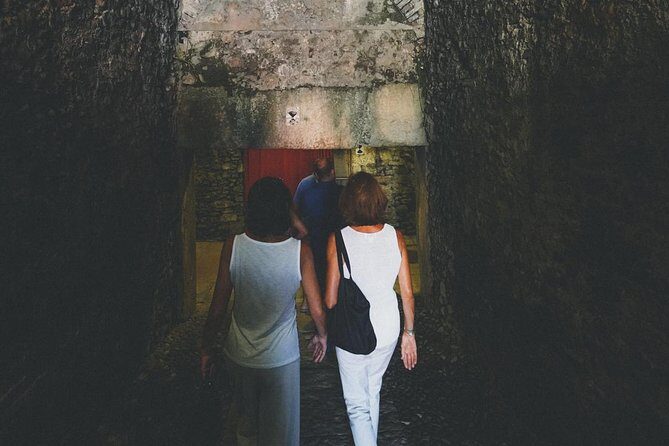
This is the part to be honest about if you’re trying to judge value.
You’ll start with narration in the Piazza Bra area and around the Arena, then enter for the inside portion. The experience is short—about 45 minutes total—so you’re not going to get a museum-style, slow walkthrough.
Here’s how it usually feels:
- Outside, you get orientation: the façade, the square, and the overall layout.
- Inside, you focus on the Arena’s structure: tiered seating, stage area, and how it functioned.
One review described it as mostly outside, with only about 15 minutes inside during the official guided time. That doesn’t mean the inside is short forever. In fact, the same account also notes that after the guided tour ends, you can stay inside and explore at your own pace. Your exact time inside will depend on your slot and how much time you personally want to spend, but the key takeaway is this: treat the guided portion as the jumpstart, then plan to linger if you love the place.
If your top priority is photography, time your expectations. One comment suggests morning light is better for photos before crowds. Since this tour starts at 12:30 or 1:30, you may want to do additional photo time later if the light doesn’t cooperate.
Also, consider heat. Several guides are noted for being aware of the hot conditions and pacing accordingly, including inside the Arena. If you’re visiting in peak summer, bring water and wear sunscreen—your comfort will matter more than you think.

Verona Opera Festival: why it comes up even on a Roman tour
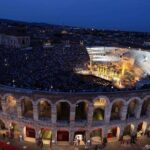
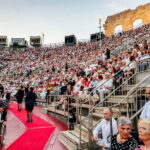
The tour includes the fact that the Arena is still used today, hosting the annual Verona Opera Festival each summer. That’s not a random detour. It’s part of the Arena’s story: the building isn’t just a leftover. It’s a continuing venue.
When a guide connects the Roman design to modern staging, you start to see why opera fits here. The Arena was built for spectacle. Modern productions just swapped gladiators and chariot-era performances for singers, orchestras, and dramatic lighting.
This is also why that opera-heavy criticism can happen. If your guide spends more time on opera than you expected, the building still explains the connection, but you might feel like you didn’t get enough Roman game focus.
My advice: assume opera context will be part of the conversation, because it’s part of what makes the Arena workable today. Just be clear with yourself what you want most. If you want Roman games and gladiators above all, choose this tour for orientation, then spend your self-guided time inside focusing on seating levels, entry points, and stage perspective.
Your self-guided time after the guide: how to get your money’s worth
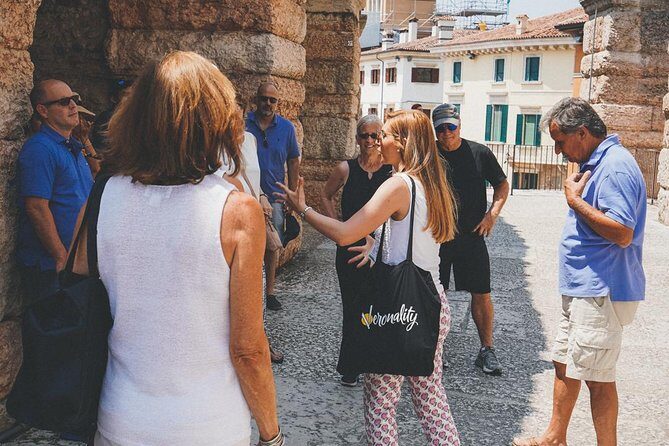
The tour ends back outside on Piazza Bra, but you’re not automatically done with the Arena experience. The key value is that the tour gives you a structured mental model, and then you can explore on your own.
After the guided portion, use your time in a targeted way:
- Look at the seating bowl from more than one angle so the scale clicks.
- Stand near the areas that give you clear lines toward the central stage space.
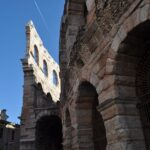
- Spend extra time on the façade details if you like architecture, because the outside view is often where you’ll notice textures and design choices.
- If you’re with kids, use the “imagine the event” approach. The Arena layout makes it easy to turn history into a game.
This approach is also how you solve the “some parts are outside” issue. The guided time may be brief, but your personal exploration can still make the visit feel complete.
Accessibility and pace: what to consider before you go
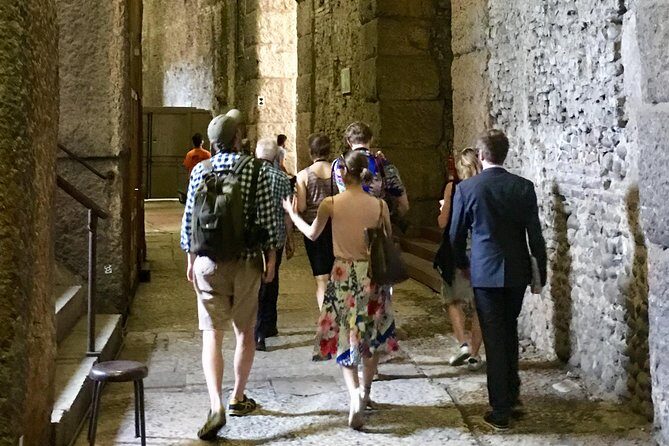
The experience runs rain or shine, so bring a light layer and expect you’ll be moving around some outdoor surfaces. Also note the guidance that some parts may not be easily accessible for people with reduced mobility or disability. That doesn’t automatically mean “don’t go,” but it does mean you should mentally prepare for limited options in certain sections.
The best way to handle that is simple: be ready to ask your guide or the on-site team about the most practical route for your group. If the tour includes interactions around stairs or uneven surfaces, you’ll want to know which alternatives exist before you commit to a pace that doesn’t work for you.
The pace is also fast. Small-group tours sound calm, but you’re still in a timed window. If you want a slow, unhurried ancient-site day, you may find this tour works better as a primer, not as your only Arena time.
Who this tour suits best (and who should rethink it)
This is a strong fit if you:
- Have limited time in Verona and want a Roman anchor for your day.
- Hate lines and want priority access handled for you.
- Enjoy short, expert-led stories that help you “see” what you’re looking at.
- Want a manageable activity in summer heat, when a longer indoor-only plan can feel exhausting.
It may be less ideal if you:
- Want a long, deep inside-only guided visit. The official guided portion is short.
- Dislike opera-related context if you came specifically for gladiators and Roman games.
- Need predictable accessibility across multiple sections without stairs or uneven paths.
Cancellation and weather: quick practical notes
You can cancel up to 24 hours in advance for a full refund. If severe weather or unexpected events hit during the experience, a full refund is not guaranteed; the provider reviews each case. Plan smart anyway: check the forecast, and keep a flexible mindset on stormy days.
Should you book the Verona Arena skip-the-line tour?
If you want a smart, time-efficient way to understand the Arena and then enjoy it on your own, I’d book it. The price is fair for what you get: priority tickets, a licensed guide, and a 45-minute orientation that turns an impressive amphitheater into a story you can actually follow. It’s especially good as the first stop in your Arena day, because it helps you know where to look once the official tour ends.
If you’re the type who only enjoys sites when you can linger for a long guided session, consider balancing this with extra self-time inside afterward. And if you strongly prefer gladiator history over opera references, ask how the guide will handle the topic at the start so you leave feeling exactly as you planned.
FAQ
How long is the Verona Arena skip-the-line tour?
It lasts about 45 minutes.
Where do I meet the guide?
Meet the guide in front of gate 5, above the stairs. Look for the yellow umbrella with Arena Skip the line tour.
Is priority admission included in the price?
Yes. Priority admission tickets are included, and the entrance ticket to the Arena is part of the tour.
What language options and start times are available?
The Arena tour in English starts at 12:30 PM. The Arena tour in Italian starts at 1:30 PM.
How big is the group?
The tour has a maximum of 16 travelers.
Do I get hotel pickup or drop-off?
No hotel pickup or drop-off is included.
Does the tour run in bad weather?
Yes, it runs rain or shine.
What if the minimum number of travelers isn’t met?
If it’s canceled because the minimum number of participants isn’t met, you’ll be offered a different date/experience or a full refund.
Can I get a full refund if I cancel?
Yes. You can cancel up to 24 hours in advance of the experience for a full refund.