REVIEW · VERONA
From Verona: Valpolicella and Amarone Wine Tasting Tour
Book on GetYourGuide →Operated by Ways Tours | B Corp company · Bookable on GetYourGuide
Amarone day trips from Verona are the best kind. This small group (max 8) Valpolicella tour runs in an air-conditioned minivan, so you get outside-the-city views and wine education without a long, exhausting day. You taste the region’s standout styles while a live English guide keeps everything clear and upbeat.
I really like the Ripasso and Amarone tastings because you compare two key Valpolicella personalities back-to-back. Another thing I love: you visit two different wineries, so you see how choices in production show up in the glass, from cellar setup to how wine is stored.
One possible drawback: there is no hotel pickup, and the day starts at the Ristori Theatre area; plus, the tour is not suitable for wheelchair users and some winery areas may be hard to access.
In This Review
- Key highlights at a glance
- Why Valpolicella and Amarone work so well for a half-day
- Meeting at the Ristori Theatre and the minivan ride that sets the tone
- Stop 1: the first Valpolicella cellar visit and tasting table time
- Van break (about 15 minutes) and how to use the “in-between” time
- Stop 2: the second winery tasting and the Amarone lesson
- What you actually learn about Amarone and Ripasso
- Group size, pacing, and comfort: why it matters on a Verona day
- Price and value: is $112.15 per person fair?
- Who this Verona-to-Valpolicella Amarone tour is best for
- Should you book this tour?
- FAQ
- How long is the Valpolicella and Amarone wine tasting tour?
- How many wineries do you visit, and do you taste wine at each?
- Where do you meet your guide in Verona?
- Is hotel pickup included?
- Is the tour guided in English?
- What are the age rules for drinking and for children?
- Is the tour suitable for wheelchair users?
Key highlights at a glance
- Ripasso then Amarone: two famous Valpolicella styles in one half-day
- Two cellar visits: you get both education and actual tasting time
- Contrast in winery size: you may see big-production structure alongside a more family-style setup
- English live guide: guides like Stefano and Sara are known for turning wine facts into easy talk
- Food pairings included: cheese/meat platters and nibbles make tastings easier to enjoy
Why Valpolicella and Amarone work so well for a half-day
Valpolicella is one of those regions that feels close to Verona, but different once you cross into the vineyards. That’s exactly why a 4-hour tour is such a smart match. You get countryside time and real wine context without losing your whole day.
What makes this tour appealing is its focus. You are not bouncing around to ten stops for a quick sip. Instead, you spend time in two wine cellars, learn how wine is made in each setting, and then taste the wines at a table. The payoff is simple: you can connect what you see underground and in the cellar with what you taste.
And yes, Amarone is the headline. This experience is built around understanding how it is made and what goes into its production. If you’ve ever wondered what people mean when they say Amarone tastes powerful but still balanced, this is a practical way to get answers in plain language.
Other wine tasting experiences we've reviewed in Verona

Meeting at the Ristori Theatre and the minivan ride that sets the tone
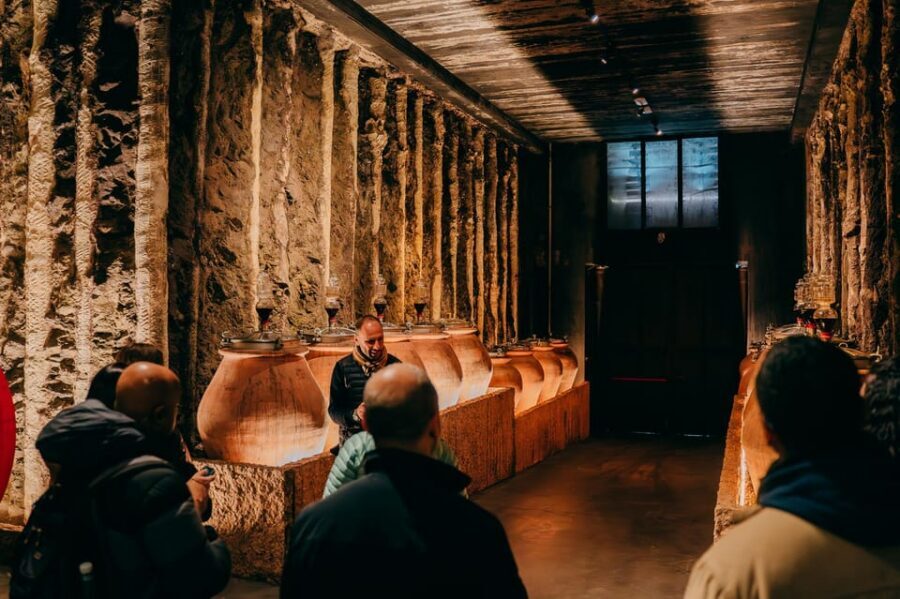
The day starts in central Verona at the Ristori Theatre. You meet your guide at the entrance, and they’ll be holding a yellow sign that says TOUR. The meeting point address is Via Teatro Ristori, 7, so it’s easy to plug into your maps app.
From there, you jump into a comfortable air-conditioned minivan for about 30 minutes on the way to the first winery. I like tours that begin with a short drive, because you get oriented fast: the guide can talk through the region while everyone’s still fresh. It also means you don’t waste your best energy on getting lost or figuring out bus routes.
The tour pacing also has a nice rhythm: short van hops between wineries, then tasting time that’s long enough to pay attention. That matters, because with wine tours, the difference between a 45-minute stop and a 75-minute stop is usually the difference between confused and confident. You’ll have time to ask questions and compare notes at the table.
Stop 1: the first Valpolicella cellar visit and tasting table time
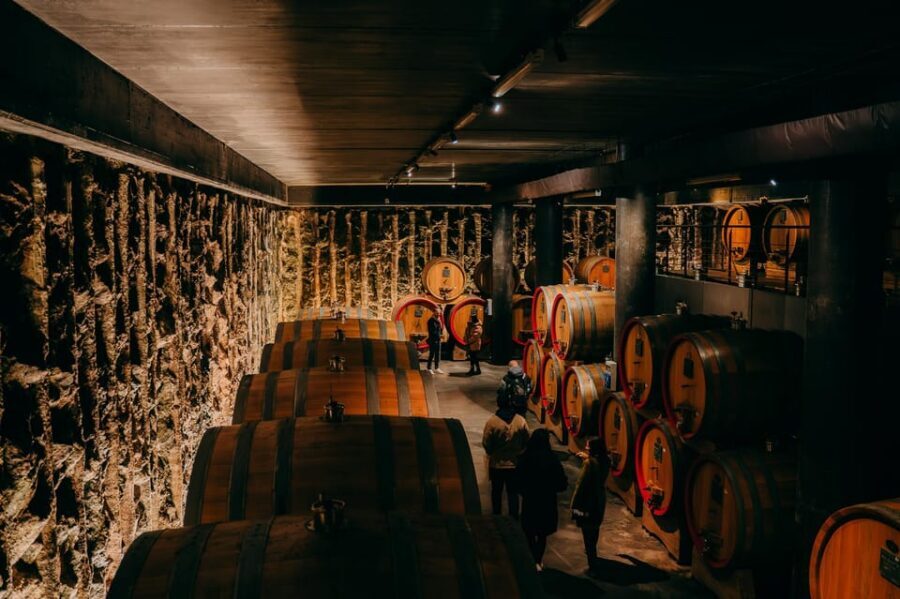
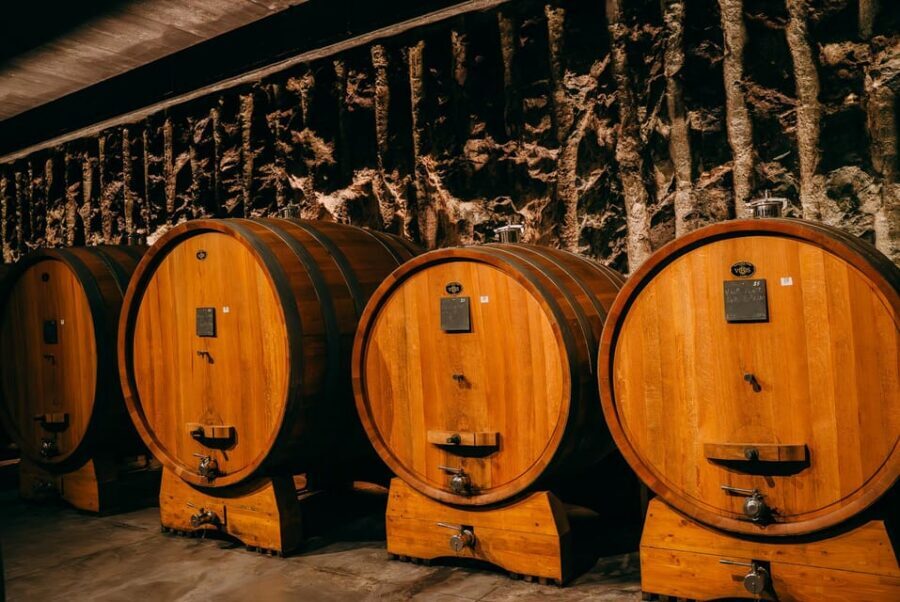
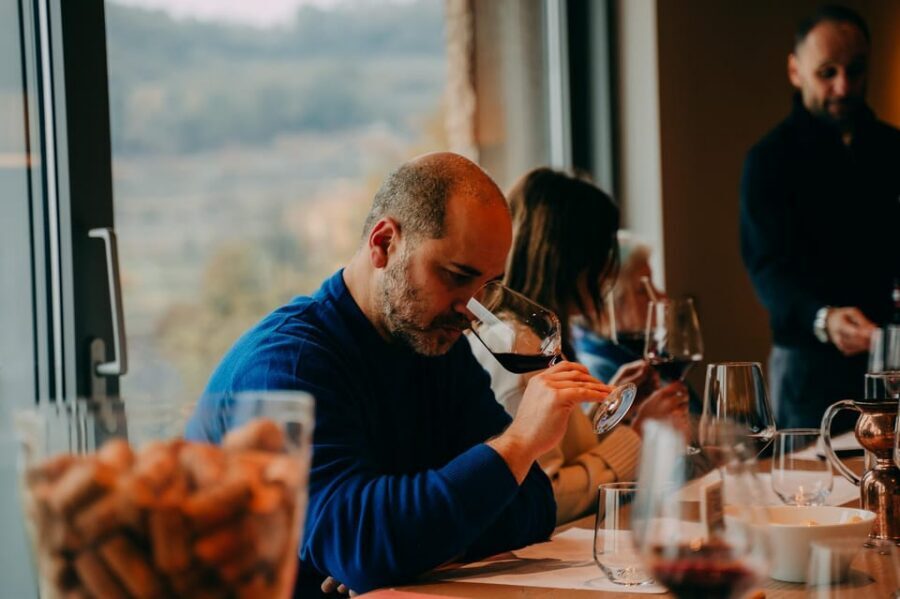
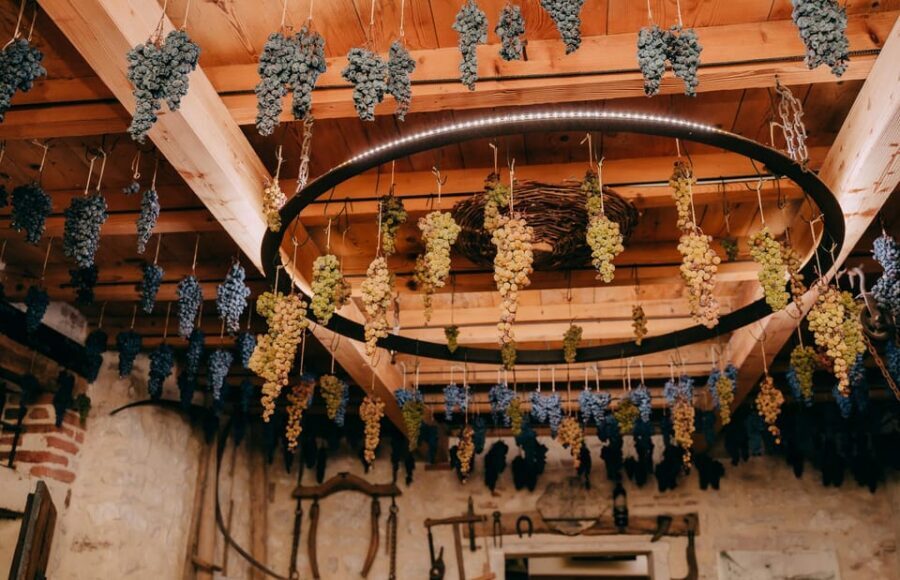
Your first real stop is a Valpolicella winery tasting lasting about 1.5 hours. This is where you get the core introduction: the guide and the winery team show you the cellar, explain how production works, and talk about how wine is kept. The “kept” part is underrated. Storage decisions affect everything from aging style to how the wine tastes when you finally get the chance to sip it.
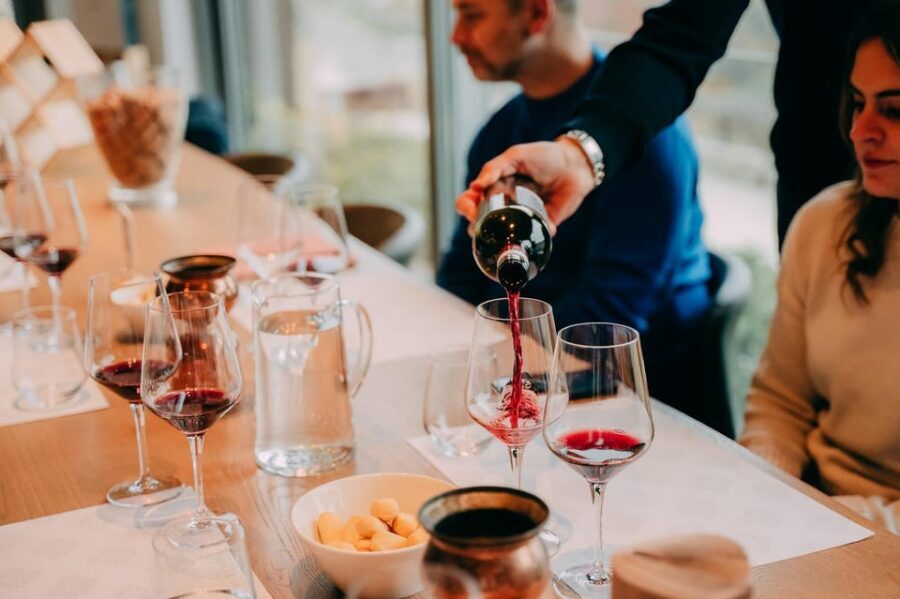
Expect a proper guided flow: first the walkthrough, then time around the tasting table. This tour is designed so you are learning while you taste, not tasting while you stare at a lineup and guess. That’s especially helpful if you are not a wine nerd yet.
Food pairings are part of the experience. In the past, tastings have included nibbles like salami and other simple pairings that make the wines easier to enjoy, even if you’re not used to drinking with structured tastings. You’ll likely find the selection covers key Valpolicella styles that set you up for what comes next.
A practical tip: take a minute during the walkthrough to ask one small question about what you’re about to taste. For example, you can ask how the cellar setup or storage choices relate to the flavor you’re tasting. Guides in this program tend to explain in everyday terms, which is a big part of why the tour earns such strong ratings.
Van break (about 15 minutes) and how to use the “in-between” time
After the first tasting, there’s a short 15-minute van ride to the second winery. This gap isn’t just transport. It’s your chance to reset your brain and decide what to watch for next.
Here’s what I would do: think about contrast. If the first winery has a style that feels lighter or more focused, the second could be a different production approach. Some versions of this tour have paired a larger, higher-output-style cellar with a more family-style winery, and that kind of comparison can make the education stick.
Also, use the van time to scan the guide’s explanations. If you’ve ever had a wine tour where everything blends together, it’s usually because you didn’t note what the guide emphasized. This tour tends to keep the information organized, but your memory will still thank you for one quick mental check: what did they say makes their wines different?
And yes, you should take some photos. The tour includes time for pictures in gardens and vineyards. It’s not just Instagram time; the scenery can help you understand why the region’s grapes and production choices lead to a distinct wine character.
Stop 2: the second winery tasting and the Amarone lesson
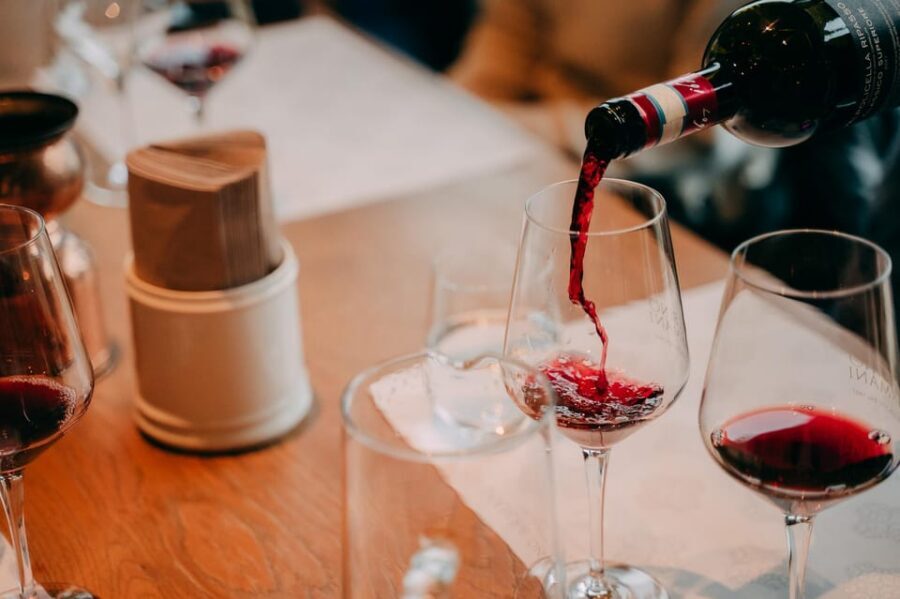
The second tasting lasts about 75 minutes, and it’s where the Amarone focus really lands. This is the stop built for people who want more than a simple pour. You’ll learn about Amarone production techniques and the secrets behind how it gets made.
At the cellar, you’ll get another guided look at how the winery operates. Then you sit down for more tastings. The experience is structured so you can compare your earlier impressions with what’s in the glass now. That comparison is a big reason the tour works so well for both first-timers and wine repeaters.
Food pairings often show up again here too, frequently with local meats and cheese, and in some cases even olive oil tasting has been part of the mix. The point isn’t to turn it into a feast. It’s to give your palate a steady baseline so you can taste the wine instead of battling it.
One thing I appreciate: the guides tend to keep the tone friendly and funny while still answering detailed questions. Names you’ll hear in the guide stories include Stefano, Stephano, Sara, Alexandra, and Francesca. Different personalities, same idea—make you comfortable asking stuff, and make the winery explanations understandable.
And don’t rush the last part of the tasting. Many people get a little wine-bright by the time you reach the second stop. That’s fine. Just slow down for the final few sips and ask yourself what changed from the first winery to the second. That mental comparison is where you’ll feel like you learned something real.
Other Amarone wine tours in Verona



What you actually learn about Amarone and Ripasso
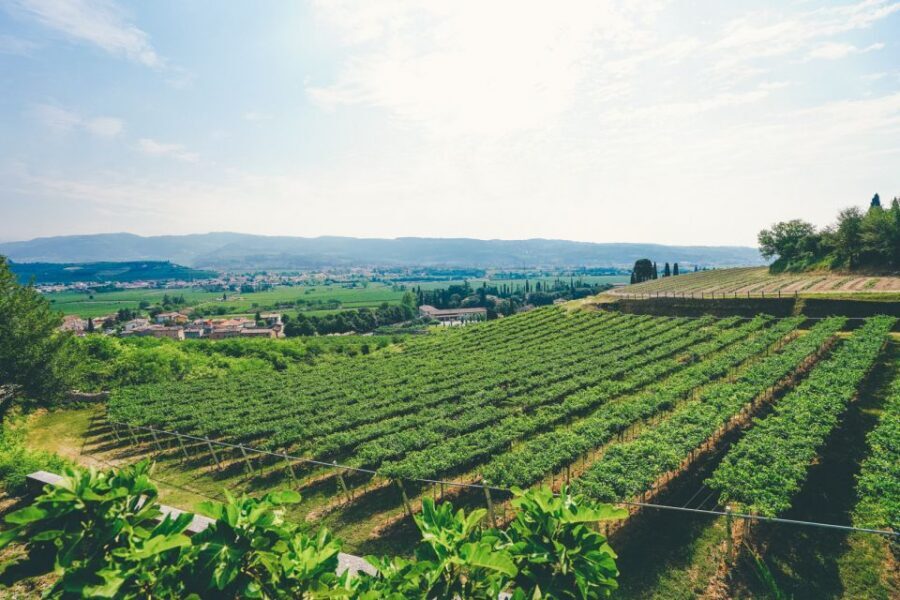
This tour’s biggest education advantage is simple: it ties wine talk to what you physically see in the cellar and production setting. You’re not just hearing general trivia. You learn how Amarone is made, you learn about production techniques and storage, and you taste what those choices create.
Even if you’re a casual drinker, you can still benefit because the tour’s content is built for clarity. Guides in this program are repeatedly praised for being engaging and good at translating the winemaking story into normal human language. That’s not small. Wine tours can be intimidating if you feel like you’re supposed to already know the vocabulary.
Also, the Ripasso-to-Amarone flow helps. Ripasso gives you a reference point in the same region. Then Amarone is the more famous, more intense expression that makes you recalibrate your palate. If you’re the type who wants to understand what makes one style different from another, this sequence is a smart way to learn.
Group size, pacing, and comfort: why it matters on a Verona day
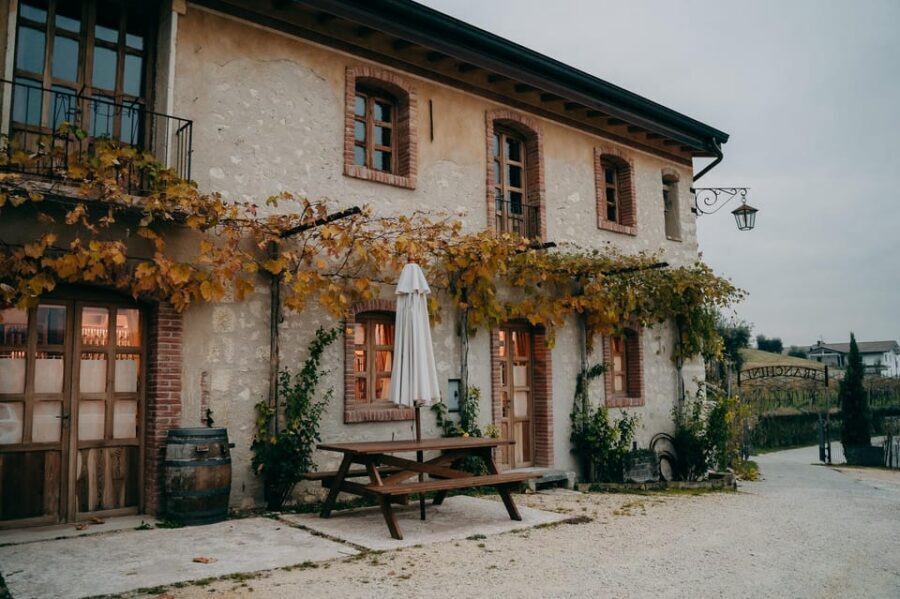
This is a small group limited to 8 participants, with a live English guide and a group coordinator. I like small groups for a reason: you can actually hear the explanations, and you can ask a question without feeling like you’re interrupting a lecture hall.
The pacing is also realistic. You’re out for about 4 hours total, and the itinerary includes time for two cellar visits plus enough travel to keep things moving. It’s not a marathon, but it’s also not a quick drive-by. You have a real chance to absorb the region.
Another practical comfort detail: you get private transportation in an air-conditioned van. That’s especially nice in warm months, but it also helps in shoulder seasons when you can still get a stuffy van feeling if the A/C isn’t there.
One more note: the minimum drinking age is 18. If you’re traveling as a mixed-age group, check ages ahead of time. Children under 14 can’t join, and underage customers must be accompanied by an adult.
Price and value: is $112.15 per person fair?
At $112.15 per person for roughly four hours, the value comes from the mix: transportation plus two winery visits plus two tastings plus a coordinated group experience. You’re not paying only for wine. You’re paying for the access, the guided cellar time, and the tastings that turn a few sips into structured learning.
This is also a value deal if you would otherwise need to solve the logistics yourself. Verona to Valpolicella is doable, but it’s still a hassle—timing, getting a ride, and finding tastings that fit together. Here, everything is sequenced for you, and you’re in a small group with an English-speaking guide.
Where the price makes extra sense is if you want both education and atmosphere. The tour isn’t just a tasting room transaction. You get cellar explanation, guided tasting tables, gardens/vineyard photo time, and the chance to compare wineries rather than doing two separate tours on different days.
Who this Verona-to-Valpolicella Amarone tour is best for
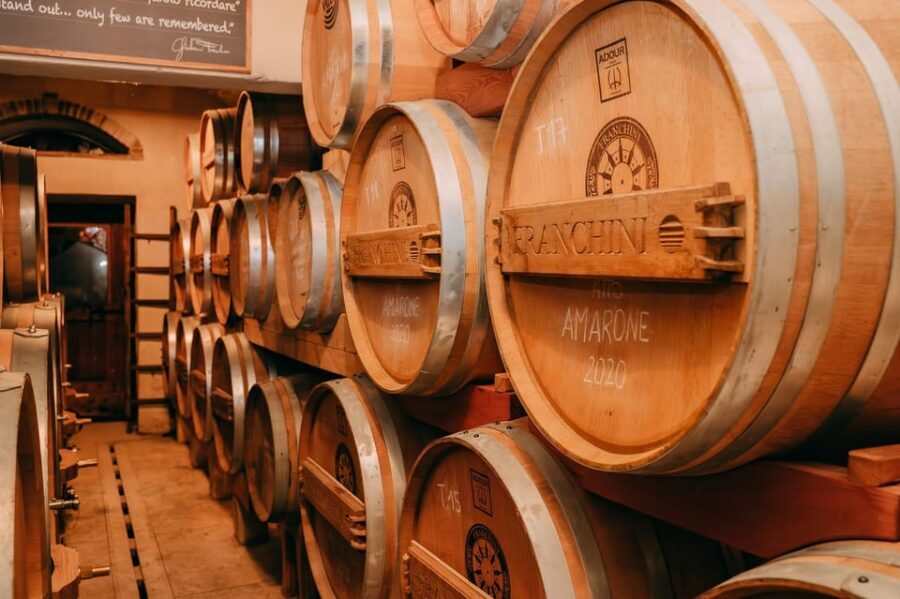
This tour fits best if you want a relaxed, structured wine afternoon. You don’t need to be an expert. In fact, this is often ideal for first-timers who want context without getting lost in jargon.
You’ll probably enjoy it most if you:
- like the idea of Ripasso and Amarone in one day
- want a comparison of winery approaches (bigger production vs smaller style is a common contrast on this route)
- enjoy guided conversation and tasting table explanations
- prefer small groups over big buses
It may not be your best match if you want lots of free time to wander Verona afterward, because you’ll be returning to the same meeting point area at the end of the tour. Also, if you use a wheelchair, the tour is listed as not suitable for wheelchair users.
Should you book this tour?
If you want an Amarone experience that feels organized and friendly, I’d book it. The core reason is the structure: two cellar visits, two tastings, guided explanations about how wines are made and kept, plus the comfortable minivan ride that keeps the day smooth.
The tour also seems to attract great guide talent—Stefano, Sara, Alexandra, Francesca—so you’re not just buying wine. You’re buying a clear explanation and a better understanding of what you’re tasting.
If you hate meeting points and want hotel pickup, this isn’t that kind of tour. But if you’re okay starting at the Ristori Theatre and you want a smart Valpolicella day with real tasting time, this is an easy yes.
FAQ
How long is the Valpolicella and Amarone wine tasting tour?
The total duration is 4 hours.
How many wineries do you visit, and do you taste wine at each?
You visit 2 typical wine cellars and have 2 wine tastings total.
Where do you meet your guide in Verona?
You meet in front of the Ristori Theatre entrance. The guide is holding a yellow sign with TOUR written on it, at Via Teatro Ristori, 7.
Is hotel pickup included?
No. Hotel pickup and drop-off are not included.
Is the tour guided in English?
Yes. The live tour guide speaks English.
What are the age rules for drinking and for children?
The minimum drinking age is 18. Children under 14 can’t join this activity, and underage customers must be accompanied by an adult.
Is the tour suitable for wheelchair users?
No, it is listed as not suitable for wheelchair users, and some parts may not be easily accessible for people with reduced mobility.