REVIEW · VERONA
Verona: Food and Wine Tasting Walking Tour
Book on GetYourGuide →Operated by Ways Tours | B Corp company · Bookable on GetYourGuide
Verona tastes like a plan you’ll want to repeat. This 3-hour walk turns the city center into a food route, with Valpolicella wines and classic Verona plates mixed in with stop-and-stroll sightseeing. I like how it’s paced around real places people use, not just photo spots. If you end up with a guide like Stefano, Andrea, Elena, or Laura (names I’ve seen connected to this tour), you’ll get stories as you eat.
Two things I really appreciate: you start with a local-style breakfast (espresso plus Risino) and you finish with a sweet or a spritz, depending on the tour time. The other big win is the way the tour uses food to explain wine—Amarone shows up in the meal, then three wines show up for tasting.
One possible drawback: it’s a walking experience with multiple stops inside cafes and small venues, so wear comfy shoes and don’t plan to move slowly. It’s also not a great fit for wheelchair users, and children under 6 can’t participate.
In This Review
- Key Highlights
- Why This Verona Food-and-Wine Walk Feels Like More Than Snacks
- Morning vs Afternoon: Choose Your Mood (Coffee Sweet or Sunset Toast)
- Starting at Porta Borsari: The Route Starts Easy
- Piazza Bra Breakfast: Espresso and Risino for a True Local Start
- Piazza delle Erbe Snacks and the Fun of Being Led Off-Course
- The Savory Middle: Handmade Meatballs and Risotto all’Amarone
- Ponte Pietra and the Wine Tasting Stops: What You’re Actually Learning
- Sweet Finish vs Aperol Toast: How the Tour Closes
- Price and Value: What $96.29 Gets You (and Why It Can Feel Worth It)
- Who Should Book This Tour in Verona
- Practical Tips That Make the Tasting Better
- Should You Book? My Straight Answer
- FAQ
- Where does the tour start?
- How long is the Verona Food and Wine Tasting Walking Tour?
- Is there a morning and an afternoon option?
- What language is the tour guide?
- How many tastings are included?
- What are you likely to eat and drink on the morning tour?
- What are you likely to eat and drink on the afternoon tour?
- Does the tour run if it rains?
- Who can participate?
- Is the tour suitable for wheelchair users?
Key Highlights
- Risino + espresso as your first taste of the day in Piazza Bra
- Handmade meatballs at a traditional osteria and again as a cone on the afternoon tour
- Risotto all’Amarone in a regional trattoria tied directly to Valpolicella winemaking
- Three-wine tastings paired with small bites, including a stop around Ponte Pietra
- Two different endings: artisanal gelato in the morning, or Aperol Spritz in the afternoon
Why This Verona Food-and-Wine Walk Feels Like More Than Snacks
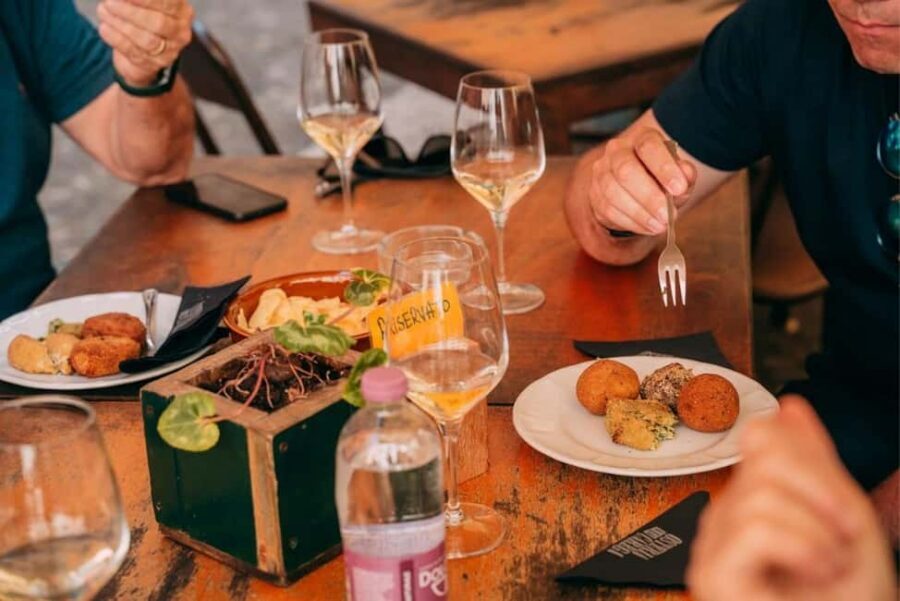
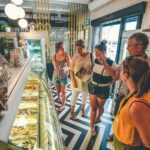
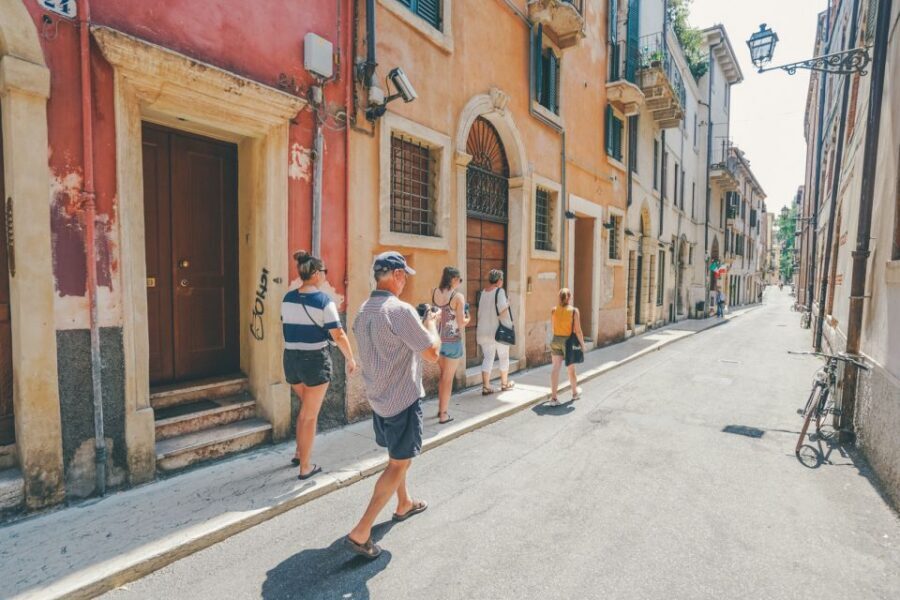
This tour is built for people who want their Verona sightseeing to come with flavor attached. You’re not just “trying stuff.” You’re doing a guided loop through key central areas—starting at Porta Borsari, then moving through major squares—while each stop explains a different piece of local food culture.
I especially like the structure: it’s short enough to stay fun (3 hours), but it still hits the big pillars—coffee + pastry, savory street-style bites, a proper sit-down dish, then wine and dessert. That makes it a great way to get your bearings fast, because Verona’s center feels less intimidating once you’ve walked it with purpose.
The wine part also makes sense. You’ll taste Valpolicella wines, and you’ll also eat a signature dish made with Amarone wine—risotto all’Amarone. That combo helps you understand why wine is everywhere here, not just in a glass.
Other Verona walking tours we've reviewed in Verona

Morning vs Afternoon: Choose Your Mood (Coffee Sweet or Sunset Toast)
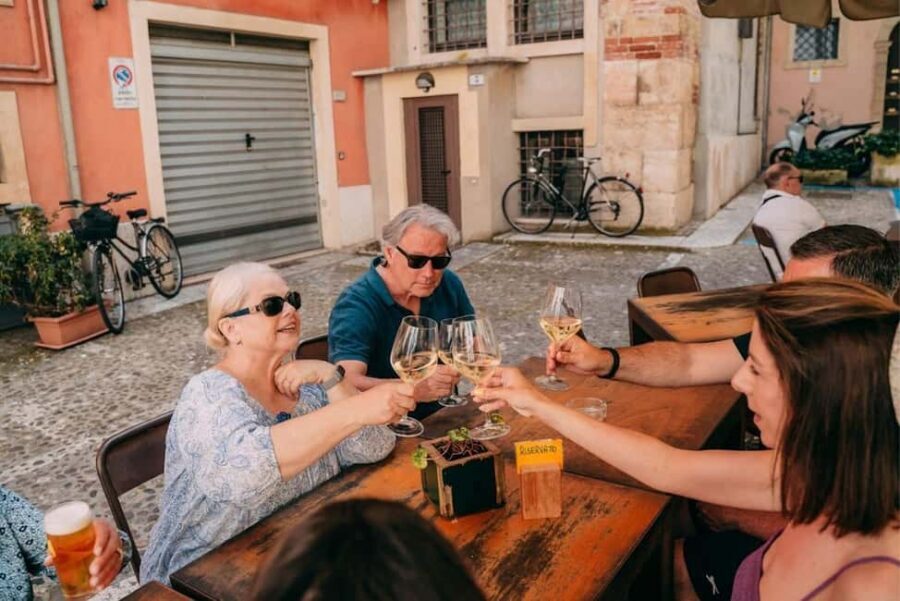
You can pick a morning or afternoon departure, and the tour shifts enough that it doesn’t feel like a rerun.
Morning tends to fit if you want a sweeter start and a slower build: you begin with espresso and Risino in the Piazza Bra area, then work your way toward savory tastings and a more meal-like stop. You’ll also get that Valpolicella angle through a guided three-wine tasting stop, plus a final gelato finish.
Afternoon is for people who prefer a lighter start that still feels festive. You begin with a non-alcoholic aperitivo paired with cicchetti (traditional bite-size snacks). Later, wine shows up, then you get the on-the-go cone of handmade meatballs, and the tour ends with an Aperol Spritz at an artisanal focacceria.
If you’re trying to decide between the two, think about how you like to travel: morning = coffee and pastry first; afternoon = aperitivo rhythm first, then a celebratory toast to close.
Starting at Porta Borsari: The Route Starts Easy
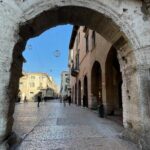
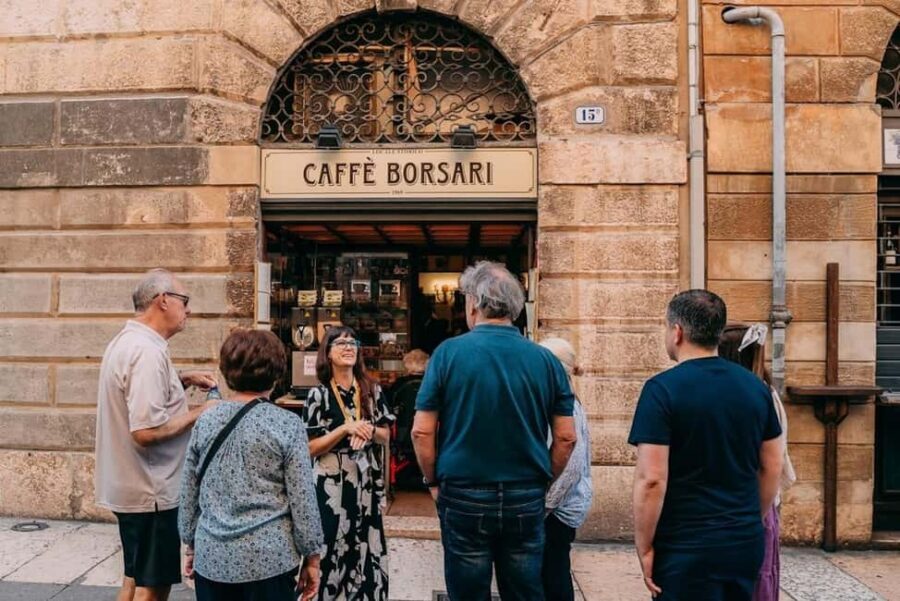
Your day begins at Porta Borsari, with the guide meeting you under the arcade and holding a yellow sign marked tour. From there, you’re walking into the center at a comfortable pace, with short transfers between stops (think minutes, not long treks).
This matters because the tour isn’t trying to exhaust you. It’s built around small waits, quick transitions, and short tasting windows. If you want to pair this with other Verona plans later—like a late lunch after your morning tour or an evening stroll after your afternoon one—this pacing helps.
Also, the end point is straightforward: it returns you back to the meeting area. There’s a mention of two drop-off points linked to Porta Borsari and Ponte Pietra, so depending on the flow, you may not feel like you’re boxed into one exact final walk back.
Piazza Bra Breakfast: Espresso and Risino for a True Local Start
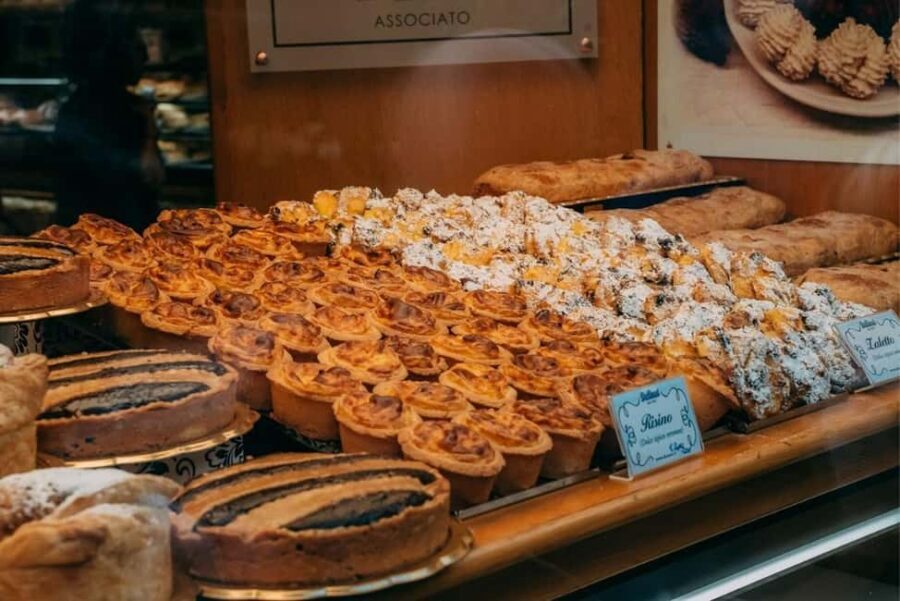
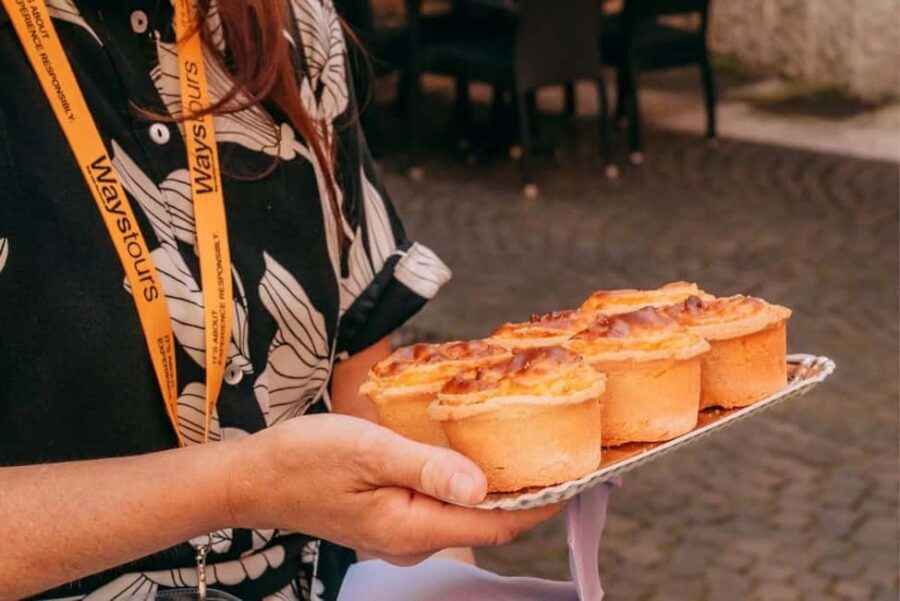
One of the first stops lands in the Piazza Bra area. Here, you’ll do a classic Veronese-style breakfast: espresso plus Risino, a traditional local rice pastry.
This is more than a cute opener. Coffee in Italy isn’t just caffeine—it’s a routine. Starting with espresso plus a local pastry gives you a baseline taste of the city. You’ll also get the practical benefit of eating early, before the walking and the later savory stops.
One note: since this is part of the tasting experience, you’ll likely want to go in hungry but not starving. If you’ve already had a big breakfast, you may find you’re not as excited about the middle stops, like the meatballs or the risotto.
Piazza delle Erbe Snacks and the Fun of Being Led Off-Course
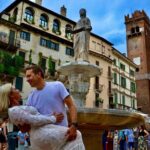
After the first coffee-and-pastry step, the route continues on foot toward Piazza delle Erbe. This is where you start sampling local snacks and small bites—described as tapas-style here, with a focus on regional flavors.
I like this stop because it bridges breakfast and the heavier dishes later. It’s an “on-ramp” for your taste buds: savory, varied, and small enough that you’re still ready for what comes next.
You’ll also start seeing how Verona’s center can feel different depending on which side street you take. The tour is designed to lead you through smaller lanes in the city center rather than sticking to only the broad, obvious paths.
If you’re picky about sticking to strict dietary needs, read that carefully: you’ll be eating multiple courses and bites, and the tour notes that you should inform the provider about food allergies or dietary requirements.
Other wine tasting experiences we've reviewed in Verona
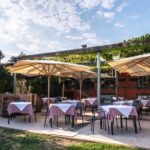
The Savory Middle: Handmade Meatballs and Risotto all’Amarone
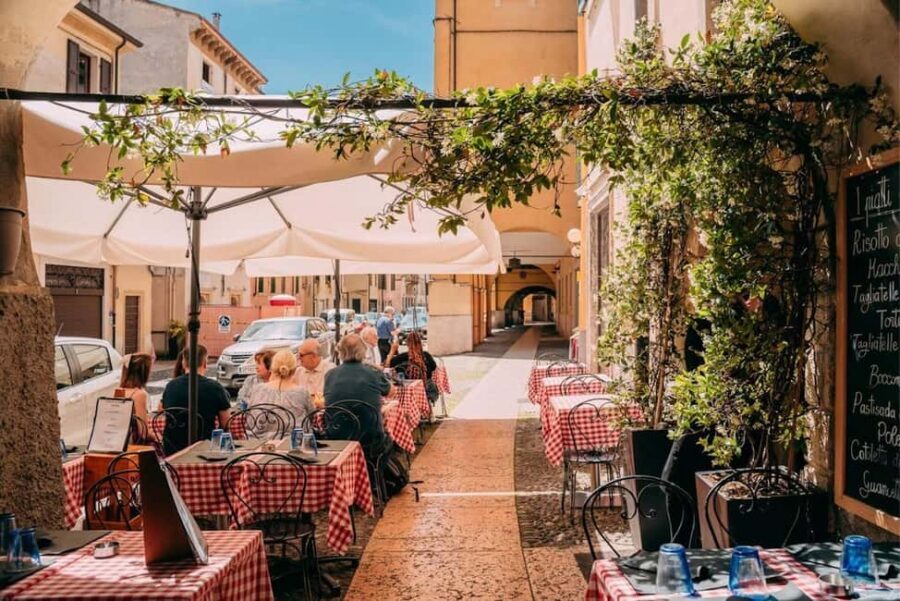
This is where the tour earns its name. You’ll hit traditional stops for handmade meatballs, including a version meant for eating on the go on the afternoon route (served as a cone).
Meatballs in Verona aren’t presented as a random snack. They show up as part of the local food rhythm—simple comfort, done with technique. It’s the kind of food that’s easy to get excited about because it’s warm, savory, and familiar even if you don’t know the exact recipe.
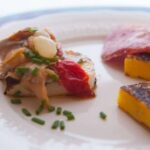
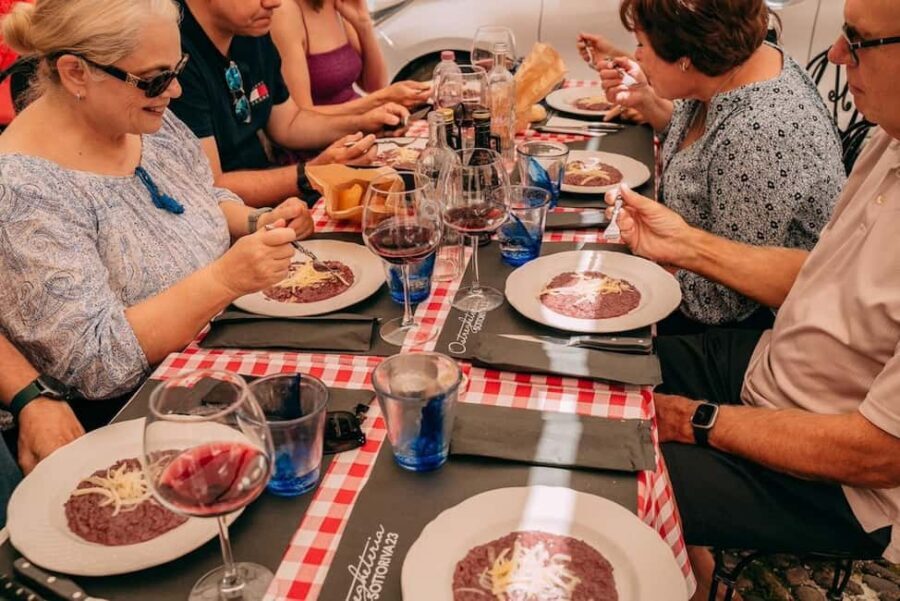
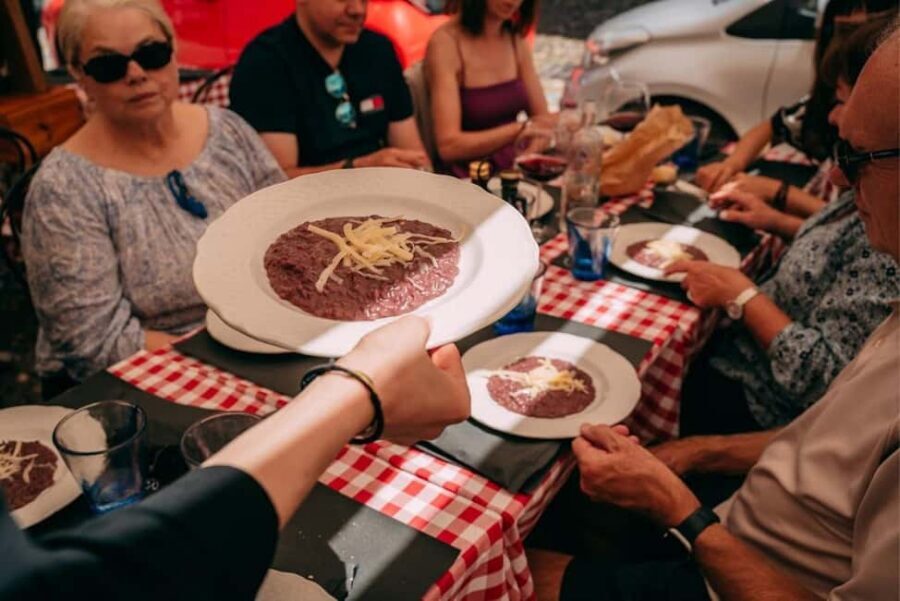
Then comes the meal-style centerpiece: risotto all’Amarone in a regional trattoria. Amarone connects directly to Valpolicella winemaking, so this isn’t just a dish—it’s part of the tour’s logic. Eating the wine-linked dish first helps the later tastings make more sense.
Possible drawback to consider: this portion is also the most “food-forward” time. If you’re sensitive to alcohol flavors, have a sensitive stomach, or just want lighter fare, plan to go slower during the risotto stop and sip water between tastings.
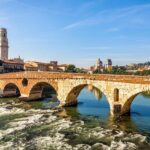
Ponte Pietra and the Wine Tasting Stops: What You’re Actually Learning
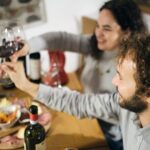
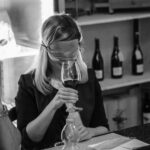
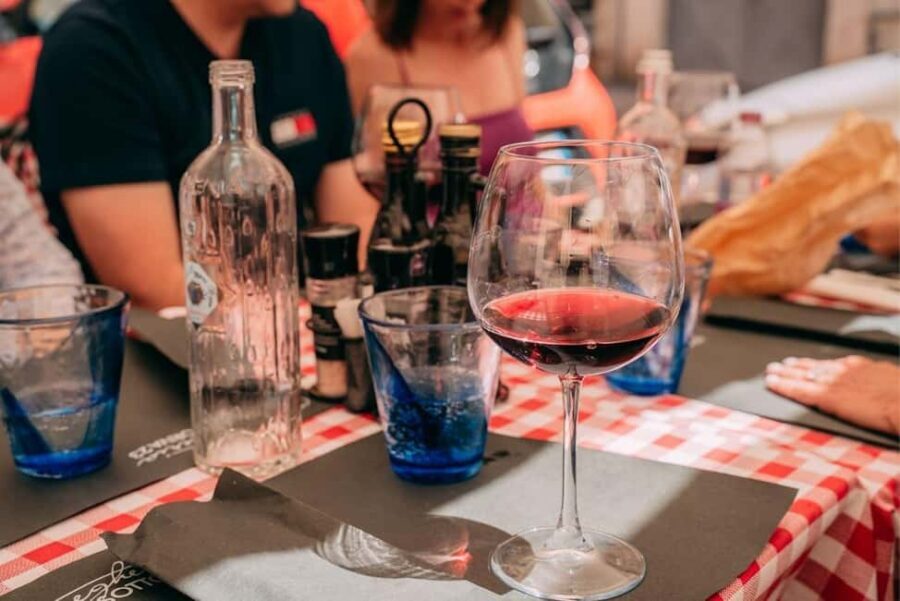
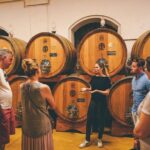
Wine tastings are scheduled at a stop near Ponte Pietra, where you’ll do a guided tasting of three wines. The tour pairs these tastings with small gourmet bites, so it’s not just sip-sip-sip.
This pairing matters. Taste develops faster when you’re switching between wine and food. You’re more likely to pick up differences between the wines when you have something to reset your palate.
Even better: the tour doesn’t treat the wine as a separate activity. It connects it to what you already ate—Valpolicella wines show up in the tasting, and the Amarone connection shows up in the risotto. That makes the tasting feel like part of the same story instead of an added extra.
If you’re trying to decide how much wine to taste, you can treat this as a guided sampler. You’ll get plenty of information from the guide, even if you don’t push every pour to the fullest.
Sweet Finish vs Aperol Toast: How the Tour Closes
Morning ends with sweetness. After the wine stop, you’ll get to a bakery or gelato-style dessert stop for a light finish—described as artisanal gelato. I like endings like this because they keep the tour from feeling heavy. Your last bite tastes like a celebration, not an afterthought.
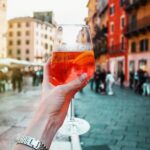
Afternoon ends differently: an Aperol Spritz awaits at an artisanal focacceria. If you’re traveling later in the day and want something that feels like an Italian send-off, this works well. It’s also a nice moment to slow down, take in your last views, and wrap up the experience on a high note.
Either way, the ending helps you remember the tour beyond the “greatest hits.” You leave with a clear sense of what to look for if you come back to Verona on your own.
Price and Value: What $96.29 Gets You (and Why It Can Feel Worth It)
At $96.29 per person for about 3 hours, the value comes from the way the tasting load is stacked.
You get:
- a licensed English-speaking guide
- 5 separate food and wine tasting moments
- multiple central sights and monument areas tied to the food route
If you tried to recreate this yourself, you’d likely spend time figuring out where to go and what to order, then pay full prices at each stop. Here, the work is done for you: the places are chosen, the timing is planned, and the tastings are built into the walk.
That said, it’s still not a “budget snack crawl.” If you prefer to eat only a couple of things and spend the rest of the day exploring on your own, you might feel the cost more. If you love eating and want a guided way to understand Verona’s flavors, the price starts to look pretty fair.
Who Should Book This Tour in Verona
This tour fits best if you:
- want a guided walk that mixes food + wine with major center sights
- like learning by taste, not by lectures
- enjoy hopping between small cafes and osterias rather than staying in one restaurant
You might skip it if you:
- need wheelchair access (it notes some parts may not be easy for reduced mobility)
- travel with children under 6
- prefer solo, self-paced dining and hate group schedules
From the descriptions, the tour runs rain or shine, so pack for weather and keep the focus on comfy shoes and good socks.
Practical Tips That Make the Tasting Better
A few small choices will help this tour land better for you:
Wear comfortable walking shoes. You’re on foot between stops, and you’ll be in and out of small spaces.
If wine isn’t your thing, the afternoon includes a non-alcoholic aperitivo option at the start, and you can also pace how much you drink during the tastings.
Bring a clear note about allergies or dietary needs. The tour says you should inform the provider ahead of time so stops can work for you.
And keep your expectations realistic: this is a 3-hour food route. You’ll likely finish full, so plan lighter eating later that day.
Should You Book? My Straight Answer
Book it if you want Verona fast, tasty, and guided—especially if you care about wine culture and want it explained through what you eat. The Amarone risotto plus three-wine tasting pairing is the kind of structure that makes you understand the region instead of just sampling it.
Skip it if you’re not into wine or you want a long, slow sightseeing day without food checkpoints. Also skip if mobility is an issue, since the tour isn’t set up for wheelchair users.
If you’re on the fence, choose the time that matches your travel rhythm: morning for espresso and gelato, afternoon for aperitivo bites and an Aperol Spritz.
FAQ
Where does the tour start?
The tour starts at Porta Borsari. The guide meets you under the arcade with a yellow sign with tour written on it.
How long is the Verona Food and Wine Tasting Walking Tour?
The tour lasts about 3 hours.
Is there a morning and an afternoon option?
Yes. The tour runs both in the morning and in the afternoon with different stops and tastings.
What language is the tour guide?
The tour is in English, with a live licensed tour guide.
How many tastings are included?
The tour includes 5 food and wine tastings.
What are you likely to eat and drink on the morning tour?
Morning tastings include espresso and Risino, local snacks, handmade meatballs, risotto all’Amarone, a guided tasting of three Valpolicella wines, and artisanal gelato.
What are you likely to eat and drink on the afternoon tour?
Afternoon includes a non-alcoholic aperitivo with cicchetti, wine tastings of three wines, a cone of handmade meatballs to enjoy on the go, and an Aperol Spritz at the end.
Does the tour run if it rains?
Yes, it runs rain or shine.
Who can participate?
Children under 6 can’t participate. Minors must be accompanied by an adult. Pets are not allowed.
Is the tour suitable for wheelchair users?
No. It’s noted as not suitable for wheelchair users, and some parts may not be easily accessible for reduced mobility.