REVIEW · VERONA
Tour to the Arena di Verona at the Gladiator’s Time
Book on Viator →Operated by CittàDiLazise.it · Bookable on Viator
Verona’s Arena is the Romans, still standing. This one-hour tour focuses on the Arena di Verona and helps you read the building like a story, including how it worked in Roman times and why it survives so well. I like that you get a licensed guide who turns stone into scenes, and I especially love how the guide aims for real understanding fast, without making you wade through a textbook.
Fabio has been highlighted for being funny, energetic, and able to explain details in a way kids can follow too, including teens and younger children. One thing to consider: the guided part is short, and the Arena ticket is not included (you’ll pay the entry fee separately online and bring it with you).
In This Review
- Key highlights to expect
- Piazza Bra start: where the Arena story begins
- Entering the Arena di Verona: why this amphitheater still makes sense
- Gladiator-era storytelling: turning architecture into scenes
- The guide experience: licensed in Verona and built for real attention
- Price and value: what you pay for, and what you’ll add
- Timing and meeting point: how to make the hour feel un-rushed
- Who this tour is best for (and who might want a different style)
- Should you book this Arena di Verona tour?
- FAQ
- What does the tour include?
- How long is the guided experience?
- Is the Arena di Verona entrance ticket included in the price?
- Where do we meet?
- What time does the tour start?
- Is this tour private?
- What language is the tour offered in?
- Can I get a refund if my plans change?
Key highlights to expect
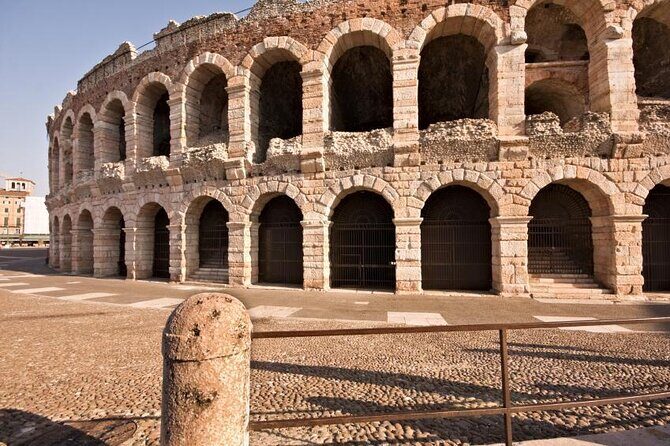
- Private, small-group format for up to 8 people, so your guide can keep the pace right for your group
- Meet in Piazza Bra at the Arena entrance area, which makes orientation easy before you step in
- Licensed Verona guide focused on the Arena’s layout and purpose, not just general sightseeing
- Fabio’s style: lively storytelling plus practical stops for better photo angles
- Family-friendly explanations that work for kids and teens, not only adults
- Mobile ticket support for a smoother start once you arrive
Piazza Bra start: where the Arena story begins
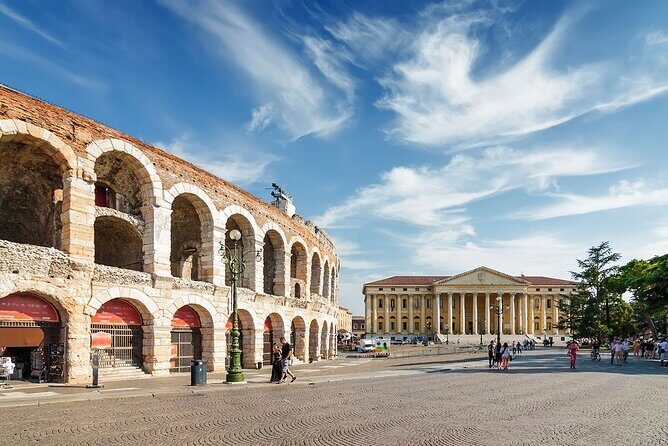
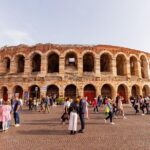
Most people first notice the Arena di Verona because it looks “big” in the way only ancient Roman public architecture can. The key is where you start: you meet right by the Arena in Piazza Bra, Verona’s largest square. Even if you’ve never been here before, the setting helps you get bearings quickly. You’re not hunting for a random street entrance or figuring out which door leads where.
That matters, because the tour itself is only about an hour. You want those sixty minutes to go to the good stuff: understanding the Arena’s structure and the way gladiator entertainment fit into the city’s life. Starting in the same spot where your eyes will naturally land also helps you connect what the guide is saying with what you’re actually seeing.
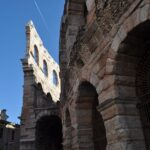
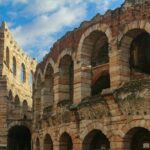
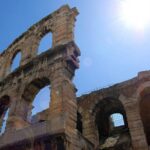
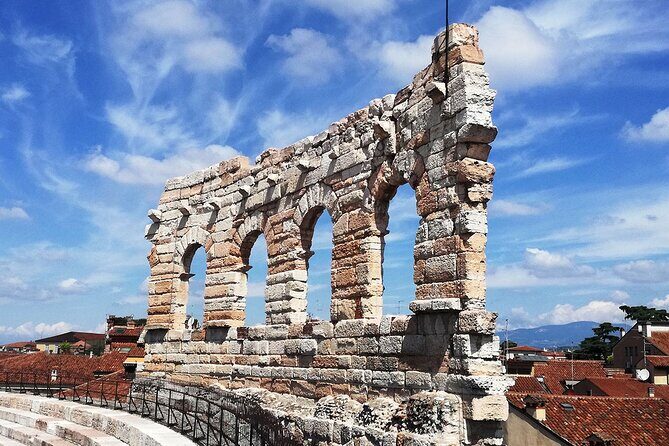
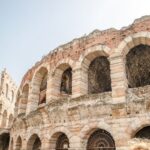
From there, your guide’s job is to help you interpret the Arena. The Roman amphitheater is famous as an icon of Verona, alongside the city’s “Romeo and Juliet” fame. But it’s more than a postcard. The building you’re looking at is one of the large Roman amphitheaters that has survived with an unusually strong level of conservation, thanks to restorations going back to the 1500s. That long restoration history is why the design still reads clearly today, even after centuries of changes.
In plain terms: when the structure is well preserved, your brain can map how it originally worked. That’s a big advantage for this format, because you’re not stuck with vague impressions. You’ll come away with a clearer picture of how Roman arenas were designed for crowds, movement, and spectacle.
Other Verona Arena tours we've reviewed in Verona
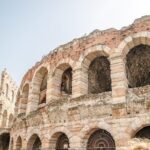
Entering the Arena di Verona: why this amphitheater still makes sense
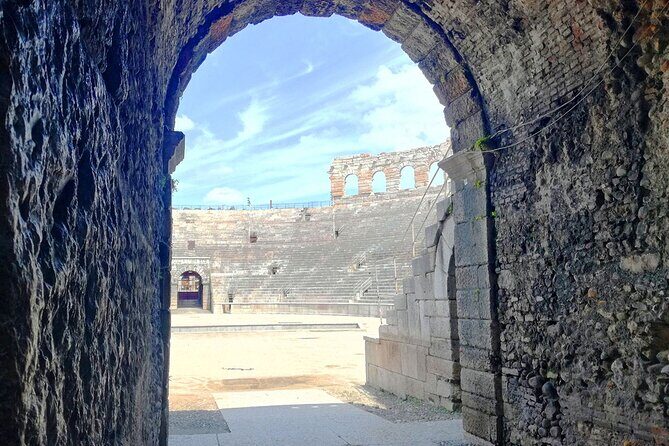
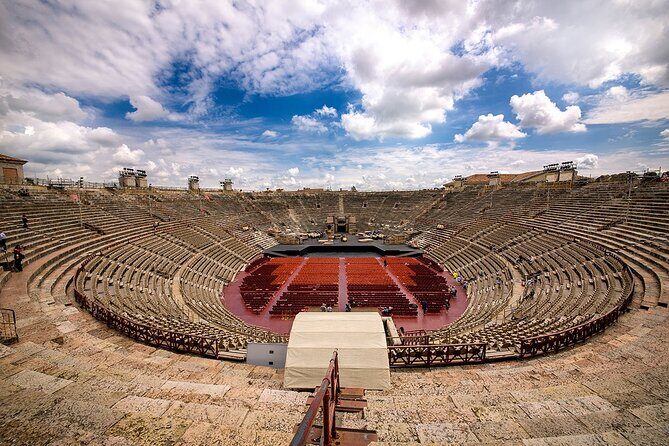
The Arena di Verona is a Roman amphitheater, and the design is the point. An amphitheater isn’t like a modern stadium where you just sit and watch. It’s a carefully built machine for holding people and directing them through the space. When your guide focuses on the Arena’s layout and function, you start seeing the building as a system.
I like this approach for one simple reason: the Arena is extremely photogenic, but photos alone won’t teach you how it worked. A short guided visit helps you notice the “why” behind the “what.” You’ll get help understanding the structure of Roman amphitheaters—how they’re organized and how that organization supported the events they hosted.
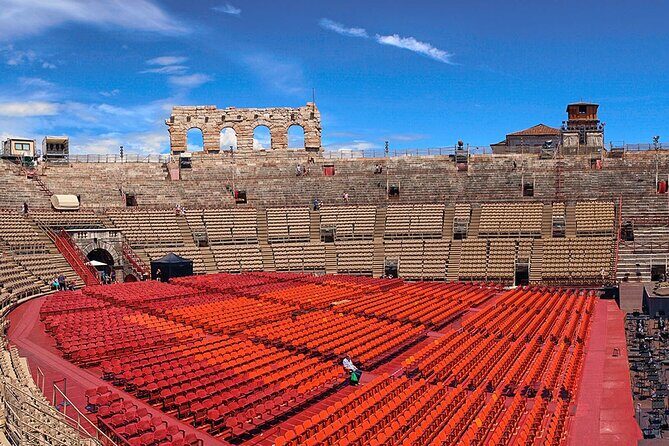
Another reason this is worth your time: the Arena’s preservation makes it easier to learn. The building has been transformed over the centuries, but systematic restorations since the 16th century have helped maintain the readability of the original form. So when your guide points out features, you’re not trying to imagine what might have been there. The structure is still visible enough to make sense on the spot.
Also, this is one stop. That sounds simple, but for an hour tour, it’s actually a quality signal. You’re not spending your time walking across town or negotiating multiple meeting points. Instead, you’re concentrating on one monument long enough to process it.
If you’re the type who usually feels rushed in big attractions, this format is a relief. You get to slow down inside the Arena’s story without turning your day into a sprint.
Gladiator-era storytelling: turning architecture into scenes
The tour’s title points you toward gladiators and that time period, but what you’ll really appreciate is the bridge between “Roman building” and “Roman experience.” A well-run guide doesn’t just list facts. They connect the spaces to the spectacle.
That’s where the guide energy matters. Fabio is repeatedly described as funny and entertaining, and that’s not just for laughs. Humour can make heavy topics easier to hold in your head. When a guide is energetic and clearly proud of Verona, you feel the story land better. You’re more likely to remember it when you leave.
You’ll also notice that the explanations are practical. People highlight that the guide includes important historical snippets as he moves through the structure, so you’re not stuck hearing a long monologue while standing still. The best part of this kind of narration is that you can look up from the guide’s words and see the logic in front of you.
A nice bonus: your guide appears to help with photo timing and positioning. One review specifically praised extra time given for the best Arena locations for pictures. That’s the difference between a tour that lets you take snapshots and a tour that helps you actually get good angles while you’re learning.
And yes, this kind of storytelling can work for families. Reviews mention children as young as nine enjoying it, along with teens around thirteen. When the guide can explain clearly without talking down, kids don’t tune out—they follow along.
In short, you’re not just looking at an old stadium. You’re learning how the Arena’s design supported the kinds of events people came for—so the monument stops being distant and starts feeling personal.
The guide experience: licensed in Verona and built for real attention
This tour includes an official tourist guide licensed in Verona. That might sound like a paperwork detail, but it shows up in how the hour is handled. A licensed guide is trained to teach effectively and legally, and you can feel that structure during the walk.
What the reviews emphasize is consistency: Fabio’s explanations are described as professional, energetic, and full of passion. People also liked his professionalism and how he managed the group with momentum. That matters in a one-hour tour because time compresses everything. If your guide loses the thread, you feel it immediately.
The other point I take from the feedback is that the guide doesn’t treat the group like they’re interchangeable. People mention that the pickup location is easy, and that the guide was willing to slow down for photo spots. That tells me the guide is paying attention to what you need, not just delivering a script.
If you’re worried that a short tour won’t be “enough,” here’s why it can still hit the sweet spot. In an hour, the guide can focus on the most important elements of the Arena—its function, its design, and the story of how gladiator entertainment fits in. You’re leaving with an organized understanding rather than a scattered list of details.
And if you like learning history but hate lectures, you’re likely to enjoy this style. Reviews describe the experience as fun and memorable, with a guide who makes history feel alive. That doesn’t mean silly. It means you can picture the past because the guide uses the space as a teaching tool.
Price and value: what you pay for, and what you’ll add
The price is listed as $168.41 per group (up to 8) for about an hour. That’s for the guide experience, not the Arena admission itself.
Here’s the key value math: since the group rate covers up to eight people, your per-person cost drops as your group fills up. Then you add the Arena ticket entry fee, which is €12.00 per person (paid separately online). So the total you spend depends on your group size.
If you’re traveling solo or as a couple, the price can feel steep compared to a per-person tour. But you do get something important in return: a private group experience. With a private format, you’re not squeezed into a mass tour where your questions get ignored or where the guide has to rush every explanation.
If you’re a family or a small group, this can be a smart spend because you’re paying for a guide who keeps attention on your group, including kids. Reviews mention kids enjoyed it, and that’s often where group tours can pay off—one guide can adapt the tone and pace.
Also, the tour uses a mobile ticket approach, which can reduce hassle on arrival. And because confirmation is received at booking and the meeting spot is clear, the start tends to be straightforward.
One more practical planning note: the tour is commonly booked about 66 days in advance on average. That’s not a guarantee of availability, but it’s a useful signal. If your dates are fixed, you’ll save stress by booking ahead rather than waiting.


Timing and meeting point: how to make the hour feel un-rushed
The tour starts at 9:00 am and finishes back at the meeting point. With a start time that early, you avoid some of the worst crowds and heat that can build later in the day, which is especially helpful if you’re traveling in warmer months.
You’ll meet at Verona Arena, Piazza Bra, 1, 37121 Verona VR, Italy. That location is easy to identify because it’s at the Arena itself, not a distant office. If you’re the type who likes to arrive a bit early just to settle your mind, plan to show up a little before 9:00 so you’re not standing around checking your phone under pressure.
Also remember: Arena admission is not included. That means you should buy the Arena tickets online ahead of time. Bring whatever confirmation or ticket details you have when you arrive.
Because the guided part is only about one hour, you’ll want your logistics to be simple. No last-minute ticket purchases on-site, no wandering to find the correct entrance. This is exactly the kind of tour where a smooth arrival makes the difference between feeling relaxed and feeling rushed.
Finally, this experience is private—only your group participates. That matters for meeting up. If you’re with friends or family, make sure you all arrive together so the start stays smooth.
Who this tour is best for (and who might want a different style)
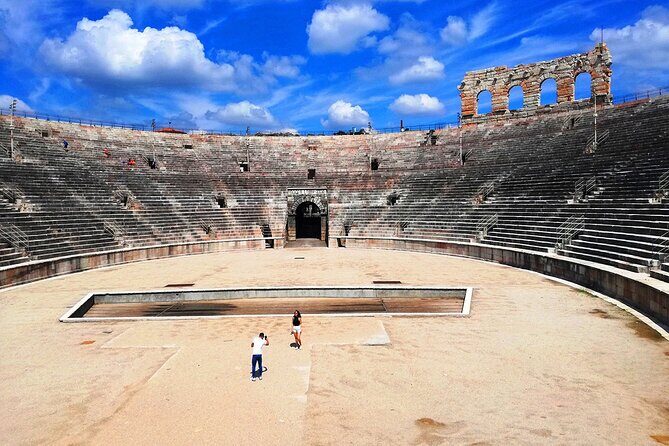
This is a strong match if you want a focused experience: you’re in Verona, you want the Arena, and you want to understand it without spending half your day on logistics.
You’ll likely enjoy it if:
- You love architecture and want help seeing what makes Roman amphitheaters work
- You want gladiator-era stories connected to the actual building
- You’re traveling with kids or teens who do better with lively explanations
- Your group values a private format and doesn’t want to be swallowed by a crowd
You might want to consider a different option if:
- You’re looking for a longer walk across multiple sites in one outing
- You dislike tours that center on a single attraction for the entire hour
- You want the admission fully bundled with the tour price (here, the €12 per person Arena ticket is separate)
On the plus side, the tour notes that most travelers can participate. Service animals are allowed too. And it’s near public transportation, so getting there is usually manageable.
Should you book this Arena di Verona tour?
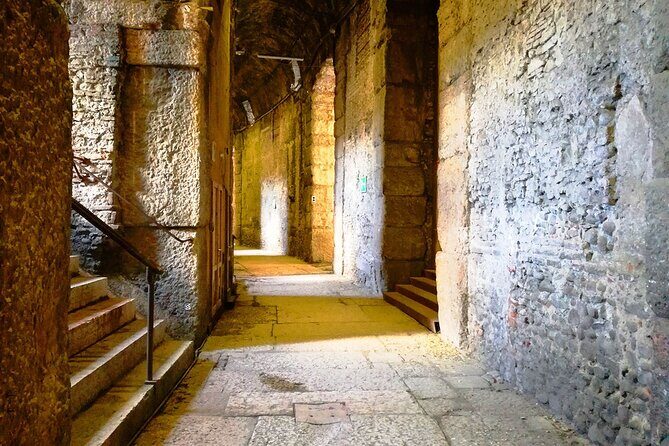
I think this is an easy yes if you want a short, high-impact introduction to the Arena di Verona with a guide who’s known for storytelling with energy. The biggest strength here is that you’re not just taking in an old monument—you’re learning how it functioned, and you do it in a way that works for both adults and kids.
Book it if your group can use the private format (up to eight people) and you’re already comfortable buying the Arena tickets online. With the one-hour length, it’s also a great plan if your Verona schedule is tight.
Skip it if you’re trying to avoid any extra ticket steps. The guide experience is the value, but the Arena entrance fee is an additional cost.
If you want a memorable hour that gives you real understanding fast, this one is worth your time.
FAQ
What does the tour include?
It includes an official tourist guide licensed in Verona. It uses a mobile ticket, and the tour itself lasts about one hour.
How long is the guided experience?
The duration is about 1 hour.
Is the Arena di Verona entrance ticket included in the price?
No. You need to buy the Arena di Verona ticket online separately. The entrance fee listed is €12.00 per person.
Where do we meet?
You meet at Verona Arena, Piazza Bra, 1, 37121 Verona VR, Italy.
What time does the tour start?
The start time is 9:00 am.
Is this tour private?
Yes. It’s a private tour/activity, and only your group participates.
What language is the tour offered in?
The tour is offered in English.
Can I get a refund if my plans change?
You can cancel for a full refund up to 24 hours in advance of the experience start time. If you cancel less than 24 hours before, the amount paid is not refunded.