Verona clicks fast when you have the right route. This walking tour is built for getting your bearings quickly, with a local guide leading you through the big hitters like the Arena and Basilica di Santa Anastasia, plus spots most first-timers miss.
I especially like that the guide doesn’t just recite facts—they share practical context for how to explore after the tour. I’ve also seen guides like Graziano and Elettra described as flexible, adjusting the pace and even the focus when plans shift.
One possible drawback: it’s a 2-hour walk and entry tickets aren’t included, so if you want to go inside every major site, you’ll likely pay extra or prioritize a few stops.
In This Review
- Key highlights that make this walk worth your time
- Why a 2-Hour Verona Walk Makes Sense
- Piazza Bra to Verona Arena: Starting Where the City Begins
- The Roman-to-Medieval Thread: City Walls, Gates, and Old Passages
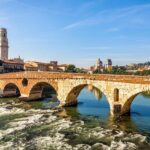
- River Time: Riva San Lorenzo and Ponte Pietra Views
- Piazza delle Erbe: Where Verona’s Daily Life Still Shows
- Piazza dei Signori: History With a Side of Theater
- Basilica di Santa Anastasia: Big Church Energy, In the Middle of Town
- Romeo’s House and Juliet’s Balcony: The Pop-Culture Stop That Still Works
- Scaligero Tombs and the Old Market Courtyard: Less Famous, More Memorable
- Guides Who Adjust: The Real Value Beyond the Route
- Price, Pace, and Value at $38 for 2 Hours
- Who This Tour Fits Best (And Who Might Prefer Something Else)
- Should You Book This Verona Highlights Walking Tour?
- FAQ
- How long is the Verona walking tour?
- How much does the tour cost?
- Where do I meet the guide?
- Is this tour private or shared?
- What languages are available for the live guide?
- Are entry tickets included?
- What should I bring for the tour?
Key highlights that make this walk worth your time
- Piazza Bra start that feeds you straight into Verona’s real historic core
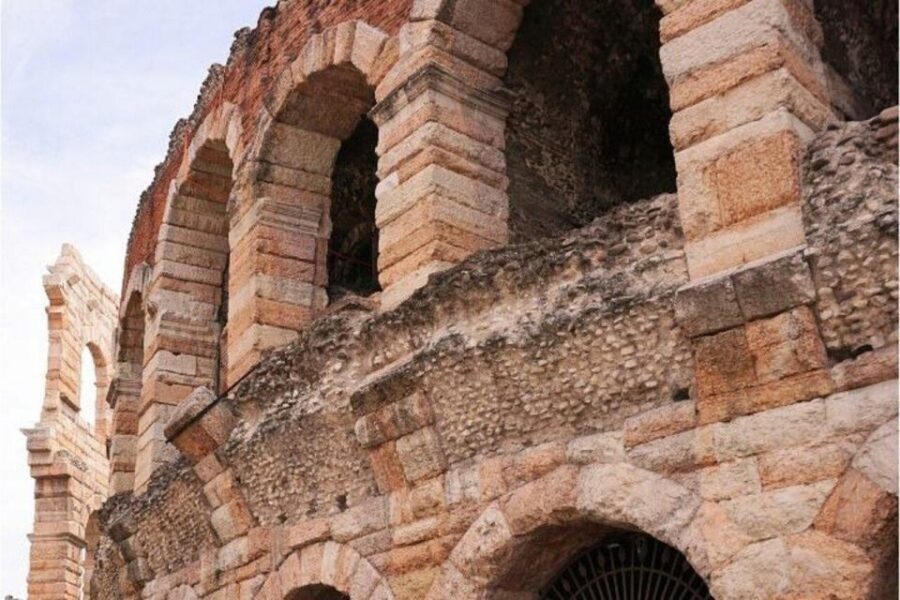
- Arena di Verona and other ancient landmarks tied to stories you can remember
- Lesser-known lanes and viewpoints on the medieval wall line and river routes
- Piazza delle Erbe + Piazza dei Signori without getting lost in the crowd noise
- Basilica di Santa Anastasia plus Romeo-and-Juliet sights in one efficient loop
Why a 2-Hour Verona Walk Makes Sense
Verona can feel like two cities at once: the postcard squares people photograph, and the lived-in streets locals actually use. A short guide-led walk is a smart way to connect those dots without burning your whole day.
With 2 hours and a set route, you get a framework you can build on later. You’ll leave knowing where the center is, what’s worth revisiting, and what to skip when you’re tired.
Other Verona walking tours we've reviewed in Verona
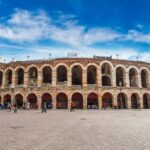

Piazza Bra to Verona Arena: Starting Where the City Begins
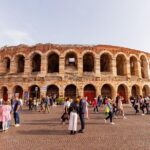
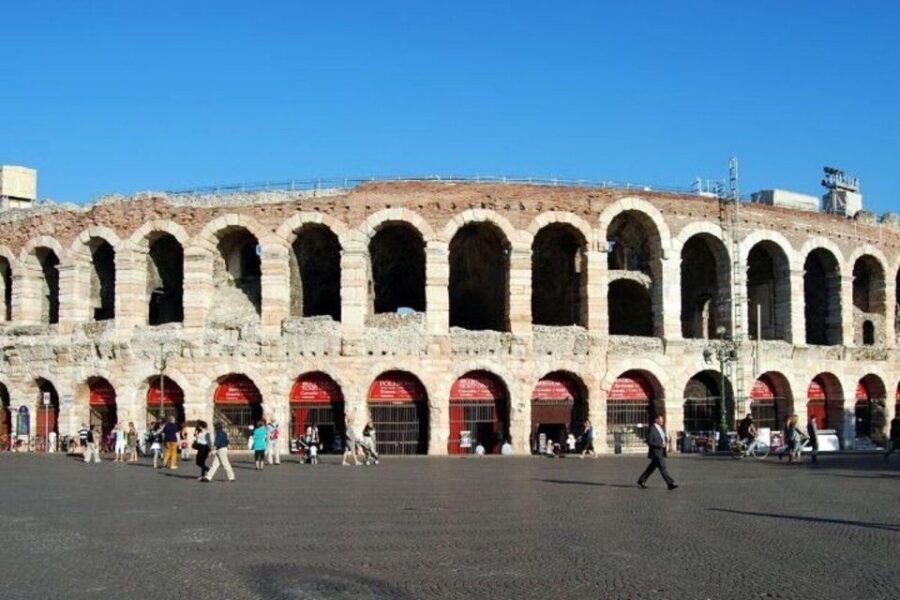
Most tours in Verona start in the obvious places. This one starts at the heart of it all, with the meeting point in/around Piazza Bra. That matters because it places you next to the energy of the city, not out in the suburbs where you have to fight for your bearings.
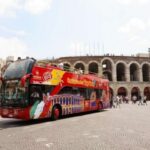
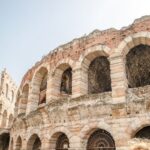
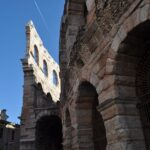
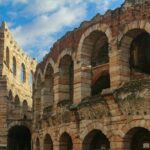
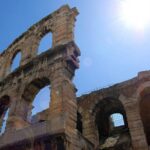
From there, your walk heads toward the Roman-era Verona Arena—one of the city’s most famous landmarks. Even if you don’t enter, the exterior and setting help you understand why this area became such a power center long ago.
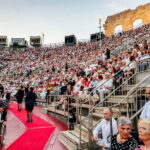
Practical note: the Arena is iconic, but it can also be busy. The guide’s job here is to help you see what’s worth noticing—then move you along before you get stuck staring at the same view everyone else is stuck with.
The Roman-to-Medieval Thread: City Walls, Gates, and Old Passages
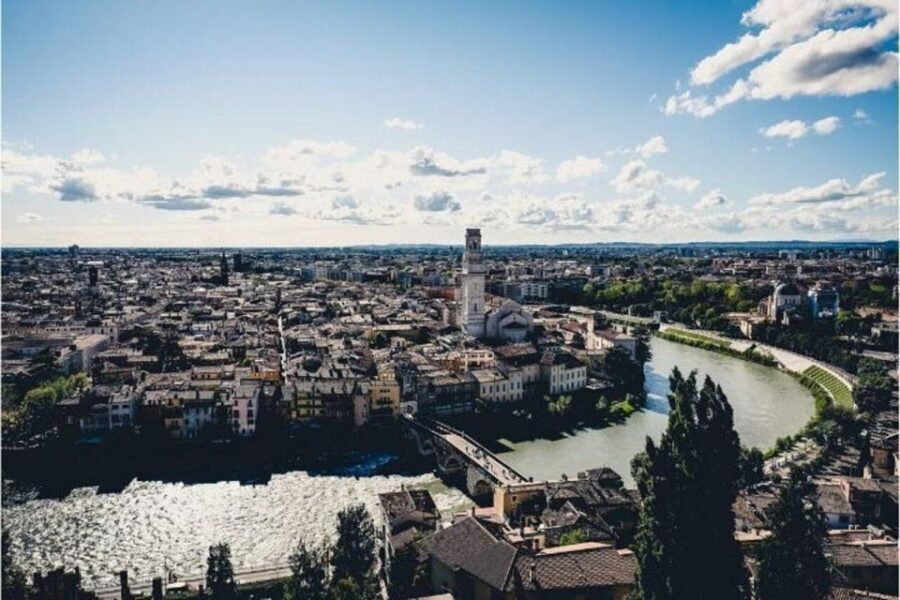
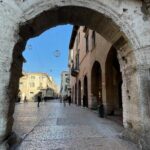
A big reason this walk feels more “Verona” than “checklist” is that it threads through different eras. You’ll pass along medieval fortification lines and important gates such as Porta Borsari, and you’ll also hear about other entrances like Porta Jovia along the route.
Stops like Vicolo del Guasto add texture. This is the kind of lane that doesn’t look dramatic from far away, but up close it shows you Verona’s smaller scale—tight corners, layered stonework, and streets that make the city feel lived-in rather than museum-like.
You’ll also get a chance to look over the river from the wall-side views. If you’re the kind of traveler who likes a photo, this is where it pays off.
River Time: Riva San Lorenzo and Ponte Pietra Views
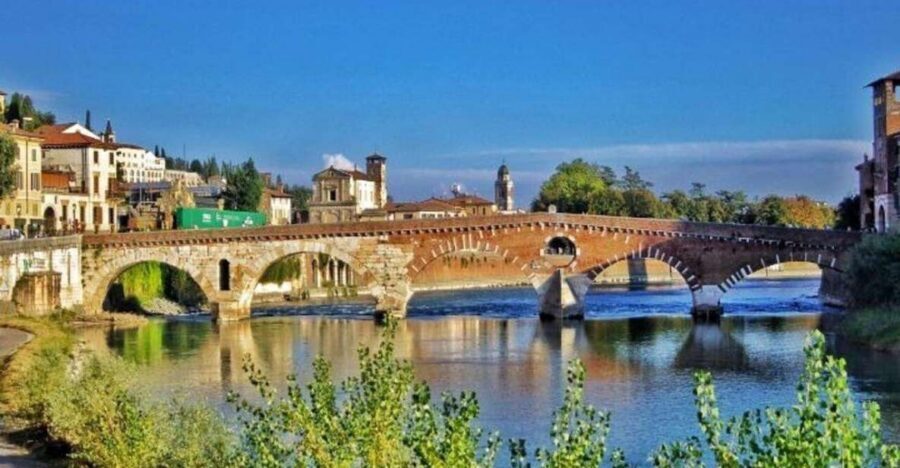
Verona has a way of turning water into a viewpoint. Your route includes Riva San Lorenzo, which gives you a calmer pocket of city rhythm than the big squares. It’s also a good reset before the tour swings back into the plaza-heavy old town.
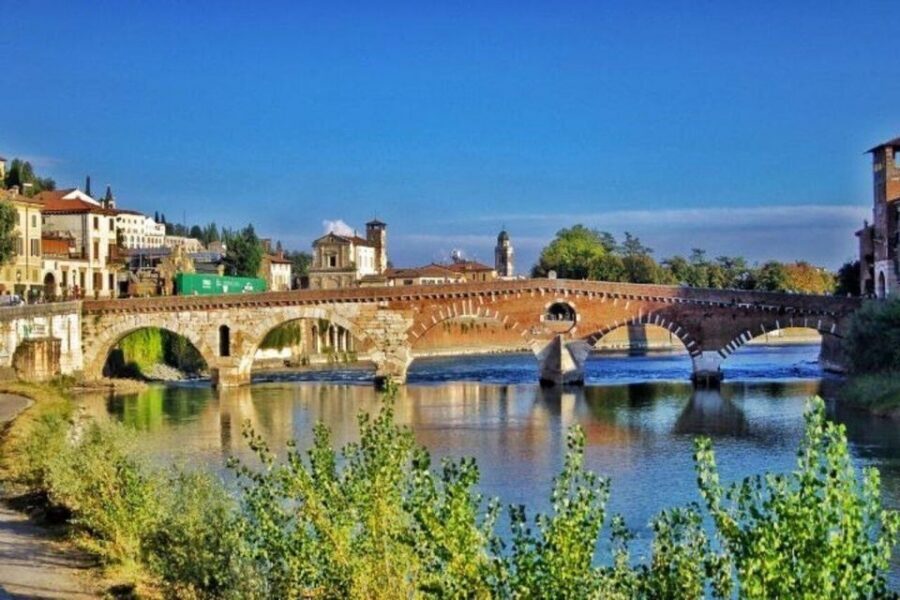
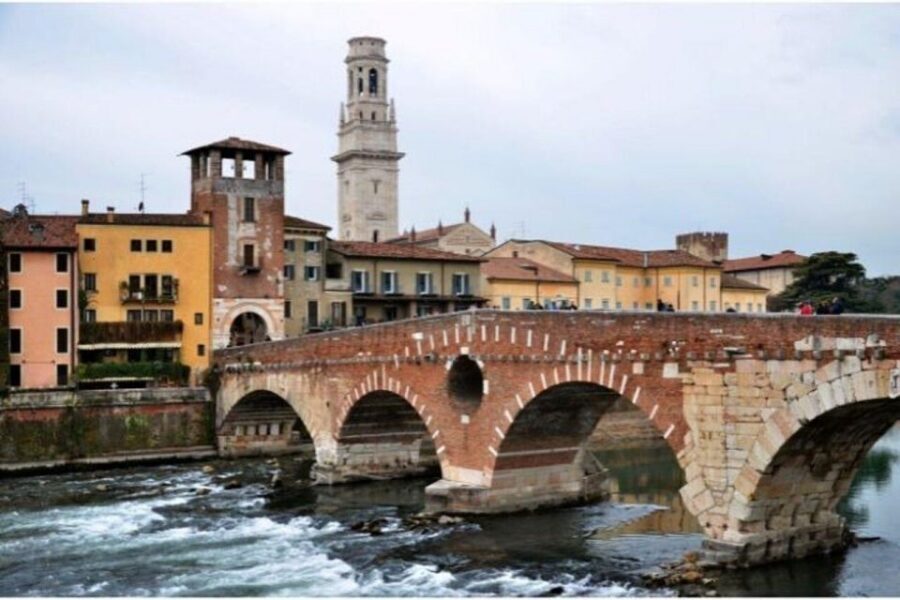
Later comes Ponte Pietra, the historic bridge area. Even without going far off-route, this stop helps you understand the city’s layout—how bridges connect neighborhoods and how people historically moved between sides of the river.
If you’re traveling in warmer months, this is also where you’ll appreciate the pacing. The walk keeps moving, but you’re not stuck in one dense crowd zone the whole time.
Piazza delle Erbe: Where Verona’s Daily Life Still Shows
Then you hit the square that people think they know, until they stand there. Piazza delle Erbe is more than a photo stop—it’s a place with a pulse. Your guide helps you read the space: why it matters, how it shaped commerce and social life, and what to look for beyond the obvious facades.
This stop is valuable even if you plan to return later. When a guide points out “what you’re actually looking at,” your second visit feels easier and more rewarding. You stop being a spectator and start being oriented.
Expect the square to be lively. That’s part of the charm. The benefit of a guided walk is that you don’t lose time guessing where to go next.
Other hidden gems and off-the-beaten-path tours in Verona


Piazza dei Signori: History With a Side of Theater
Right after, you’ll move to Piazza dei Signori, another cornerstone square. It’s the sort of place where the architecture and the city layout make more sense once someone connects the stories to the stone.
This square works well on a short itinerary because it hits two goals at once: sight value and context. You’ll understand the role of civic power here and what it meant for daily life.
Also, this is a prime spot for stopping and asking questions. If you’re curious about what to see next day, what’s worth a longer look, or where to eat without wasting time, this is often where your guide can help most.
Basilica di Santa Anastasia: Big Church Energy, In the Middle of Town
The route brings you to Basilica di Santa Anastasia, described as the largest place of worship in the city and located right in the old town core. This is one of the best stops in Verona for travelers who care about architecture because the building sits at the center of everything—socially and visually.
You may not need to be a religious-history expert to enjoy this one. What makes it worthwhile is the way the guide links the site to Verona’s identity. You start noticing patterns in design and why the church’s scale mattered.
One watch-out: church interiors can mean uneven footing. Wear comfortable shoes, and take your time if you’re moving slowly.
Romeo’s House and Juliet’s Balcony: The Pop-Culture Stop That Still Works
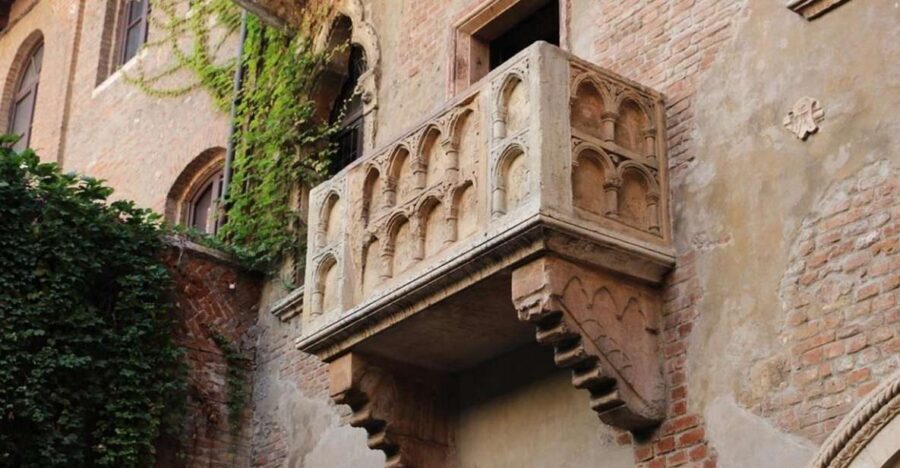
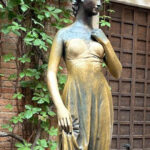
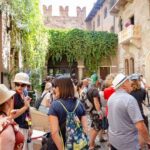
Yes, you’ve seen Juliet’s balcony in photos. Still, seeing it in person is different because it sits inside the living city, not a screen. Your walk includes Casa di Romeo and the balcony area that inspired Shakespeare’s work.
What I like about doing this on a guided walk is that your guide can steer you past the “just a legend” view and into the real Verona setting. You’re not only chasing fandom—you’re learning how the story attaches to specific spaces and street rhythms.
If you’re sensitive to crowds, treat this stop like a quick landing. Look, absorb, move on. The rest of the walk keeps delivering.
Scaligero Tombs and the Old Market Courtyard: Less Famous, More Memorable
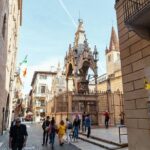
Toward the later part of the tour, you get to Arche Scaligere—the Scaliger tomb area. This is where the city’s medieval power becomes more tangible. Even if you’re not into tombs, the sheer presence of the monument shapes how you picture the era.
Then there’s the Courtyard Of The Old Market, which helps break up the big-square rhythm. Courtyards often surprise you: less overwhelming than plazas, more intimate than a main avenue, and often better for slowing down and noticing details.
This is also where you feel the “guided by locals” advantage. The walk spends time on places that don’t scream for attention, but give Verona its character.
Guides Who Adjust: The Real Value Beyond the Route
The tour’s structure is solid, but the guide is the difference-maker. In the feedback I’ve read from different departures, guides like Sara are described as friendly and good at recommendations, while others like Constanza and Emanuela are praised for adapting when weather or timing gets messy.
That adaptation matters more than you’d think. If it rains, you don’t want to spend your limited time sprinting between loud landmarks. If you arrive late because a train changes, you don’t want the whole day to feel derailed. A guide who can reshape the flow keeps the experience intact.
Even small touches can add up: you might get suggestions tailored to your interests, and in at least one case, the guide reportedly walked people directly toward a lunch reservation. That kind of help turns the tour into a day plan, not just a walk.
Price, Pace, and Value at $38 for 2 Hours
At $38 per person for a 2-hour guided route, the value is mostly about efficiency. You’re paying for someone to connect the dots: where to go, what to notice, and what to do next once you’re on your own.
This isn’t a “see everything in Verona” deal. It’s a smart intro: Arena area, key squares, major church stop, Juliet/Romeo story site, plus additional historic corners that help you understand the city shape.
Two more value notes:
- Entry tickets aren’t included, so you should budget a little extra if you want to go inside major sites.
- You get advice along the way, which can save you time the next day—especially for planning meals and picking what’s worth your energy.
If you only have one short day and you want Verona to click, this price is easy to justify.
Who This Tour Fits Best (And Who Might Prefer Something Else)
This walk is ideal if you:
- want a focused first look at Verona
- like history tied to real street locations
- don’t want to spend your day charting routes on your phone
- value local recommendations for what to do after you finish
It may not be ideal if you:
- want a long, museum-style day with lots of interior visits
- dislike walking in a packed city center
- expect every major stop to include ticketed entry as part of the tour price
Should You Book This Verona Highlights Walking Tour?
I’d book it if you’re trying to get Verona’s layout, highlights, and story in one efficient hit. It’s well matched to short trips and first-time visits, and the guides’ ability to adjust helps protect your time when travel doesn’t go perfectly.
If you already planned a full “inside-everything” itinerary with multiple ticketed attractions, you might pair this with a careful plan for what you’ll enter versus what you’ll simply see from the outside. But as an orientation tool and a route you’ll remember, it’s a strong choice.
FAQ
How long is the Verona walking tour?
The tour lasts about 2 hours.
How much does the tour cost?
The price is $38 per person.
Where do I meet the guide?
The meeting point can vary depending on the option booked, including Via Roma, 80 and Via Dietro Listone, 1.
Is this tour private or shared?
You can choose between a private group tour or a shared group tour.
What languages are available for the live guide?
The live tour guide is available in English, French, Italian, and Spanish.
Are entry tickets included?
No. Entry tickets are not included.
What should I bring for the tour?
Wear comfortable shoes, since it’s a walking tour.