REVIEW · VERONA
Lazise: Historical Center Wine Tasting Tour
Book on GetYourGuide →Operated by CittàdiLazise · Bookable on GetYourGuide
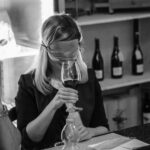
Good wine tastes better underground. In Lazise, you step into the ZF4 Cellar setting and taste six Garda wines while learning the makers’ traditions in a relaxed historical space. I like that it moves at a human pace, and that the food pairing is part of the lesson, not an afterthought. One caution: there’s no vegan option, so plan around that if you follow a vegan diet.
If you’ve ever wondered what makes Garda wine tick, this tasting is an easy entry point. It lasts 1.5 hours, runs with a small group (up to 10), and your live guide can explain in Italian, English, or German. The only real “drawback” is logistics: you’ll handle getting to the meeting point on your own.
In This Review
- Key highlights you’ll actually care about
- ZF4 Cellar in Lazise: what the setting does for your tasting
- The 1.5-hour flow: how the tasting order keeps things logical
- Wine-by-wine: what you’ll taste and what to listen for
- Whites and rosé: the warm-up you’ll thank yourself for
- Bardolino: the bridge to the reds
- Syrah, Così, and Ettore: the red chapter
- The pairing that makes it feel real: Garda olive oil, cold cuts, cheese, bread
- What you learn in the cellar: philosophy, history, and traditional methods
- The human side: your guide and the small-group advantage
- Price and value: is $47 reasonable for what you get?
- Who this is best for (and who should skip it)
- Making it work with your day in Lake Garda
- Should you book the Lazise Historical Center Wine Tasting?
- FAQ
- How long is the Lazise Historical Center Wine Tasting Tour?
- What’s included in the tasting?
- Where does the wine tasting take place?
- Which wines will I taste?
- Is olive oil included, and is it local?
- Is transportation included to the meeting point?
- Are vegan options available?
- What languages is the tour guide available in?
- Is the tour wheelchair accessible?
- How big is the group?
Key highlights you’ll actually care about
- Six wines in a clear order: white/rosé, then Bardolino, then three reds (Syrah, Così, Ettore)
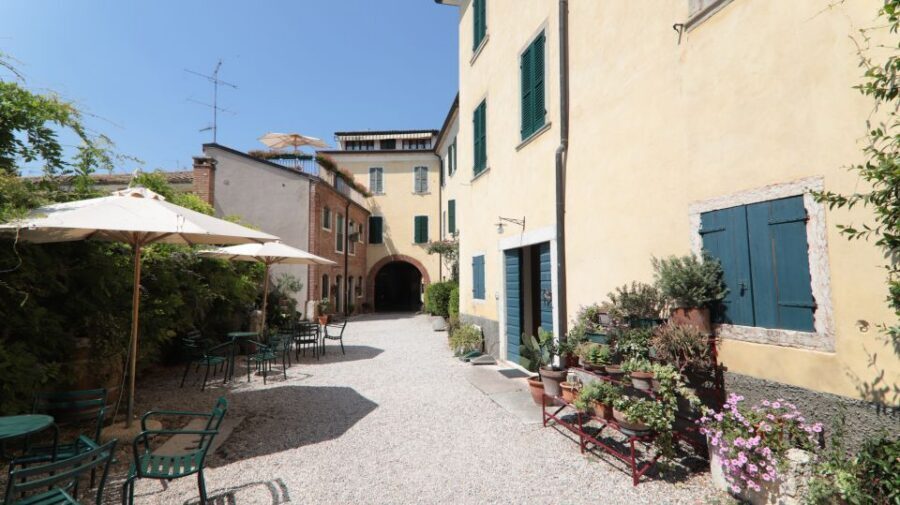
- A cellar experience in Lazise: an aged, renovated historic-courtyard setup
- Food pairing is included: cold cuts, cheese, bread, plus in-house Garda olive oil
- Optional grappa comes with the meal-style tasting
- Small-group vibe (max 10) means more time for questions
- Skip-the-line entry helps you start tasting without delays
ZF4 Cellar in Lazise: what the setting does for your tasting
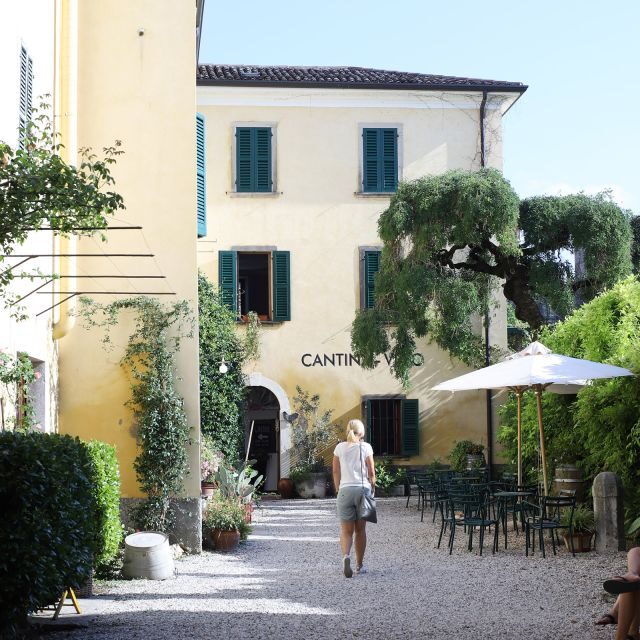
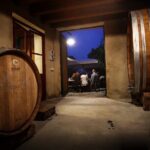
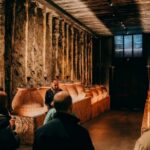
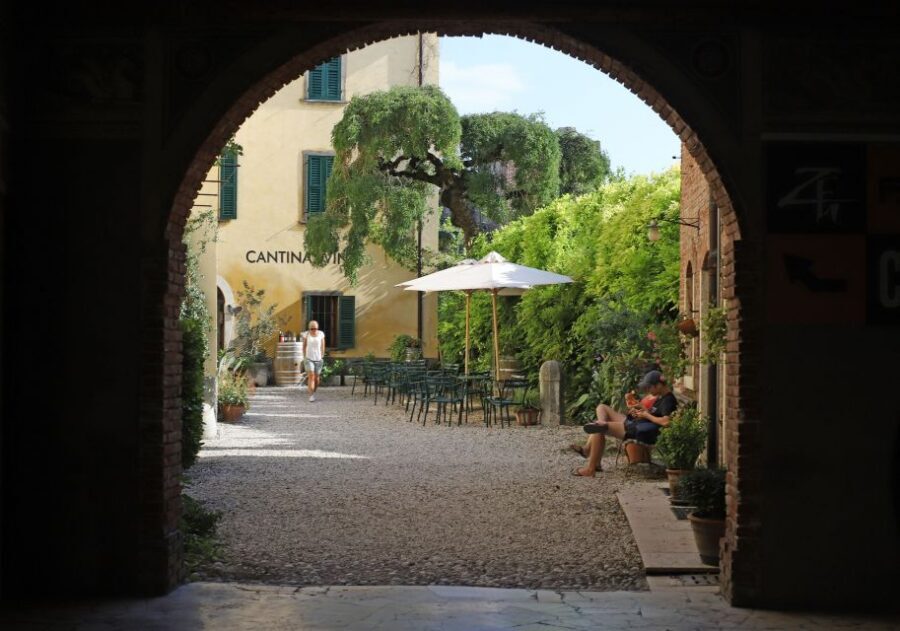
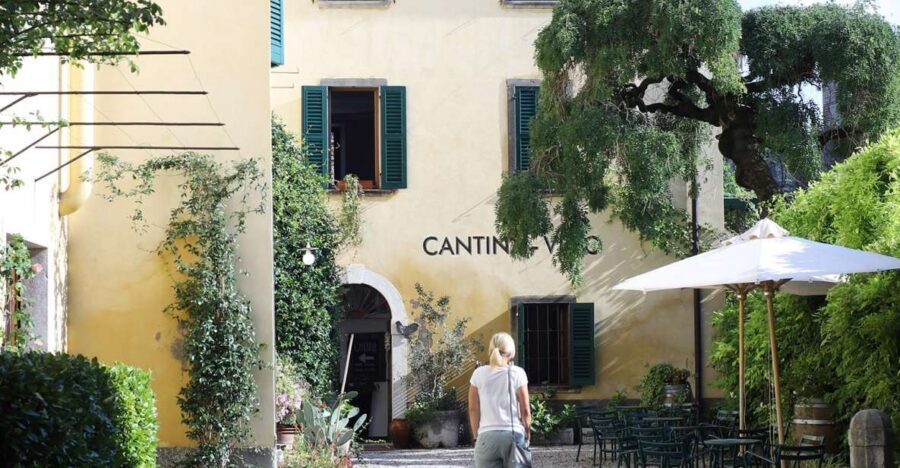
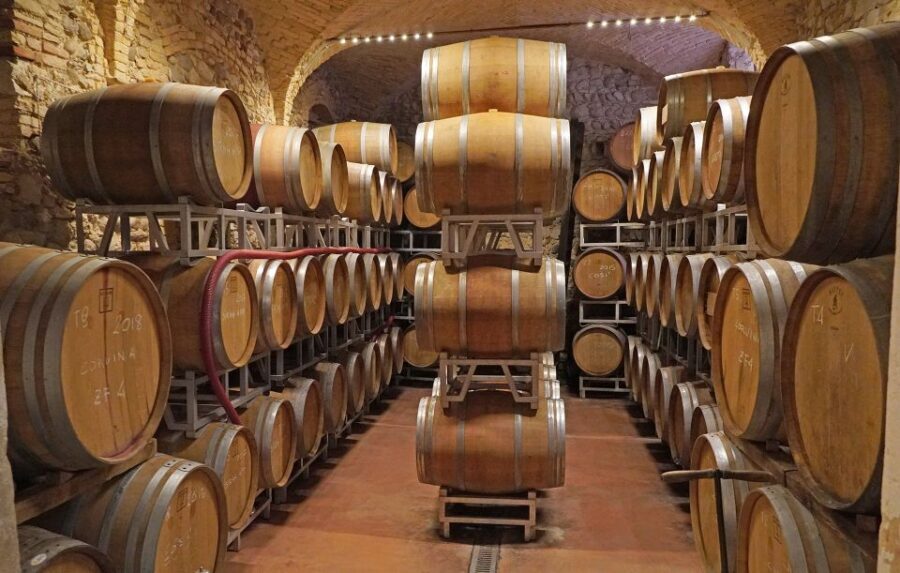
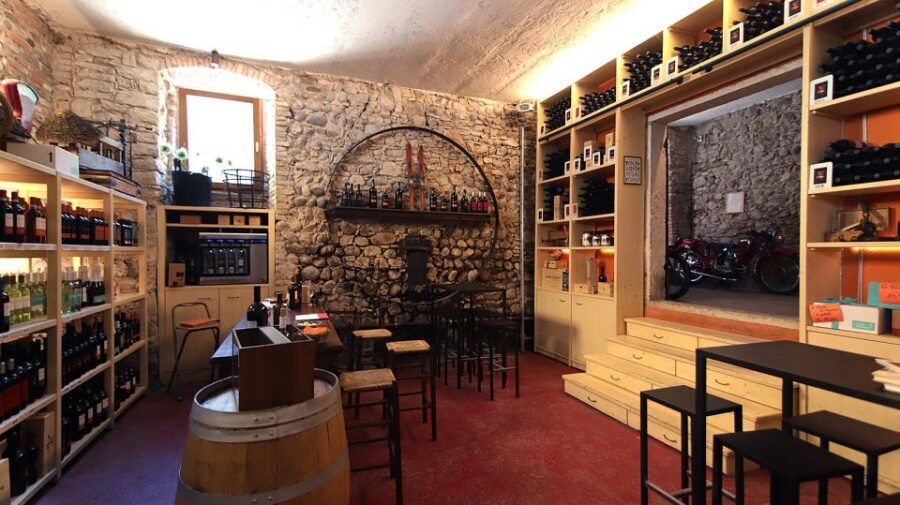
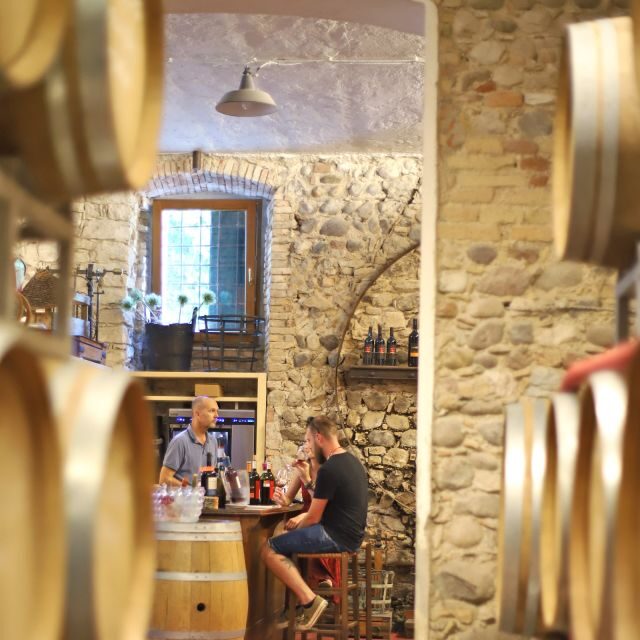
Lazise is a classic Lake Garda base, but this experience pulls you away from the promenade and into something quieter. You’ll enter a cellar space described as aged, tied to a historic courtyard that’s been recently renovated. Translation: you’re not tasting under bright showroom lighting. The room feels made for slow conversation and patient sipping.
That setting matters more than you might expect. When you’re in a cellar like this, the tasting doesn’t feel like a sales pitch. It feels like you’re watching how wine life works in this place—through the lens of traditional production and the story behind it.
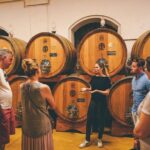
You also get the benefit of a small group format. With a maximum of 10 participants, it’s easier to hear what’s being explained and easier to ask questions when a wine name (or style) doesn’t click right away.
Other wine tasting experiences we've reviewed in Verona
The 1.5-hour flow: how the tasting order keeps things logical
The tasting isn’t random. It follows a pattern that makes sense for both your palate and your learning.
First, you start with the fresh white and rosé wines. This opening stage helps your mouth reset and keeps the tasting bright and light before the heavier flavors arrive. If you usually find wine tastings a bit tiring, starting with whites and rosé is a big practical win.
Next comes Bardolino. This step is useful because it shifts you from lighter, fresher profiles into something with more structure. It’s a good checkpoint: you can compare how your perception changes once the tasting moves from “easy drinking” into something with more backbone.
Then the tasting lands on the three red wines: Syrah, Così, and Ettore. Going from Bardolino to Syrah-style reds and then through the named expressions helps you hear the producer’s choices. You’re not only tasting wine—you’re tasting how their approach changes across styles.
Finally, you’re paired with food while you taste. That matters because wine is rarely eaten alone. Cold cuts, cheese, bread, and local olive oil all help you understand how each wine behaves with real flavors.
Wine-by-wine: what you’ll taste and what to listen for
This tour is built around six wines from Garda, produced and presented through the ZF4 Cellar philosophy. You’ll taste:
Whites and rosé: the warm-up you’ll thank yourself for
Starting with the whites and rosé gives you a clean baseline. Pay attention to aroma and acidity here—these are the elements that often define whether you enjoy the next pours or feel overwhelmed.
If you’re newer to wine, this first step is also the easiest place to learn the basics. You can focus on what you like: crispness, fruit character, and how fresh it tastes when paired with bread and cheese.
Bardolino: the bridge to the reds
Bardolino acts like a hinge between styles. It’s not as delicate as the first pours, and it’s not as heavy as the final red trio. Taste it and notice the shift: does it feel smoother, more layered, or more savory?
Because you’ll be tasting it after whites and rosé, Bardolino becomes a quick comparison tool. It helps you understand how your palate responds as the tasting progresses.
Other Castelvecchio and Old Town tours in Verona
Syrah, Così, and Ettore: the red chapter
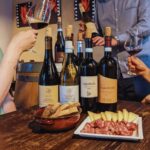
The three red tastings—Syrah, Così, and Ettore—are where you’ll likely start thinking more about balance than just flavor. Syrah often brings deeper color and richer aromas, while the other named reds (Così and Ettore) give you a sense of the cellar’s identity in Garda.
Here’s how to make this section useful for you, not just “another sip”:
- Taste first, then pause.
- Ask yourself what changed since Bardolino.
- Then pay attention to how the food pairing alters what you taste.
At a small group tasting, it’s also a good moment to ask the guide a question like which of the reds is intended to pair best with the colder meats and cheeses you’ll have in front of you.
The pairing that makes it feel real: Garda olive oil, cold cuts, cheese, bread
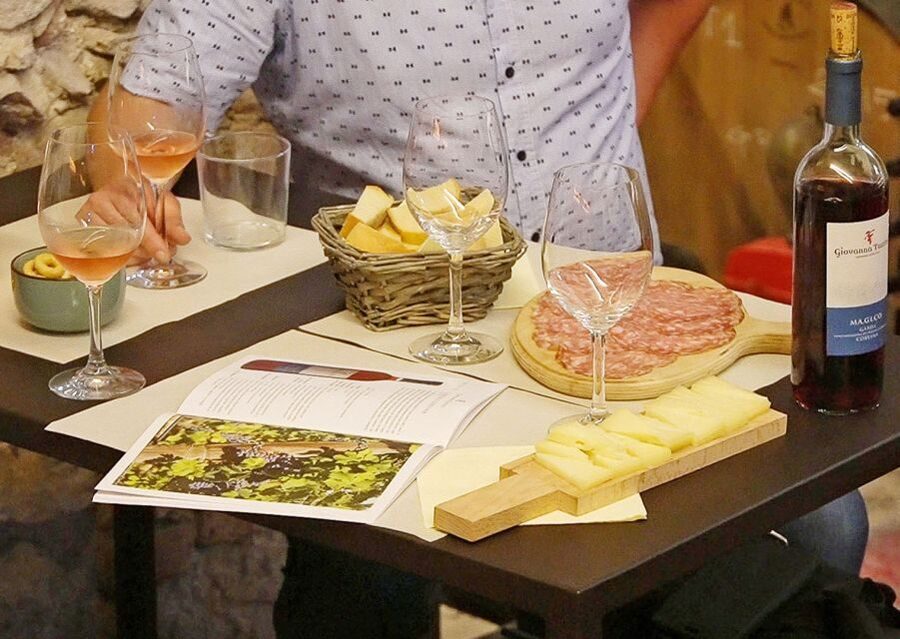
A lot of wine tastings give you a snack. This one builds the tasting around actual pairing elements: cold cuts and cheese, plus bread and Garda olive oil produced in-house. There’s also grappa (optional).
The biggest “value” in the pairing is the olive oil. Olive oil can be tricky to evaluate on its own, but when it’s part of the tasting table, it becomes a flavor translator. It can soften edges, add savory depth, and help you notice whether a wine feels too dry or too sharp.
The cold cuts and cheese bring salt and fat into the conversation. That’s crucial because wine that tastes good solo can behave differently once it hits salty meats and creamy cheeses. Here, the food isn’t filler—it’s part of the learning.
And yes, grappa is there if you want it. Optional means you can treat it like a capstone or skip it if you don’t drink spirits.
What you learn in the cellar: philosophy, history, and traditional methods
The heart of this experience is the explanation you get along the way. You’ll learn the history and philosophy behind their wine production, including traditional methods passed down through generations.
I like these kinds of tastings because the story gives you a framework for what you’re tasting. Instead of guessing, you understand the logic behind choices—why certain styles are presented first, how the cellar thinks about production, and how the region’s identity shows up in the glass.
This is also where a guide can make or break the experience. In past tastings, Laura has been mentioned as a warm host, with a sommelière also involved during the experience. That kind of team teaching usually means you’ll get both friendly guidance and more technical clarity when you ask.
The human side: your guide and the small-group advantage
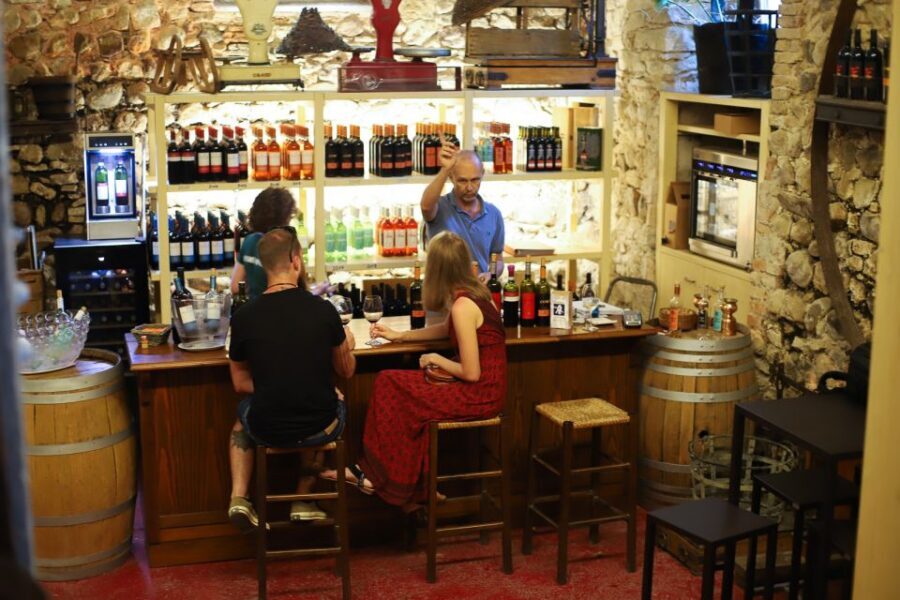
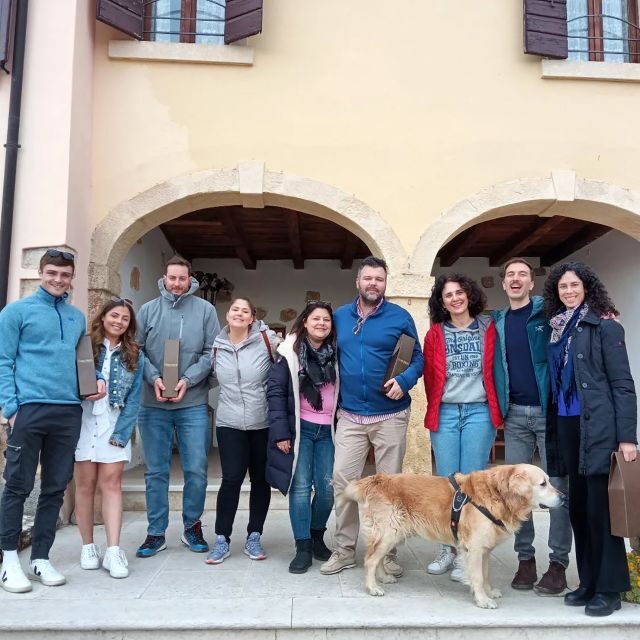
You’ll have a live tour guide speaking Italian, English, and German, which is great if you want explanations in a language you’re fully comfortable with. You’re also capped at 10 participants, so the conversation doesn’t get swallowed by a crowd.
In practical terms, that means:
- You’re more likely to catch the explanation without turning your head.
- You can ask follow-up questions when a wine name like Così or Ettore needs context.
- You’ll spend more time tasting and less time waiting.
If you usually prefer small-group experiences over crowded rooms, this is a strong match.
Price and value: is $47 reasonable for what you get?
At about $47 per person for a 1.5-hour tasting, you’re paying for more than wine. You’re paying for:
- Six wines poured in sequence
- Food pairing (cold cuts, cheese, bread)
- In-house Garda olive oil
- A live guide and storytelling
- Skip-the-line entry privileges
- A small group format
When you break it down, the “value” isn’t just the per-wine cost. It’s the fact that the tasting includes pairing food and the producer-focused explanation. That combination tends to make the experience feel purposeful, not like you’re simply sampling glasses.
You’ll still want to go with the right mindset: this isn’t a long, multi-stop vineyard day. It’s a concentrated cellar tasting that fits neatly into a Lake Garda schedule.
Who this is best for (and who should skip it)
This tour is a smart choice if you:
- Want a short, high-quality wine lesson in Lazise
- Like the idea of learning through pairings (olive oil, cheese, cold cuts)
- Are comfortable with a guided experience where you can ask questions
- Appreciate local details and traditional production storytelling
It’s also a good fit if you’re not a wine expert. The flow starts with white and rosé and builds into reds, so you’re not thrown into heavy flavors immediately.
You should skip it if you need vegan food, because vegan options can’t be served. If you have dietary intolerances, communicate them ahead of time so they can plan around your needs.
Pets are allowed, and the experience is described as wheelchair accessible and accessible for people with reduced mobility. If you’re bringing someone who needs mobility support, this format is likely easier than many standing-only experiences.
Making it work with your day in Lake Garda
Since private transportation isn’t included, you’ll want to plan how you’ll reach Lazise and the meeting point. Arrive on time so you don’t miss the start of the tasting sequence.
Also remember: it’s only 1.5 hours. That’s perfect when you want a local activity without sacrificing your afternoon. It’s the kind of plan that pairs well with a day already set around walking Lazise, then finishing with an indoor tasting that ends cleanly.
Should you book the Lazise Historical Center Wine Tasting?
Yes, if you want a focused tasting that blends wine, food, and producer storytelling in a real cellar setting. The small-group size (max 10) and the structured order—white/rosé, Bardolino, then Syrah, Così, Ettore—make it easy to learn without feeling rushed. Add in the pairing with in-house Garda olive oil, and the experience stays practical, not just pretty.
Skip it if vegan food is a must for your group. And plan transportation to the meeting point yourself, since that part isn’t included.
If you like your wine experiences with context, and you’re happy to spend 90 minutes learning in the cellar, this is a solid buy for Lake Garda.
FAQ
How long is the Lazise Historical Center Wine Tasting Tour?
It lasts 1.5 hours.
What’s included in the tasting?
You’ll taste 6 wines, with cold cuts and cheese, bread, and Garda olive oil. Grappa is optional.
Where does the wine tasting take place?
It takes place at the ZF4 Cellar in Lazise, in the historical center area.
Which wines will I taste?
The tasting includes fresh white and rosé wines, Bardolino, and three red wines: Syrah, Così, and Ettore.
Is olive oil included, and is it local?
Yes. You’ll have Garda olive oil produced in-house by the local winemakers.
Is transportation included to the meeting point?
No. Private transportation to the meeting point is not included.
Are vegan options available?
No, vegan food cannot be served.
What languages is the tour guide available in?
The guide is available in Italian, English, and German.
Is the tour wheelchair accessible?
Yes, it’s wheelchair accessible and suitable for people with reduced mobility.
How big is the group?
The group is limited to 10 participants.