REVIEW · VERONA
Discover the old market and make fresh pasta
Book on GetYourGuide →Operated by Verona In Tour · Bookable on GetYourGuide
A market walk sets the tone. You start at Villafranca’s old market near the Scaliger Castle, then turn what you buy into classic pasta and dessert. It’s the kind of hands-on food experience that feels local, not staged.
What I like most is the combo: market shopping first, cooking second, and then eating right after with Veronese wines. The other big plus is the pasta lesson itself, including hand-kneading and shaping tortellini “Nodo d’amore” like grandmothers did.
One thing to consider: the market experience depends on the day. In Villafranca, the market is on Wednesday—on other days you’ll choose ingredients in selected local shops with the chef, so it’s a slightly different vibe.
In This Review
- Key things you’ll notice
- Villafranca by the Scaliger Castle: where the class really starts
- The market hunt: what you buy and why it changes your meal
- What to watch for while shopping
- The cooking lesson: hand-kneading tortellini Nodo d’amore
- Beyond tortellini: pappardelle and tortelli with seasonal vegetables
- A realistic expectation
- Tiramisu workshop: making the dessert you’ll actually eat
- Wine pairing in the same day: eating what you made
- Who this class is best for (and when to skip it)
- Small-group details that affect your comfort
- Tips to get the best day (without overthinking it)
- Should you book this fresh pasta and market class?
- FAQ
- Where does the experience start?
- How long is the cooking experience?
- What dishes will I make and taste?
- Is the market visit always in Villafranca?
- What group size and languages should I expect?
- Is cancellation possible after booking?
Key things you’ll notice
- Market ingredients, not pre-bought basics: You pick what you’ll cook, including seasonal vegetables.
- Handmade pasta skills: You knead the dough by hand and shape tortellini.
- Nodo d’amore tortellini: A specific local form with a romantic name—and real technique behind it.
- Tiramisu gets included: It’s not only pasta; you’ll also make the Italian favorite dessert.
- Small group cooking: Limited to 10 participants, so instructions stay personal.
Villafranca by the Scaliger Castle: where the class really starts
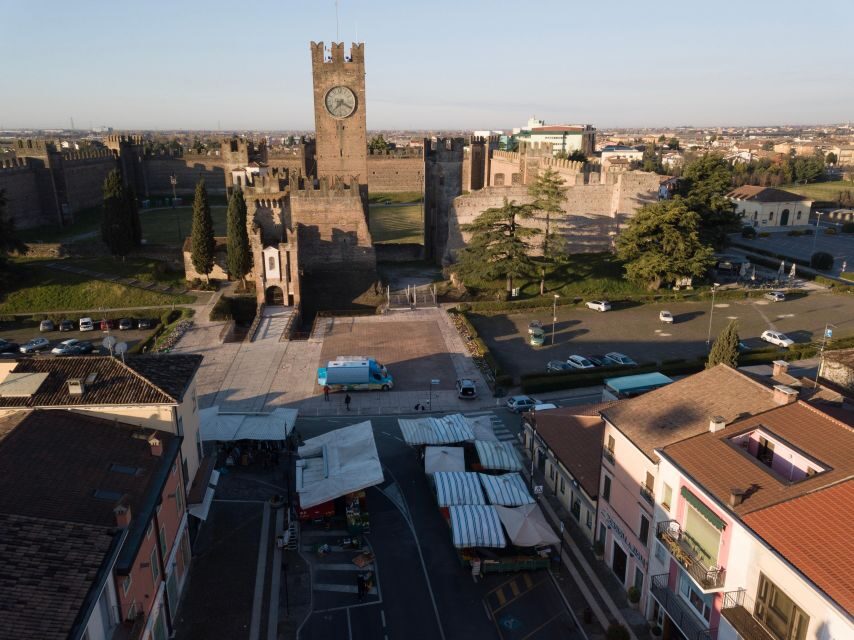
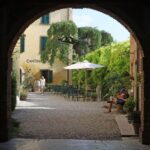
This experience begins with a meeting in Villafranca, right in front of the Scaliger Castle. The coordinates are 45.3514404296875, 10.846451759338379, so if you’re navigating by map, you’ll have an easy target.
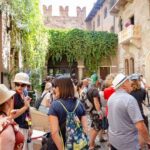
From there, you head out for a walk among the market stalls. This isn’t just a quick photo stop. The point is to shop with intention: you choose ingredients that match what the chef plans to teach, including options that tie into seasonal produce.
I also like the setting because it helps you relax into the day. You’re not stuck in a classroom vibe. You’re outside in the market first, then close to the cooking space for the lesson. That rhythm matters: you feel the ingredients in your hands before you ever touch the dough.
Other pasta and tiramisu classes in Verona
The market hunt: what you buy and why it changes your meal
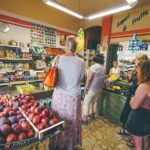
Here’s the practical part: Villafranca’s market day is Wednesday. On Wednesdays, the shopping walk means more of the classic open-stall experience—seeing products laid out, talking about what looks best, and learning what’s worth using right now.
On days other than Wednesday, the experience still includes choosing products with the chef, but it shifts to selected local shops instead of the open market. That’s not a dealbreaker; it just means you’ll miss some of that Wednesday “market energy.”
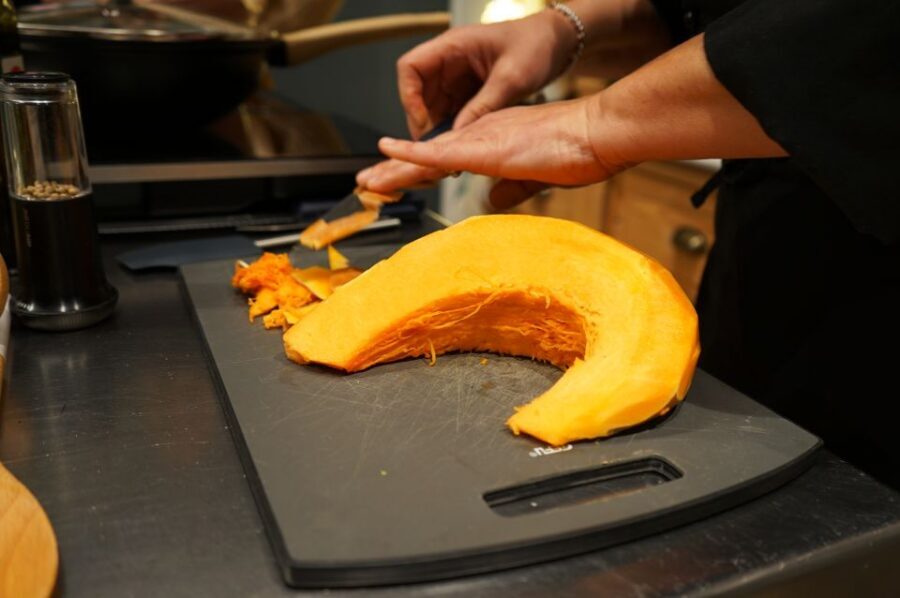
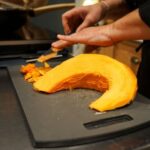
Either way, the cooking lesson uses what you picked. You’ll learn to build dishes using ingredients from the market, including seasonal vegetables for stuffed pasta. For me, that’s where the value is: you’re not memorizing recipes from a pamphlet. You’re learning how to match technique to ingredients.
What to watch for while shopping
As you browse, focus on ingredient choices that make pasta shine:
- Eggs and flour for dough texture (that base matters for everything that follows)
- Seasonal vegetables for stuffing
- Simple, fresh elements that don’t need heavy processing later
If you’re the type who enjoys learning by doing, you’ll get more out of the shopping portion than you would in a typical tour where you just follow along.
The cooking lesson: hand-kneading tortellini Nodo d’amore
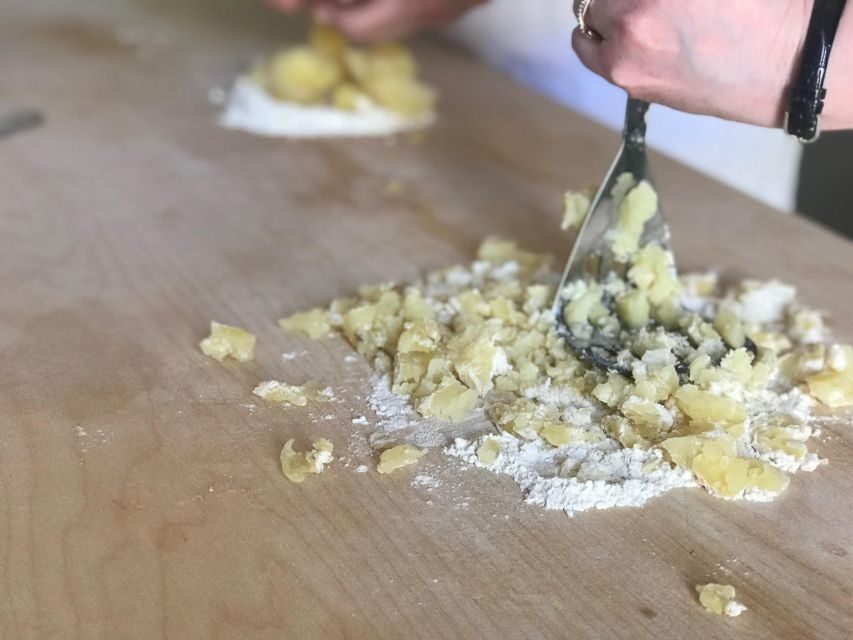
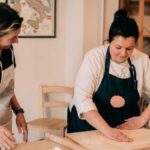
After the market walk, the cooking lesson happens just a short distance away. You’ll step into a typical Venetian-style kitchen setup, with a garden and views over the castle. That matters more than it sounds. Cooking in a calm space helps you focus on the details—especially when your hands are doing the work.
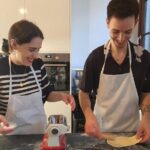
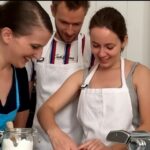
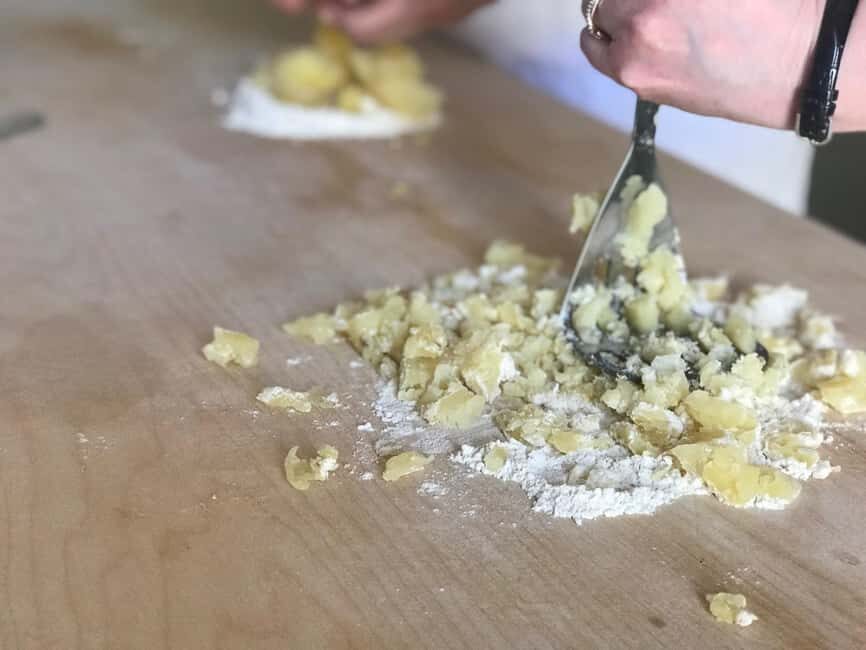
The key skill here is the pasta dough. With eggs and flour, you learn techniques for making pasta the way grandmothers once did—meaning you’ll get hands-on with dough texture, not just a lecture.
Then comes the signature focus: tortellini “Nodo d’amore.” You’ll knead the dough by hand, shape the tortellini, and work toward the finished form. The shaping part is where most classes either rush you or keep you at “watch and wait.” This one is designed so you actually practice.
Beyond tortellini: pappardelle and tortelli with seasonal vegetables
You won’t be limited to one pasta. Along the way, you’ll prepare other local styles such as:
- pappardelle
- tortelli stuffed with seasonal vegetables from what you bought
This is smart for your learning curve. Tortellini teaches you portioning and shaping; pappardelle teaches you rolling and form. Tortelli brings the stuffing into the mix, which is often the trickiest part to get right without guidance.
Other Castelvecchio and Old Town tours in Verona
A realistic expectation
You’re going to get flour on your hands. That’s part of the deal. This isn’t about achieving restaurant-perfect results; it’s about learning the method well enough that you could repeat it later at home.
If you’ve never made fresh pasta before, you’ll still be able to keep up. The lesson is built around instruction, and the feedback you’ll find from people who took it emphasizes that the chef gives clear explanations and practical advice as you work.
Tiramisu workshop: making the dessert you’ll actually eat
A lot of pasta classes end with the main course and send you out smiling. This one includes tiramisu, and that changes the feel of the whole evening.
You’ll prepare the famous tiramisu as part of the group session. Since you’re already in a hands-on cooking mood, dessert doesn’t feel tacked on—it feels like the natural follow-through. And since you’re using what you make, not just watching it happen, the timing stays satisfying.
Practical tip: dessert is the point where your attention can slip if you’re tired. So keep your eyes on the steps the chef demonstrates, and don’t rush. Tiramisu rewards patience, and you’ll enjoy the final result more if your mixture work is careful.
Wine pairing in the same day: eating what you made
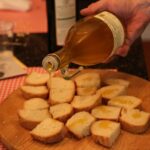
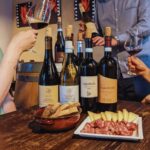
After shaping and cooking, you taste what you prepared. The experience is paired with renowned Veronese wines, so you get the full “shop, cook, eat” arc without leaving the bubble.
I like wine pairings that make sense with the food you’re actually cooking. Fresh egg pasta and vegetable stuffing can handle a lot of classic white and light red styles, and the meal format is built to let the flavors show up instead of getting covered by heavy sauces.
And there’s a social reason this works: you’re eating in good company. With small groups limited to 10 participants, you’re not lost in a crowd. You can ask questions, compare how your tortellini looks, and get little technique hints that you’d never remember from a demo.
Who this class is best for (and when to skip it)
This is ideal if you want more than a food show. You’ll get the most value if you:
- enjoy learning basic cooking technique by hand
- like working with fresh ingredients tied to seasonality
- want a small-group experience where the chef can help you fix small issues
It’s also a great pick for couples, friends, or anyone traveling solo who enjoys collaborative cooking. The experience is explicitly designed to be enjoyed in company, and the format supports conversation while you work.
One reason you might hesitate: the day-of selection changes (Wednesday market vs other days shop selection). If you’re coming specifically for a big open market atmosphere, plan for Wednesday if you can.
Small-group details that affect your comfort
This class runs for 4 hours. That’s a sweet spot for first-time pasta makers: long enough to learn dough basics, shape tortellini, and make tiramisu, but not so long that you burn out.
It’s also limited to a small group of 10 participants, which tends to make instruction more practical. When you’re kneading and shaping, help matters. Too many people in the room can turn the lesson into a “good luck” situation; here, the group size suggests the opposite.
Language is Italian and English. If you’re comfortable in English, you should be fine. If you’re more confident in Italian, you’ll probably enjoy it even more.
One more rule to note: alcohol and drugs aren’t allowed during the activity. At the same time, the experience includes tasting local wines as part of the meal. So expect wine to be served by the organizers within the experience, not something you’re bringing yourself.
Tips to get the best day (without overthinking it)
If you want this to feel smooth from the first minute, do a couple of simple things:
- Wear clothes you’re okay with getting flour-dusted.
- Go hungry enough to taste everything at the end, but not so hungry that you’re rushing.
- If you care a lot about meeting time, check your messages soon after booking. One past booking experience flagged late confirmation, so it’s smart to verify early rather than waiting.
Also, keep your expectations realistic about pasta shaping. The “Nodo d’amore” form is a specific, skill-based shape. Even if yours isn’t identical to the chef’s, you’ll leave with techniques you can repeat.
Should you book this fresh pasta and market class?
I’d book this if you want an authentic Veronese-area cooking experience that includes real kitchen work: market shopping, handmade pasta, and tiramisu, finished with Veronese wines and a relaxed group meal.
If you’re only looking for a quick taste or you’re short on time, consider a simpler food tour. But if you want to learn a handful of skills you can actually use later—especially fresh pasta basics—this hits the right balance of teaching and eating.
FAQ
Where does the experience start?
You meet at Villafranca in front of the Scaliger Castle. The coordinates provided are 45.3514404296875, 10.846451759338379.
How long is the cooking experience?
The duration is 4 hours.
What dishes will I make and taste?
You’ll prepare fresh pasta (including tortellini Nodo d’amore, plus options like pappardelle or tortelli with seasonal vegetables) and you’ll also prepare tiramisu. You’ll then taste what you cook paired with renowned Veronese wines.
Is the market visit always in Villafranca?
The market day in Villafranca is on Wednesday. On other days, you’ll choose products together with the chef in selected local shops.
What group size and languages should I expect?
The group is limited to 10 participants. The instructor speaks Italian and English.
Is cancellation possible after booking?
Yes. There is free cancellation up to 24 hours in advance for a full refund. You can also reserve now & pay later.