Verona can fit in two hours. This private walking tour strings together Roman, medieval, and icon-level sights in a tight route, with a guide who can answer questions and adjust on the fly. You start in Piazza Bra and end back there, so it feels like one smooth circuit, not a scavenger hunt.
I love the format: big-name stops are quick, then you get the kind of small visual details that make the city feel real. I also like how guides such as Silvia are singled out for being engaging and flexible, including for families, with stories that point out overlooked bits like fossils visible in marble.
One possible drawback: you’re on your feet for a short, busy window, and the tour requires good weather. If your day is rainy or slippery, you’ll want to dress for the walk and be ready for a bit of route pacing.
In This Review
- Key highlights you’ll feel immediately
- A tight, private route that keeps Verona coherent
- Price and what you really get for $337.90
- Starting at Piazza Bra: setting yourself up to enjoy, not rush
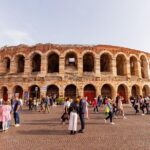
- Arena di Verona: Roman scale, no ticket needed
- Casa di Giulietta: the Juliet balcony and statue in context
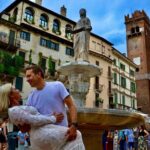
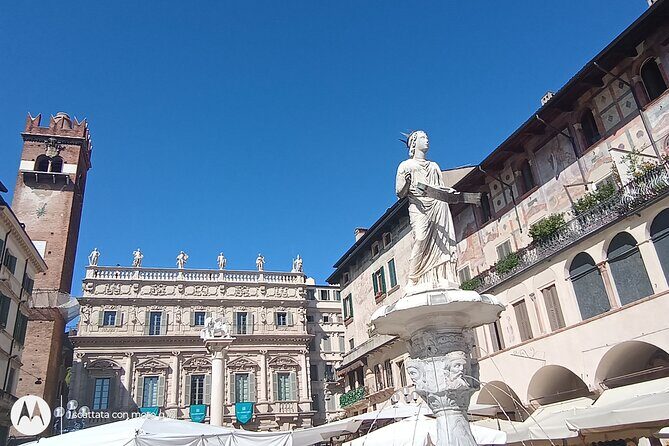
- Piazza delle Erbe: market square walking at human speed
- Piazza dei Signori: Dante statue plus power behind the stone
- Arche Scaligere: Della Scala tombs and the wow factor
- The medieval portico osterias: where the walk turns tasty
- Adige river views and the hillside perspective
- Passing under the Roman main entrance to Verona
- The pink marble staircase and the old wool market
- Timing, weather, and how to pace yourself for two hours
- Who this private Verona walk is best for
- Should you book this Verona walking tour?
- FAQ
- FAQ
- How long is the Verona private walking tour?
- How many people are in a group for this private tour?
- What sites does the tour include?
- Are admission tickets included?
- Where does the tour start and end?
- What language is the tour offered in?
- Is there a mobile ticket?
- What is the weather situation like?
- Can I cancel for a full refund?
Key highlights you’ll feel immediately
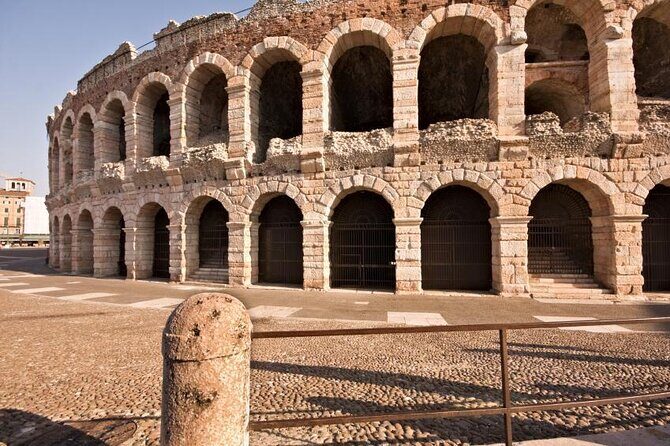
- Roman Arena from the outside: the wow factor with no Arena entry included
- Juliet balcony in bite-size form: quick stop, with context so it means more than a photo
- Market squares you can actually walk through: Piazza delle Erbe and Piazza dei Signori feel like lived-in Verona
- Arche Scaligere and Della Scala tombs: ornate family monuments stop you in your tracks
- Medieval portico osterias + the old wool market: food street energy mixed with old trade routes
- Adige views and classic Verona surprise points: the river, hillside views, Roman entrance, and a pink marble staircase
A tight, private route that keeps Verona coherent
Verona is one of those cities where you can wander for hours and still miss how the pieces connect. This tour is built for focus: two hours, on foot, with a guide threading the story through the main squares and the most visually striking corners.
Because it’s private, you’re not stuck waiting for a big group to shuffle between stops. That matters in Verona’s compact center, where the best photo angles and the best street moments usually come and go quickly.
Other Verona walking tours we've reviewed in Verona

Price and what you really get for $337.90
The price is $337.90 per group (up to 15) for about two hours. On the surface, that sounds pricey—until you break it down by how tours like this work in a real city center.
You’re paying for:
- a guide to translate what you’re seeing (so the streets make sense)
- a curated walking path that compresses the highlights
- private group handling, so you can move at a pace that fits your people (kids included, if that’s your situation)
If you’re traveling with family or a small group, the math usually improves fast. And even for two people, the value is strongest when you want an efficient “first taste of Verona” without spending your vacation time figuring out the route between sights.
Starting at Piazza Bra: setting yourself up to enjoy, not rush
The tour meets at Piazza Bra, right near the huge Arena area. This is a smart starting point because it’s central and easy to orient from, which makes the rest of the walk feel logical.
You’ll also be glad you start here if you’re fitting Verona into a day trip. You don’t waste time commuting across town. You walk into the sights.
The tour ends back at the meeting point, which is handy for two reasons. First, you don’t have to backtrack. Second, you’re in a good place to grab dinner nearby after the walk.
Arena di Verona: Roman scale, no ticket needed
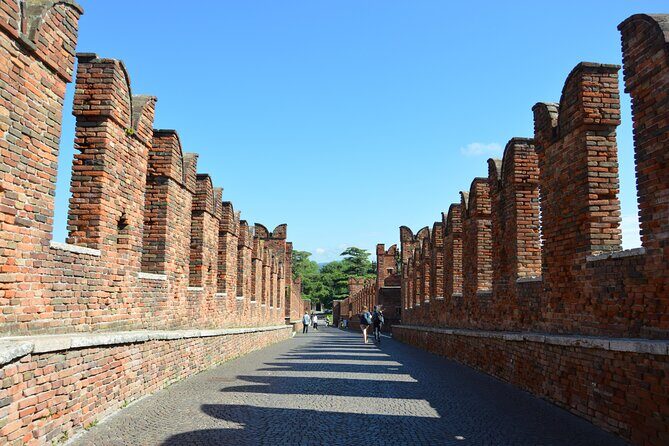
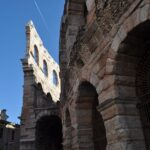
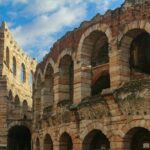
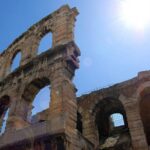
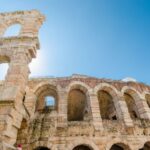
Your first stop is the Arena di Verona from outside, about 10 minutes. Admission is not included here, so this is a “see the monument and get oriented” moment rather than a museum-style visit.
Even from the street, the Arena has that Roman monument power—big proportions, strong lines, and an instant sense of place. The guide’s job at this stop is to help you read the building like it’s part of a longer Roman story, not just a landmark.
Practical note: because this is an exterior stop, it’s usually easier to manage crowds and timing. You’re not stuck coordinating tickets while other groups flow in.
Casa di Giulietta: the Juliet balcony and statue in context

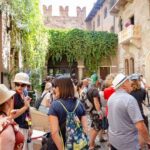
Next up is Casa di Giulietta, also around 10 minutes. You’ll see the world-famous Juliet balcony and the Juliet statue, with the focus on why this site became a cultural magnet.
Here’s what makes a guided stop worth it: the balcony is famous enough to be almost a cliché, so you need the explanation to make it feel less like a photo stop and more like a Verona tradition. A good guide helps you connect the myth to the city that hosted it.
And the best part? It’s a quick visit. You won’t feel like you’re carving out half a day just for one famous doorway.
Other private tours in Verona


Piazza delle Erbe: market square walking at human speed
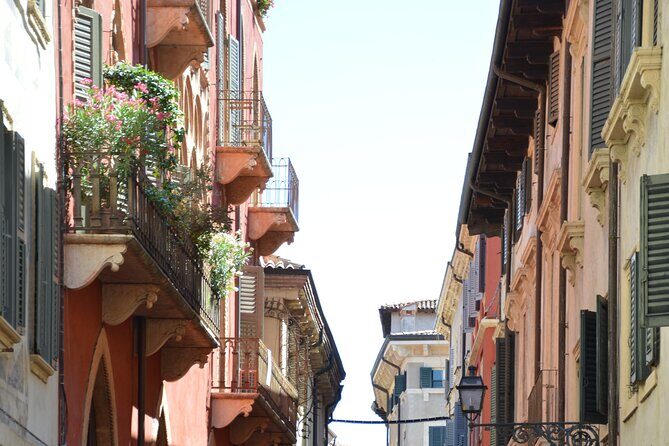
Then you move into Piazza delle Erbe, about 10 minutes, where you’ll walk through a colorful market square. Admission is free, and that matters because you can linger with your eyes without worrying about extra costs or tickets.
This stop is about atmosphere and rhythm. Piazza delle Erbe is the kind of place where locals do everyday life in full view—so the guide helps you notice what you might skip on your own.
If you like street-level travel—food smells, small shops, people watching—this is the piece of Verona that feels most like a real city.
Piazza dei Signori: Dante statue plus power behind the stone
From there, you head to Piazza dei Signori. You’ll walk in front of the Dante statue, then admire the impressive buildings tied to political life in the city’s past.
This square is a great example of how Verona can shift moods fast. Market energy gives way to a more formal, civic feeling. The guide’s storytelling is what turns that stone shell into a timeline you can actually follow.
You’ll also appreciate the pacing here. Ten minutes doesn’t sound long, but for a walking tour, it’s enough time to learn something and still feel fresh for the next stop.
Arche Scaligere: Della Scala tombs and the wow factor
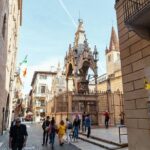
Your next architectural payoff is Arche Scaligere, the private, extremely decorated tombs linked to the Della Scala family. You’ll stop in front of the monuments for about 10 minutes.
If you’re the type who likes details—carvings, textures, symbolism—this is where the tour earns its keep. The tombs aren’t just “pretty.” They’re visual storytelling in stone, showing status, style, and family identity.
Based on guide feedback from past guests, you’re also likely to get extra attention to tiny visual features you’d otherwise miss. One example mentioned in reviews is guides spotting fossils in the marble, which turns a quick stop into a mini “how did they even do that?” moment.
The medieval portico osterias: where the walk turns tasty
After the big monuments and squares, you walk under a medieval portico through the tables of typical Italian osterias. This is a different kind of stop—less about looking up at facades, more about noticing how the street layout shapes daily life.
Even though this isn’t an official sit-down meal, it gives you a real sense of Verona’s food culture. And guides in this tour style often use the moment to point you toward what to do next, including sweets or a final bite later.
In past experiences shared with the tour, a gelato stop has even been planned, which tells you how flexible the guide can be when it comes to making the walk feel fun, not just instructional.
Adige river views and the hillside perspective
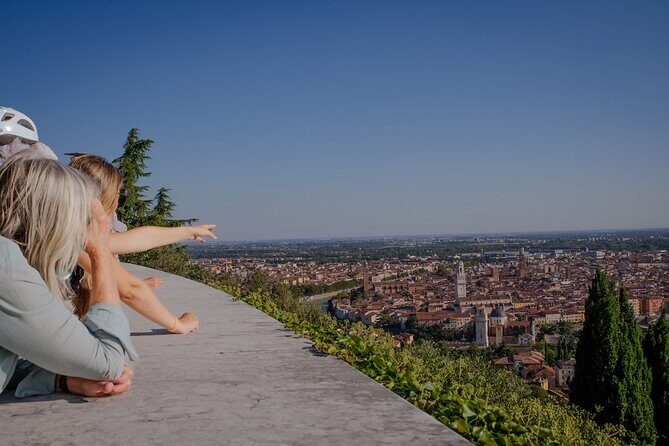
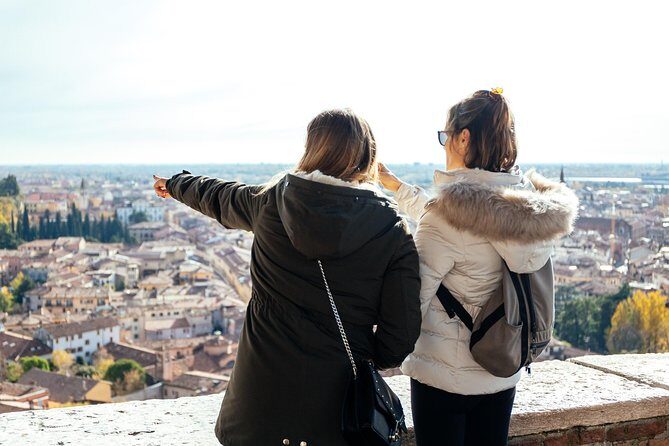
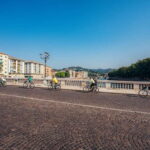
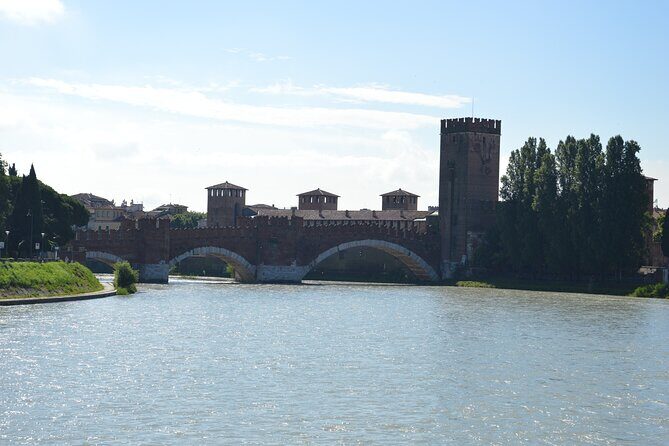
The tour then shifts to a viewpoint moment: you’ll admire the view on the Adige river and the surrounding hillside.
These pauses are important on short tours. They reset your eyes. They also help you understand Verona’s geography, which makes the rest of the sights snap into place.
And yes, this is also one of those photo moments that makes you grateful you didn’t skip the walk. Verona’s river setting is part of why the city feels dramatic even when you’re standing in simple streets.
Passing under the Roman main entrance to Verona
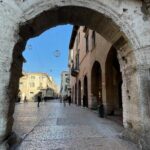
One of the most memorable “wait, this is real?” moments is when you pass under the Roman main entrance to Verona. It’s a direct connection between the city’s Roman past and how Verona still moves through those old routes.
This is the kind of stop where a guide matters. If you don’t know what you’re looking at, it can blend into the background. With the right explanation, it feels like stepping through layers of time.
And because it’s a walking tour, you experience it as part of movement—not as a distant monument that’s hard to connect to everything else.
The pink marble staircase and the old wool market
You’ll also step on a pink marble staircase and then see the old wool market.
These are the exact kinds of stops that make a city feel specific. The staircase is not just a staircase—it’s a color-and-material detail you remember. The wool market ties the city to trade and industry, which is an underrated way to understand why a place grew the way it did.
If you like travel that mixes big landmarks with these smaller, “I wouldn’t have found that” moments, you’ll probably enjoy this part the most.
Timing, weather, and how to pace yourself for two hours
This tour is about two hours, with short stops. The flipside of that good pacing is that you need to be ready to walk steadily. Wear shoes you trust.
Weather matters here. The experience is marked as requiring good weather, and if it’s canceled due to poor conditions, you’ll be offered another date or a full refund. So on the day, check the sky and plan your clothing like you’ll be walking more than you’ll be sitting.
One more practical tip: if you have specific interests—architecture, family history, or even just hunting for interesting details—tell the guide early. Private tours work best when the guide can steer the emphasis.
Who this private Verona walk is best for
This is a smart choice if:
- you have limited time in Verona and want the main structure of the city in one walk
- you want a private experience for your group, not a shuffle through crowded hotspots
- you’re traveling with kids or teens and want the guide to keep everyone engaged (reviews mention guides making it fun for younger travelers)
- you care about “see it plus understand it,” especially through details like marble features
It’s also a good fit for first-timers. Verona’s center is walkable, but without a guide, it’s easy to focus only on the biggest names and miss the connective tissue—the squares, the tombs, the Roman pieces, and the trade-era corners.
Should you book this Verona walking tour?
Yes, if you want your first Verona day to feel organized and satisfying. This tour earns its value by compressing a lot of visual variety—Roman, medieval, political, and trade—into a well-paced private circuit.
I’d hesitate only if you hate walking, or if you’re visiting during unstable weather and don’t want to deal with potential changes. Otherwise, it’s a strong way to get your bearings fast, then enjoy the rest of your day on your own with better context.
FAQ
FAQ
How long is the Verona private walking tour?
It lasts about 2 hours.
How many people are in a group for this private tour?
It’s a private tour for your group, with up to 15 people.
What sites does the tour include?
You’ll see the Arena di Verona from outside, Casa di Giulietta (Juliet balcony and statue), Piazza delle Erbe, Piazza dei Signori (including the Dante statue), Arche Scaligere, a medieval portico with osterias, Adige river and hillside views, the Roman main entrance to Verona, a pink marble staircase, and the old wool market.
Are admission tickets included?
Admission is not included for the Arena di Verona. Other listed stops are marked as free.
Where does the tour start and end?
It starts at Piazza Bra, Verona VR, Italy, and ends back at the same meeting point.
What language is the tour offered in?
The tour is offered in English.
Is there a mobile ticket?
Yes, the tour uses a mobile ticket.
What is the weather situation like?
The experience requires good weather. If it’s canceled due to poor weather, you’ll be offered a different date or a full refund.
Can I cancel for a full refund?
Yes. You can cancel up to 24 hours in advance for a full refund. If you cancel less than 24 hours before the start time, the amount paid won’t be refunded.