REVIEW · VERONA
Verona: Vineyard and Winery Tour with Wine Tasting
Book on GetYourGuide →Operated by Tenuta Santa Maria Valverde s.a. · Bookable on GetYourGuide
Wine country with real people.
This short tour in Valpolicella packs a lot into 2 hours: you walk the vineyards, see a 17th-century cellar and drying room, then sit down on the terrace for a guided tasting. I love the hands-on feel of learning how Amarone grapes are dried using Appassimento, and I also like how the tasting is paired with local bites made for your glass.
There is one thing to plan for: the tasting itself is intentionally focused (often three wines), so if you want a big pour-and-forget buffet, this is more of a “quality lessons” visit than a long drinking session.
In This Review
- Key things to know before you go
- A 17th-century winery visit inside Verona’s Valpolicella hills
- The vineyard walk: where the grapes start the story
- Appassimento Amarone grapes: the drying room lesson you’ll remember
- The rural house and cellar: centuries of winemaking under one roof
- The wine tasting: sight, smell, taste, and practical tips
- Antipasti on the terrace: local bites made for your glass
- Guides, pacing, and what the timing really feels like
- Getting there from Verona: plan for countryside, not city blocks
- Who this tour suits best (and who should consider another option)
- Should you book this Verona vineyard and winery tasting?
- FAQ
- Where is the meeting point for the tour?
- How long is the winery and vineyard tour?
- What wines are included in the tasting?
- Do you see the Amarone grape drying process?
- Is food included?
- What languages are the guides available in?
- Can you cancel and still get a refund?
Key things to know before you go
- Appassimento in action: you’ll visit the traditional drying room for Amarone grapes and learn why the process changes the wine
- A real family winery: a five-generation operation where you meet the people behind the labels
- Cellars with history: a venue used for winemaking since the 1600s
- Tasting guided by the senses: you get a simple way to evaluate wines by sight, smell, and taste
- Food built for pairing: antipasti-style bites such as local cheeses, salami, olive oil, bread, and extras like cherry chutney
- Terrace views: you’ll eat and sip with a wide panorama over the Valpolicella hills
A 17th-century winery visit inside Verona’s Valpolicella hills
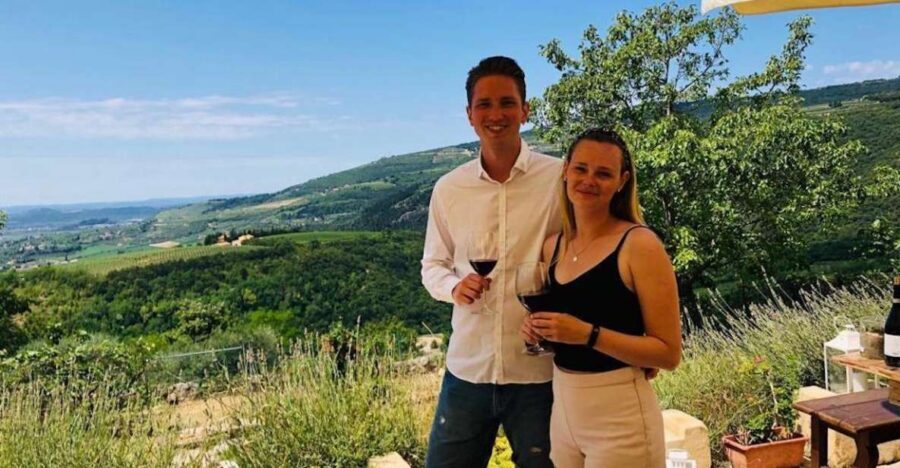
This is the kind of winery tour that feels made for wine lovers and curious first-timers at the same time. Tenuta Santa Maria Valverde is in the countryside around Verona, and the setting does half the work: the air feels calmer, the pace slows, and you can actually hear yourself think while you stroll through the vineyards.
What you get is more than a slideshow-and-a-recipe. You tour spaces that have been used for winemaking for centuries, and you leave with a clearer mental map of how Valpolicella-style wines are built. The group experience also tends to feel personal and relaxed, with hosts who focus on explanation and conversation.
If you’re squeezing this into a packed Verona itinerary, remember the winery is outside the city. You’ll want to time your day so you don’t feel rushed heading back.
Other wine tasting experiences we've reviewed in Verona

The vineyard walk: where the grapes start the story
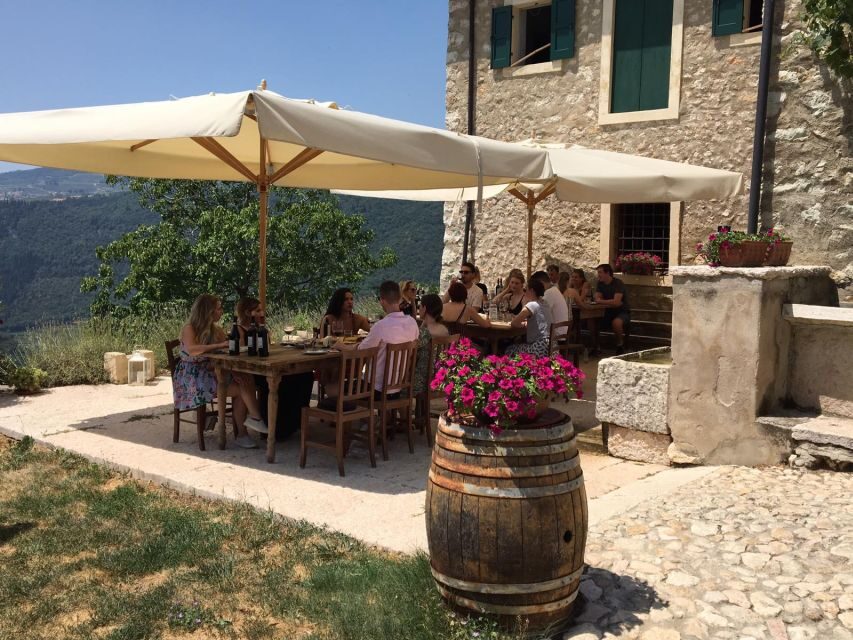
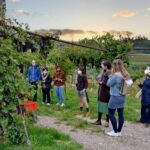
The tour begins with a stroll around the vineyard, with time to look closely at the estate and the surrounding hills. This part matters because it sets context for everything that follows. You’ll hear the family’s story and how their estates fit into the wider Valpolicella wine world, which helps when you later taste wines like Valpolicella, Ripasso, and Amarone.
You don’t need to be a grape nerd to enjoy this section. The explanations are designed to connect what you’re seeing to what you’ll later taste: different grapes and different processes create different flavors. If you like travel that feels grounded in everyday work (not just polished tourism), you’ll probably appreciate how “hands-on” it feels.
Comfort note: it’s still a rural walk, so wear shoes you’d happily stand and walk in on uneven ground.
Appassimento Amarone grapes: the drying room lesson you’ll remember
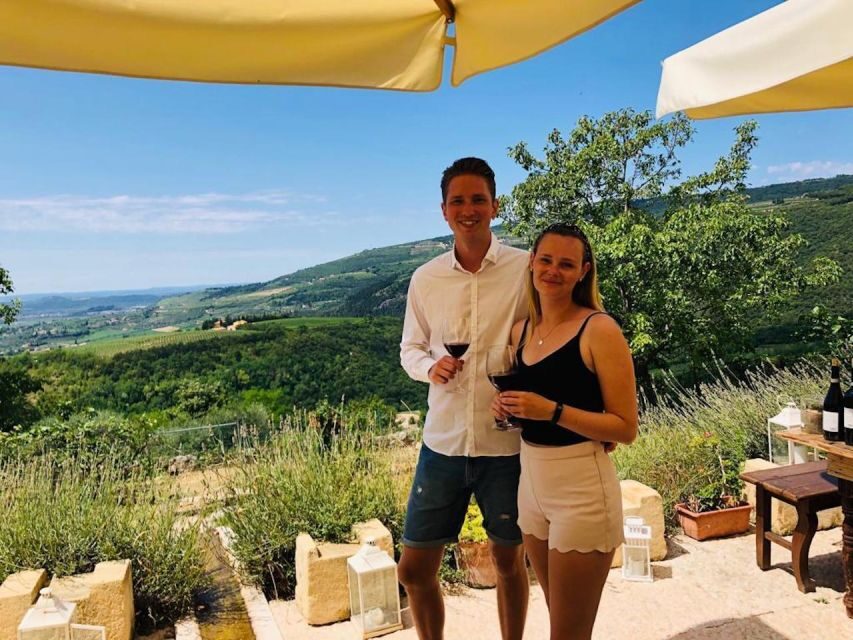
One of the highlights here is the traditional drying room, where Amarone grapes are dried using Appassimento. This is the signature Valpolicella technique that turns fresh grapes into something more concentrated and complex.
In plain terms, the process changes the grapes before they become wine. Less water in the fruit means more intensity in the final wine, and the drying method helps build the kinds of aromas and flavors people associate with Amarone. The tour doesn’t just point at the room and move on—it explains the why behind the method.
As you listen, try connecting it to the tasting later. When you smell and taste, you’ll have a framework for what you’re looking for: the difference between wines that come from grapes treated differently, and how that shows up in the glass.
The rural house and cellar: centuries of winemaking under one roof
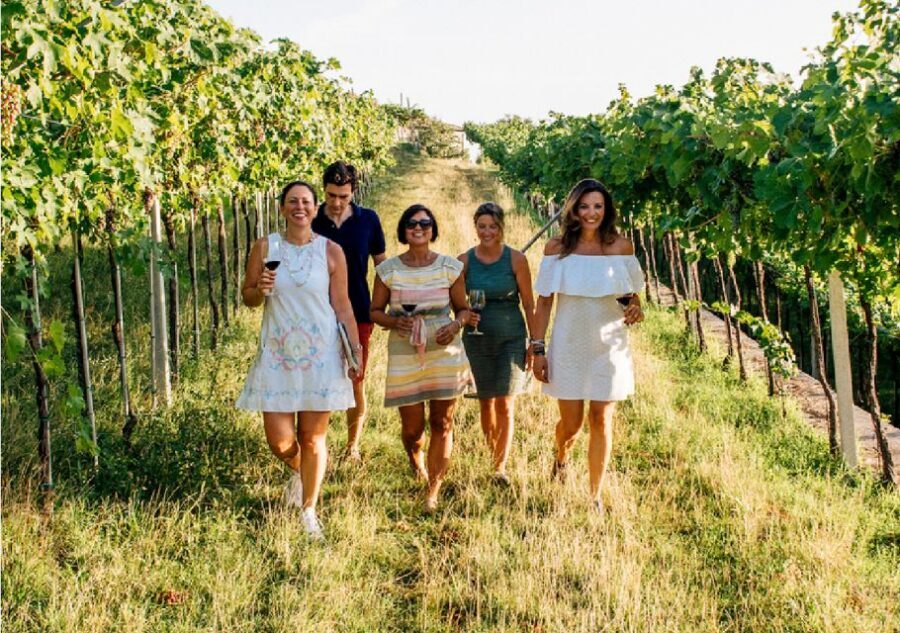
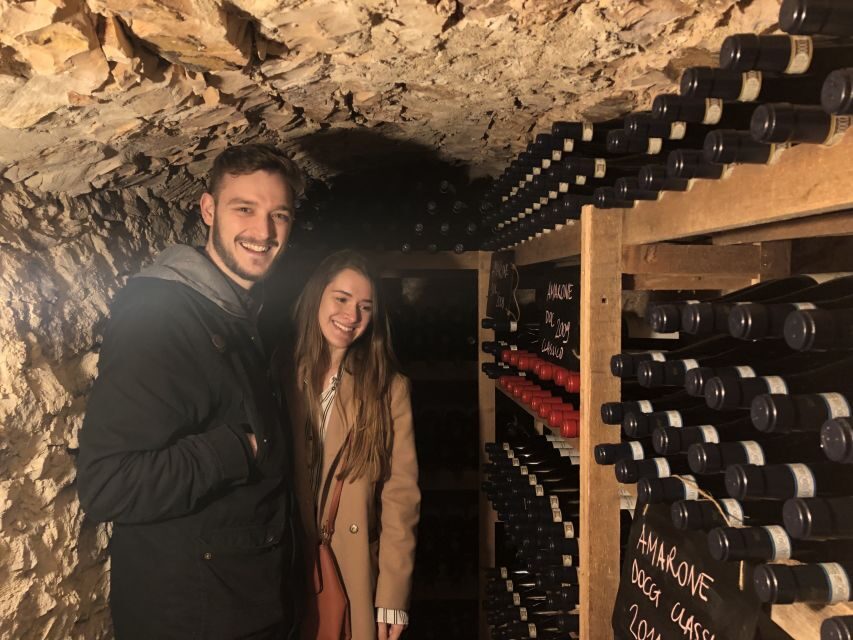
After the drying-room stop, you head to the rural house and cellar—an area used for winemaking since the 17th century. This is where the tour earns its “more authentic than a quick visit” reputation. You’re not only tasting wine; you’re moving through the spaces where decisions were made long before modern machinery took over.
Expect a guided walkthrough that focuses on the overall path from grape to finished wine. The cellar visit also helps you understand that winemaking is both craft and routine. You’ll hear how refinement happens across stages, and it all supports the tasting that comes next.
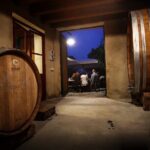
This section also tends to feel visually memorable: stone, older architecture, and that quiet cellar atmosphere where time feels slower.
The wine tasting: sight, smell, taste, and practical tips
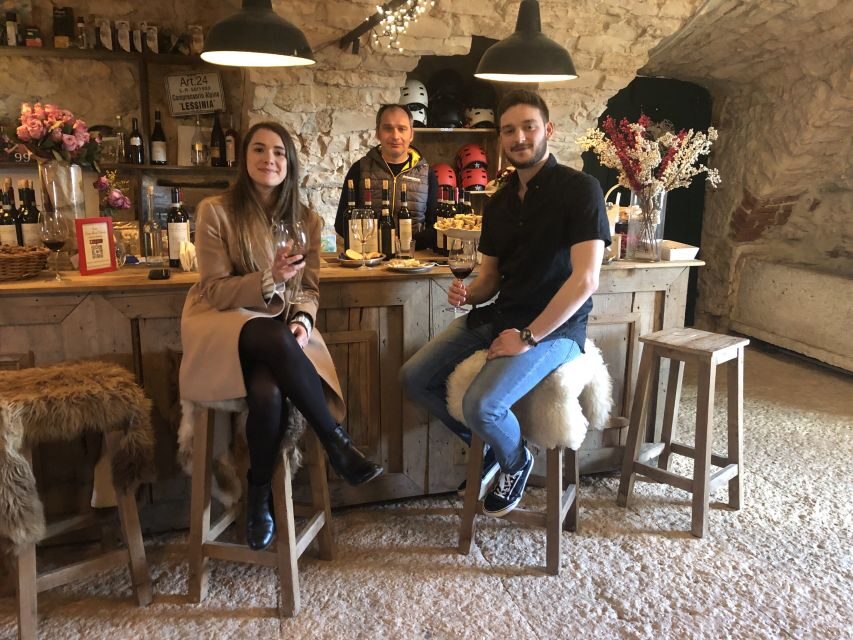
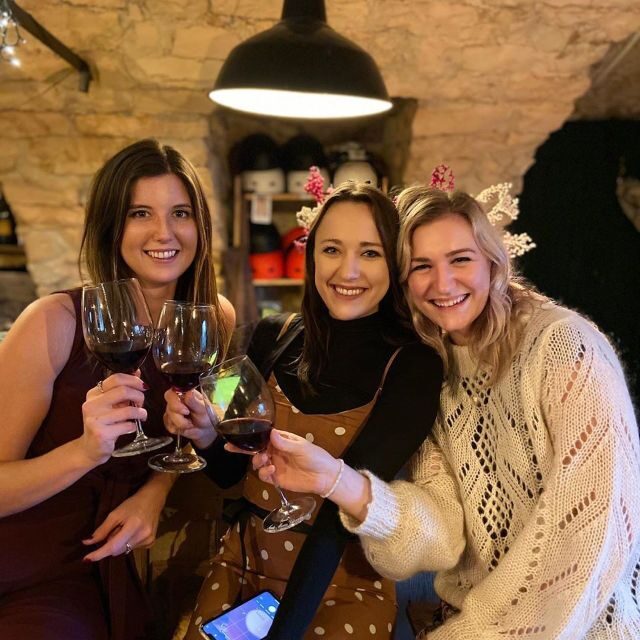
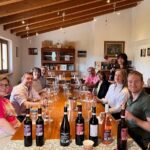
The tasting is guided by the winemaker (or the host team) and includes a structured way to evaluate each wine using sight, smell, and taste. This is one of the biggest values for first-timers, because you’re not left guessing what you’re supposed to notice.
You’ll taste a selection including Valpolicella, Ripasso, and Amarone. Here’s how those names usually matter in everyday tasting terms:
- Valpolicella often sets the baseline style of the region
- Ripasso typically points you to the idea of layering or building flavor through a secondary process
- Amarone is the standout where Appassimento’s influence is hardest to miss
You’ll also learn how different grapes can produce different flavor profiles, which makes the whole experience feel like education rather than just sipping. And since the tasting is paired with food, you get to practice what happens when wine meets salt, fat, and savory bites.
One more thing: the tasting is intentionally focused. Many people get a tasting of three wines, so the goal is clarity, not quantity. If you want to sample a dozen options, you may want to plan for purchases afterward.
Other vineyard and winery tours in Verona


Antipasti on the terrace: local bites made for your glass
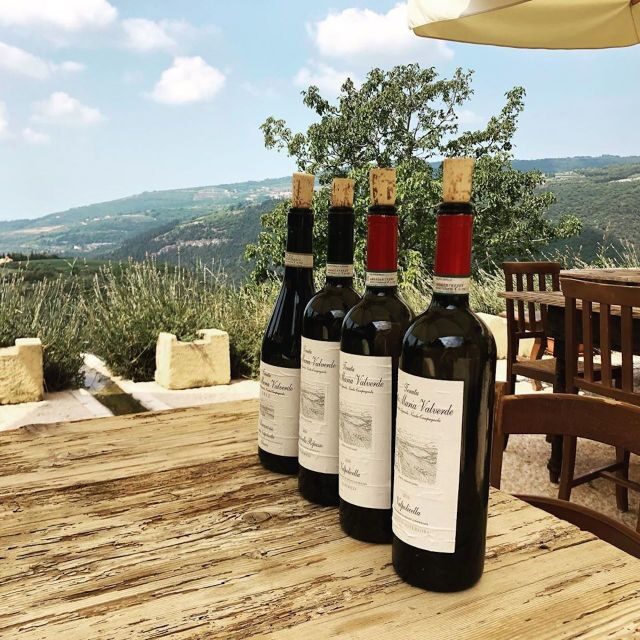
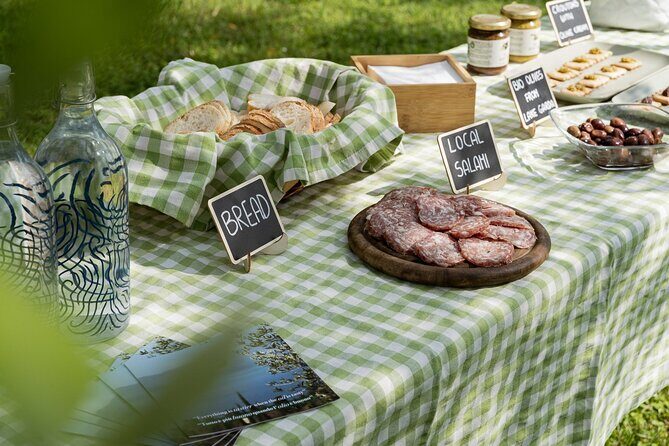
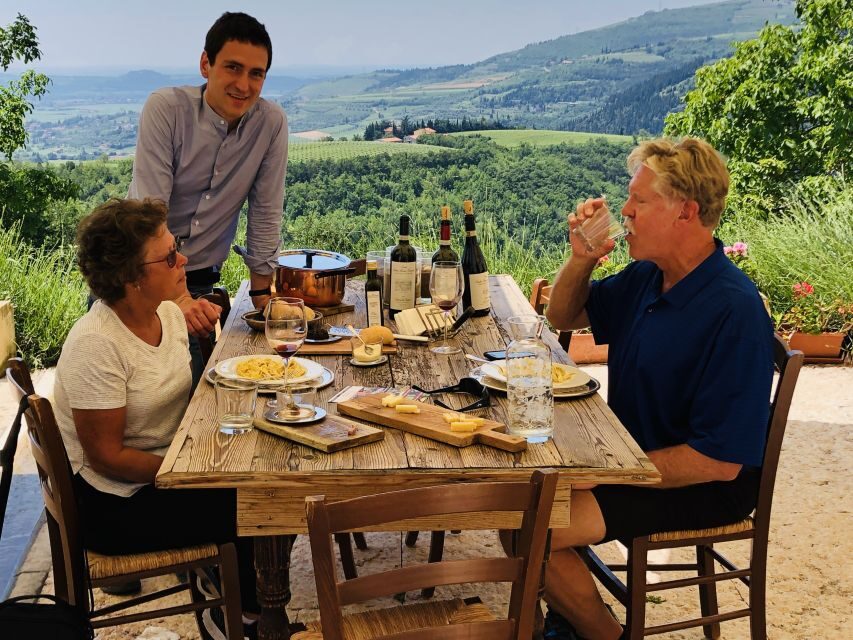
Your wine tasting isn’t floating in isolation. You’ll be paired with antipasti-style food, including local cheeses, salami, bread, and extra virgin olive oil. Depending on what’s on the day’s spread, you might also see touches like homemade cherry chutney and almond biscuits, which can be a fun way to experience how sweetness and spice can shift how a wine tastes.
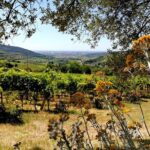
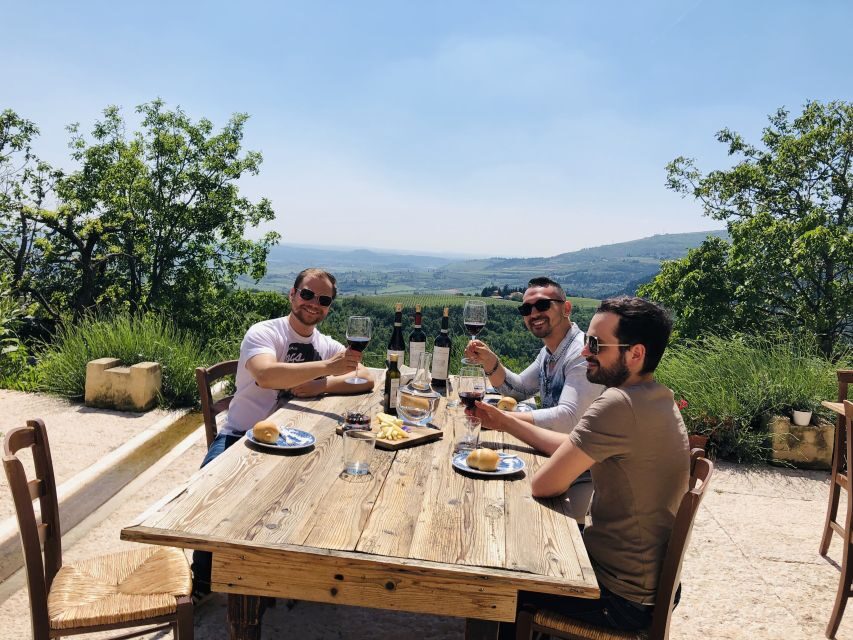
The terrace setting is part of the point. You eat and sip while looking out across the countryside and the Valpolicella hills. That scenery isn’t decoration—it helps you slow down and pay attention.
Practical angle: because this is a light lunch with tastings, it’s a good midday option, but don’t assume it replaces a full meal if you’re the type who needs a big dinner later.
Guides, pacing, and what the timing really feels like
Officially this is a 2-hour experience, but in practice you should build in a little buffer. Some visits can run longer than the stated time, and the pacing can include longer stretches between tasting moments. That’s usually because the tour is relaxed and conversational, not because anything is wrong.
You’ll also be with a live guide in English and Italian, and hosts are known for being welcoming and talkative. Names that have shown up in guest experiences include Raquel, Claudia, Ginevra, and Raphaella, with Jacopo appearing in accounts where pickup help was needed.
If you’re planning other activities right after, aim for a cushion—especially if you’re transferring back toward Verona.
Getting there from Verona: plan for countryside, not city blocks
This tour meets at Tenuta Santa Maria Valverde, Località Gazzo, 4, 37020 Marano di Valpolicella VR. Since it’s out in the countryside, transportation is the main practical question.
Here are the options that are supported:
- You can get assistance arranging a private transfer
- Assistance is available to help with public transport
- Some guests have been picked up from a bus stop by the team, depending on the situation
- If you’re coming from Verona station, taxis are mentioned as a straightforward fallback (with reported cost ranges around €35–€40)
My advice: before you commit your day, confirm how you’re getting there and how you’re getting back. Rural timing plus a tight schedule can turn into stress fast.
Who this tour suits best (and who should consider another option)
This is a strong fit if you:
- want a compact visit that still covers winemaking basics
- enjoy structured tasting practice (not just random pours)
- like scenery and want to eat locally while you sip
- are curious about Amarone and the Appassimento process
It may be less ideal if you:
- expect a long, wide tasting menu with many wines
- want a tightly timed itinerary where everything ends exactly on the dot
- dislike any gap between tastings during a relaxed meal-style experience
Also, it’s not for children. You must be at least 18 to consume alcohol.
Should you book this Verona vineyard and winery tasting?
I think this tour is worth booking if your goal is to understand Valpolicella wine in a calm, countryside setting, with a real winery team and a tasting that’s guided by the senses. The best part is the pairing of education and atmosphere: Appassimento isn’t just a word here, and the terrace food makes the tasting feel like an actual meal.
Book it if you’re happy with a focused tasting of a few wines and you want the 17th-century cellar + drying-room lesson to do the heavy lifting. Skip it if you want a long “everything flight” experience or you’re trying to cram it into a schedule with no slack for rural logistics.
FAQ
Where is the meeting point for the tour?
You meet at Tenuta Santa Maria Valverde, Località Gazzo, 4, 37020 Marano di Valpolicella VR.
How long is the winery and vineyard tour?
The experience is listed as 2 hours (check available starting times).
What wines are included in the tasting?
The tasting includes a selection featuring Valpolicella, Ripasso, and Amarone.
Do you see the Amarone grape drying process?
Yes. You visit the traditional drying room and learn about drying Amarone grapes using Appassimento.
Is food included?
Yes. You get a light lunch paired with tastings of local food such as cheeses, salami, bread, extra virgin olive oil, and other local items.
What languages are the guides available in?
The live tour guide is available in Italian and English.
Can you cancel and still get a refund?
You can cancel up to 24 hours in advance for a full refund.