REVIEW · VERONA
Verona: City Highlights Private Tour
Book on Viator →Operated by Citywalkers · Bookable on Viator
Verona hits hard in 2.5 hours. This private walking tour is a smart way to get your bearings, with a private guide who threads Roman, medieval, and Renaissance Verona together as you walk from Piazza Bra toward Casa di Giulietta.
I love two things right away: the way the guide turns famous sights into clear, useful stories (you get concrete details, not vague claims), and the flexibility to adjust the itinerary if your interests run more Roman or more Romeo-and-Juliet. Guides you’ll hear in the flow can be great, and names like Cecilia and Priscilla pop up for a reason.
The one thing to consider is pacing. This is a highlights walk, so you’ll be moving through major stops rather than settling in for long museum-style time at each place.
In This Review
- Key points worth knowing
- Starting at Piazza Bra: fast orientation before you roam
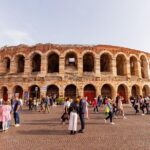
- The Arena of Verona: Roman engineering you can feel
- Scaliger castle and Ponte Scaligero: the river as a defensive line
- The Arch of the Gavia: a monument rebuilt from the wreckage
- Piazza delle Erbe: the Roman forum that kept living
- Arche Scaligere tombs: Gothic art and a family name in iron
- Piazza dei Signori and the Dante connection
- Casa di Giulietta: the story behind the balcony obsession
- Price and value: what $279.98 buys you for 2.5 hours
- Who should book this private Verona highlights walk
- Should you book this Verona: City Highlights Private Tour?
- FAQ
- How long is the Verona city highlights private tour?
- How many people are in the private group?
- What language is the tour offered in?
- Where does the tour start and end?
- Is there a licensed guide included?
- Is it free to enter any stops?
Key points worth knowing
- Private pacing for a small group (up to 2), so you’re not herded through photos
- Arena scale + acoustics context that makes the site click instantly
- Scaliger power in stone, including Ponte Scaligero and the castle story
- Free entry segments at several central squares and tomb areas listed as admission ticket free
- Juliet’s house focus with the real-world family connection behind the legend
- Mobile ticket + English guide, designed for an easy start
Starting at Piazza Bra: fast orientation before you roam
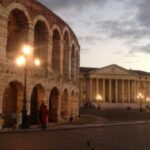
Most people start Verona by wandering. This tour starts you by understanding. You meet at Piazza Bra, the square dominated by the Arena, so your first minutes are basically an orientation primer. From there, the guide keeps the walking route logical: you’re not zigzagging randomly across town—you’re moving through a sequence that mirrors Verona’s timeline.
Why I like this approach for you: Verona is one of those cities where the street corners matter. When you know what you’re looking at—Roman civic life, medieval military power, Renaissance administration—you’ll enjoy what’s around the next bend even after the tour ends.
You’ll also get practical momentum. The guide’s job isn’t just to point at landmarks. It’s to help you read what you see and then decide what to explore further on your own. The tour ends near Juliet’s Balcony, which is a perfect handoff: you finish with the big draw, then you can keep going based on your tastes.
One more plus: it’s a private tour, and it’s offered in English. If you’re traveling as a couple or just want a quieter experience, that small-group feel matters more here than it does in cities where everything is spread out.
Other private tours in Verona

The Arena of Verona: Roman engineering you can feel
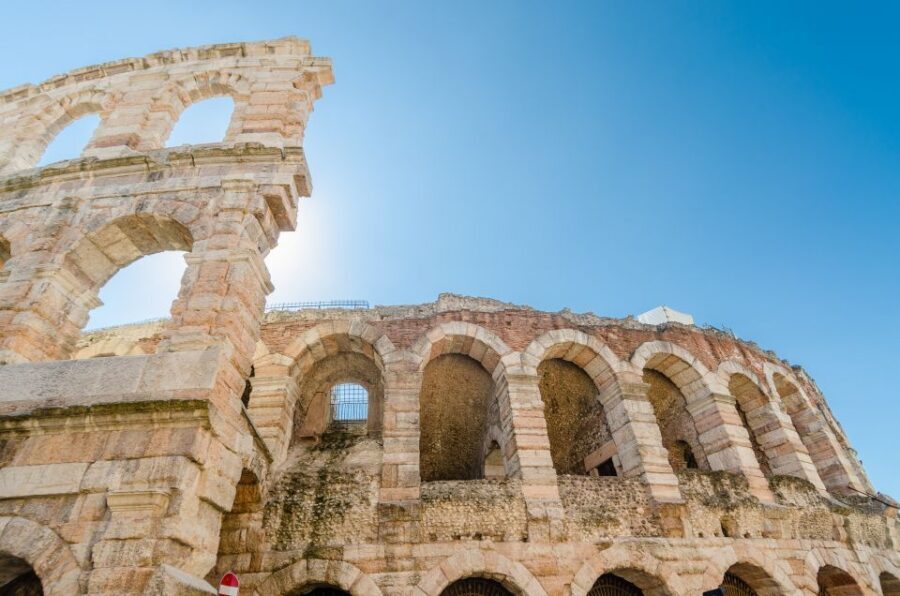
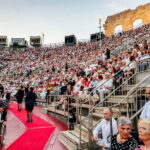
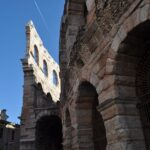
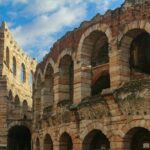
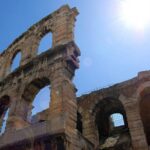
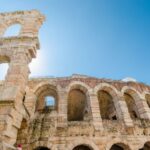
The Arena is the headline for a reason. It’s described as a Roman amphitheater about 140 meters long and 110 meters wide, built in the 1st century AD. Even if you’re not a Roman-architecture superfan, the size and purpose hit fast.
What makes this stop especially valuable on a guided walk is the way the facts connect to your senses. The Arena is praised for its great acoustics, and you can understand why entertainment still “works” here even today. The guide also notes seating for about 30,000 people. Once you hear that number, the building stops being just a photo spot and becomes a machine for crowds.
Practical consideration: the tour is about highlights, so you should expect a strong overview rather than a long, slow architectural study. If you want to spend lots of time inside or in-depth on performance history, plan to add that separately later.
Still, the street-level encounter is worth doing early. I think it makes all the later stops make more sense, because you start to see Verona as a layered city built by different powers, not as a set of unrelated attractions.
Scaliger castle and Ponte Scaligero: the river as a defensive line
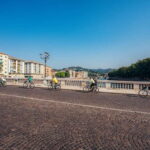
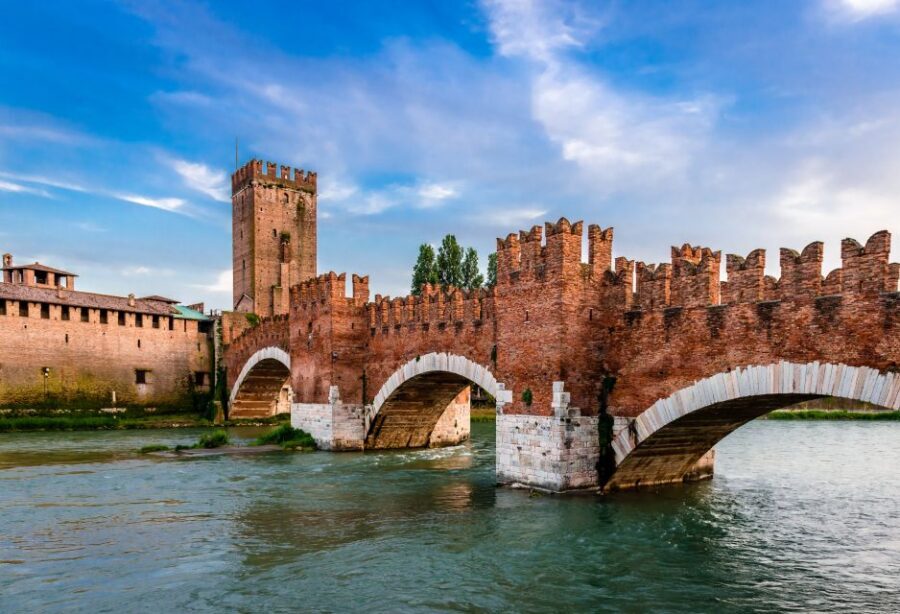
After the Roman monument, the tour pivots to medieval Verona and the Scaliger dynasty, whose rule shaped much of the city’s look and power structure. The castle is described as the most important military construction of the Scaligers.
Then comes the really cool connective detail: the castle links to the left bank of the Adige River by a fortified bridge called Ponte Scaligero. The guide points out that it once had the largest supporting arch span in the world when completed in 1356.
Why that matters for you: it’s easy to think of medieval Verona as purely romantic buildings and stone streets. But military engineering is part of the story, and the river is the reason. If you learn to look at the Adige as the city’s “hinge,” you’ll spot defensive logic in other places too when you keep walking later.
This is also a good mental break from the Arena’s big, open scale. The castle-and-bridge segment helps you switch gears: from ancient spectacle to medieval control. Even if the walk stays mostly external viewpoints, the guide’s explanation gives you something to anchor your attention to.
The Arch of the Gavia: a monument rebuilt from the wreckage
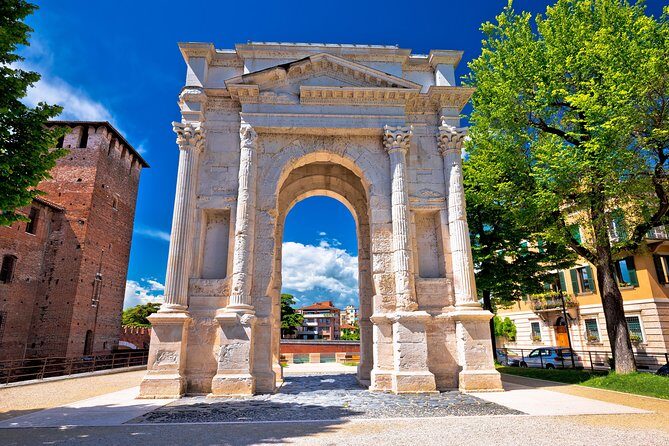
Next you’ll hear about an arch that tells a surprisingly modern story: reuse after destruction. The tour covers the Arch of the Gavia, built in white veronese marble and dedicated to the Gavia, a Roman family, in the 1st century. It originally stood along Corso Castelvecchio, connecting the city with Rome.
Then the story takes a turn. The French dismantled it because they considered it a traffic hindrance and dumped the pieces under the arches of the Arena. Later, in 1932, the arch was reassembled piece by piece where it stands now.
This is the kind of detail I love because it changes how you see monuments in older cities. Verona isn’t just a time capsule. It’s a place where objects get moved, broken, and rebuilt based on real-world needs. That makes your own exploration more interesting—you’ll start noticing which buildings feel like they were “reset” over time.
One more thought: an arch can be quick to see, so ask yourself what you want from this stop. If you’re the type who enjoys city stories and how things evolved, this will be a highlight. If you only care about grand interiors and long pauses, keep your expectations aligned with a walking tour’s format.
Piazza delle Erbe: the Roman forum that kept living
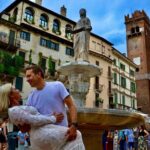
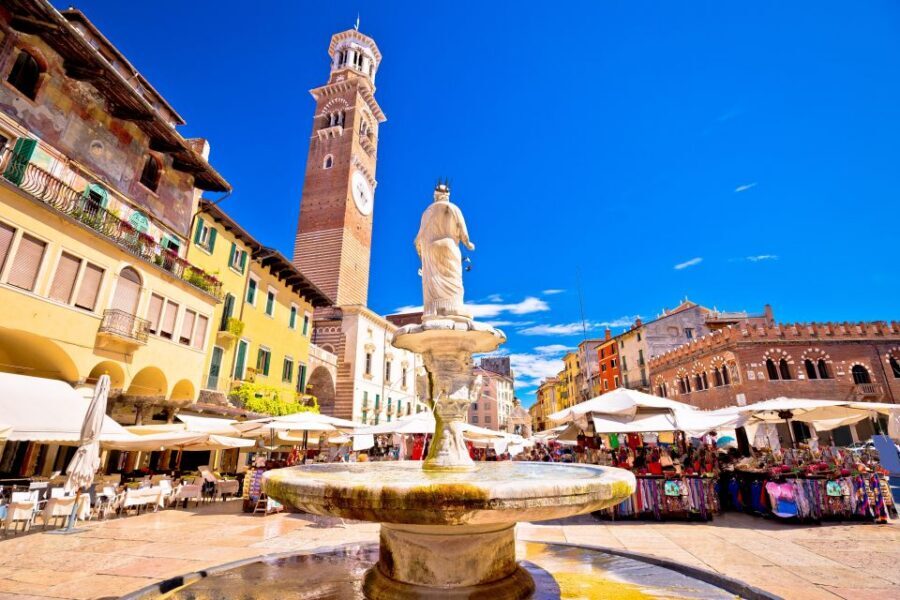
Now you hit one of the most central civic squares in Verona: Piazza delle Erbe. The tour frames it as the Roman forum during Roman times, and the important point is continuity. It stayed a center of city life for centuries—meeting place, market, and administration.
In the middle is the fountain, described as built using a Roman statue during Scaligeri rule. Later, it became known as Madonna Verona. That’s the kind of name that could feel like a marketing tag, but the guide’s explanation gives it roots. It’s not just a pretty fountain; it’s part of the city’s identity-making.
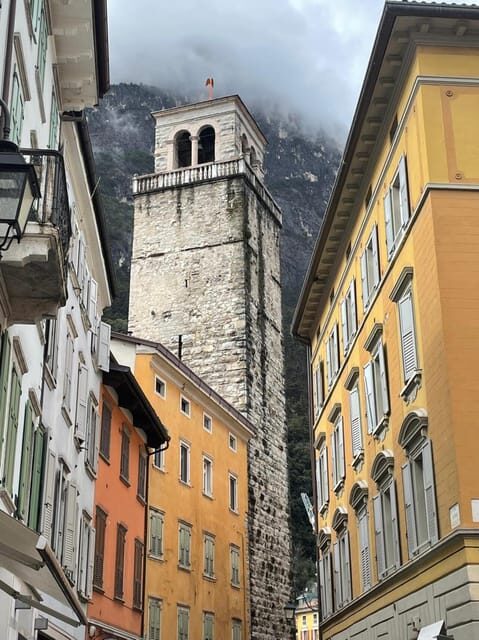
The edges of the square are equally part of the “reading lesson.” You’ll notice the Gardello Tower and the Baroque Palazzo Maffei. The courtyard of Palazzo del Comune connects your attention toward the Lamberti Tower, which is where you’ll get suggestive panoramic views over the city.
Tour value for you: this stop is built for people who want context. Even if you’re not planning to climb anything, you can use the square as a reference point to orient yourself for the rest of your day. You’ll also see why this is a market-meets-administration place, not just a scenic backdrop.
Admission note: this segment is listed as admission ticket free, which keeps it easy to enjoy even if you’re watching your budget.
Other city tours we've reviewed in Verona

Arche Scaligere tombs: Gothic art and a family name in iron
Then the walk turns to mourning architecture with a strong identity: Arche Scaligere, the funerary tombs commemorating the Scaliger family, who ruled Verona in the 13th and 14th centuries. The guide describes them as some of the most representative examples of Gothic art in this area.
The standout feature is the way the tombs are placed within an enclosure of wrought iron grilles decorated with a stair motif. That stair theme matters because it ties to the family name. The della Scala name translates to something like of the stairs.
This is a great stop for you if you like meaning. Lots of tombs are just impressive objects. Here, the details are part of a branding system across the ironwork, the family name, and the visual language of the period.
The tour lists this segment as admission ticket free too, so it’s a win for time and cost. Just give yourself a few minutes to slow down. Tomb enclosures and iron patterns can be easy to glance past if you’re rushing for photos.
Piazza dei Signori and the Dante connection
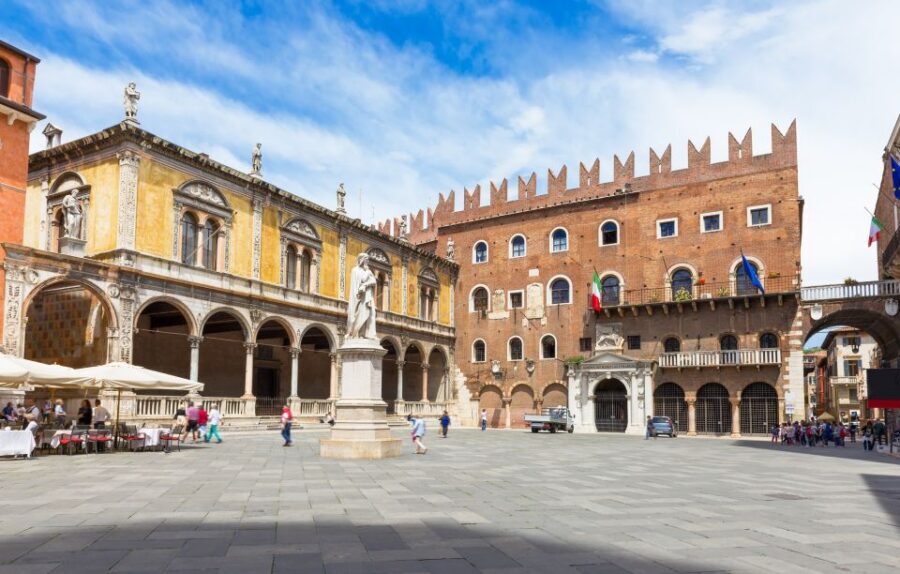
If Piazza delle Erbe is the everyday center, Piazza dei Signori is the “living room” feeling—refined, central, and loaded with civic function. The square is also called Piazza Dante because of the statue of Dante Alighieri in the middle.
This stop gets your attention with architecture and function. The square is ringed by Renaissance buildings, including the Palazzo della Ragione, the Palazzo del Capitano, Palazzo del Governo, the Loggia del Consiglio, and Domus Nova. The tour also points out that it still has political and administrative functions during the day. And at the same time, it’s a natural gathering spot for a university crowd.
Why this makes a difference: the guide’s commentary makes you feel that Verona isn’t locked in the past. It’s a working city where old buildings still shape daily life. If you want to enjoy Verona beyond the postcard, this is the kind of stop that helps you do it.
Admission note: this segment is also listed as admission ticket free, which is handy for keeping the day smooth.
Casa di Giulietta: the story behind the balcony obsession
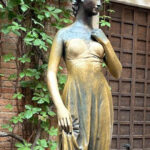
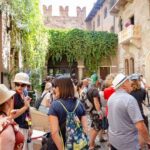
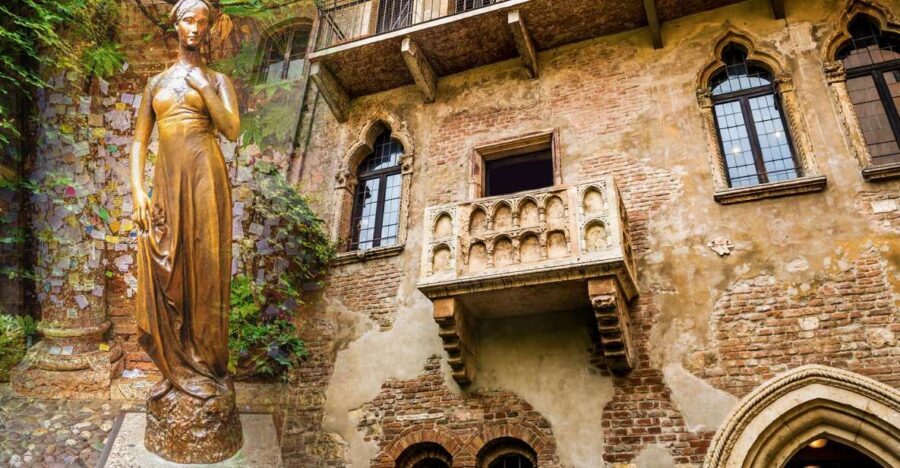
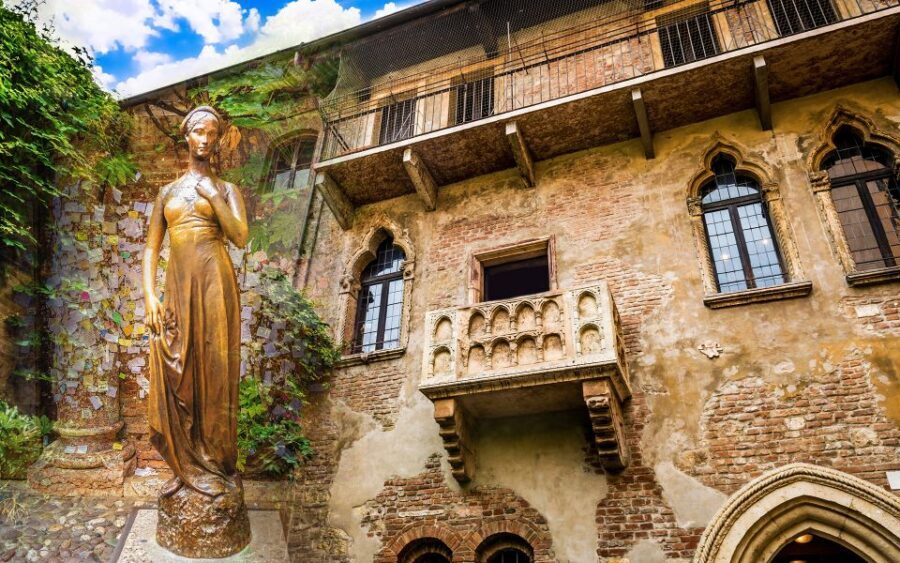
By the end of the walk, you’re heading to the biggest tourist gravity in Verona: Casa di Giulietta. Most people come for the Shakespeare connection, and the tour doesn’t shy away from it. But it also grounds the legend in the real building and real family history.
The building dates back to the 12th century. At one point, it was owned by the Dal Cappello family, and their coat of arms is carved into the keystone of the courtyard inner archway. The tour explains how the similarity between the name Cappello and Capuleti helped fuel the popular belief that Shakespeare’s play had roots in a real rivalry and a forbidden love story.
This is the moment where you decide what kind of visitor you are. If you love romantic legends, you’ll enjoy how the guide keeps the story moving from building to idea. If you’re more skeptical, you’ll still get value because you’re learning how legends attach to places, and how names shift over time.
The tour ends nearby Juliet’s Balcony at Via Cappello 23. That’s a smart finish because it turns your last guided minutes into a practical next step: after you’ve heard the background, you can spend extra time at the balcony area if you want.
Admission note: the itinerary data only explicitly flags some segments as admission ticket free, so for Casa di Giulietta you should be prepared for the possibility that you’ll need to follow the site’s rules on the day.
Price and value: what $279.98 buys you for 2.5 hours
Let’s talk money in plain terms. The tour costs $279.98 per group, up to 2 people. That means you’re paying for privacy and a licensed guide, not for a low-cost entry-level group experience.
Is it worth it? For me, it depends on how you travel.
- If you hate big group pacing and want a guide who can answer questions and shift the walk to your interests, the per-group price can be a good deal.
- If you’re the type who loves learning specific facts and turning landmarks into a connected story, a guided 2 hours 30 minutes feels time-efficient.
- If you’re traveling solo, the price may feel steep compared to joining a group tour, but private can still be worth it if you value quiet and control.
You also get a mobile ticket and the comfort of starting in the right place (Piazza Bra) without wrestling with a big itinerary. Plus, the tour is explicitly private, so you’re not mixing with strangers.
Also, English is included, and you’re near public transportation. Those details matter more than people think, especially if you’re trying to fit Verona into a tight schedule.
Who should book this private Verona highlights walk
This tour fits best if you want:
- A guided overview that covers Roman, medieval, and central civic Verona
- Clear, factual storytelling that helps you explore independently after
- A small-group feel with the option to adjust the itinerary
- A finishing stretch near Juliet’s Balcony so your day ends with the main emotional hook
It’s also a good fit for couples, or anyone who wants to ask questions without feeling rushed. Reviews highlight guides like Cecilia and Priscilla, both praised for being warm and engaging. If interaction is your priority, look at your comfort level with how talkative you want the guide to be. One review notes a guide who wasn’t as interactive or personable, so it’s fair to say personality can vary by guide, even in the same style of tour.
Service animals are allowed, and most travelers can participate. The walk is described as a walking tour, so comfortable shoes are a smart move.
Should you book this Verona: City Highlights Private Tour?
If you want to see the biggest Verona hits with context, I think you should book it—especially at the start of your Verona day. The mix is strong: Arena, Scaliger landmarks, civic squares, and finally Casa di Giulietta. The guide format makes it easier to enjoy the city after the tour too, because you’ll know what you’re looking at and why it matters.
If you’re hoping for a long, slow, museum-deep schedule, this may feel too fast. But if you want an efficient, story-led Verona setup from Piazza Bra to Juliet’s Balcony, it’s an easy “yes.”
FAQ
How long is the Verona city highlights private tour?
It runs about 2 hours 30 minutes.
How many people are in the private group?
It’s private for your group, with the price set for up to 2 people per group.
What language is the tour offered in?
The tour is offered in English.
Where does the tour start and end?
It starts at Piazza Bra, Verona and ends nearby Casa di Giulietta, Via Cappello 23, Verona.
Is there a licensed guide included?
Yes. A licensed guide is included.
Is it free to enter any stops?
Some stops in the itinerary are marked as admission ticket free, including Piazza delle Erbe, Arche Scaligere, Piazza dei Signori, and Casa di Giulietta. Other stops are not labeled with admission details in the information provided.