REVIEW · VERONA
Verona: Gelato Making Class
Book on GetYourGuide →Operated by Ways Tours | B Corp company · Bookable on GetYourGuide
Gelato starts with fruit, not a miracle. In Verona, this 2-hour hands-on class walks you from the city center to a stylish cooking school where you make traditional Italian ice cream and sorbet step by step.
What I like most is that you don’t just sample. You create both fresh fruit sorbet and handmade gelato, and you leave with a recipe book you can actually use later.
One key consideration: it’s not suitable for wheelchair users, and some parts may be hard to access if you have reduced mobility.
In This Review
- Key takeaways before you go
- Verona’s gelato class starts with a short walk to a real kitchen
- What you make: fruit sorbet and handmade gelato from scratch
- How the class runs in the kitchen: apron on, fruit cut, machine mixed
- Toppings that teach you real gelato pairing (and yes, olive oil)
- Who this works for in Verona: families, solo travelers, and dessert lovers
- Price and value: $74.02 for a 2-hour gelato lesson with ingredients and a recipe book
- Tips that actually help you repeat the recipe back home
- Should you book the Verona Gelato Making Class?
- FAQ
- How long is the gelato making class in Verona?
- Where do we meet for the Verona gelato class?
- What will I make during the class?
- Is the class taught in English?
- Is hotel pickup and drop-off included?
- Is the class suitable for wheelchair users?
Key takeaways before you go
- Meet at the Ristori Theater with a yellow TOUR sign, then walk to the cooking school
- Fruit sorbet + gelato basics taught in a hands-on format with a real chef-led workflow
- Small-group feel is common, so you get real attention while you work
- Toppings teach flavor pairing, from classic crunch to unexpected twists like olive oil and balsamic
- Take-home recipe book helps you repeat the process back home
Verona’s gelato class starts with a short walk to a real kitchen
Your experience begins right in the center of Verona, meeting your guide in front of the Ristori Theater entrance. Look for the guide holding a yellow sign that says TOUR. Then you’ll walk together to the cooking school—described as stylish and vintage in feel—so the class doesn’t happen in some generic classroom.
This matters more than you’d think. When you’re making ice cream, you need calm, clear instruction and space to work. The setup here is designed for that, with you getting comfortable in the kitchen, putting on an apron, and starting right away instead of waiting around.
If you’re short on time in Verona, the two-hour length is a sweet spot. It’s long enough to get hands-on, but short enough that you can still plan an evening gelato crawl after. And if you’re traveling solo, the experience can still work well, since people may be paired up or mixed into small teams for the gelato batches.
Other gelato making classes in Verona

What you make: fruit sorbet and handmade gelato from scratch
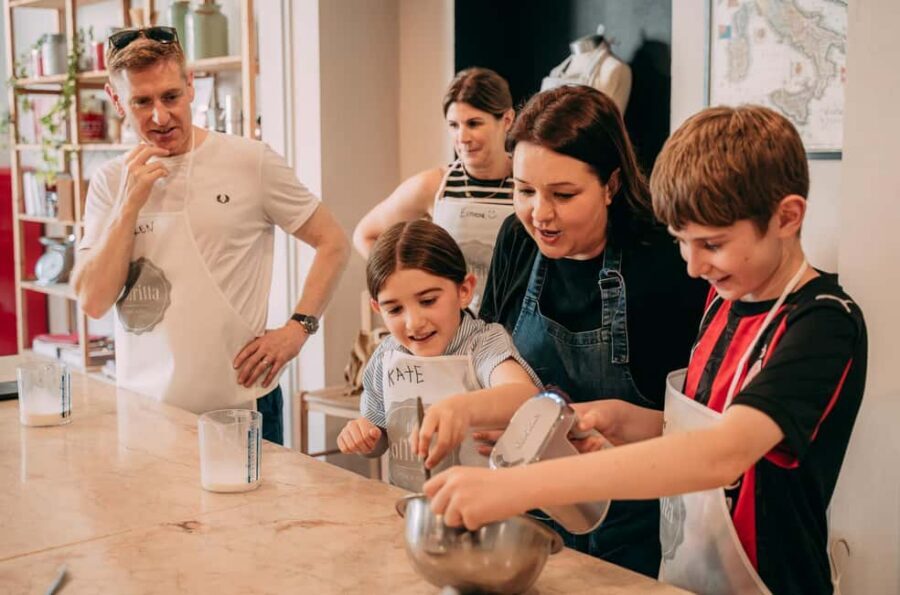
The headline is simple: you’ll make traditional Italian gelato and fresh fruit sorbet. “Traditional” here isn’t just marketing. You’re cutting fresh fruit, then combining ingredients and mixing them in the gelato machine as part of the class flow.
Sorbet is often where people learn fastest. It’s fruit-forward, so you can taste the difference between good technique and sloppy technique right away. One review notes that sorbet flavors change with the seasons, but the chef still explains the fundamentals that act like a base for many gelato variations.
For gelato, you’ll do more than follow steps. You’ll see how batches get mixed between recipes, and you’ll work with the ingredients as you go. That helps you understand why gelato tastes different from regular ice cream: it’s built to be smooth and flavor-focused.
In terms of what flavors you might make, examples from classes include strawberry pineapple sorbet, panna, Greek yogurt, chocolate, and coffee. Not every class will be identical, but the structure is consistent: fruit sorbet and several gelato-style recipes, produced and sampled as part of the session.
How the class runs in the kitchen: apron on, fruit cut, machine mixed
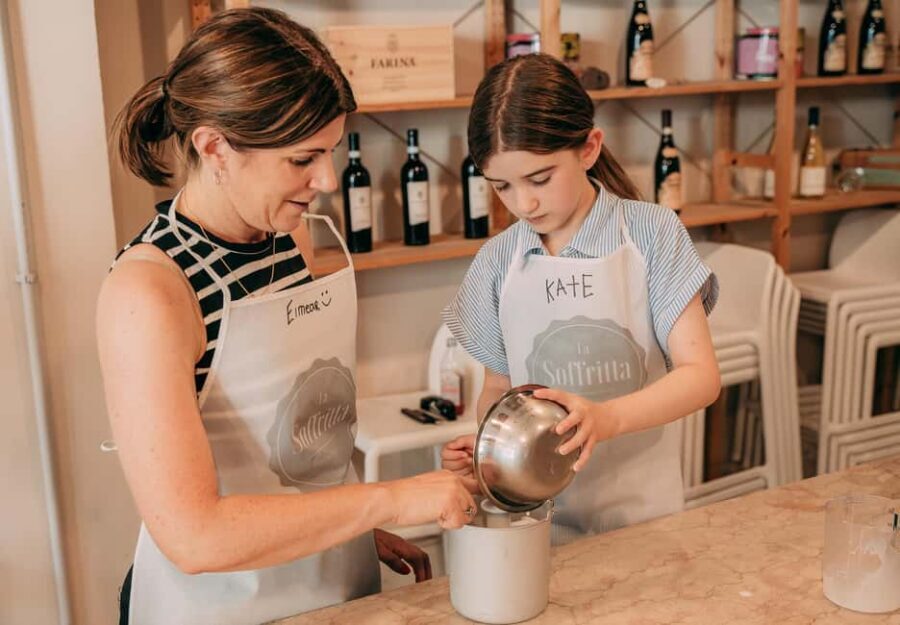
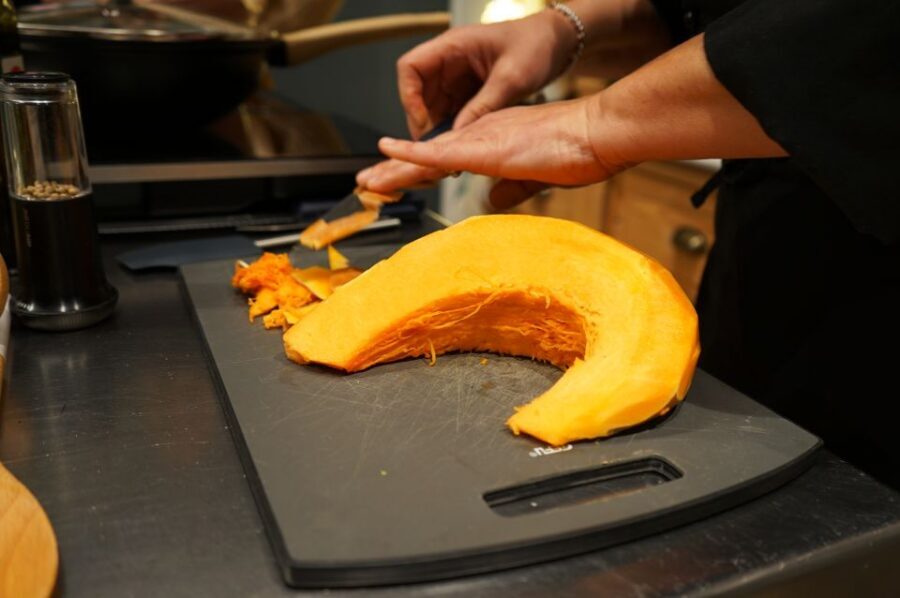
Once you’re in the kitchen, it’s a straightforward rhythm. You get comfortable, you put on the apron, and the chef leads you through the key steps. Cutting fresh fruit is one of the early activities, and you’ll do it with guidance so you’re not guessing about texture or preparation.
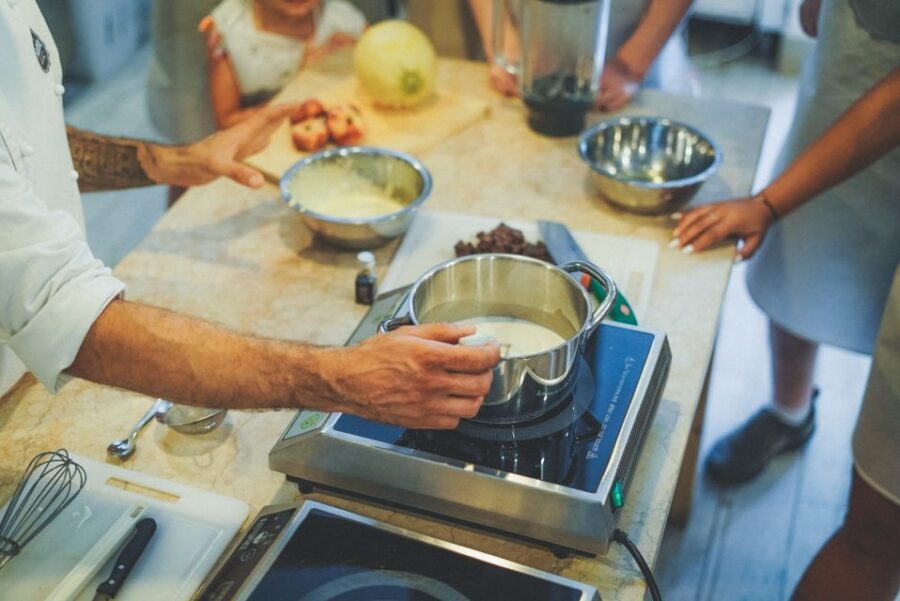
Meanwhile, the gelato base(s) move into the machine between the different recipes. That’s useful because it turns a complicated-sounding process into something you can actually witness and understand. You’re not just told what temperature or timing should be; you see how the workflow moves from one batch to the next.
Then there’s the recipe book. You’re encouraged to write tips as you go, which is one of my favorite parts of any cooking class. It forces you to pay attention to the details that matter at home—things like what worked, what looked right, and what flavor combinations surprised you.
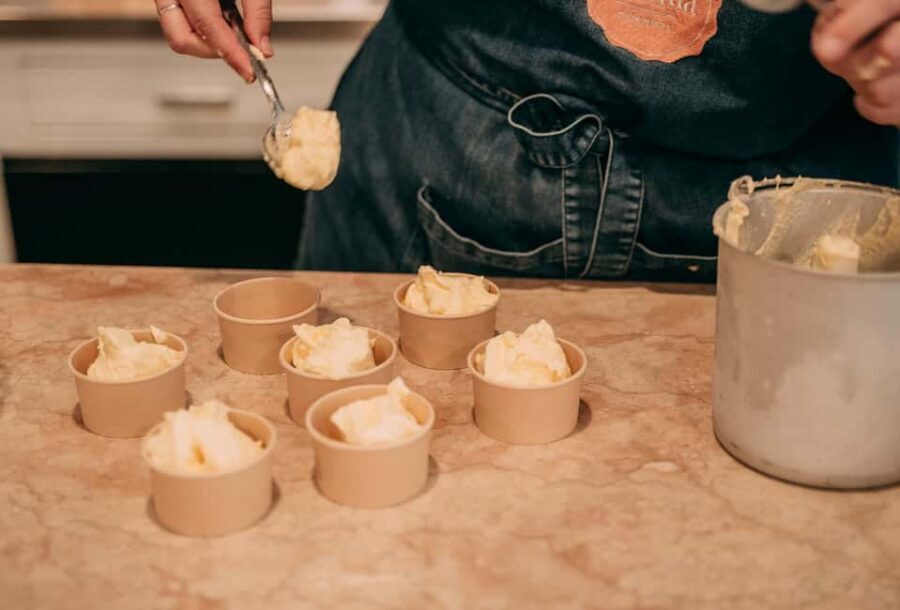
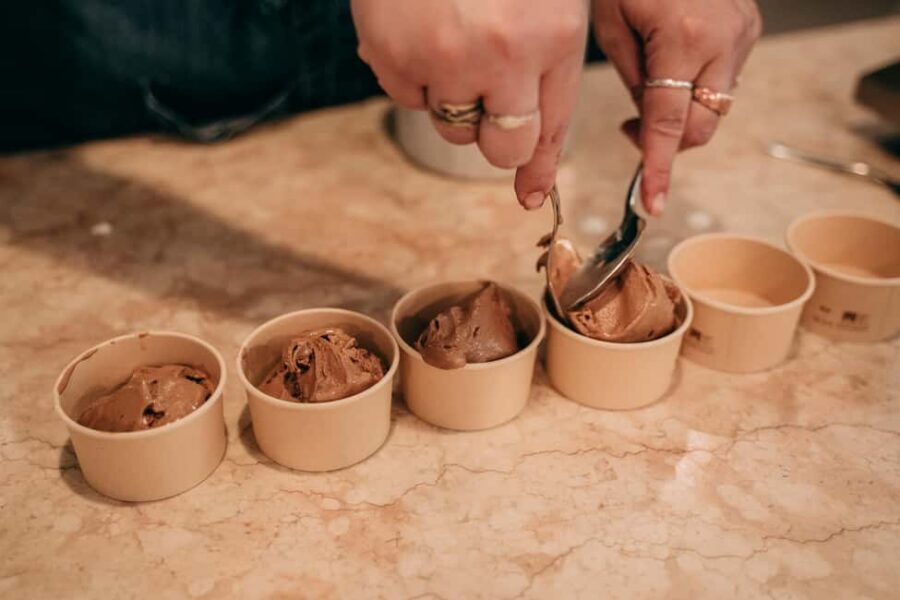
You finish by portioning the results into glasses and enjoying the desserts together with the group. This is a key moment because you’re tasting what you made while everything is fresh and consistent—rather than eating it later with no context.
Toppings that teach you real gelato pairing (and yes, olive oil)
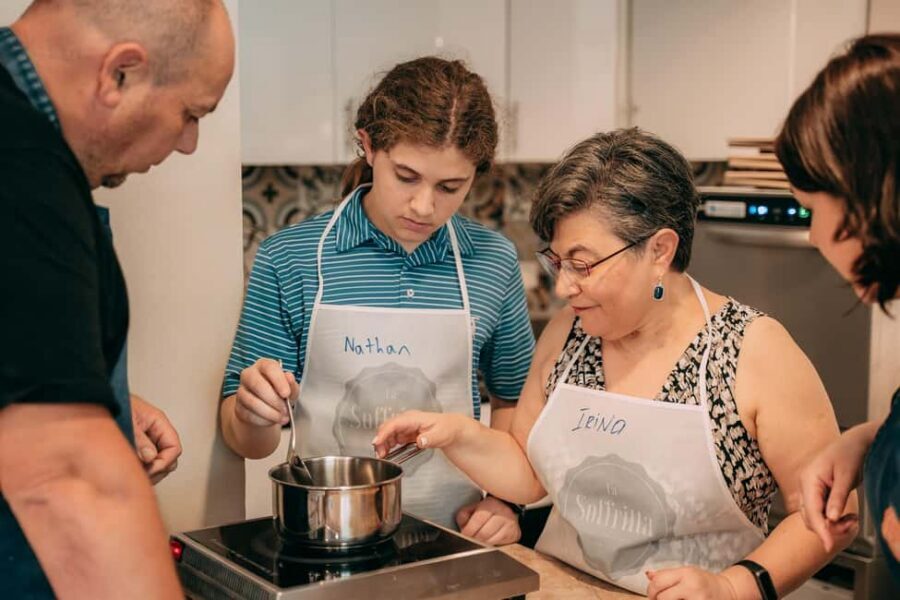
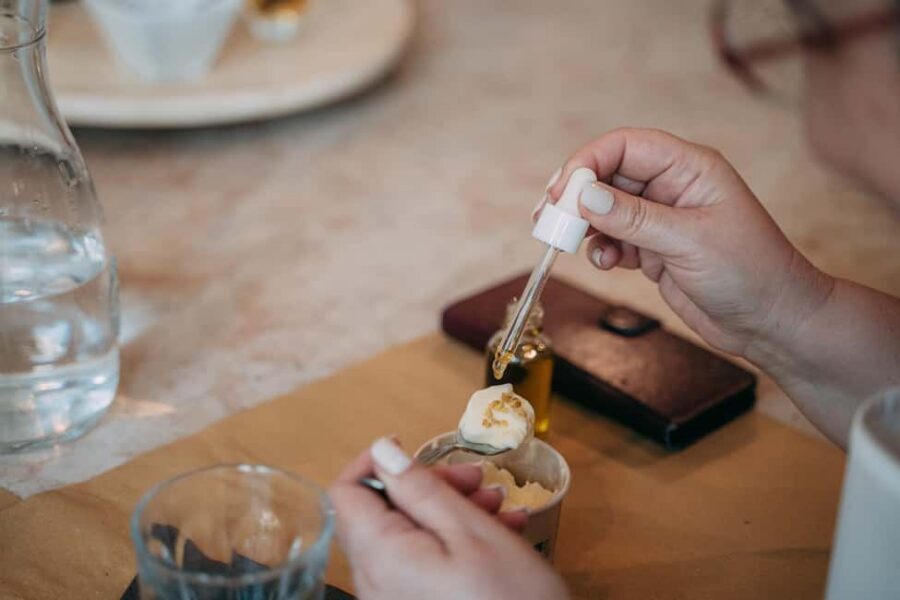
Gelato classes often treat toppings like an afterthought. Here, toppings feel like part of the lesson. The chef and hosts talk through pairing ideas, and you get a set of toppings to try while sampling the different flavors.
One of the standout themes in the reviews is how unexpected toppings make sense once you try them. Olive oil and balsamic vinegar show up repeatedly, along with crunch options like hazelnuts and biscotti. There’s also a red wine reduction that one participant called a favorite when paired with panna.
You might also see toppings like salt and sweet additions like honey, depending on the class menu. The point is not that you’ll all go home craving balsamic gelato. The point is that you’ll learn how chefs think about contrast: creamy + acidic, sweet + salty, soft + crunchy.
If you want practical value, focus on this section. When you replicate gelato at home, you’ll be able to adjust flavor with toppings the way a local gelateria would—without needing fancy equipment beyond a basic gelato-friendly process.
Who this works for in Verona: families, solo travelers, and dessert lovers
This experience is set up as kid-friendly, and it shows in how the class is paced. Reviews mention calm guidance with active young boys, and another highlight is how well the team works with children who want to be involved. Underage guests must be accompanied by an adult, and pets aren’t allowed, so plan accordingly.
Solo travelers do well here too. One review describes arriving alone and being paired with another person, working together on a small batch that then gets combined with everyone else’s gelato. That’s a nice middle ground: you get hands-on time, but you’re not awkwardly standing around.
Families also like the fact that it’s indoors and hands-on. It’s a good option when the afternoon sun is too much, and it gives kids something to do besides wandering the city with tired legs.
Language is English, so you’re not stuck hunting for translation. Even if you’re not a confident cook, the chef-led flow makes it approachable, and the group format keeps it social without turning it into a loud chaos session.
A few more Verona tours and experiences worth a look




Price and value: $74.02 for a 2-hour gelato lesson with ingredients and a recipe book
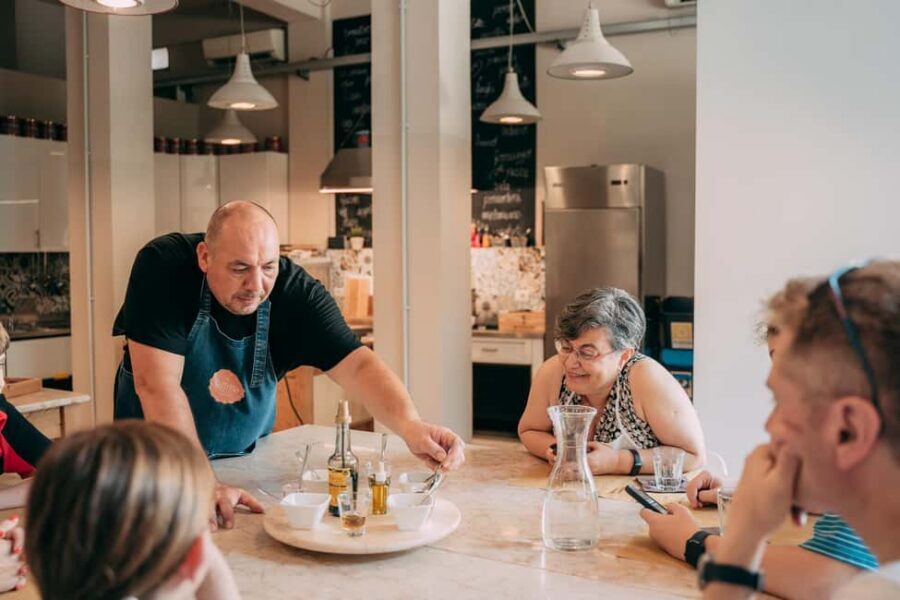
At $74.02 per person, this class isn’t cheap for Verona. A review even called it a bit pricey but still worth it—mainly because of what you get for the money.
Here’s the value math that matters:
- You’re paying for a professional chef to guide you
- You receive ingredients and the use of an apron
- You get gelato and sorbet as part of the experience
- You get a recipe book, which is where the long-term value sits
If you simply wanted gelato, you could spend less by walking into a gelateria. But you wouldn’t learn the method or the pairing logic. This class gives you repeatable skills plus a take-home reference—especially helpful if you love experimenting with flavors and want to recreate the results.
Also, small-group dynamics can make the price feel better. Some reviews mention small groups like six people, and participants felt they had time to ask questions and interact. When you’re getting individual attention in a short window, you’re more likely to leave feeling like you gained something.
Tips that actually help you repeat the recipe back home
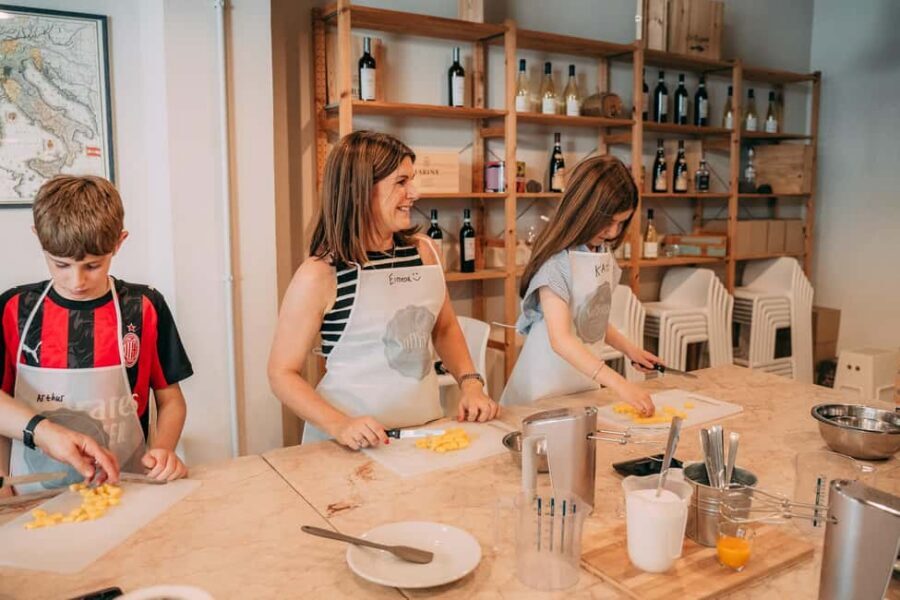
Don’t treat the recipe book as a souvenir. Treat it like your cheat sheet.
Here’s what to do while you’re still in the kitchen:
- Write down the steps that felt easiest—and the ones that were confusing
- Pay attention to how the chef describes consistency or flavor balance
- Notice which toppings you loved with which gelato flavor, since that pairing logic is the part most people forget later
If you have allergies or intolerances, give advance notice. The class notes say they’ll do their best to accommodate, and one review mentions gluten-free catering for a dietary requirement. Don’t assume that’s automatic every time—message ahead so the chef can plan properly.
One more practical mindset: go in with an open mind. A review used that exact tone, and I agree with the spirit. Gelato and sorbet are flexible, and toppings can sound odd until they click. If you try everything once, you’ll learn faster and you’ll remember what to repeat at home.
Should you book the Verona Gelato Making Class?
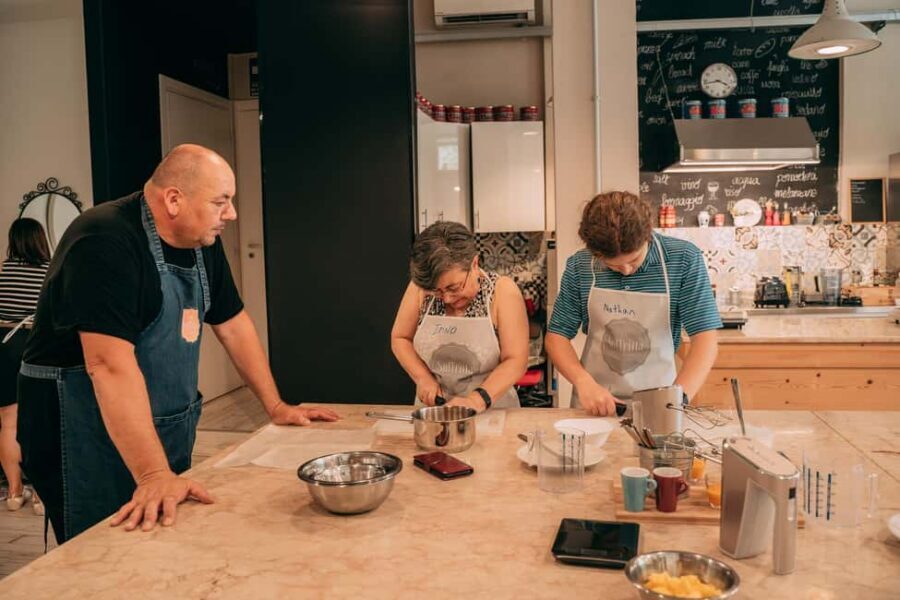
Yes—if you want a hands-on food experience with a local chef, and you’re the type who will use a recipe book later. This is the kind of activity that makes Verona feel personal, not just photo-heavy.
I’d skip it if you need wheelchair access or have difficulty with parts of the class space. And if $74.02 feels too steep for what’s essentially a two-hour session, you may prefer spending that money on a gelato tasting tour instead.
If you want the best outcome, show up ready to work (apron and all), try the toppings even when they sound unusual, and ask questions while the chef is explaining the fundamentals. That’s when the class turns from sweet to truly useful.
FAQ
How long is the gelato making class in Verona?
The class lasts 2 hours.
Where do we meet for the Verona gelato class?
Meet your guide in front of the Ristori Theater entrance. The guide will be holding a yellow sign with TOUR written on it.
What will I make during the class?
You’ll make fresh fruit sorbet and handmade Italian gelato.
Is the class taught in English?
Yes. The instructor is English.
Is hotel pickup and drop-off included?
No, hotel pickup and drop-off are not included.
Is the class suitable for wheelchair users?
No. It’s not suitable for wheelchair users, and some parts may not be easily accessible for people with reduced mobility. Contact the activity provider for more information.