REVIEW · VERONA
Olive Mill Tour and Tasting in the Verona Countryside
Book on GetYourGuide →Operated by Slow Travel · Bookable on GetYourGuide
Olive oil tasting can be hands-on here, because you walk through an experimental grove beside a working mill and then compare what you learn with what you taste. I especially like the Frantoio 4.0 tour for its practical step-by-step production clarity, and the three-oil tasting when the guide coaches you on what to notice. The only catch: the olive grove walk may be skipped if rain or unsafe weather affects access.
You’ll also get a fun contrast—new tech in the mill, plus an old-school family museum right next door—so it all clicks instead of staying theoretical. I like that this isn’t just “look at machines” time; you’re shown how quality is protected from field to bottle and how sustainability is handled. One more thing to keep in mind: you’ll be focused indoors and outdoors for about 1.5 hours, so plan for a small production-paced schedule.
If you’re basing yourself in Verona, this is a quick hop to the countryside, and it feels like you’re stepping into a real, ongoing food system. Expect a live guide in English or Italian, water included, and paired bites during the tasting. For $34 per person, it’s a solid deal if you care about flavor and process—not just souvenirs.
In This Review
- Key highlights you’ll feel right away
- Verona countryside, but make it practical
- Campo di Casa: the experimental grove next to the mill
- Frantoio 4.0: where modern pressing meets quality control
- Bonamini museum: traditional oil making you can visualize
- The tasting: learn three extra virgin oils like a pro
- How to get the most out of your tasting
- Sustainability explained without the lecture
- Price and value: is $34 really fair?
- Timing, pacing, and how to plan your day
- Who this works best for (and who should think twice)
- The guide experience: the kind that makes tasting click
- Should you book this olive mill and tasting?
- FAQ
- How long is the olive mill tour and tasting?
- What’s included in the ticket price?
- Where is the meeting point?
- How far is it from Verona city center?
- Do they offer tours in English and Italian?
- What happens if it rains?
Key highlights you’ll feel right away
- Campo di Casa experimental grove: a guided walk beside the working mill
- Frantoio 4.0: modern olive-oil tech explained in plain terms
- Bonamini family museum: traditional production methods you can actually picture
- Taste 3 extra virgin oils: learn aromas and flavors without guesswork
- Sustainability from by-products: waste becomes useful fuel/biomass
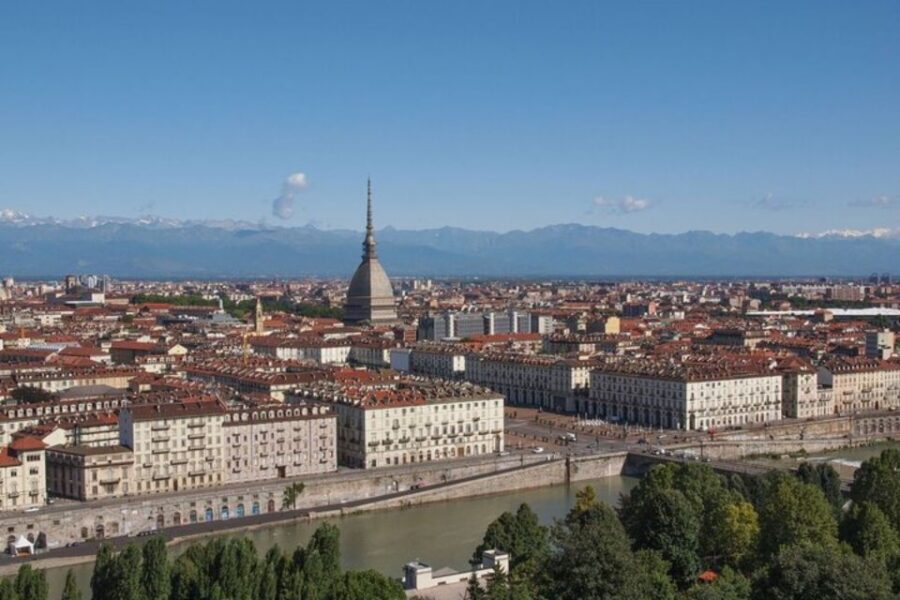
Verona countryside, but make it practical
This outing is built for people who like to understand what they’re eating. Instead of treating olive oil like an abstract “local specialty,” you see the system in action: the grove, the mill, the museum, then the tasting where you test your new senses.
I love that it’s not long and slow. In about 1.5 hours you get a full loop—walk, tour, museum visit, then tasting—so you leave with a clear mental picture of how olives turn into the extra virgin bottle you’ll buy afterward.
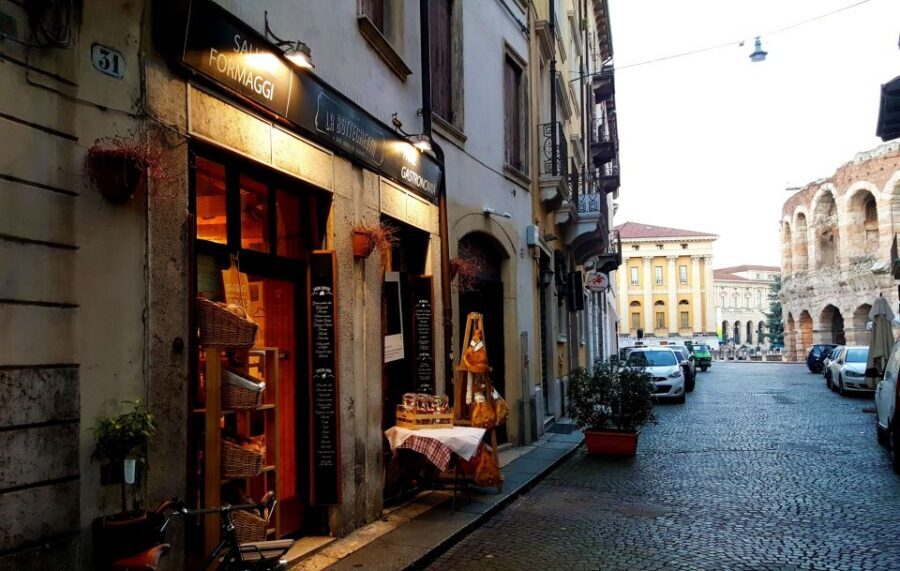
It starts in Illasi, a village about 30 minutes by car from Verona. If you’re driving, look for the round stone entrance with FRANTOIO BONAMINI on it, go through the gate, and ask in the shop for the guide. If you’re not driving, you’ll need to arrange your own transportation, because transfers aren’t included.
Other olive oil tastings in Verona
Campo di Casa: the experimental grove next to the mill
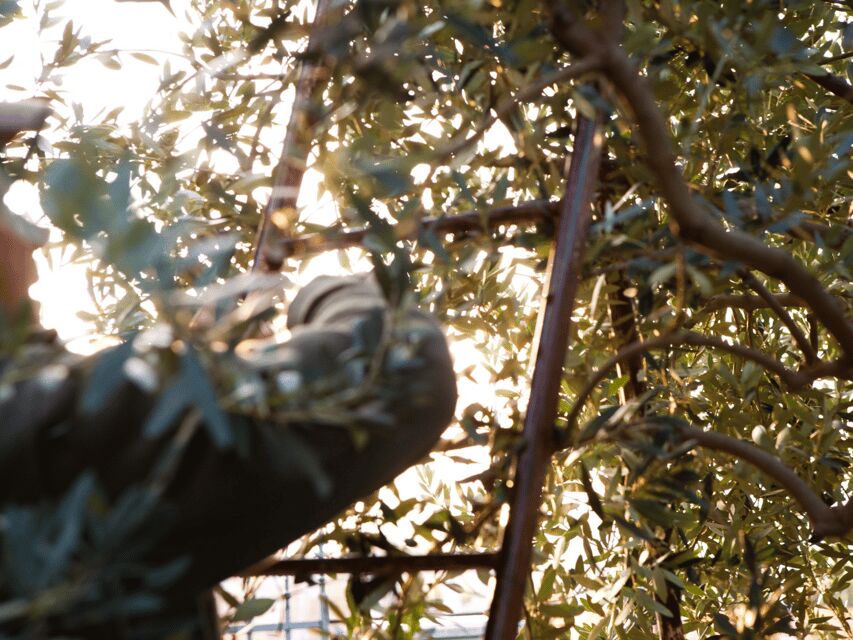
The experience kicks off with a short walk (about 15 minutes) through the Campo di Casa, an experimental olive grove positioned right next to the working mill. This isn’t just a pretty farm stroll—it’s meant to show how local cultivation keeps improving while still honoring tradition.
Here’s what makes it interesting for you: the grove is where you learn to connect “olive variety” and “olive oil character.” Even if you don’t catch every technical term, you’ll start thinking in aromas and taste profiles rather than just calling it olive oil.
Also, you’ll be walking in the grove area. That sounds simple, but it’s worth noting because the tour information says the grove portion may be removed if weather doesn’t allow safe access. If rain is in the forecast, come ready for the possibility of a slightly different flow.
Frantoio 4.0: where modern pressing meets quality control
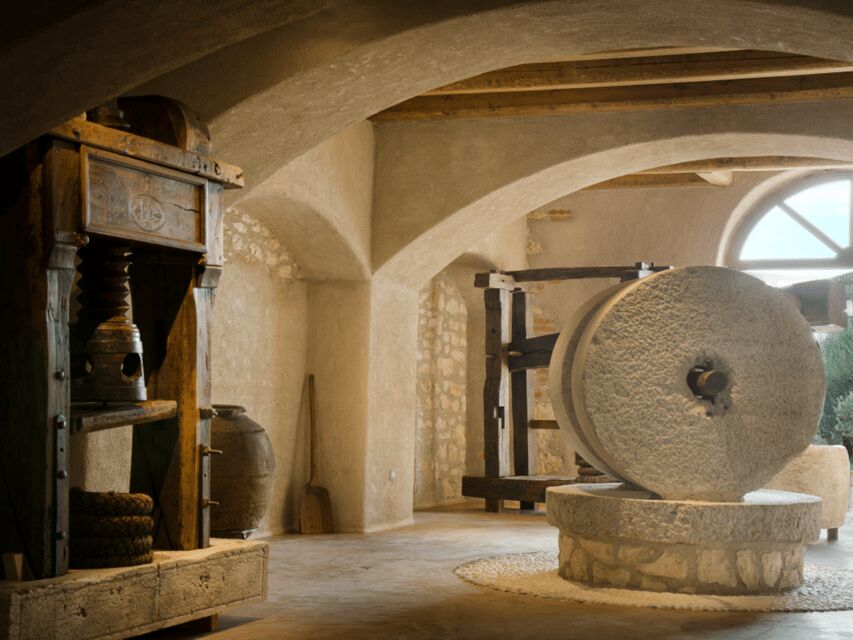
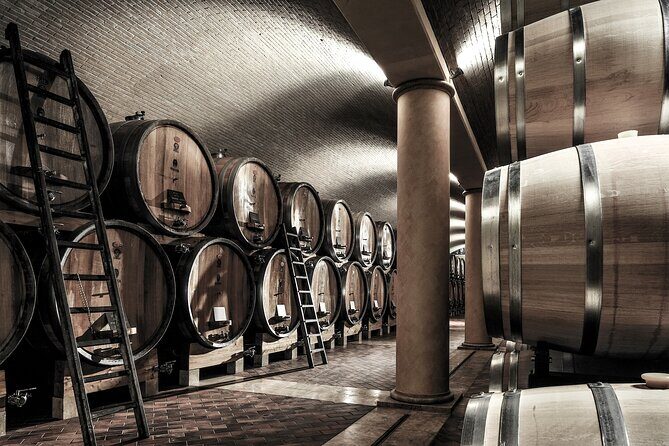
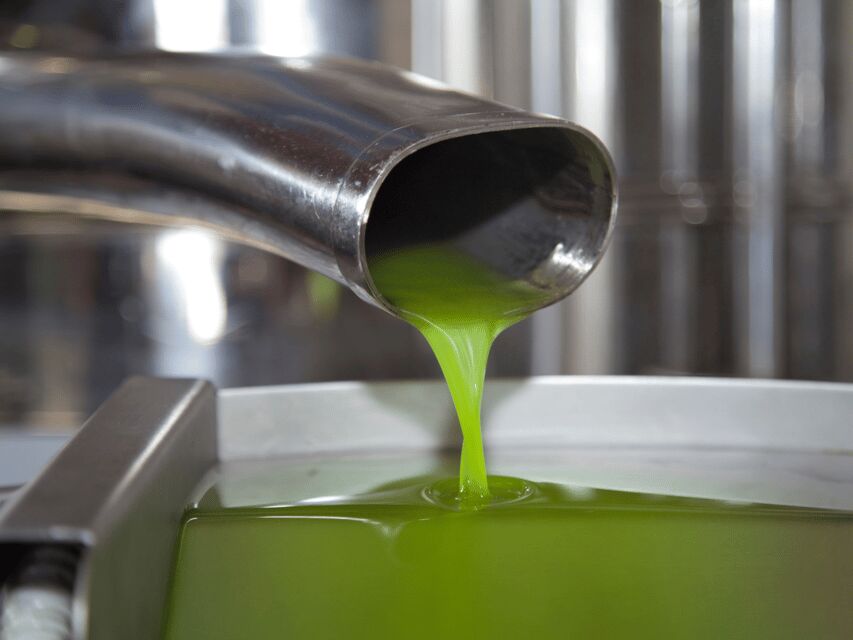
After the grove, you move into the main draw: the mill tour (about 30 minutes) at Frantoio Bonamini, described as a Frantoio 4.0. Translation: modern technology doing the job, while traditional craftsmanship and quality standards are still the goal.
What you’ll take away is the cause-and-effect chain. The guide explains how olives are processed and how extraction works, and you learn why extra virgin quality isn’t just luck—it’s about timing, handling, and careful control. You’re basically being taught how to “read” an olive oil label with your senses, not just your shopping instincts.
One of the most practical parts is how the mill handles sustainability. Instead of treating by-products like trash, the operation recycles them into valuable resources such as heating fuel and biomass. For you, that matters because it helps you understand that sustainability here is not a poster—it’s part of the production rhythm.
Bonamini museum: traditional oil making you can visualize
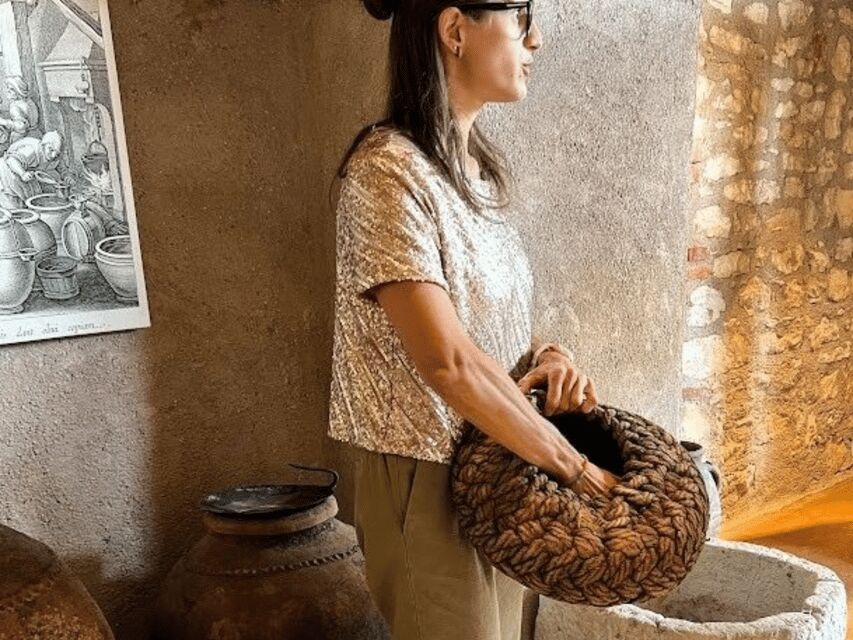
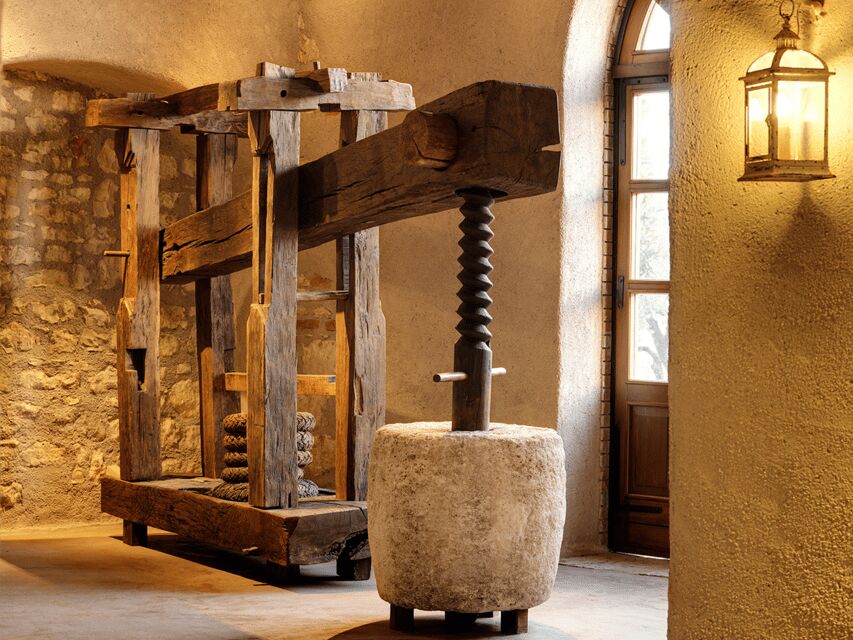
Right alongside the modern setup is the Bonamini family oil museum. This stop (part of the guided visit) adds a time-machine feel. You’ll see how olive oil production used to work with older methods, and you’ll notice what’s changed—and what has stayed constant.
This museum contrast is more than “nostalgia.” It helps you understand why modern steps exist. When you later taste and compare oils, you’ll get why things like processing method and quality control can shift flavor intensity, bitterness, and aroma.
If you like food history but hate museum lectures that wander, this format usually works well. You’re not just looking at artifacts; you’re connecting them to what your guide is currently showing you in the mill.
The tasting: learn three extra virgin oils like a pro
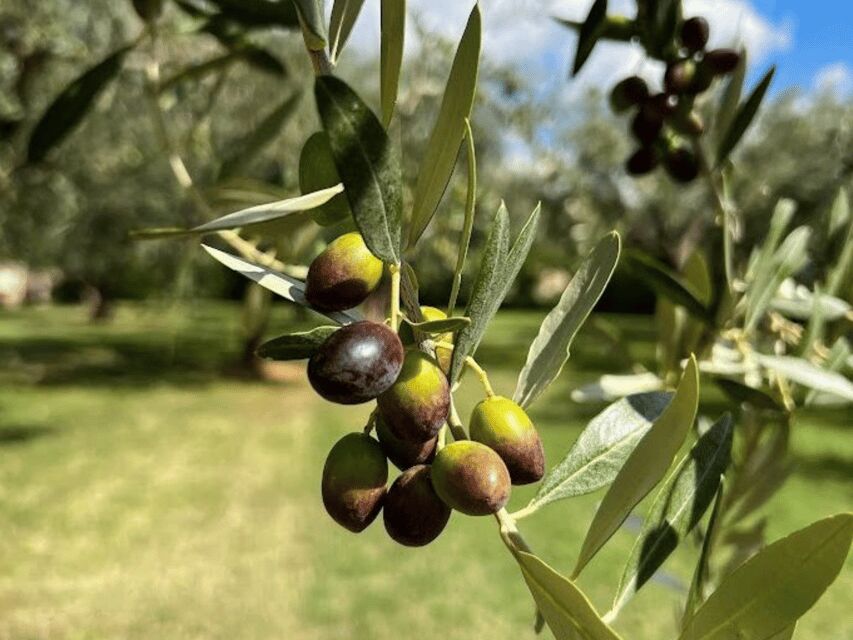
Now for the part that makes your ticket feel worth it: the tasting (about 45 minutes). You sample three premium extra virgin olive oils with expert guidance, then you pair the oils with traditional bites.
This is where the tour earns its reputation. The guide coaches you on how to taste properly—how to look for aroma, how to notice fruitiness versus bitterness, and how to identify what feels “fresh” or “sharp” in the oil. If you’ve ever thought you were bad at tasting wine, you’ll likely feel better here. Olive oil tasting is simpler than it looks once someone teaches you the steps.
A nice detail: you’re tasting oils tied to local character. The tour notes include the Grignano variety specifically, including the idea of delicate, fruity notes. Then you compare that against other regional oils that bring more robust or bold flavor.
Other food & drink experiences in Verona
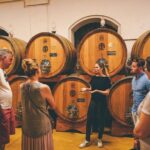
How to get the most out of your tasting
You don’t need a wine vocabulary. Focus on three things as you taste:
- Smell first, before you decide what you think you taste
- Notice fruit vs. bitterness vs. peppery bite
- Think about food pairing, not just “which one is best”
And since you get snacks paired with olive oil, you’ll also learn how the oils behave when they meet bread and other traditional bites. That’s the real-world info you’ll use at home when you’re choosing an oil for salads, vegetables, or finishing dishes.
Sustainability explained without the lecture
Olive oil sustainability can sound like marketing, but the mill tour gives it a concrete feel. You’ll hear how by-products—once treated like leftovers—are recycled into useful products such as heating fuel and biomass.
For you, the payoff is practical. When you see how the system turns by-products into energy, you can better judge what “sustainable” might mean beyond packaging claims. It also makes you more likely to buy olive oil from producers who manage resources thoughtfully, instead of just chasing the cheapest bottle.
Price and value: is $34 really fair?
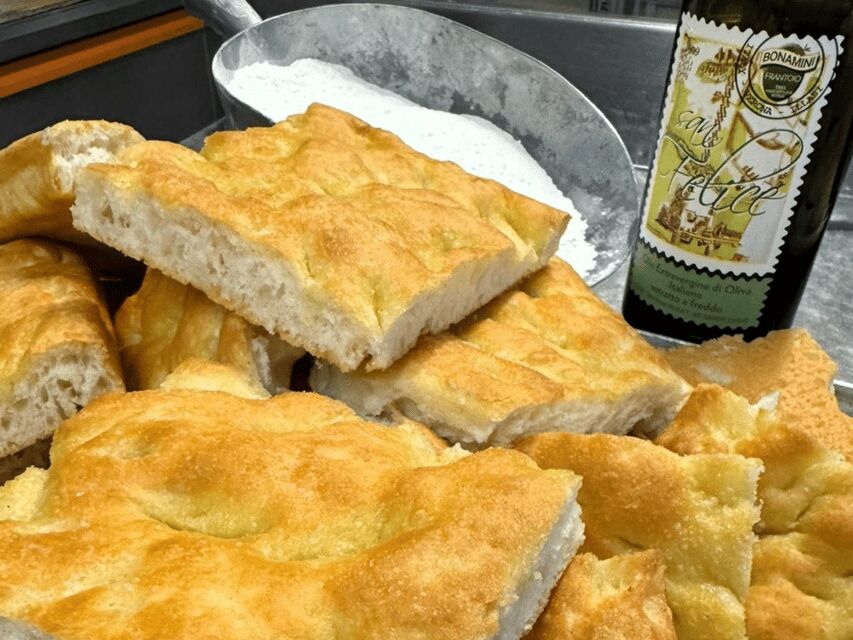
At $34 per person for about 1.5 hours, this is priced like a serious food experience, not a quick “look and leave” stop. What justifies the cost is that you’re getting multiple components in one place:
- a guided walk in the olive grove
- a guided tour of the Frantoio 4.0 mill
- a visit to the Bonamini family museum
- tasting three extra virgin oils
- paired local snacks plus water
- a live guide in English or Italian
In other words, you’re paying for instruction plus access. The tasting alone would be worth it for most people who want to learn how to choose good oil. Add the grove and museum, and the learning feels complete.
If you already know your olive oils and just want to sample quickly, you might find it slightly structured. But if you’re the type who enjoys understanding how food is made, it’s a good match for your time.
Timing, pacing, and how to plan your day
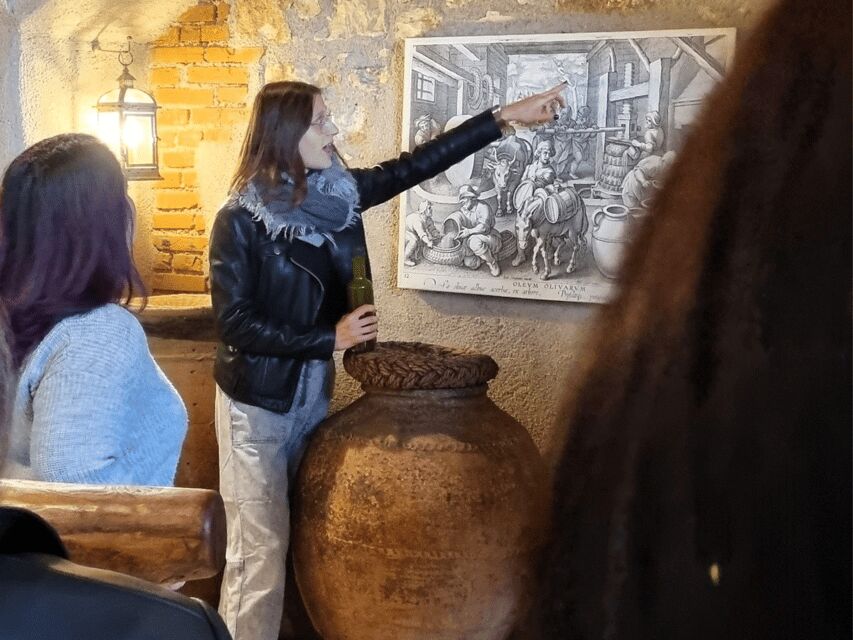
The structure is very straightforward: walk first, then guided mill tour, then the tasting stretch. That means you won’t spend half your time waiting around while the group shuffles from room to room.
One practical point: because transportation isn’t included, plan your Verona connection. If you’re using a car, you’ll likely want to arrive early enough to handle parking and getting directed to the exact entrance with the FRANTOIO BONAMINI signage.
Also, keep an eye on weather. The tour notes say that if rain or unsafe conditions show up, the olive grove access may be altered. I’d pack accordingly and accept that the day might be a bit more indoor-focused.
Who this works best for (and who should think twice)
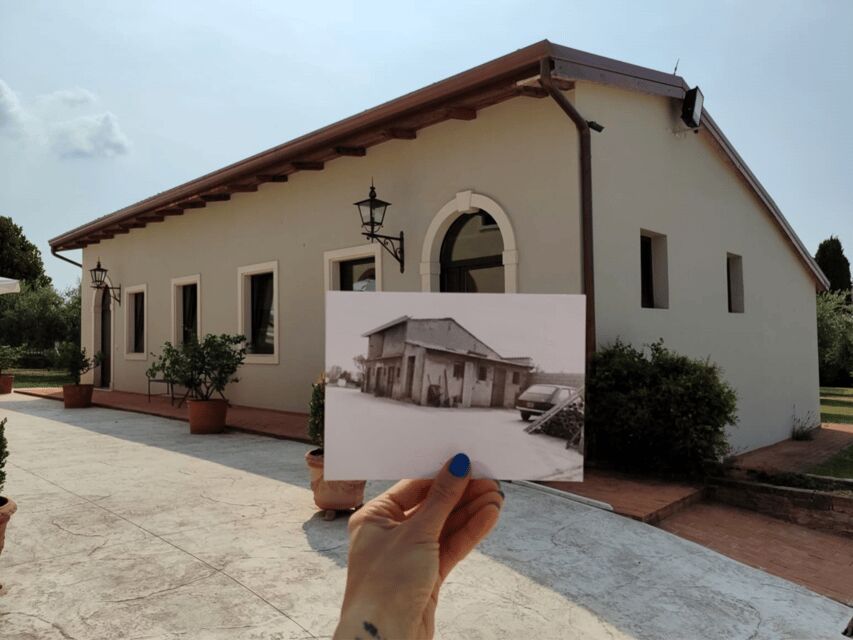
This tour is a strong fit if you want your Italy to feel real—connected to the land, production, and the flavors you’ll actually cook with. You’ll also get a lot from it if you enjoy learning sensory skills. The tasting guidance is a highlight, and I’d expect it to land well for couples and families alike.
It may not be the best choice if you need a fully smooth, wheelchair-friendly route. The information includes conflicting notes around wheelchair access versus not being suitable for wheelchair users, so the smart move is to contact the operator before booking if mobility is a concern. The grove walk is part of the experience, and that alone can affect usability.
The guide experience: the kind that makes tasting click
The quality of the guide matters here because you’re learning how to taste, not just sampling oil. One guide name that shows up in the experience is Rebecca (spelled as Rebe in one note). That’s a good sign—people remember the guidance, not just the product.
If your guide is strong, the tasting becomes a mini skill-building lesson. You’ll leave knowing what to look for and how to describe what you like, which makes buying at a shop or market less stressful.
Should you book this olive mill and tasting?
Yes, if you want a hands-on Verona-area experience that teaches you how extra virgin olive oil is made and how to taste it with confidence. The value is strong for the price because you’re not just touring—you’re tasting three oils with real guidance, plus you get snacks and water.
Skip or rethink it if you’re only after a quick farm stop with minimal walking, or if weather is likely to be rough and you’d strongly prefer the grove portion no matter what. And if mobility needs are part of your planning, check directly how the route will work for you before you commit.
If you’re coming to the Verona area and you care about food that tastes like something, not like a brand, this is a smart use of time—and one you’ll probably remember every time you cook with olive oil afterward.
FAQ
How long is the olive mill tour and tasting?
The experience lasts about 1.5 hours, with time for a short grove walk, a guided tour, and a tasting session.
What’s included in the ticket price?
You get a guided tour of the olive grove, a guided visit to the olive oil mill and museum, a tasting of three extra virgin olive oils, local snacks paired with the oils, water, and a live guide.
Where is the meeting point?
The activity is at Frantoio Bonamini in Illasi. You’ll find it by looking for the round stones marked FRANTOIO BONAMINI, then entering the gate and asking for the guide at the shop.
How far is it from Verona city center?
Illasi is about 30 minutes away by car from Verona.
Do they offer tours in English and Italian?
Yes. The live guide is available in English and Italian.
What happens if it rains?
If it rains or weather conditions don’t allow safe access to the olive grove, the olive grove walk may not be included as part of the tour.