REVIEW · VERONA
Guided Walking Tour on Verona Hillside
Book on Viator →Operated by Slow Travel Italia · Bookable on Viator
Verona looks different from the hills. This guided walk uses the steep streets around Ponte Pietra to deliver big views fast, while your guide strings together what you’re seeing with clear stories about the city. I especially like the panoramic lookouts and the way the route connects Roman ruins, church stops, and quiet corners into one easy-to-follow loop.
I also like that you get real guidance on what matters along the way, including foraging culture tips and practical pointers that make the climb less random. One thing to watch: this is uphill walking with moderate fitness needed, so on hot days you’ll want to plan for heat and water.
You’ll be out for about 2 hours with a small group (up to 10), and you’ll finish back near Ponte Pietra after a Roman Theatre photo moment.
In This Review
- Key highlights you should know
- Why the Verona Hillside Walk Works in Two Hours
- Meeting at Gastronomia Scapin 1935 and Starting Toward Ponte Pietra
- Ponte Pietra to Castel San Pietro: the View That Makes the Climb Worth It
- S. Giovanni in Valle and the On-Off Hidden Garden Stop
- Giardino Giusti: a Renaissance Garden View Without the Ticket Stress
- Parco delle Mura e dei Forti: Verona’s Defenses in Layers
- Castel San Pietro, Re Teodorico, and the Don Calabria Break
- Teatro Romano Photo Stop: Still in Use, Still Impressive
- What You Get for $41.40: Value That’s More Than a Scenic Walk
- What to Expect on the Ground: Pace, Timing, and Comfort
- Who This Tour Suits Best (and Who Might Skip It)
- Should You Book This Guided Verona Hillside Walk?
- FAQ
- How long is the guided walking tour on the Verona hillside?
- What language is the tour offered in?
- What is the price per person?
- Where do I meet for the tour?
- Where does the tour end?
- How large is the group?
- Is the tour suitable for everyone in terms of walking ability?
- Are admissions included for churches and gardens?
- Is there anything special included beyond the guided walk?
- Can I cancel and get a refund?
Key highlights you should know
- Uphill payoff from Ponte Pietra to Castel San Pietro: the views start early and keep getting better.
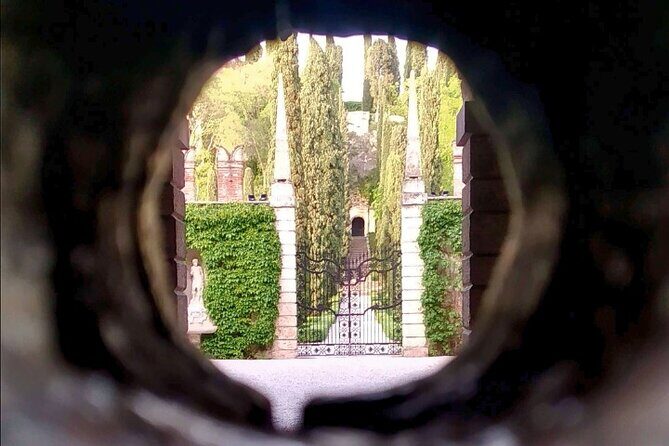
- Chance-based hidden garden time: you’ll stop near S. Giovanni in Valle, and a small garden access depends on whether it’s open.
- Giardino Giusti viewpoint without ticket pressure: you get the city panorama plus the garden’s Renaissance character from the route.
- Verona’s defensive walls in layers: the Parco delle Mura e dei Forti section shows how different kingdoms shaped the city.
- Castel San Pietro and the Re Teodorico area: you’ll pass the fortifications and learn how the stories fit together.
- Teatro Romano still in use: you get a photo stop with a theatre-like perspective.
Why the Verona Hillside Walk Works in Two Hours
This tour is built for people who want the Verona that sits above the postcard spots. Instead of spending your day in a single piazza, you climb into the hills and watch the city spread out below. That’s the main value here: the time-to-views ratio is strong.
You also get structure. Even when you’re just walking past buildings, the guide frames what you’re seeing—Roman references, religious sites, and defensive walls—so you’re not just collecting random sights. The group size is capped at 10, which helps the guide keep things moving and still answer questions.
The route also does a nice job of pacing. You’ll get steady uphill stretches, a few short stops (most around five minutes), and then an end stretch that feels like a reward. If you’re short on time, this is one of the better ways to get orientation fast without committing to a half-day hike.
Other Verona walking tours we've reviewed in Verona
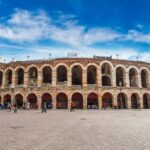

Meeting at Gastronomia Scapin 1935 and Starting Toward Ponte Pietra
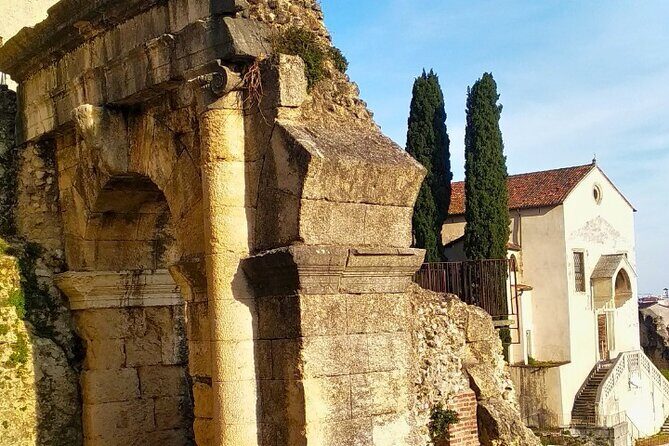
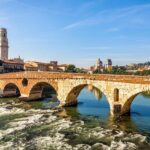
You meet at Gastronomia Scapin 1935 Stonebridge, Via Santo Stefano 12, Verona. From there, the walk heads to Ponte Pietra, which is where the itinerary properly kicks off.
This matters because Ponte Pietra is the natural anchor point for the whole hillside theme. You’re not guessing where the climb begins or how the streets connect. You start with a landmark, then the guide leads you upward in a way that feels intentional rather than wandering.
You finish back at Ponte Pietra. That makes logistics simple: you’re not trying to get across town at the end when your legs are already telling you to stop.
Ponte Pietra to Castel San Pietro: the View That Makes the Climb Worth It
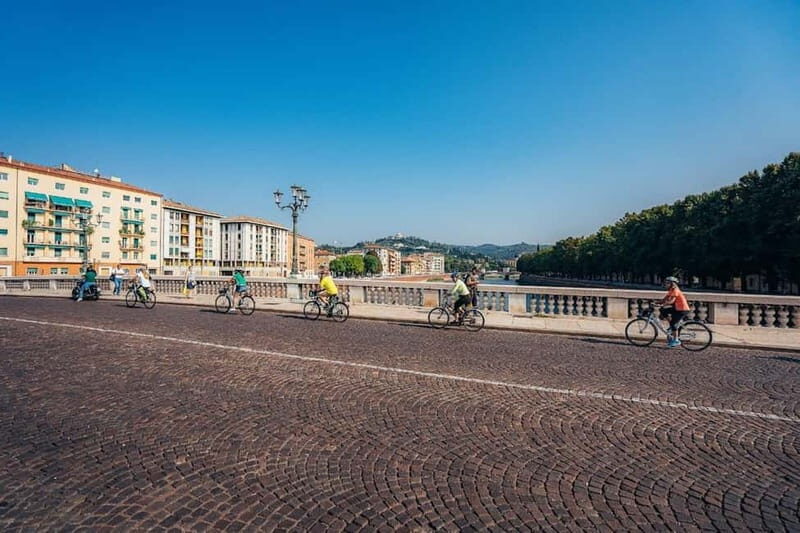
Stop one is Ponte Pietra, and the route takes you up toward Castel San Pietro. The key here is that the tour builds anticipation. You’re not waiting until the last minute for the payoff.
You’ll be moving through viewpoints while the guide talks about what you’re seeing—Roman references and places of worship—so the climb turns into a guided loop of context. If you’ve ever hiked somewhere new and felt like you were staring at stuff without knowing what it was, this is the antidote.
A practical note from the experience itself: it can get hot, especially if you’re doing this earlier in the day but still during warmer months. Bring water. On the hillside, there are also water points up the route, which helps, but you shouldn’t rely on them as your only plan. Wear shoes with grip and give yourself a steady pace.
S. Giovanni in Valle and the On-Off Hidden Garden Stop
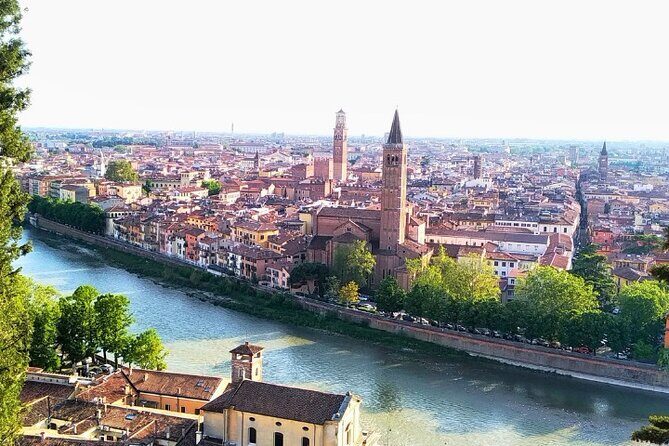
Next comes S. Giovanni in Valle. This is one of those stops that adds character because it’s tied to a specific kind of Verona—small, tucked-away, and a little mysterious.
You’ll walk by the church and then there’s a chance to stop near a hidden garden nearby, but access depends on whether it’s opened. That conditional piece is important: it means you should treat it like a bonus rather than a guaranteed moment.
Why it’s worth caring about anyway? Because it breaks the routine of just seeing famous landmarks from a distance. When the garden is open, you get a quieter pocket of the city that feels like you found it yourself—only you didn’t have to hunt.
If the garden isn’t open, you still keep moving and the guide will pivot to the next viewpoints, so the experience doesn’t stall.
Giardino Giusti: a Renaissance Garden View Without the Ticket Stress
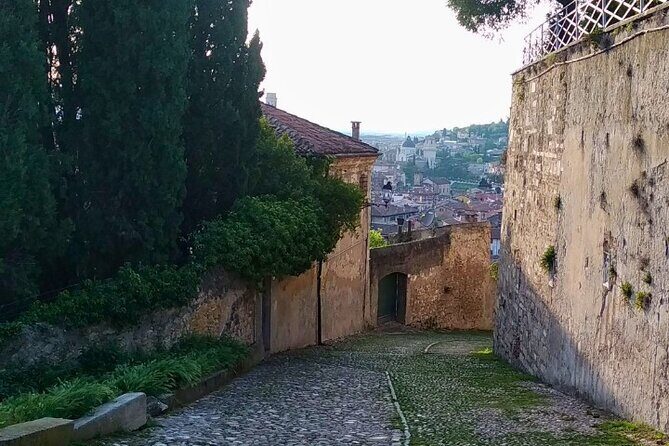
From there, the walk continues toward the Giardino Giusti area. The way the tour handles this is smart for time-crunched travelers: you get a panoramic view of Verona along with the garden’s presence in the scene.
The garden is known for Renaissance architecture, carefully maintained grounds, and fountains dating back to the 16th century. Even if you’re not paying to enter during this walk, the perspective can still feel rewarding because you’re seeing how the garden sits above the city.
One possible downside: since admissions aren’t included for this stop, you shouldn’t assume you’ll walk inside. Think of it as an outside reveal—an orientation moment that lets you decide later if you want to add an entry visit on another day.
This is also where the route starts to feel like a city map made of sightlines. The guide’s stories help you place what you’re seeing, which makes later independent sightseeing easier.
Other walking tours we've reviewed in Verona


Parco delle Mura e dei Forti: Verona’s Defenses in Layers
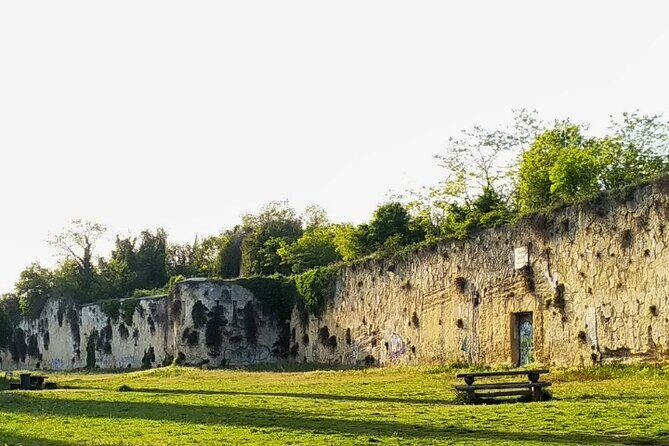
As you continue, you pass through Parco delle Mura e dei Forti. This is where the walk becomes more than scenery. You get Verona’s walls in a way that feels connected to real history instead of just old stone.
The emphasis here is on the layered nature of the fortifications—how different kingdoms ruled the town and left their mark. Even in a short walking segment, the walls can do something powerful: they show why the city is built the way it is and why certain areas sit where they do.
This stop works best if you slow down for the photo pauses and actually look at the structure. Walls aren’t just boundaries; they’re a clue system. The guide helps you read that clue system quickly.
Also, don’t underestimate how much the walls and hillside paths affect your effort level. Even though most of the stops are brief, the terrain adds up. Pace yourself.
Castel San Pietro, Re Teodorico, and the Don Calabria Break
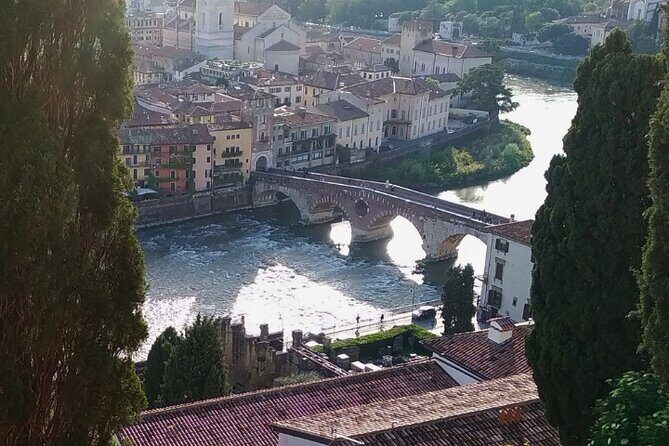
At higher altitude you reach Piazzale Castel San Pietro. You’ll pass the impressive Castel San Pietro and also hear about the medieval fortress area connected to Re Teodorico—described as hidden behind that fortification complex.
This is one of those parts where the walking tour format helps. You see enough to understand the area without committing to a longer visit. Then, if you want to return on your own, you’ll know where to go.
After that, you’ll walk along the ancient walls and reach Don Calabria, a convent-like stop where things calm down. This is your breathing space. It’s also a nice contrast after the fortification-focus segments, because it gives you a quiet place to reset your pace before the final viewpoint.
If your legs are getting heavy, this is exactly the moment to take it slow and let the guide’s explanation do some of the work for you. Short guided stops are easier to enjoy when you’re not trying to force the scenery while you’re tired.
Teatro Romano Photo Stop: Still in Use, Still Impressive
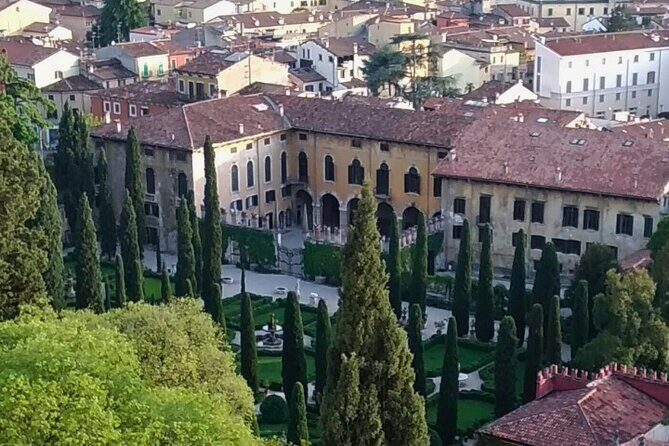
Near the end you’ll pass the Teatro Romano, the Roman theatre that’s still in use. That detail changes the feeling of this stop. You’re not just looking at ruins; you’re seeing a functioning site, which makes the architecture feel more immediate.
You’ll pause for photos and the guide will help you experience the view in a way similar to how a theatre attendant might see things—good for framing and angles. This is a smart payoff because you end with a “wow” that feels both historic and alive.
The timing is modest (about a 10-minute stop), so don’t expect a long museum-style segment. Instead, expect an image moment plus quick context that makes it easier to recognize what you’re looking at if you return later.
What You Get for $41.40: Value That’s More Than a Scenic Walk
At $41.40 per person for about two hours, you’re paying for guided context and a route that’s designed to connect several Verona themes in one go. This isn’t a ticket-heavy tour. Most stops don’t require you to purchase entry during the walk.
Included in the price:
- Two whole hours of guided touring and stories about Verona
- A chance at a hidden spot entrance in private gardens, but only if opened
- Tips and tricks about the foraging culture in town
That private-garden possibility is the big “value lever.” It turns the walk from a standard viewpoint circuit into something more special when conditions align.
You’ll also appreciate the group cap of 10 travelers. In places like this, smaller groups help keep the pace manageable and the explanations clear.
What’s not included:
- Entrance to churches and gardens
- Those stops are largely walk-by viewing moments unless a hidden garden opens during the conditional part
This is a good setup if you hate paying for entrances twice in a single day. It’s also ideal if you want to decide later which indoor sites you care about enough to add.
What to Expect on the Ground: Pace, Timing, and Comfort
Most stops are short—around five minutes—so the tour keeps you moving. That’s great for energy and good for your schedule, but it also means you should dress for movement and not for lingering.
Bring water, especially if the weather runs hot. Even with water points up the hillside, carrying your own bottle keeps you from guessing.
Moderate physical fitness is the requirement. This is an uphill walk with uneven stone and gradual grade changes. If you’re okay with a steady climb for a couple of hours, you’ll likely enjoy it. If you’re avoiding hills at all costs, this one may feel like work rather than fun.
Good news: the route is offered in English, and you get a mobile ticket, so you won’t spend time printing anything.
Who This Tour Suits Best (and Who Might Skip It)
I’d point you toward this guided hillside walk if:
- You want panoramic Verona without spending a full day on your feet
- You like history that’s explained in plain language while you’re moving
- You enjoy viewpoints, Roman references, and quiet corners more than indoor museum time
- You’d like practical cultural tips, including the foraging culture angle
You might consider skipping (or swapping for something flatter) if:
- Hills are difficult for you even at a moderate level
- You strongly prefer long stops inside churches or gardens, since entries aren’t included
- You don’t want a pace that keeps moving between multiple short stops
Also, it’s an easy fit for solo travelers and couples because the small group size keeps it social without turning into a crowd experience.
Should You Book This Guided Verona Hillside Walk?
Yes—if you’re craving the Verona above the main sights and you want a guide to connect the dots. This tour’s best part is the way it strings together viewpoints (Ponte Pietra, Castel San Pietro, theatre views) with story stops that make the city feel readable. The fact that it’s only about two hours is a huge advantage, especially if you have a morning window or time before travel.
I’d book it when:
- You want maximum scenery per hour
- You’re fine with a moderate uphill walk
- You’d enjoy a possible private garden moment if it’s open
I’d hold off if you’re expecting guaranteed garden or church entry. This is a walk-and-look experience, with a few conditional extras. When those extras work out, the value jumps. When they don’t, you still get a well-planned hillside circuit with a strong final photo stop at the Teatro Romano.
FAQ
How long is the guided walking tour on the Verona hillside?
It’s approximately 2 hours.
What language is the tour offered in?
The tour is offered in English.
What is the price per person?
The price is $41.40 per person.
Where do I meet for the tour?
You meet at Gastronomia Scapin 1935 Stonebridge, Via Santo Stefano 12, 37129 Verona VR, Italy.
Where does the tour end?
The tour ends at Ponte Pietra, 37121 Verona, VR, Italy.
How large is the group?
The tour has a maximum of 10 travelers.
Is the tour suitable for everyone in terms of walking ability?
The tour calls for a moderate physical fitness level.
Are admissions included for churches and gardens?
No. Entrances to churches and gardens are not included, and the itinerary notes that you will pass by as you walk.
Is there anything special included beyond the guided walk?
Yes. The tour includes a chance for hidden spot entrance in private gardens if they are opened, plus tips and tricks about foraging culture in town.
Can I cancel and get a refund?
Yes. You can cancel for free up to 24 hours in advance for a full refund.