REVIEW · VERONA
Boutique Winery Tour & Tasting in Valpolicella
Book on GetYourGuide →Operated by Slow Travel · Bookable on GetYourGuide
Barrels, cheese, and cinema art in Valpolicella. This Cantina Montecariano tour mixes a short vineyard walk with a guided cellar circuit and a tasting of 4 iconic wines paired with local cheeses and cured meats, so you actually taste what all that work becomes. I also like how they explain cultivation and aging methods like Pergola Veronese and oak/wood barrels in plain language. The only thing to watch is that in rain, the vineyard walk may not happen.
Plan on about 90 minutes total in Montecariano, around a 20-minute drive from Verona. The guide handles both English and Italian, and the experience is marked wheelchair accessible, which matters in wine country.
You’ll want comfortable shoes and a camera. This visit isn’t listed as suitable for pregnant women, and transportation to the winery isn’t included—so build that into your day.
In This Review
- Key points worth knowing before you go
- Cantina Montecariano: 90 minutes of Valpolicella craft
- Getting to Montecariano and what the timing feels like
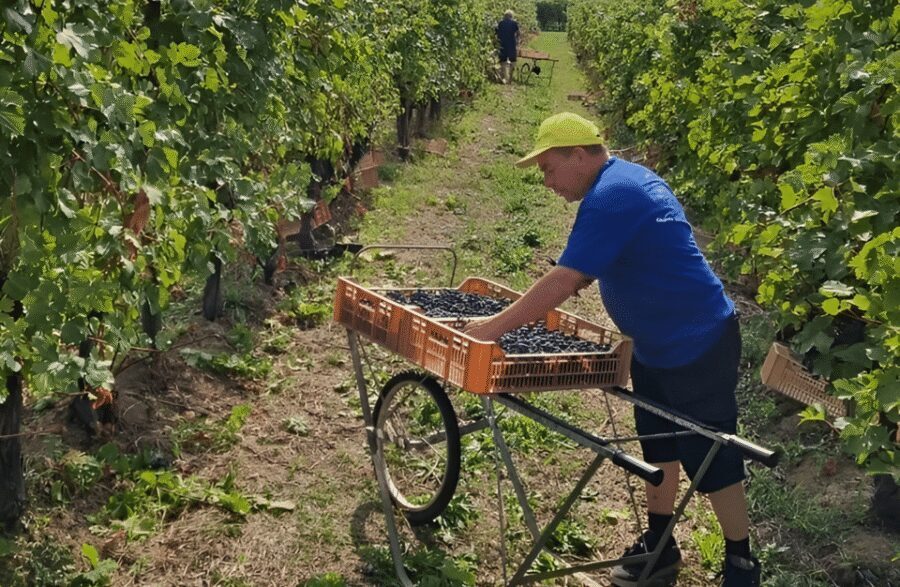
- Vineyard walk: Pergola Veronese and Guyot systems in the field
- Fruit cellar and barrel room: how wood changes the glass
- The tasting lineup in San Pietro in Cariano: 4 wines + food pairing
- Price, value, and what’s not included
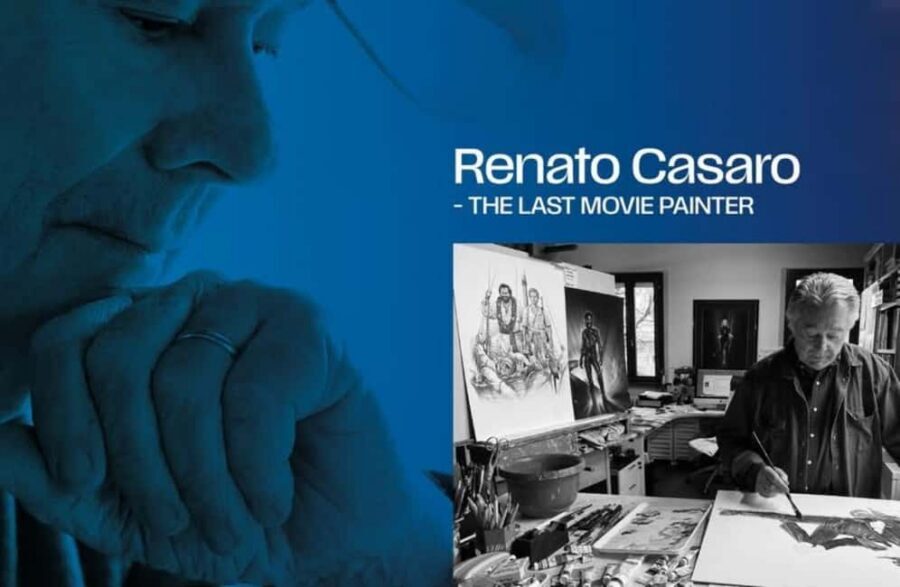
- Renato Casaro movie poster museum: the summer bonus until July
- Should you book this Cantina Tour?
Key points worth knowing before you go
- A tight 1.5-hour format that still covers vineyards, the fruit cellar, and the aging barrel room
- Four Valpolicella wines, fully paired with local cheeses and cured meats
- Pergola Veronese + Guyot explained on the ground (not just in a lecture)
- Barrels are treated like flavor tools, with attention to how wood affects the wine
- You may meet an owner-guide such as Marco or Carlo, based on past tours
- Summer extra option: a Renato Casaro vintage movie poster museum (until July)
Cantina Montecariano: 90 minutes of Valpolicella craft

This is a smart choice if you want a Valpolicella tasting that feels hands-on. You’re not just sampling wines and moving on. You’re walked through the place where the grapes grow, where the fruit gets handled, and where aging happens—so each glass connects to a step in the process.
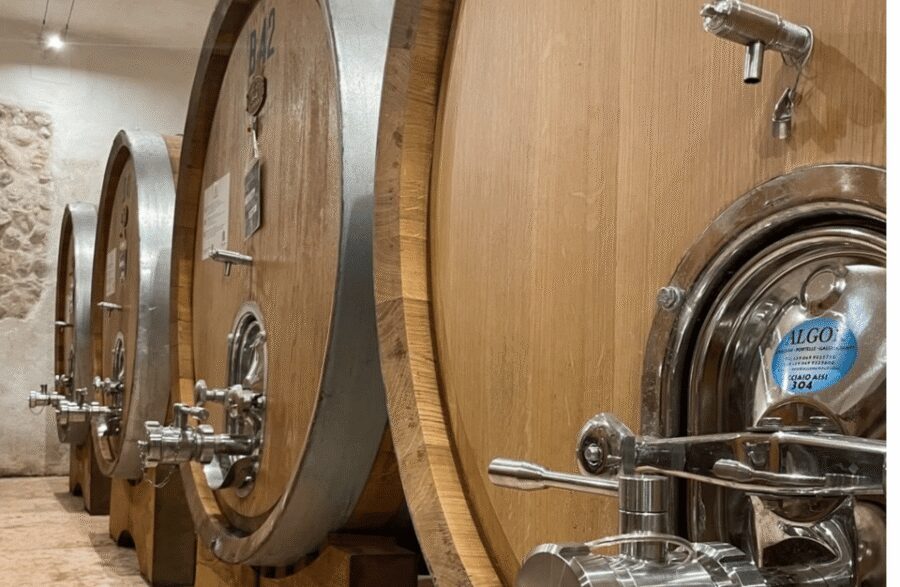
I especially like the way the tour treats the cellar as a real workspace. You’ll see the fruit cellar and spend time in the aging barrels area, where the guide talks about why barrels matter and how different materials contribute to flavors. That makes the tasting more meaningful, even if you’re new to wine.
And then comes the part that really sells the value: four wines paired with local cheeses and cured meats. Wine tastes are easy to “pass through” if there’s no food. Here, the pairing helps you notice differences between styles and shapes of flavors.
One more perk: in summer (available until July), you can tack on a cultural stop at a movie poster art museum created by Renato Casaro, the last movie painter. If you like cinema nostalgia, it’s a fun shift from grapes and oak.
Other Valpolicella wine tours in Verona

Getting to Montecariano and what the timing feels like

Your meeting point is at Montecariano – Azienda Agricola – Cantina Vini, very close to the village (listed as less than one minute from town). From Verona, the drive time is about 20 minutes.
Transportation is not included, which is the main logistics catch. If you’re staying in Verona city, plan how you’ll get there and back (car, taxi, or whatever transport you use in Italy). The good news is that the area is close to Montecariano village, so you’re not commuting across half the region.
The tour runs about 1.5 hours. In practice, time can flex a bit because you’re doing a guided walk plus cellar stops plus a full tasting session. So I’d give yourself a small buffer for your afternoon plans.
Language is another practical plus: you get live guidance in English and Italian, which helps a lot when you’re asking questions mid-walk.
And because the vineyard walk can be removed in bad weather, it’s worth wearing shoes you don’t mind getting a little dusty. When it’s wet, vineyards aren’t exactly showroom conditions.
Vineyard walk: Pergola Veronese and Guyot systems in the field

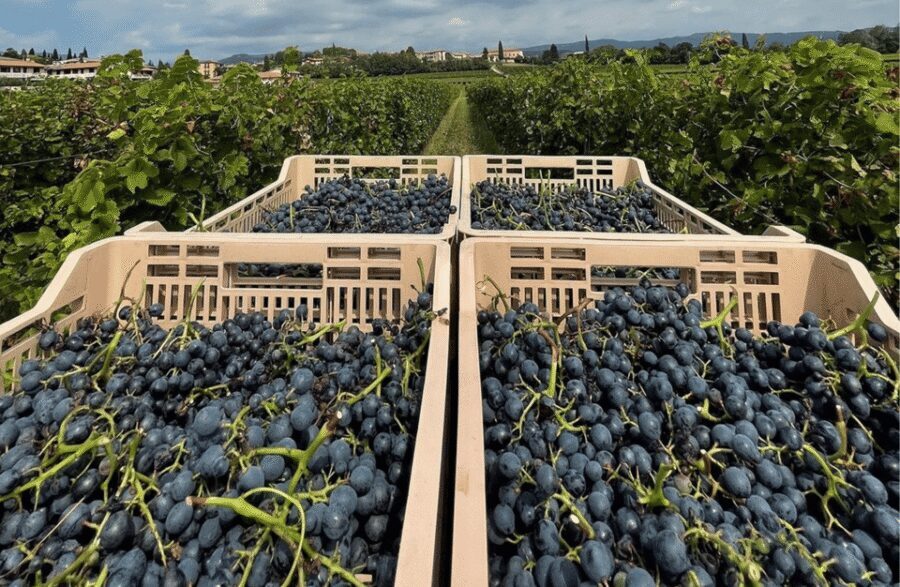
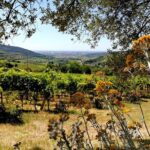
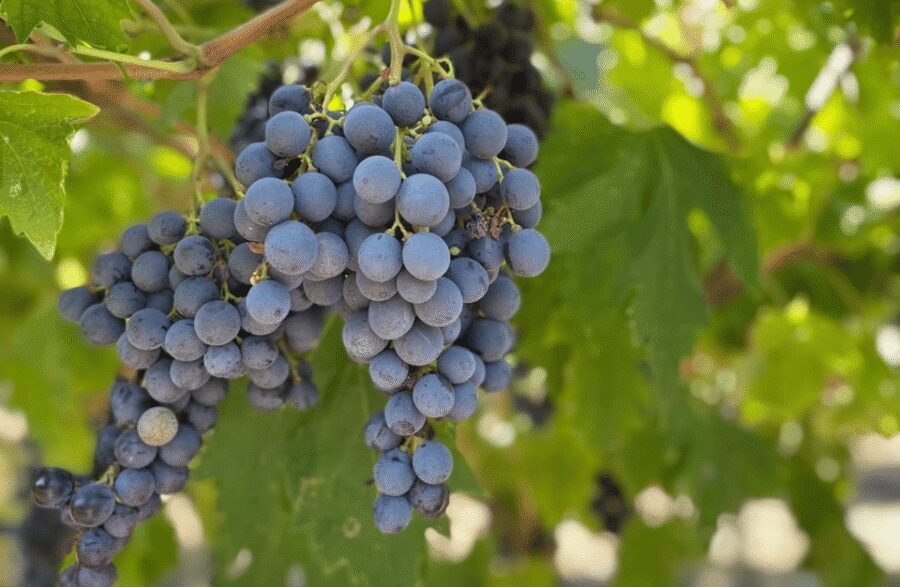
The experience begins with a short vineyard walk—listed at about 10 minutes. It’s not a long hike, so don’t treat it like a nature trek. Think of it as a quick orientation to how the vines are trained and cared for.
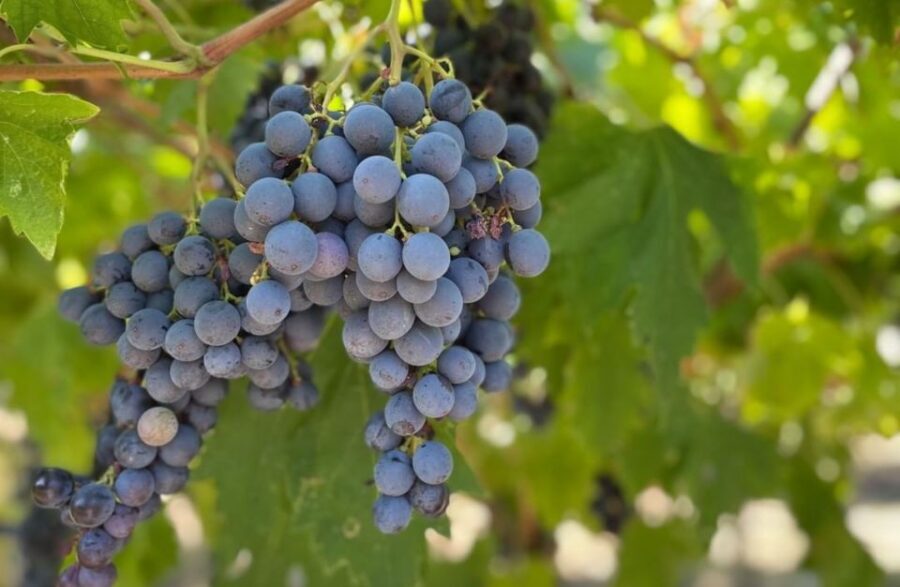
The tour spotlights Pergola Veronese, a traditional approach that’s closely tied to the Valpolicella identity. You’ll also hear about the Guyot system, which gives you a sense that growers can choose different training styles depending on the vineyard’s needs and the winemaker’s goals.
Why this matters for you as a wine drinker: grape cultivation affects how the fruit ripens, how grapes are exposed to sun, and how the final wine balances structure and fruit. Even if you don’t remember every term afterward, you’ll start to connect viticulture choices to what ends up in the glass.
A small, useful consideration: this vineyard walk might be skipped in rain or adverse weather. If you’re booking specifically for vineyard access, it’s smart to check the day’s conditions when you can.
Fruit cellar and barrel room: how wood changes the glass
After the vineyard intro, the tour moves into the cellar side of the operation. You’ll get a guided tour portion (listed at about 20 minutes) that includes the fruit cellar and then time around aging barrels.
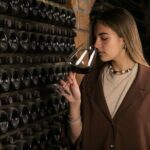
This is where the tasting becomes more than a lineup. The guide explains how fermentation happens in steel tanks and then the wine spends time aging in oak and wooden barrels. You should expect a practical explanation of how those materials influence character—things like texture, warmth, and how flavors settle over time.
The barrel room segment is also where they emphasize that each barrel adds a unique influence. That’s a key concept for understanding why two bottles from the same region can taste different in personality. Even if you don’t start naming flavors like a sommelier, you’ll notice the difference once you’re cued on what to pay attention to.
Also, this tour doesn’t treat the cellar like a museum. It’s an active, working environment. That tone makes the experience feel approachable.
One more practical note: wear comfy shoes. Cellar floors can be uneven, and you’ll be standing and walking a bit while the guide answers questions.
The tasting lineup in San Pietro in Cariano: 4 wines + food pairing
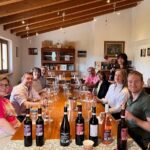
The tasting is the heart of the visit, lasting about one hour. It takes place in San Pietro in Cariano, and you’ll go through four wines that map nicely onto Valpolicella’s main identities.
Here’s the order you should expect:
- Valpolicella Classico
- Valpolicella Superiore
- Amarone Riserva
- Amandorlato, the passito finish made by raisining grapes
Starting with the classics and moving toward the passito-style wine is a smart arc. You get a progression in style rather than four random tastes. It also helps you reset your palate as the intensity changes.
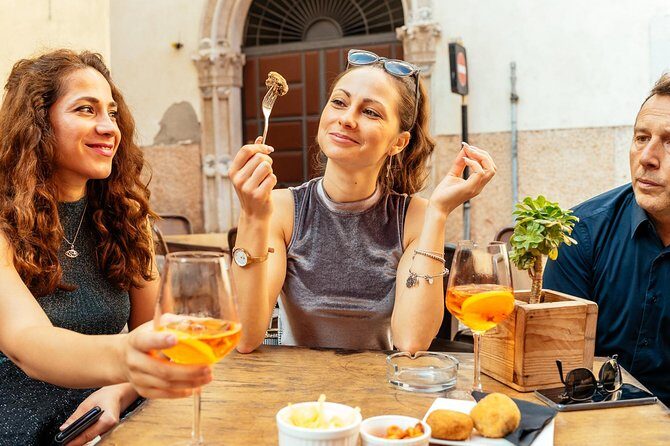
The pairing is also part of why this works. You’ll taste with local cheeses and cured meats, which give you salt, fat, and savory structure. That makes the wine’s acidity and richness easier to read. When you match red wine with cured meats, your mouth learns faster. You stop thinking in abstract and start thinking in balance.
If you’re picky about guides, here’s what I’d look for: in past tours, the host has included owners like Marco and Carlo, and they tend to be hands-on about explaining the wine process—not just reciting facts. So if you ask questions, you’re likely to get real answers.
And if you’re shopping after tasting: the tour is designed for enjoyment, and many people leave with bottles. That’s not a sales pitch; it’s just how a tasting becomes useful when you understand what you liked and why.
Other vineyard and winery tours in Verona
Price, value, and what’s not included
At $69 per person for about 1.5 hours, the value depends on your transport situation and your style of touring.
What you’re paying for:
- Vineyard walk (short, but real context)
- Fruit cellar + guided cellar/aging barrel time
- Four wine tastings
- Cheese and cured meat pairings
- Live guide in English and Italian
What you’re not paying for:
- Transportation to and from the winery
If you’re already in the Valpolicella area (or you can handle local transport easily), this price starts to look very fair. You’re essentially buying a guided “from vine to barrel” experience plus a structured tasting with food.
If you’re coming from Verona and will need a taxi both ways, factor that in. The tour still might be worth it—just don’t let the headline price be the only number you look at.
Also, bring yourself mentally to a tasting pace that’s more thoughtful than rushed. This isn’t a quick sip-and-go bar crawl. It’s short, but it’s guided.
Renato Casaro movie poster museum: the summer bonus until July
From now until July, you can add a cultural stop after your wine time: a museum of vintage movie posters created by Renato Casaro, described as the last movie painter. The collection focuses on posters from the 1960s to the 1990s.
This is a genuinely good add-on if you’re the kind of person who likes mixing themes on the same day. One moment you’re thinking about grape training systems; the next you’re looking at cinema nostalgia and how poster art captures an era.
Just note the museum is an extra that’s available in summer. If you book outside that window, you’re still getting the wine and cellar experience, but not the poster museum.
Should you book this Cantina Tour?
Book it if you want:
- A structured tasting with food, not just four pours
- A guide who explains how viticulture and aging connect
- A focused 90-minute plan that fits into a Verona or Valpolicella itinerary
Skip it (or be cautious) if:
- You’re counting on the vineyard walk and you’re traveling during rainy weather (it may be removed)
- You need transportation included in the price
- You’re not able to join the walk portion; it’s marked not suitable for pregnant women
If your goal is to taste Valpolicella with context—vineyard to fruit cellar to barrels—this is one of the more practical ways to do it without taking over your whole day.