REVIEW · VERONA
Museo Nicolis Verona
Book on Viator →Operated by Museo Nicolis · Bookable on Viator
Cars turn into storytelling here. The Museo Nicolis is a self-paced, 2-hour walk packed with rare automotive tech, and I love how close you can get to Formula 1 racecars while the collections mix vehicles with surprising items like cameras and typewriters. One possible drawback: there’s no guided narration, so you’ll be reading the displays on your own.
Founded in 2000 by Luciano Nicolis, this museum is designed for people who like mechanics as much as aesthetics. You’ll enter at V.le Postumia, 71, 37069 Villafranca di Verona VR, and the experience ends back at the same meeting point, making it easy to plan the rest of your day around it.
In This Review
- Key things to notice before you go
- Museo Nicolis: why this car museum is fun even if you’re not obsessed
- Price and time: what $16.90 buys you (and what it doesn’t)
- Entering the museum: plan your route around what you like most
- What you’ll see across the museum collections (cars, tech, and surprises)
- Formula 1 up close: steering wheels and racecar energy
- Rare two-wheel history: bicycles, motorcycles, and the 1882 gas milestone
- Airplanes, military objects, and why this museum isn’t just about speed
- Cameras, typewriters, and instruments: the human side of technology
- How to make the most of a 2-hour self-paced visit
- Who should book Museo Nicolis (and who should think twice)
- Should you book the Museo Nicolis visit?
- FAQ
- How long is the Museo Nicolis Verona visit?
- What does the ticket cost?
- Is a guided tour included?
- What is included with admission?
- Where do I meet for the experience?
- Is this a private activity?
- Can children join?
Key things to notice before you go
- Self-paced visit time gives you control to linger with the parts you enjoy
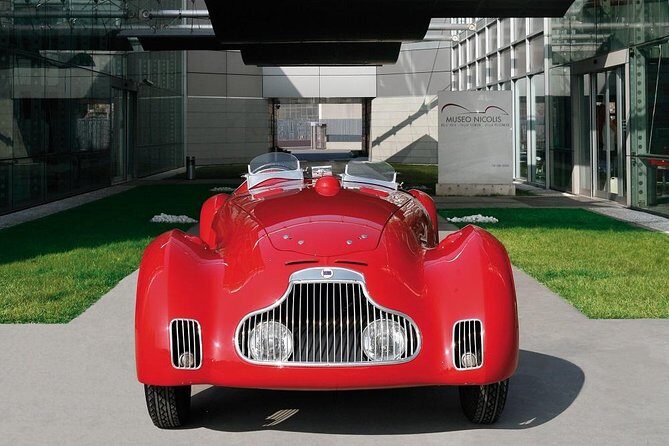
- Formula 1 racecars and lots of steering wheels bring motor-sport history into sharp focus
- Over 1,000 objects across multiple themed collections makes this more than a single-collection museum
- Big mix of categories includes cars and motorcycles, plus tech and everyday artifacts
- Standout rare piece: the museum highlights the first motorcycle to run on gas from 1882
- No guided tour included, so plan to enjoy reading signage at your own speed
Museo Nicolis: why this car museum is fun even if you’re not obsessed
Museo Nicolis is not your standard “cars behind glass” stop. It’s a technical and mechanical museum built around the idea that cars, motorcycles, and machines changed how humans handle distance in both time and space. That theme matters because it helps you connect the objects, not just admire them as trophies.
I like the balance here: yes, you get the classic attraction of old vehicles and mechanical engineering. But you also get a smart side-door into technology culture through items that feel more personal and unexpected, like typewriters and computers and even musical instruments. It makes the museum feel like a thinking person’s garage, not just a showroom.
The “watch your interests” vibe is real. If you’re a car person, you’ll grin a lot. If you’re more of a general museum visitor, the offbeat objects are your entry point, and the vehicles keep pulling you back in.
Other Palazzo Maffei and museum tours in Verona


Price and time: what $16.90 buys you (and what it doesn’t)
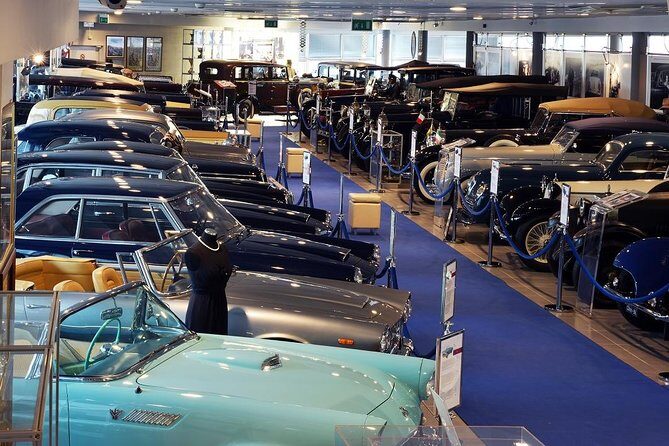
At $16.90 per person for about 2 hours, this is priced like a solid attraction, not a big-day budget buster. The key value is that you’re not just paying for one room or one theme. The ticket covers an admission-style visit through multiple collections, plus a motor-sport extra: 100 F1 steering wheels for 100 cars.
What you should know up front: this is private for your group, but it’s not a guided tour. That means you won’t have a guide explaining the engineering story out loud. If you love expert narration, you may want to pair this with another stop that offers commentary. If you prefer to explore quietly and at your pace, this works well.
Also, it’s worth planning for a full, focused 2-hour block. This isn’t a quick peek museum. The object density is part of the charm, especially if you like spotting details and cross-referencing displays as you move.
Entering the museum: plan your route around what you like most
Your visit centers on one main stop: the Museo Nicolis itself. You’ll meet at V.le Postumia, 71 in Villafranca di Verona and finish back at that same point. That makes the day easy to organize: no complicated route changes, no wandering across town to find the next bus stop.
Since you’re on your own time, start with a simple strategy. If you’re here primarily for racecars and bikes, head there early so you’re not rushing later. If you like the “technology and everyday objects” angle, you’ll probably enjoy doing those sections once you’ve built momentum from the vehicle rooms.
A self-paced visit is also good for spacing your attention. You’ll likely hit a wall of detail if you treat everything the same. Instead, pick a couple of themes you care about most and let the rest be pleasant surprises.
What you’ll see across the museum collections (cars, tech, and surprises)
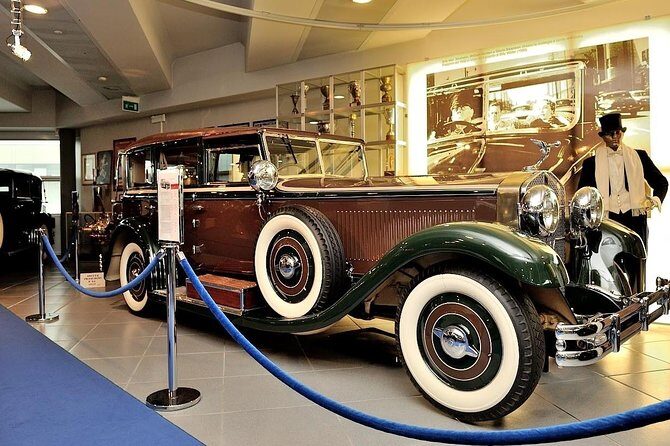
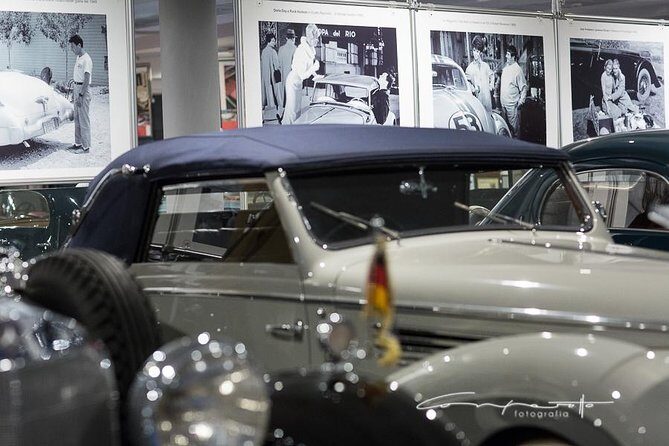
The museum is built around 8 collections totaling over 1,000 objects, with displays organized by themed categories. The main categories include automobiles, motorcycles, bicycles, airplanes, musical instruments, cameras, and typewriters or computers—plus motors, racecars, and military objects.
That list is the point. Museo Nicolis makes a case that machines aren’t just vehicles. They’re part of culture—how people communicate, entertain themselves, fight, travel, and build a future out of metal and motion.
Here are the kinds of things you can expect to notice as you move through the collections:
- Vehicles as engineering stories: you’re looking at designs made for performance, reliability, and real-world constraints.
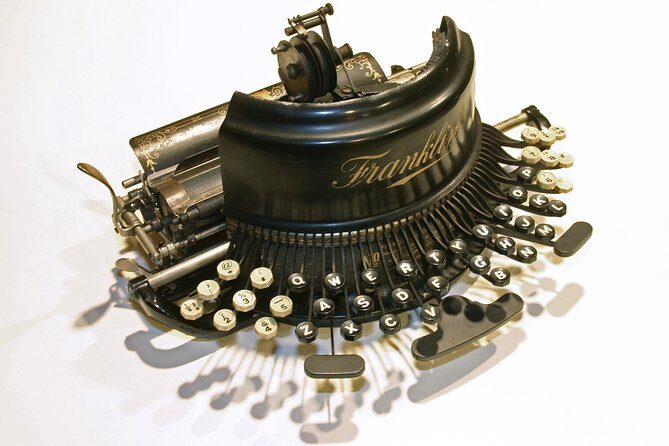
- Tech “side quests”: cameras and typewriters/computers shift your view from wheels to systems, showing how design thinking travels across fields.
- Hard-to-find history: the museum highlights rare milestones, including the first motorcycle to run on gas from 1882.
Even if your knowledge is casual, the museum format helps. You don’t need to be an engineer to appreciate what’s different about older machinery. The displays invite you to compare how each era solved problems—power, control, steering, materials, and mobility.
One practical tip: wear comfortable shoes. This place is dense. If you’re hopping from display to display without resting your feet, the experience can start to feel like homework instead of pleasure.
Formula 1 up close: steering wheels and racecar energy
If you’re a motorsport fan, this is where the museum earns its hype. The included experience covers 100 F1 steering wheels tied to 100 cars, giving you a big, tangible way to understand Formula 1 as a machine sport—not just a TV spectacle.
Steering wheels are a genius choice for a collection like this. They’re intimate. They’re also mechanical. You can’t help but connect the design to driving feel, control layout, and the era’s approach to performance engineering.
Then you have the rare racecars themselves. Seeing Formula 1 racecars up close changes the vibe instantly. Photos flatten details. Up close, you notice proportions, materials, and how the cars are built for speed rather than comfort.
If you’re going with someone who doesn’t care about cars, this section is often a peace treaty. It’s visually intense and easy to understand even without technical background.


Rare two-wheel history: bicycles, motorcycles, and the 1882 gas milestone
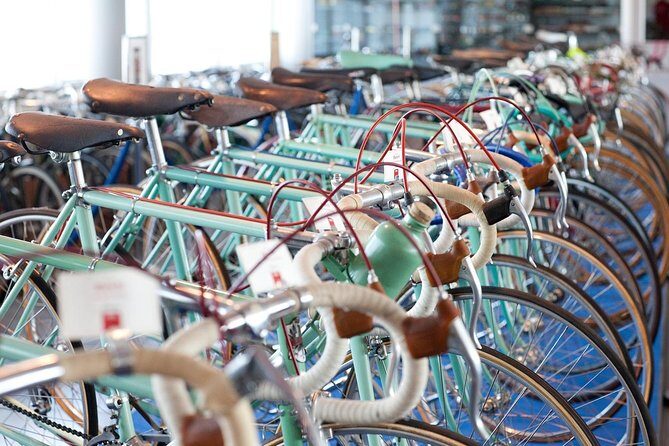
Old motorcycles can be surprisingly emotional. They look like future inventions that somehow got trapped in the past. At Museo Nicolis, the motorcycle section isn’t just about style; it’s about milestones—especially the museum’s highlight of the first motorcycle to run on gas from 1882.
That detail matters because it gives you a specific “before and after” moment. You’re not only looking at a machine; you’re looking at the start of a whole way of powering travel.
The museum also includes bicycles, which can be a great mental reset between the heavier, faster-feeling vehicle rooms. Bikes slow you down visually and help you compare the concept of mobility across very different power sources and engineering priorities.
If you like tinkering, take an extra moment here. The smaller scale can make the design choices easier to spot.
Airplanes, military objects, and why this museum isn’t just about speed
Museums that focus only on luxury or only on racing can feel one-note. Museo Nicolis avoids that by mixing in themes like airplanes and military objects, along with other motorsport and mechanical categories.
Airplanes broaden the “distance” theme fast. Suddenly, you’re not just solving road travel. You’re solving altitude, control, and the physics of flight. Even if you don’t know model names, the visual language of aircraft engineering is unmistakable.
Military items add a different kind of context. They remind you that many mechanical advances come from pressure—needs created by conflict and the demand to move, protect, and operate under tough conditions. This doesn’t require you to like war; it’s just a realistic lens on how machinery evolves.
I like having these sections because they keep the museum from turning into a single obsession. Even if your personal entry point is cars, the museum keeps nudging you to think bigger: machines as tools for history.
Cameras, typewriters, and instruments: the human side of technology
The most charming part of Museo Nicolis for many visitors is the “wait, what?” factor—when you expect cars and you find objects that belong to daily life.
You’ll see musical instruments, cameras, and typewriters/computers. This is a strong reminder that the museum isn’t only about transportation. It’s about how people build systems to express themselves and make work possible.
Cameras can be especially interesting because they sit at the junction of technology and storytelling. Typewriters and early computers connect to information flow and the evolution of tools that shaped business and communication. Musical instruments add emotion to the mix, and that contrast can be refreshing after mechanical-heavy rooms.
Even if you’re not sure what you’re looking at, take a couple of minutes with these display areas. The museum’s strength is letting you notice patterns across categories: materials, design intent, and how older technology carried personality.
How to make the most of a 2-hour self-paced visit
You don’t need a complicated plan, but you do need a light one. With a 2-hour time frame, your goal is to spend your attention where it pays off.
Here’s a practical approach that works for most people:
- Start with your must-see theme (racecars and steering wheels, or motorcycles and milestones).
- Scan the rest quickly first, so you understand where the collections are.
- Then return for the details you want to linger on.
Because this is self-paced, you control how much you read. If you like text and context, take it slow. If you prefer visual browsing, you can keep moving and still get a rewarding experience.
Also, bring your curiosity. The museum rewards that. You’ll probably find connections between categories even when they don’t scream at you. That’s the real value of mixing objects: it trains your eyes to compare.
Who should book Museo Nicolis (and who should think twice)
Book this visit if you:
- enjoy cars and motorcycles, especially rare pieces
- like motorsport details, particularly Formula 1 themes
- want a museum that includes unexpected items like cameras and typewriters
- prefer exploring at your own pace (since there’s no guided tour)
Think twice if you:
- want a spoken, expert-led explanation throughout
- need a highly structured route with fixed stops and timing
The lack of a guide isn’t a dealbreaker. It just changes the experience style. This is for people who are happy to be their own curator for a couple of hours.
Should you book the Museo Nicolis visit?
I’d book it if your idea of a great travel stop includes both vehicles and offbeat technology artifacts. For $16.90 and around 2 hours, you get a lot of object density, strong Formula 1 content, and a museum layout that keeps pulling you into new topics.
If you hate self-paced museums or you require narration to connect the dots, you may get more satisfaction elsewhere. But for most people who like mechanical design, race history, and the human side of technology, Museo Nicolis is an easy yes.
FAQ
How long is the Museo Nicolis Verona visit?
It’s about 2 hours.
What does the ticket cost?
The price is $16.90 per person.
Is a guided tour included?
No. A guided tour is not included, and you explore at your own pace.
What is included with admission?
Your admission includes a visit of the museum collections and 100 F1 steering wheels for 100 cars.
Where do I meet for the experience?
The meeting point is V.le Postumia, 71, 37069 Villafranca di Verona VR, Italy, and the activity ends back at the same meeting point.
Is this a private activity?
Yes, it’s private. Only your group participates.
Can children join?
Children must be accompanied by an adult.
If you’d like, tell me what you’re most interested in—Formula 1, old bikes, cameras/typewriters, or military/aircraft—and I’ll suggest how to prioritize your 2 hours.