REVIEW · VERONA
3-Hour Walking Tour with Guide Discovering Verona
Book on Viator →Operated by Guide in Verona · Bookable on Viator
Verona in three hours is enough time to feel the city’s layers without getting lost in them. This guided walk strings together the big icons and the lesser-seen corners so the story makes sense as you go. You’ll cover the Arena area, the civic heart, major churches, and both Julieta and Romeo sites, all on a 3-hour route that moves at a human pace.
I like two things most: first, the focus on why each place mattered, not just what it looks like. Second, the itinerary keeps bouncing between eras, so you get Roman Verona, medieval Verona, and the Renaissance-era Verona that still shapes the city’s identity today. The group stays small (up to 20), which helps the guide keep track of timing and questions.
One thing to consider: the walk is compact and stop times are short. If you want long museum-style time inside buildings, you’ll likely want to pair this with your own extra time afterward—especially on church interiors and major memorial sites.
In This Review
- Key highlights you’ll notice right away
- Why this Verona walk makes practical sense in 3 hours
- Piazza Bra start: how the route gets you oriented fast
- Arena di Verona: the monument, but with the backstory that matters
- Scaligero Bridge and the medieval architecture photo moment
- Piazza dei Signori: where Verona’s power lived
- Church break: San Lorenzo’s calm contrast
- Piazza delle Erbe: street life and stories in the center
- Casa di Giulietta: Shakespeare’s Verona with real context
- Cattedrale di Sant’Anastasia: the big church and the art detail
- I Portoni della Bra: one of Verona’s symbols
- Arche Scaligere: the princes’ burial ground
- Romeo’s House and the second pass: two looks, one story arc
- Arco dei Gavi and the ancient Roman thread
- Chiesa delle Sante Teuteria e Tosca: oldest worship in the Veneto
- Castel San Pietro viewpoint: wrapping up with a story-tied view
- Guides, group size, and pacing: what the best versions feel like
- Price and value: what you’re getting for $68.67
- So, should you book this Verona walking tour?
- FAQ
- How long is the 3-Hour Walking Tour with Guide Discovering Verona?
- What language is the tour offered in?
- Is pickup available?
- Do I need a printed ticket?
- How big is the group?
- Where does the tour start and end?
- What is the cancellation policy if plans change or weather turns?
Key highlights you’ll notice right away
- Arena di Verona context that turns a famous landmark into a story with dates and meaning
- Scaligero Bridge plus photo-friendly medieval architecture in a quick, efficient stop
- Piazza dei Signori and Piazza delle Erbe for Verona’s political and street-life pulse
- Cattedrale di Sant’Anastasia and its noted fresco connections, framed in plain language
- Casa di Giulietta, Casa di Romeo, and the Romeo-related viewpoint at Castel San Pietro for Shakespeare-with-a-local-twist
Why this Verona walk makes practical sense in 3 hours
If your goal is to understand Verona, not just snap photos, this tour is built the right way. Instead of one long lecture, you get repeated “mini lessons” at key landmarks—then you move. That rhythm helps. It also keeps your energy up, because you’re not stuck in one place too long.
The price—$68.67 per person—isn’t cheap for a walking tour, but it’s easier to justify here because many stops are listed as free admission and at least one key photo stop is marked as ticket included. In plain terms: you’re paying for guided interpretation and time-saving routing more than for museum access.
Also, this is typically booked a bit ahead (about three-and-a-half weeks on average). That’s a hint that popular walking tours in Verona do fill up. If you’re traveling in busy season or have tight plans, booking ahead is the smart move.
Other Verona walking tours we've reviewed in Verona

Piazza Bra start: how the route gets you oriented fast
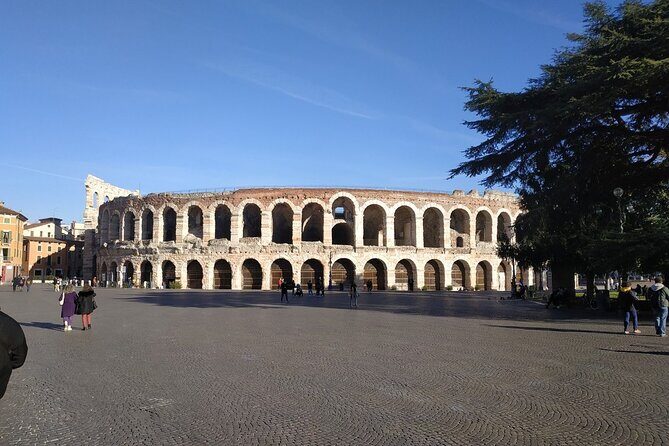
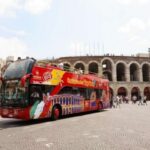
You meet in Piazza Bra (P.za Bra, Verona VR), which is a perfect launch pad. It’s a central square where you can quickly orient yourself before the route starts tightening into the historic core.
From the start, the tour’s logic is clear: it pulls you toward the Arena area first, then walks you across to the medieval and civic center, and later circles back for the Shakespeare-linked sites and the Verona viewpoints. The end point is Porta Leoni (Via Leoni), so you don’t finish in the middle of nowhere—you finish near another entry point into town.
The tour also offers pickup, if you want that. And it’s near public transportation, which helps if you’re coming from a hotel that’s not walkable for you. The tour uses a mobile ticket, so you can keep everything on your phone.
Arena di Verona: the monument, but with the backstory that matters
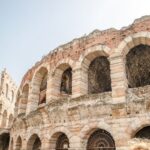
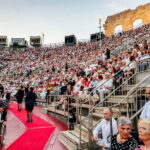
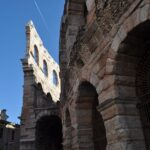
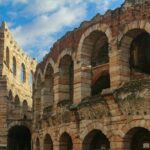
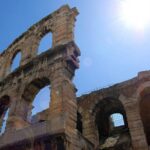
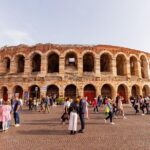
Your first stop is Arena di Verona. The idea here isn’t to teach you trivia you’ll forget before your gelato melts. It’s to give you the secret history angle—what made this place famous, and why it still dominates the skyline.
This is a great opener because it sets the timeline. From here, Verona feels less like a collection of pretty buildings and more like a city that kept reinventing itself on the same bones.
Duration is short (about 15 minutes), which is exactly right for a first stop. You get context without the “we’ve been standing still for an hour” problem.
Scaligero Bridge and the medieval architecture photo moment
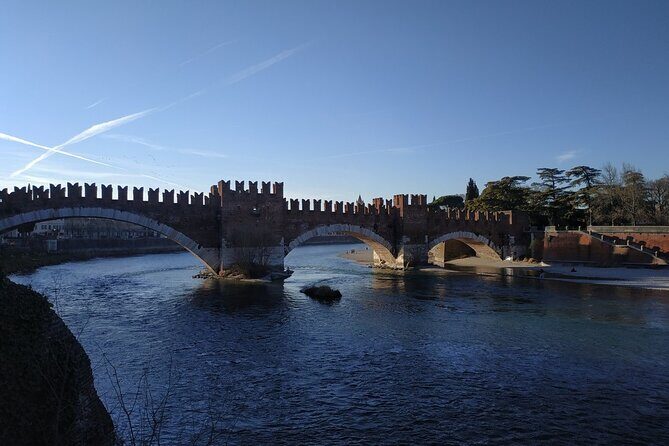
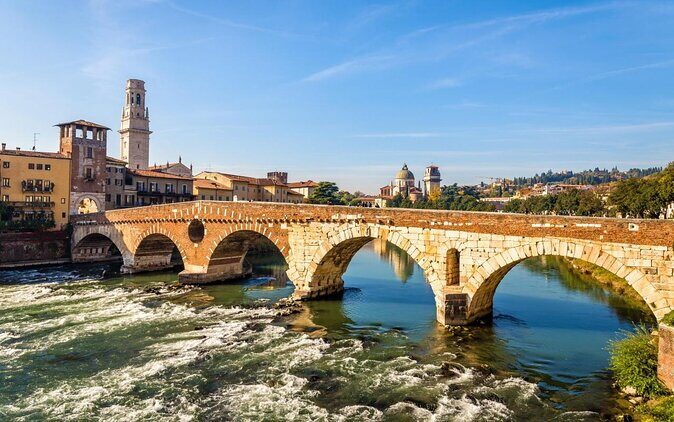
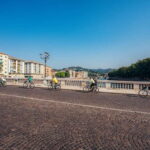
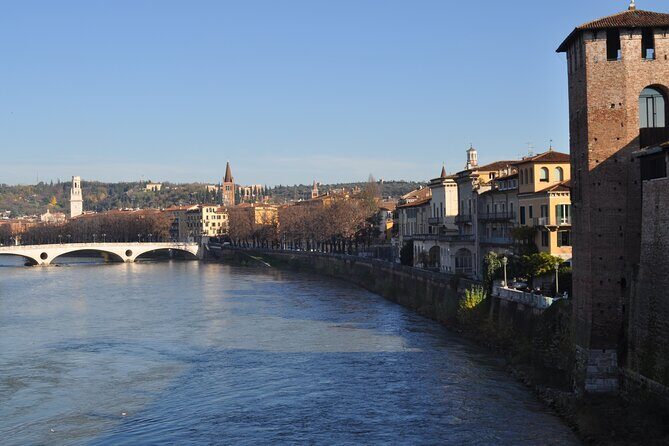
Next comes Scaligero Bridge. This stop is short (about 8 minutes), but it’s designed for impact. The bridge is one of those places everyone tries to photograph, and the guide helps you look past the classic angle so you notice architectural details you’d likely miss on your own.
This is also a good moment to reset. After the Arena’s scale, the bridge shifts you into a more human, medieval-feeling Verona—tight edges, stonework, and the way the city frames movement.
Piazza dei Signori: where Verona’s power lived
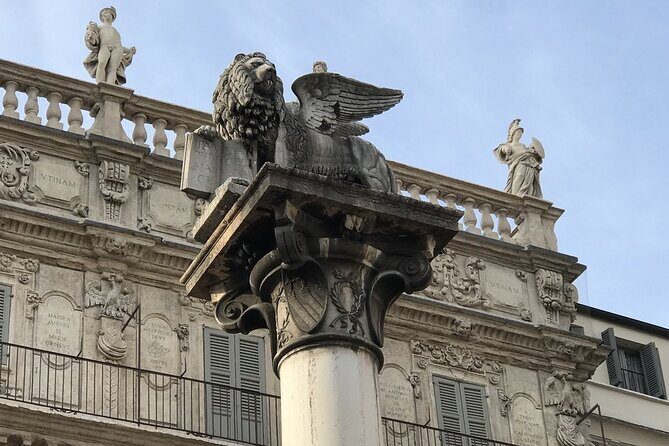
Then you reach Piazza dei Signori, the center of the city’s political life. At around 20 minutes, this is one of the longer civic stops, and it works well because the square acts like an outdoor classroom.
In a short amount of time, you can understand a lot here: who held power, how the city organized itself, and why certain families and institutions left such visible marks in the stone. If you’re the kind of person who likes a “who ruled here and how” explanation, this stop is one of your best bets.
Other walking tours we've reviewed in Verona


Church break: San Lorenzo’s calm contrast
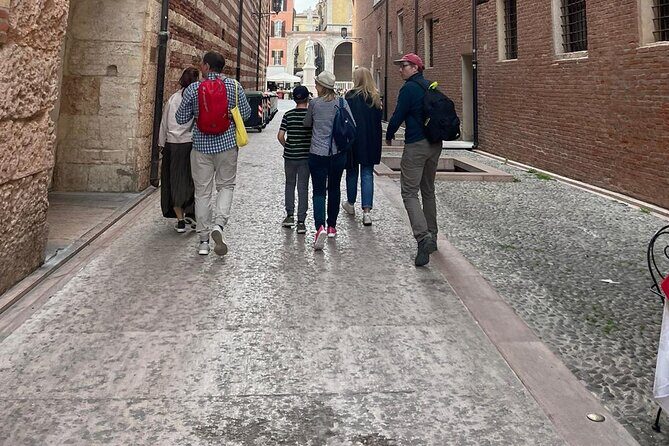
After the political square energy, the route shifts to Chiesa di San Lorenzo for about 5 minutes. It’s a small, beautiful church stop—short enough that it doesn’t derail the pace, but long enough to let you actually look.
Think of this as your palate cleanser. Verona can feel intense: big monuments, story-heavy Shakespeare stops, and tombs later on. San Lorenzo gives you a softer visual reset.
Piazza delle Erbe: street life and stories in the center
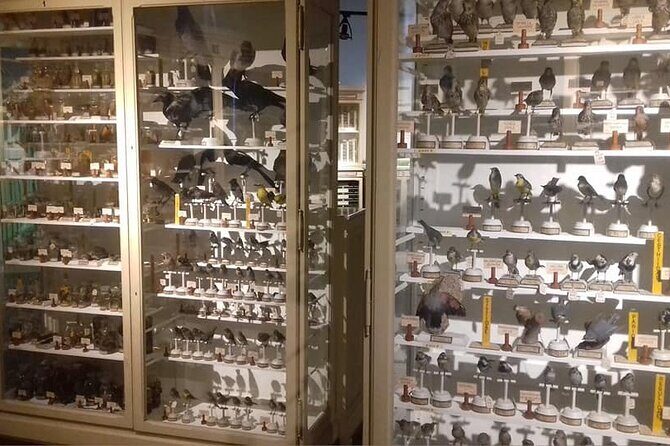
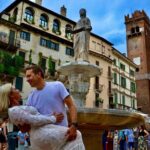
Piazza delle Erbe is where Verona becomes more everyday. This is a 20-minute stop, and it’s one of the best places on the route to feel the city’s atmosphere. The guide’s job here is to turn the square from scenery into something you can read—corners, symbolism, and the kind of local context that makes the place feel lived-in.
The trade-off? Since this is a busy center, you’ll want to stay aware of your footing and keep an eye on where the group is moving. The stop is long enough that distractions are real, but it’s also long enough that you’ll learn something useful.
Casa di Giulietta: Shakespeare’s Verona with real context
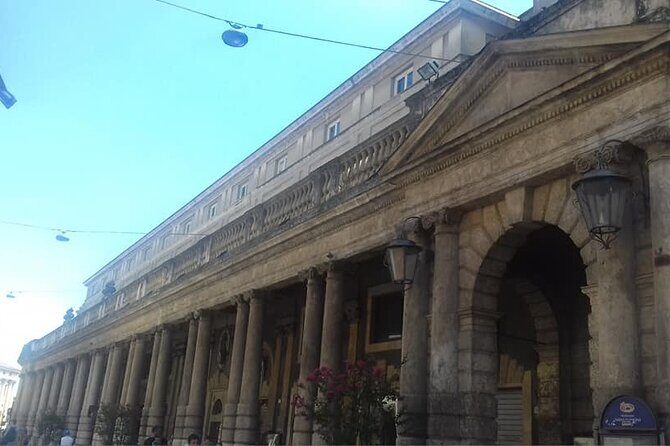
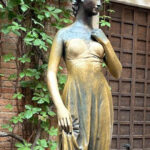
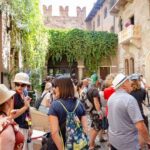
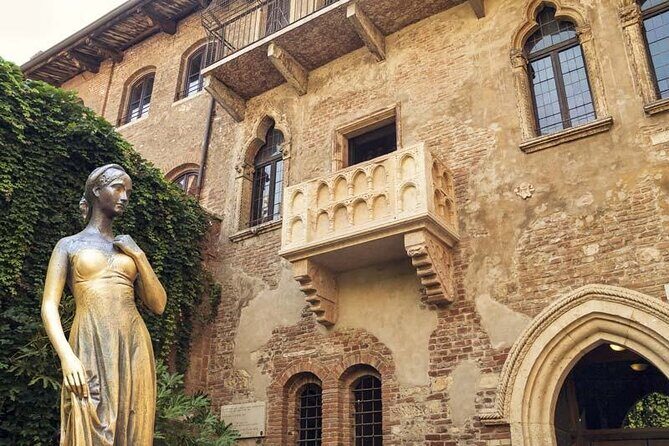
Now for Casa di Giulietta, a 15-minute stop. This is the headline attraction for many people, but the tour keeps it from becoming only a tourist-box experience. The focus is on the true story angle—how Verona connects to Shakespeare’s tragedy and how the city’s identity wrapped itself around the legend.
Even if you’re not a hardcore Shakespeare fan, this stop can still work because the guide frames it as cultural storytelling: why people care here, and how myth sticks to a place.
Cattedrale di Sant’Anastasia: the big church and the art detail
Your next major stop is Cattedrale di Sant’Anastasia, about 12 minutes. It’s described as the largest church in Verona, and it’s also connected to Pisanello’s frescoes.
Short church stops can be hit-or-miss if the guide can’t point out what to look for. Here, the value is in being able to locate key features quickly, so you don’t just stand there scanning the ceiling with no direction. If you like art history but don’t want to spend half a day, this is a solid compromise.
I Portoni della Bra: one of Verona’s symbols
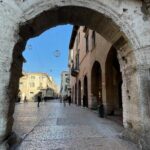
At about 10 minutes, you’ll stop at I Portoni della Bra. This is one of those Verona identifiers—recognizable even if you can’t explain it at first glance. The guide’s job is to give you context so it’s not just a picture you move past.
This stop also keeps the walking rhythm steady. It’s a “moment of recognition” before the tour enters the more intense medieval tomb area.
Arche Scaligere: the princes’ burial ground
Arche Scaligere is a 20-minute stop and arguably one of the most emotionally loaded parts of the itinerary. You’re looking at the burial area of medieval rulers—an “honor the past” space that also shows power, money, and taste in stone.
If you like history that has physical weight—things you can point at—this is where the tour delivers. The time length helps, because it takes a few minutes to really understand what you’re seeing and why it matters.
Romeo’s House and the second pass: two looks, one story arc
You’ll visit Romeo’s House (Casa di Romeo) for about 10 minutes, and the itinerary includes it again later for another 10 minutes. That’s not necessarily redundant on a good walking route. It can be a chance to see the place from a different angle or to pick up additional context after the route has progressed into Roman and ancient connections.
Either way, plan to treat it as a key stop, not a quick peek. Even if you’ve seen it in photos before, hearing the local framing while you stand there usually changes how you remember it later.
Arco dei Gavi and the ancient Roman thread
Next is Arco dei Gavi (about 10 minutes). This is described as a piece of ancient Rome inside the Veronese Renaissance. That phrasing matters because it explains what you’re looking at: the city layered old Roman material and identity into later eras, rather than wiping it clean.
This is the kind of stop that’s easy to underappreciate if you’re rushing. With a guide setting the context, it becomes a clue about how Verona’s past survived under the surface.
Chiesa delle Sante Teuteria e Tosca: oldest worship in the Veneto
Then comes Chiesa delle Sante Teuteria e Tosca for about 10 minutes. It’s noted as the oldest place of worship in the Veneto. For a short stop, it’s a big claim, so the value is in getting a simple explanation of how a site like this can still hold significance so long after its beginnings.
This is also a good moment for photos if you’re careful about spacing and staying respectful. Just remember: churches often have rules about movement and quiet.
Castel San Pietro viewpoint: wrapping up with a story-tied view
Your final stop is Piazzale Castel San Pietro (about 10 minutes), described as where Romeo was born. That “where the story starts” framing is a nice way to land the tour.
Viewpoints are best when the guide helps you understand what you’re seeing. Even if the time is short, you should leave feeling like you’ve reached the edge of the old-town storyline and can now connect it to the present-day city layout.
The tour ends near Porta Leoni, so you can keep exploring without backtracking.
Guides, group size, and pacing: what the best versions feel like
This tour runs with a maximum of 20 travelers, which is the sweet spot for a walking tour. Big enough to feel lively, small enough for questions and for the guide to adjust pacing.
The tone you want is a guide who explains in a straightforward way and keeps an eye on the group’s comfort. In past experiences, guides like Evgeniy/Eugenio are described as checking pace, staying patient, and making the facts fun—even for kids. If that’s your vibe, you’ll probably appreciate how this tour mixes story with quick cultural context.
One practical tip: bring a light rain layer. This tour can happen in bad weather, and you’ll still be walking. Even if it’s a cloudy day, Verona’s center holds together well on foot.
Also, if your group includes English plus another language speaker, there’s a chance the guide may switch between languages depending on who’s present. That’s useful if you’re traveling with a mix of language comfort levels.
Price and value: what you’re getting for $68.67
For 3 hours, $68.67 lands in the midrange for guided experiences. Here’s where the value comes from:
- Many stops are marked free admission, so you’re not paying for multiple paid entrances during the walk.
- The itinerary hits a dense set of landmarks—Arena, civic squares, major churches, tombs, and Romeo/Julieta sites—so you avoid the mental load of planning the sequence yourself.
- You get interpretation. That’s the real “paid product” here: turning stone and squares into a timeline you can follow.
If you’re traveling with limited time in Verona, this kind of guided structure is often more cost-effective than piecing together multiple self-guided outings and then realizing you missed what mattered.
If you’re the type who enjoys wandering without direction, you might find the stops feel short. But if you like guided structure, this is exactly the kind of route that pays off.
So, should you book this Verona walking tour?
I’d book it if you want a tight, story-led Verona overview that covers the major icons without eating your whole day. It’s also a strong choice for first-timers because you get Roman roots, medieval power, major churches, and the Shakespeare connections in one walk.
I’d skip or adjust expectations if you want long time inside sites, deep museum reading, or a slow unstructured stroll. This is a route with short stop windows, designed to keep moving and keep you learning.
If your travel style is “show me where to look, then I’ll explore on my own,” this tour fits that perfectly.
FAQ
How long is the 3-Hour Walking Tour with Guide Discovering Verona?
The tour lasts about 3 hours.
What language is the tour offered in?
The tour is offered in English.
Is pickup available?
Yes, pickup is offered.
Do I need a printed ticket?
No. You’ll receive a mobile ticket.
How big is the group?
The tour has a maximum of 20 travelers.
Where does the tour start and end?
It starts at Piazza Bra (P.za Bra, Verona VR) and ends at Porta Leoni (Via Leoni, 37100 Verona VR).
What is the cancellation policy if plans change or weather turns?
You can cancel for a full refund up to 24 hours in advance. The experience requires good weather, and if it’s canceled due to poor weather, you’ll be offered a different date or a full refund.