REVIEW · VERONA
Verona Arena and Historic Highlights: A Guided Walking Tour
Book on Viator →Operated by Opatrip.com Italy · Bookable on Viator
Verona’s ruins and romance share the same sidewalk. I like how this tour pairs the Arena di Verona (gladiators to opera acoustics) with Castelvecchio castle and its museum, and the guides come across as especially friendly and solid on art and history—Frank included in recent reviews. One thing to watch: each stop is brief (about 15–17 minutes), so you’ll want a plan for extra time if you’re the kind of person who lingers.
This is a tight, two-hour loop through the city’s most recognizable medieval and Roman landmarks, with a mobile ticket and a private setup for just your group. It’s also near public transportation, so it’s easy to fit into a busy Verona day—and yes, you’ll end at Juliet’s House, right where the atmosphere gets extra busy.
In This Review
- Key highlights to look for
- Why this Verona walking tour works: a fast loop of big landmarks
- Arena di Verona: the gladiator stage turned opera house
- Castelvecchio: the medieval castle that still makes sense
- Scaliger Arcs and the Gothic tombs: who paid for the stone
- Piazza dei Signori: political Verona in walking-distance form
- Piazza delle Erbe: the old forum turned market square
- Casa di Giulietta: the Shakespeare myth with real street energy
- Price, tickets, and timing: is it worth $196.66 per person?
- What the guide brings (and why it shows up in the reviews)
- Who this tour suits best
- Should you book this Verona Arena and Historic Highlights tour?
- FAQ
- How long is the Verona walking tour?
- Where does the tour start and end?
- Is the tour private?
- Do I need a ticket?
- What if the weather is bad?
- Can I cancel for free?
Key highlights to look for
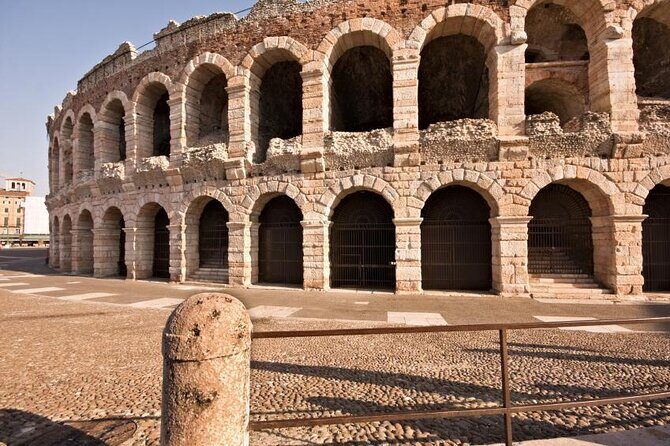
- A Roman amphitheater still in use for concerts, explained in practical terms
- Castelvecchio’s 7-tower defense story paired with museum highlights
- The Scaliger tombs (five Gothic monuments) and what they were for
- Two piazzas with different jobs: political power, then everyday street life
- Ends at Juliet’s House so you can tack on more Verona afterward
Why this Verona walking tour works: a fast loop of big landmarks

Verona can feel like two cities at once: the Roman past that still shows up in stone, and the medieval city that built its own power and style around it. This tour stitches those layers together in a simple walking route, so you’re not bouncing around Verona on your own with a map app and guesswork.
The biggest value is the pacing. You get a short, guided “starter kit” at six key stops—Arena di Verona, Castelvecchio, the Scaliger Arcs, Piazza dei Signori, Piazza delle Erbe, and Casa di Giulietta—so you leave with a mental framework. Then you can come back later and go deeper where you actually feel the pull.
The other practical win: the tour structure is designed for groups. It’s listed as a private tour/activity, with mobile tickets, and it runs in about two hours. That makes it a good choice if you’re visiting for a weekend, or if you want Verona’s highlights without losing half a day to transit and lines.
Other Verona walking tours we've reviewed in Verona



Arena di Verona: the gladiator stage turned opera house
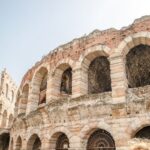
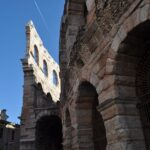
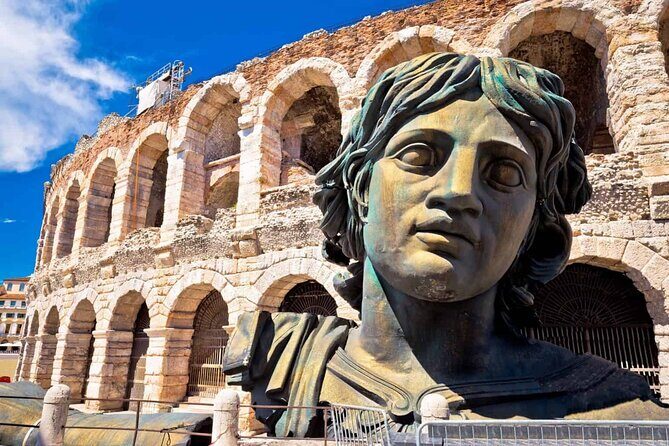
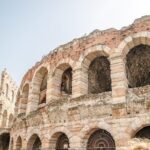
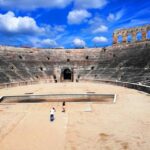
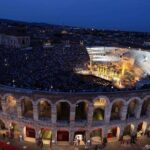
Your route starts at the Arena di Verona, the well-preserved Roman amphitheater that still hosts major events today. In ancient times, it was where gladiator shows happened—very much the big spectacle of its era. Now it’s known for its acoustics, which is why opera performances and concerts can work so well in this space.
What I like about having a guide here is that it turns the Arena from a photo stop into a place with logic. You’re not just looking at arches and seats; you’re understanding why the building mattered, and why it still matters.
A small timing note that can help you plan: the tour stop for the Arena is about 17 minutes. That’s enough to get the orientation and the key story beats, but it’s not enough for a slow, stand-still look at every corner. If you want more time in the Arena itself, plan a separate visit later.
Also, here’s a useful detail from real experiences: one reviewer noted that visiting the Arena can be free on the first Sunday of each month. I can’t promise it’s always true, but if your dates line up, it’s worth checking because it could change what you want to do next.
Castelvecchio: the medieval castle that still makes sense

Next comes Castelvecchio—literally the old castle—and this stop is the one that helps you see how medieval Verona defended itself. The castle is described as sublimely restored, and it’s not just pretty from the outside. It sits in a setting where you’re meant to understand the military design: waters once surrounded this defense system, and it’s tied to a seven-tower layout.
Then there’s the museum inside Castelvecchio. Even if you don’t go deep on your own, it’s useful to know what you’re likely to see: medieval and Renaissance sculptures, paintings, jewelry, and collections of weapons and armor. The result is that the castle tells two stories at once—fortification and culture.
The guided part here matters because the museum world can feel random without context. A guide can connect what you’re seeing to the people who lived in the castle era—so it’s not just objects behind glass. This stop also runs about 16 minutes on the route, which is perfect for the big-picture view.
One practical consideration: Castelvecchio can be more satisfying if you have an extra hour later to wander the museum at your own speed. If you’re the type who wants to read labels and study details, you may feel slightly rushed during the tour’s short stop. That’s not a fault—just a heads-up.
Scaliger Arcs and the Gothic tombs: who paid for the stone
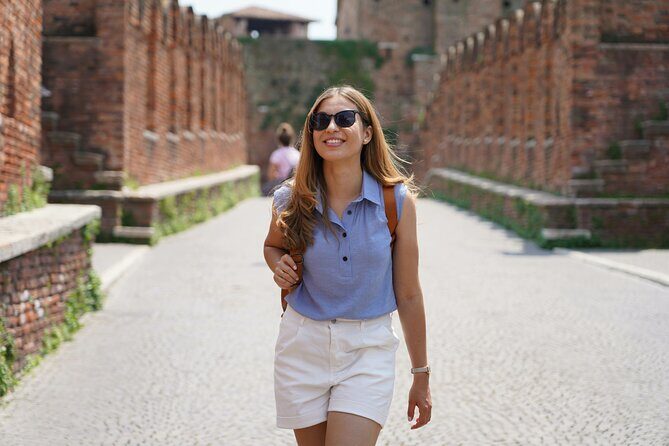
After Castelvecchio, you’ll reach the Scaliger Arcs and Scaliger tombs. This is where Verona’s medieval rulers show up in a very dramatic way. The Scaliger Arcs are described as a group of five Gothic funerary monuments built to commemorate the Scaliger family, rulers of Verona.
I like this stop because it’s easy to understand. When you see a “tomb complex,” it can feel abstract—who built it, why this style, what was the message. A good guide translates the purpose: these monuments weren’t only about mourning. They were about power, identity, and status made permanent in stone.
The time here is about 16 minutes. That’s enough to spot the Gothic style and get the storyline, but again, not enough for a slow architectural study. If you’re into art history, you’ll probably want to return. If you’re more of a “walk and absorb” person, you’ll still get the key points without feeling like you missed something.
Piazza dei Signori: political Verona in walking-distance form
Piazza dei Signori is where the tour shifts from architecture to civic life. This square had political and administrative functions, especially during the Venetian reign when palaces rose around it. Two mentioned examples are Palazzo della Ragione and Palazzo di Cansignorio.
This stop helps you understand the city as a working machine. Verona wasn’t just arenas and tombs; it was also paperwork, governance, and public life. You also get the sense that the square served as a stage for events—festivals and fairs were hosted here for hundreds of years.
The guided time is about 16 minutes, and that’s just right for getting your bearings. If you’re the sort who likes to watch how locals use space, you’ll probably appreciate this piazza even more on your own after the tour, when the guide’s “lecture mode” fades and you can just take in the rhythm.
Other Verona Arena tours we've reviewed in Verona

Piazza delle Erbe: the old forum turned market square

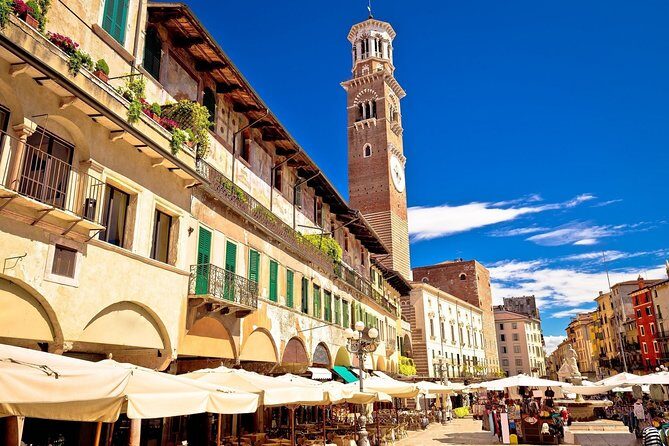
From there, you’ll move to Piazza delle Erbe, described as the oldest square in Verona. It’s known for its lively market energy—fruit stalls, cozy cafes, and buildings with different styles and ages forming the background of everyday life.
This is also one of the most interesting “time-travel” moments on the route. The information provided links the area back to Roman times, when Piazza delle Erbe served as a Roman forum and even hosted chariot races. That’s not just trivia; it makes the square feel layered. You’re sitting in a place that repeatedly found new jobs for the same ground.
The tour stop is about 16 minutes. You’ll get the story and the visual cues: how the square functions now, and how the Roman forum role hints at why the location stayed important.
If there’s a drawback here, it’s simple: piazzas are busy. Depending on the time of day and crowds, you may feel like you’re doing a quick “scan” rather than a deep linger. If you want slow photo time, give yourself a separate post-tour visit.
Casa di Giulietta: the Shakespeare myth with real street energy
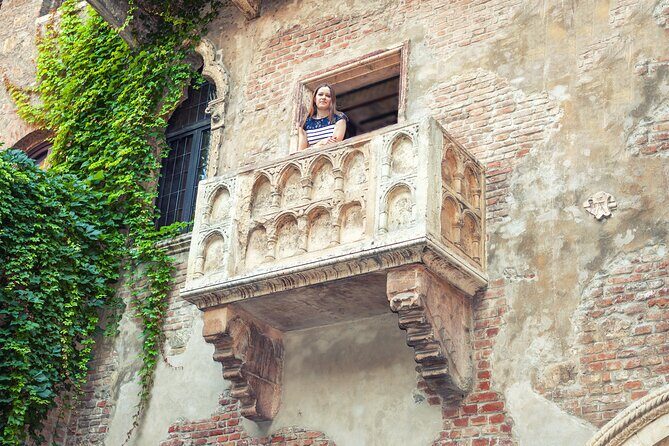
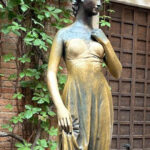
The walking tour ends at Casa di Giulietta on Via Cappello, at Juliet’s House. This stop works for people even if you don’t care about the play. The reason: it’s a place where literature turned into a tourist magnet, and now it’s part of Verona’s modern identity.
The tour describes the legends tied to William Shakespeare’s Romeo and Juliet story. This isn’t presented as a museum fact-check moment; it’s more about the cultural impact. In other words, whether you love Shakespeare or just know the basics, you’ll understand why people walk here with the same curiosity they bring to a famous landmark.
The scheduled time is about 15 minutes. That’s enough to see the entrance area, get the legend angle, and orient yourself for what to do next. Since you’ll finish at Juliet’s House, you’ll have the option to keep exploring nearby streets.
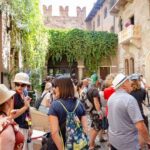
Practical note: because this is the ending point, expect more foot traffic right at the finish. If you’re trying to escape crowds, plan your next move immediately after the tour rather than waiting around.
Price, tickets, and timing: is it worth $196.66 per person?

At $196.66 per person for roughly two hours, you’re paying for several things at once: a guided route across multiple major sights, group management, and a tour format that keeps you from wasting time figuring out connections on your own.
Is it cheap? No. But I think it’s reasonably priced for what you’re getting because the route covers six big-name stops in a short span. The alternative—trying to stitch those sights together yourself—can be slower and more confusing, especially if you don’t already know how the sites relate.
A few value details matter here:
- The tour includes mobile ticket access, which tends to make check-in smoother.
- It lists group discounts, which can help if you’re traveling with others.
- Each stop is marked with admission ticket free in the itinerary details, which is worth paying attention to when you’re comparing costs to other tours that charge separately for entry.
Weather does matter for this kind of walking tour. The provided info says it requires good weather; if it’s canceled due to poor weather, you’ll be offered another date or a full refund.
Also, you can cancel up to 24 hours in advance for a full refund. That gives you some room to adjust if Verona decides to give you rain instead of clear skies.
What the guide brings (and why it shows up in the reviews)
One of the most praised parts is the guides’ tone and teaching style. Recent feedback highlights guides who are super-friendly and strong on art, history, and culture. One name that comes up is Frank, described as having handled group needs well and answered questions about the Arena’s long story.
I take that seriously, because a guided walking tour lives or dies on explanation quality. At these sites, it’s easy for a guide to just recite facts while you stare at stone. When the guide can connect the details—like why the Arena’s design still works for performances, or what Gothic funerary monuments were saying to Verona’s rulers—that’s when the tour earns its cost.
If you like asking questions, this tour type is a good match. You’re close enough to landmarks to ask follow-ups, and the stops are short enough that the guide can keep moving without the whole thing dragging.
Who this tour suits best
You’ll probably love this if:
- You want Verona highlights in about two hours without spending your day plotting logistics
- You enjoy a mix of Roman and medieval themes, not just one era
- You like short guided stops that give you a framework for later self-guided wandering
You might want to skip or at least plan extra time if:
- You prefer long museum time and deep label reading
- You’re hoping to do major interior visits beyond quick orientation
- You dislike crowded ending areas, since it finishes at Juliet’s House
Should you book this Verona Arena and Historic Highlights tour?
Yes—if your goal is to get the big Verona story in a well-paced walking loop. This tour makes a strong case for value because it connects the Arena di Verona, Castelvecchio, the Gothic power message of the Scaliger tombs, and two of Verona’s key piazzas—then it ends at Juliet’s House where you can keep going on your own.
Book it especially if you’re the type who benefits from a guide that answers questions and gives context, like the experience described by Frank in recent reviews. If you do choose it, set aside a little extra time later in your trip to return to whichever stop grabbed you most—because six short visits are great for orientation, and your curiosity will likely ask for a second round.
FAQ
How long is the Verona walking tour?
It’s listed as about 2 hours.
Where does the tour start and end?
It starts at Arena di Verona, Piazza Brà, 1, Verona, and ends at Casa di Giulietta (Juliet’s House), Via Cappello, 23, with the tour ending there.
Is the tour private?
Yes. It’s described as a private tour/activity, meaning only your group participates.
Do I need a ticket?
The tour includes a mobile ticket, and the itinerary notes admission ticket free for each stop.
What if the weather is bad?
The experience requires good weather. If it’s canceled due to poor weather, you’ll be offered a different date or a full refund.
Can I cancel for free?
Yes. You can cancel up to 24 hours in advance for a full refund.