REVIEW · VERONA
Guided Walking Tour in Verona
Book on GetYourGuide →Operated by Slow Travel · Bookable on GetYourGuide
Verona’s best stories are on your feet. This 1.5-hour guided walk connects Piazza delle Erbe frescoes with Arche Scaligere tombs, and you’ll also pick up local traditions as you move between medieval squares and Roman sites. The only real heads-up: it’s not suitable for people with back problems, since it’s still a steady walking tour on old streets.
I especially like that the guide helps you see the city in layers, not just as pretty backdrops. When Leonardo is leading, you get that friendly, clear approach that makes the history click fast, plus practical ideas for what to do next.
You’ll cover 9+ landmarks without feeling rushed, and you’ll finish back near the center. It’s a smart choice if you want a first-pass understanding of Verona before you start wandering on your own.
In This Review
- Key Things to Know Before You Go
- Getting Oriented: Meet at Colonna di San Marco in Piazza Erbe
- Piazza delle Erbe and the Fresco Facades That Tell the Story
- Juliet’s House Stop: Famous Name, Quick Context
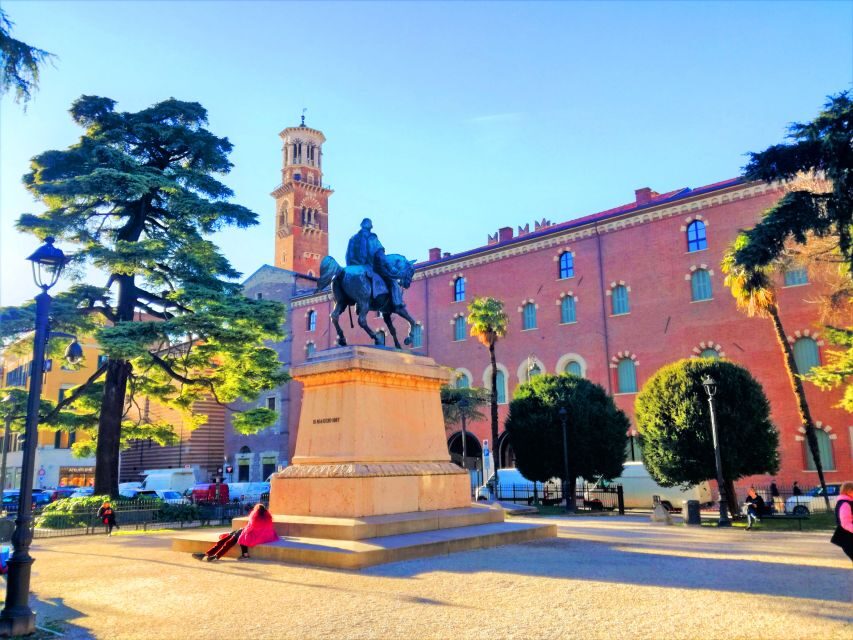
- Piazza dei Signori and Dante’s Statue on the Power Square
- Arche Scaligere: Gothic Tombs of the Scaligeri Dynasty
- Ponte Pietra and Verona’s Roman Bridge Perspective
- Verona Cathedral and the Santa Maria Matricolare Ending
- The 10-Minute Viewpoint: Skyline Clarity in a Short Window
- Why This 9+ Landmark Format Works for First-Time Verona Visits
- Price and Value for a 1.5-Hour Walk at $40
- Who Should Book, and Who Should Skip This One
- Should You Book This Guided Walking Tour in Verona?
- FAQ
- How long is the Guided Walking Tour in Verona?
- What does the tour cost?
- Where do I meet the guide?
- Is the tour in English?
- Is the tour wheelchair accessible?
- Is it suitable for people with back problems?
- What are the cancellation and payment options?
Key Things to Know Before You Go
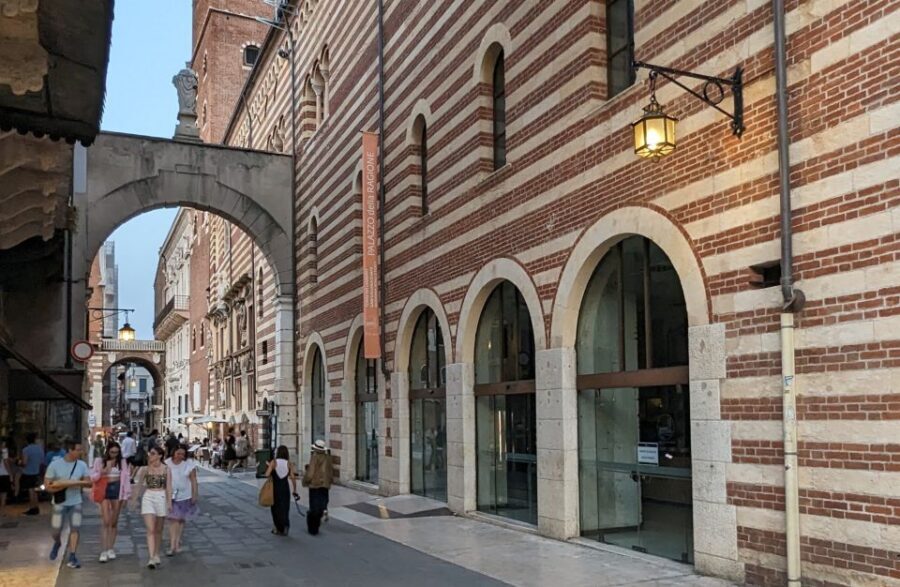
- Start at Colonna di San Marco in Piazza Erbe, under the tall white column with a lion on top
- Fresco stops are a main event, especially around Piazza delle Erbe
- Scaliger tombs at Arche Scaligere bring Gothic Verona into focus fast
- Roman bridge views at Ponte Pietra help you connect Verona to its ancient geography
- Panoramic viewpoint time ties the skyline together, from Roman Theater areas to the hilltop arch bridge
Getting Oriented: Meet at Colonna di San Marco in Piazza Erbe
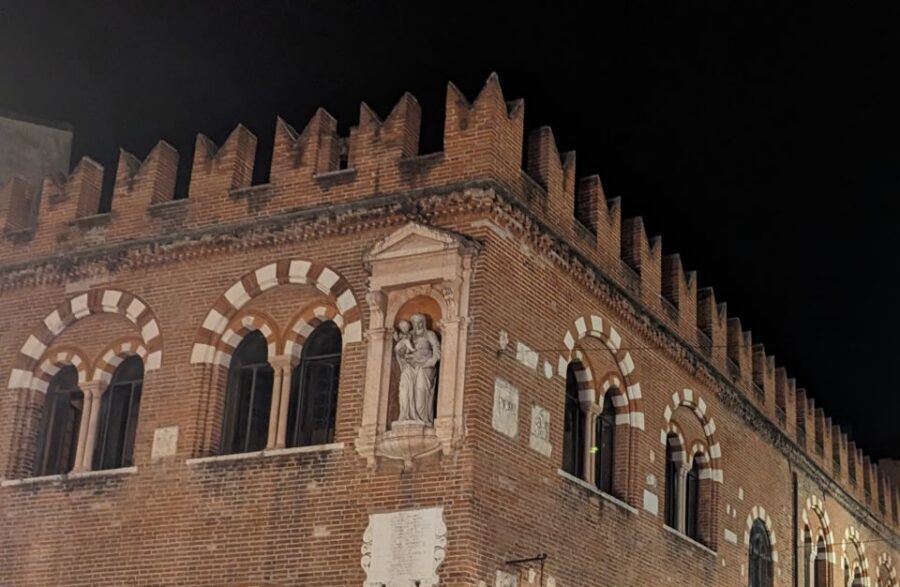
Your tour begins at Colonna di San Marco in Piazza Erbe 38a. The meeting spot is under the tall white column with a lion on top, on the north side of the square, opposite Juliet’s House. Arrive about 5 minutes early so you can match the guide before the group funnels into the street plan.
This matters more than you’d think. Verona looks walkable on a map, but historic streets love to twist, and you’ll appreciate starting with an exact pin in the middle of everything. It also sets the tone: you’re not starting outside town or at some “wherever,” you’re starting in the civic heart where the city’s past keeps showing up.
The tour is led in English by a live guide, and it’s designed as an easy paced, 1.5-hour walking route. Wheelchair accessibility is listed, so it’s a good option if you need that kind of support, but do note it’s still a walking experience.
Other Verona walking tours we've reviewed in Verona

Piazza delle Erbe and the Fresco Facades That Tell the Story
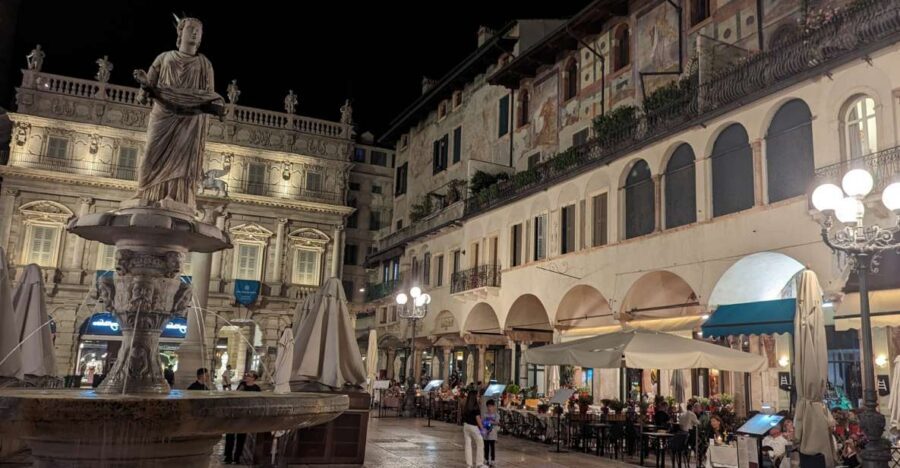
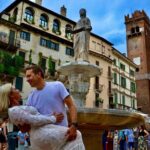
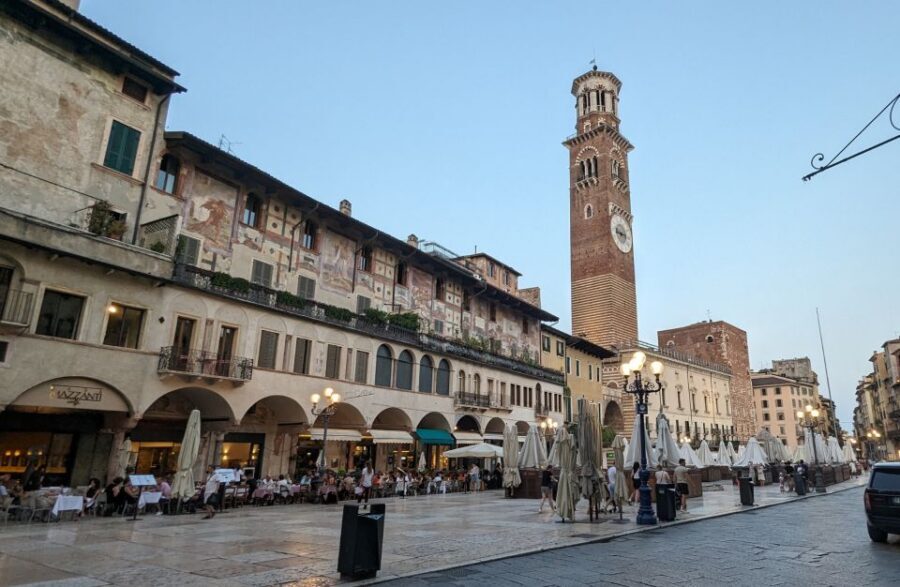
Piazza delle Erbe is where you get your Verona “orientation lesson,” and it’s also a visually rewarding stop even if you only have a short time. You’ll spend around 10 minutes here, and your guide frames it as a place where the Roman forum once thrived. That’s not just trivia; it helps you understand why the square feels like the city’s center of gravity.
Then comes the part you’ll remember: the frescoes. You’ll admire fresco-covered facades on historic buildings, with the guide pointing out how the artwork ties to Verona’s Renaissance splendor. If you usually walk past building faces on instinct, slow down here and let the guide’s explanations change what you notice.
This is also one of the best spots to hear about Verona traditions in a natural way, from Carnival to Christmas. The square has that “public stage” feel, so traditions land better when you’re standing where people once gathered.
Juliet’s House Stop: Famous Name, Quick Context
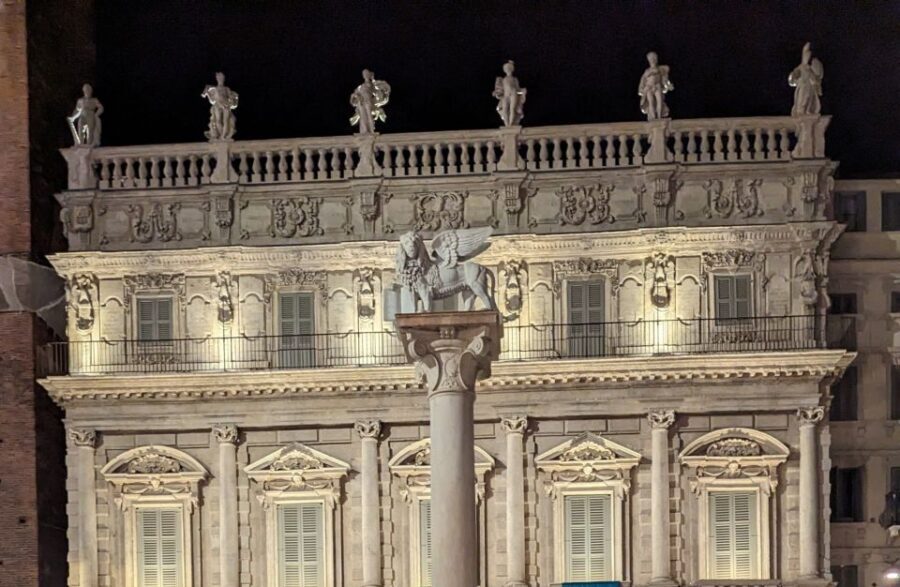
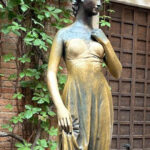
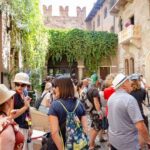
Juliet’s House is on the route, with about 10 minutes for sightseeing. Even if you’ve seen photos before, the benefit of stopping as part of a guided route is context. You’re not just checking a landmark off; you’re learning where it sits in the broader story of the city center.
This brief pause also works as a pacing reset. After the fresco-focused energy of Piazza delle Erbe, you get a slightly different kind of Verona moment, the kind that makes people smile before they head into the more serious architecture ahead.
Tip for you: since this stop is short, pick one or two things you want to look at carefully. Then listen for what the guide connects it to next—because the real value is how it links into the rest of the route.
Piazza dei Signori and Dante’s Statue on the Power Square
From here, the tour shifts into the political and artistic side of Verona through Piazza dei Signori. This is one of those places where “what happened here” feels written into the streets. Your guide points out the Palazzo nearby and the statue of Dante Alighieri, using them as anchors for stories about power and intrigue.
I like this stop because it changes your perspective. Verona isn’t only about pretty squares and postcard corners. It was a place where influence mattered, and you can feel that in how the square is set up and who gets memorialized in stone.
If you’re the kind of traveler who enjoys understanding why cities are built the way they are, this portion is worth leaning in for. Even with just a short stop, you’ll come away with a clearer sense of what to watch for when you look back at the square later on your own.
Arche Scaligere: Gothic Tombs of the Scaligeri Dynasty
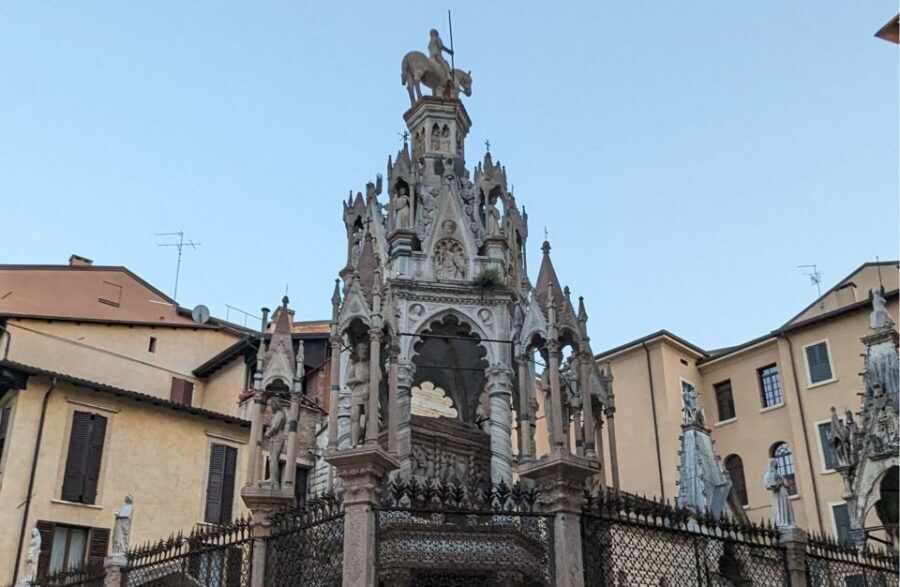
Next up is Arche Scaligere, the monumental tombs of the Scaligeri dynasty. You’ll have about 10 minutes with guided context here, and this stop is one of the big reasons this tour feels more than “a walk to pretty spots.”
Tombs like these do more than memorialize people. They communicate status, taste, and authority—basically, how a ruling family wanted to be remembered. The guide’s explanation brings the structure and the symbolism into focus, so you’re not just looking at a grand monument; you’re understanding what it was for.
If you only had time to see one “serious” landmark during a short Verona visit, this is a strong contender. It’s Gothic and monumental, but the way the guide connects it to Verona’s political story helps it feel personal instead of distant.
Other walking tours we've reviewed in Verona


Ponte Pietra and Verona’s Roman Bridge Perspective
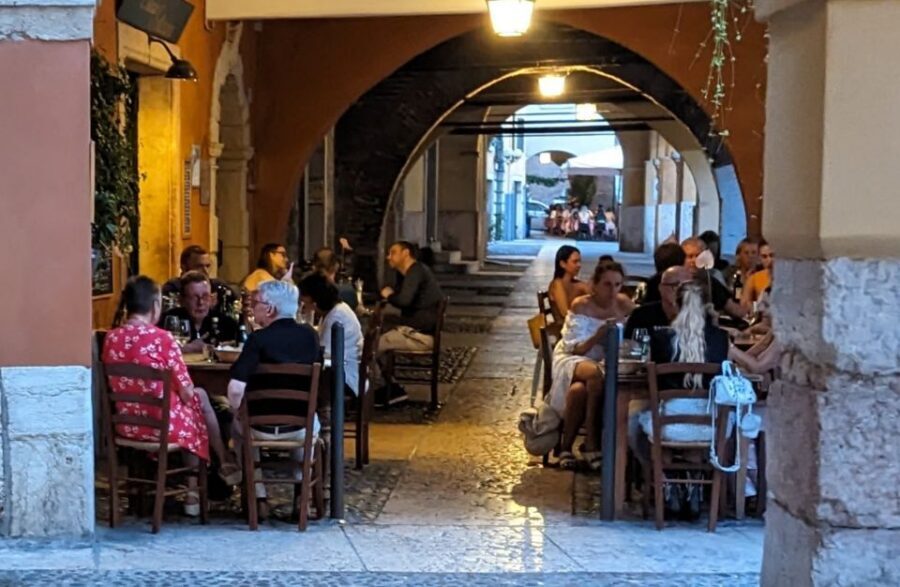
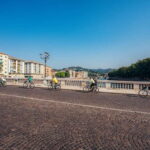
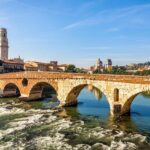
Ponte Pietra is the Roman bridge stop, with about 10 minutes of guided time. This is where you start seeing how ancient Verona isn’t gone. It’s still under your feet and beside you, shaping how the city sits in its river and hills.
What makes this bridge stop valuable is the viewpoint angle. You’re not only learning about the Roman connection; you’re also getting oriented visually for the next panoramic stretch. Verona’s hills and skyline can feel confusing at first, and the guide helps you line up what you’re seeing with what you’re about to hear.
If you enjoy architecture, take a moment to notice how the bridge frames the city. You’ll understand the “why” behind the placement much better after your guide points out the relationship between the river crossing and the surrounding terrain.
Verona Cathedral and the Santa Maria Matricolare Ending
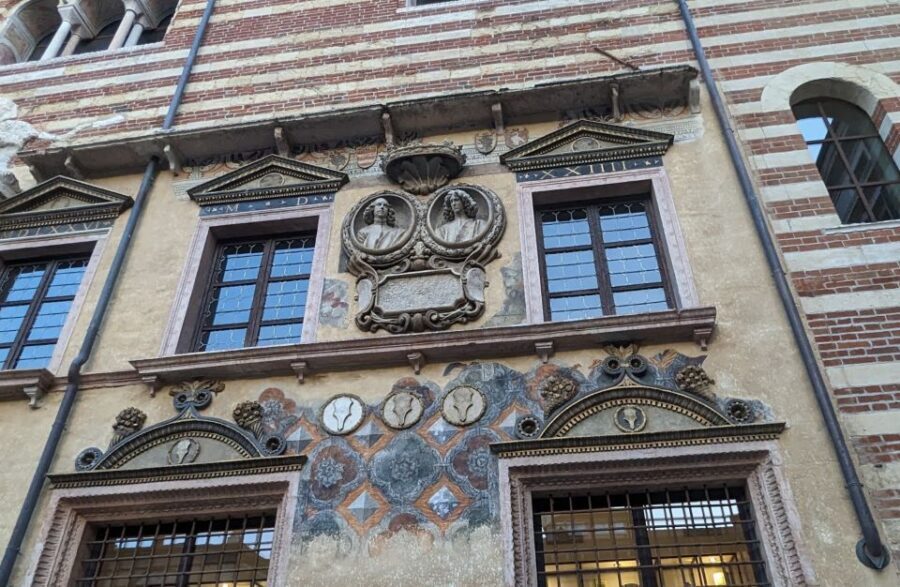
The tour includes Verona Cathedral as a sightseeing stop (about 10 minutes). Later, the route culminates at the Duomo area, described as the main church of Verona near the Capitolare Library. Your final stop is Cattedrale di Santa Maria Matricolare.
This part is where the walking route starts to feel like a full circle: you’ve moved through civic squares, tombs, and Roman infrastructure, and now you land in the religious center. Even if churches aren’t always your favorite, you’ll likely appreciate how the guide ties the cathedral complex into the bigger map of Verona.
One practical note for you: the activity details say the tour ends back at the meeting point, but the itinerary also shows a finish at the cathedral area. So plan on a little extra walking after you see the cathedral sights, so you’re not surprised when you still have a few minutes left before you’re done.
The 10-Minute Viewpoint: Skyline Clarity in a Short Window
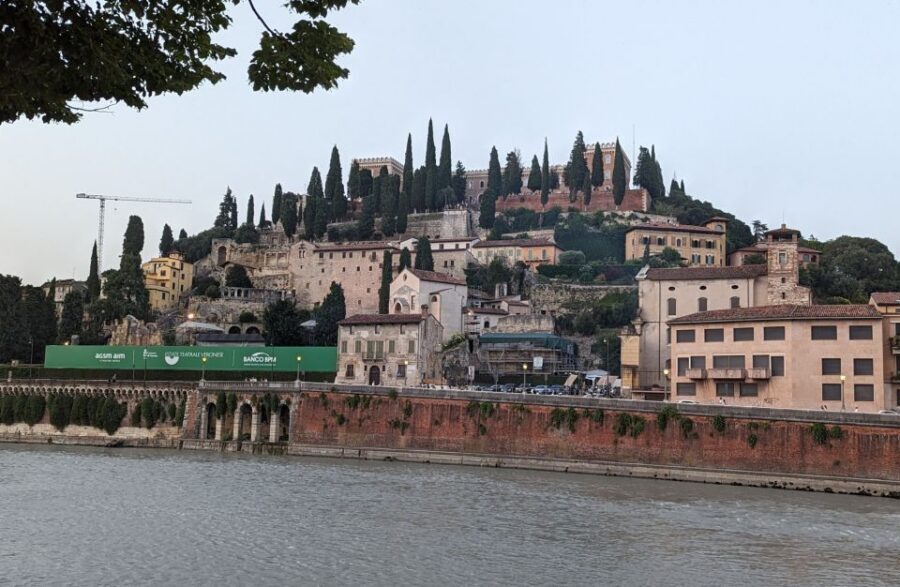
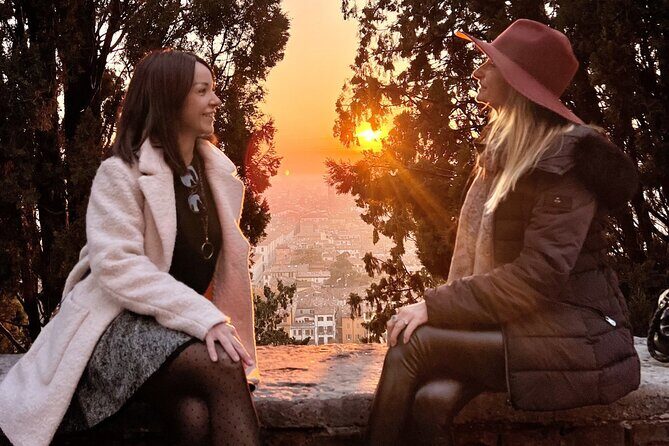
You’ll also get a dedicated 10-minute visit to a viewpoint. This is when the tour turns from “stop by stop” into “now it all makes sense.”
The guide helps you take in panoramic views of Verona’s skyline, including sightlines that connect to the ancient Roman Theater and the arch bridge crowning the hill. This short pause can be one of the most useful parts of the whole tour, because it fixes your mental map. After you’ve seen the skyline once with explanations, you’ll navigate the city later with less second-guessing.
For you, this is a win-win: you get height and perspective without a long detour. For photos, it’s also a handy moment because you’ll know what to point your camera at when you see it again from street level.
Why This 9+ Landmark Format Works for First-Time Verona Visits
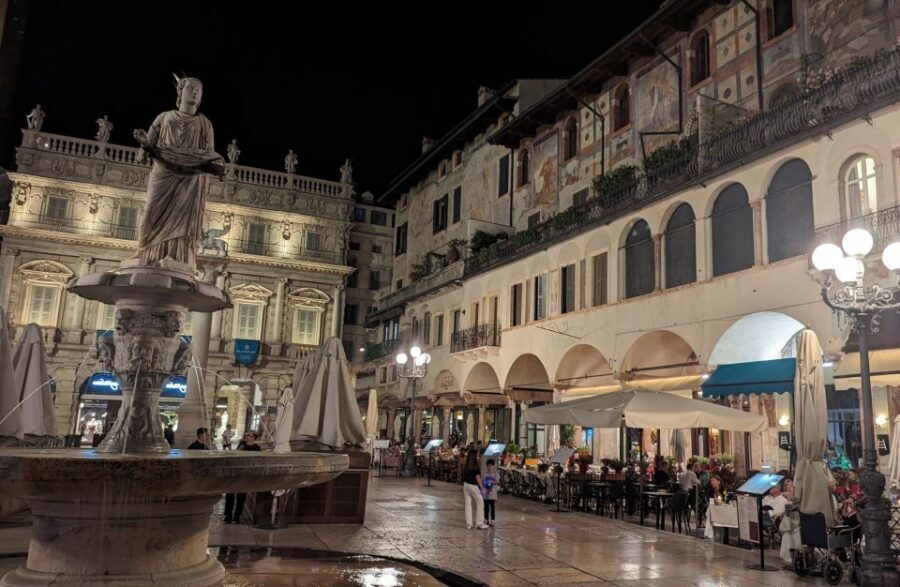
This walk hits 9+ landmarks, but the real value isn’t the number. It’s the way the route connects themes: medieval civic life, Renaissance art on facades, Roman infrastructure, and Gothic memorial architecture.
That’s why I like tours like this for an early trip. You come away with a foundation you can build on quickly, especially when the guide explains how each place fits into Verona’s timeline. When Leonardo is on the mic, that foundation feels extra practical and easy to follow, and you also pick up helpful suggestions for what to do next in the region.
A guided tour can sometimes feel like information overload. Here, the pacing keeps it manageable: each stop is long enough for meaning, short enough that you don’t lose the thread.
Price and Value for a 1.5-Hour Walk at $40
At $40 per person for 1.5 hours, the price is fair if you’re using it the way it’s meant to be used: as a fast entry ticket to the city’s structure and stories.
Here’s how I judge value for a tour like this:
- You get a live English guide rather than self-guided reading.
- You cover a concentration of landmark types in a short window: Roman, Gothic, Renaissance, and civic squares.
- You receive context that helps you keep noticing things after the tour ends.
If you’re in Verona for only a day, this is the kind of expense that saves time. Instead of bouncing around trying to guess what matters, you start with a route that picks the best anchors first.
If you’re already a Verona expert and you love reading façades on your own, you might not need a guide for every step. But for most people, $40 feels like a good trade for clarity.
Who Should Book, and Who Should Skip This One
This guided walking tour fits well if you:
- want a first-pass orientation in Verona
- enjoy history explained in plain language
- like art and architecture enough to stop and look
It’s also a strong choice if you want a guide who doesn’t just list facts, but helps you understand what you’re seeing. The guide’s friendly, detailed approach is a standout, especially the way Leonardo leaves people with a real sense of where to go next.
Two groups should be careful:
- It’s not suitable for people with back problems.
- It’s a walking tour, so if you need very frequent breaks or have mobility constraints beyond wheelchair accessibility, you may want to think twice.
Should You Book This Guided Walking Tour in Verona?
If you want the quickest path to understanding Verona’s main landmarks, book it. The route is short enough to fit into a busy schedule, but structured enough to give you real connections: fresco squares, Scaliger tombs, Roman bridge framing, and cathedral finale moments.
I’d especially recommend it if this is your first time in Verona or if you like having a guide help you “see” instead of just “visit.” If you can comfortably walk for 1.5 hours and you’re ready to look closely at architecture and artwork, you’ll get a lot out of this one.
FAQ
How long is the Guided Walking Tour in Verona?
The tour lasts about 1.5 hours.
What does the tour cost?
It costs $40 per person.
Where do I meet the guide?
Meet at Colonna di San Marco in Piazza Erbe 38a in Verona. The guide is under the tall white column with a lion on top on the north side of the square, opposite Juliet’s House.
Is the tour in English?
Yes, the live guide speaks English.
Is the tour wheelchair accessible?
Yes, it is listed as wheelchair accessible.
Is it suitable for people with back problems?
No, it is not suitable for people with back problems.
What are the cancellation and payment options?
You can cancel up to 24 hours in advance for a full refund, and there is a reserve now & pay later option.