REVIEW · VERONA
Best of Verona Highlights Walking Tour with Arena
Book on Viator →Operated by Ways · Bookable on Viator
Verona is easier to love once someone points the story out. This small-group walking tour pairs classic city sights with a guided visit inside the ancient Arena di Verona, and the Arena part is set up with skip-the-line access so you don’t burn time waiting.
I like two things most: you get a clean walking route that links Roman Verona to the medieval city, and the guide work tends to feel lively, with plenty of room for questions. One thing to plan for is weather—on hot days, you’ll be outside, so bring water and sun protection even if the guide tries to work in shadier spots.
In This Review
- What you’ll actually do in 3 hours
- Key points before you go
- Why the Arena stop is where this tour earns its value
- Meeting at Via Teatro Ristori and how the pacing works
- Castelvecchio lanes and the Scaligero Bridge warm-up
- Ponte Scaligero and Porta Borsari: small stops with strong payoff
- Piazza delle Erbe: Roman roots under a stylish city square
- Piazza dei Signori and Dante’s statue
- Entering the Arena di Verona the easy way
- Casa di Giulietta and the balcony note for winter dates
- Guide style, small-group energy, and the heat reality
- What I’d do after the tour (so it doesn’t stop at the Arena)
- Who this tour is best for
- Should you book this Best of Verona Highlights Walking Tour with Arena?
- FAQ
- How long is the tour?
- What’s included in the price?
- Are tickets for Castelvecchio or Juliet included?
- Is the tour offered in English?
- Where do I meet the guide and where does the tour end?
- Is Juliet’s Balcony included in winter?
What you’ll actually do in 3 hours
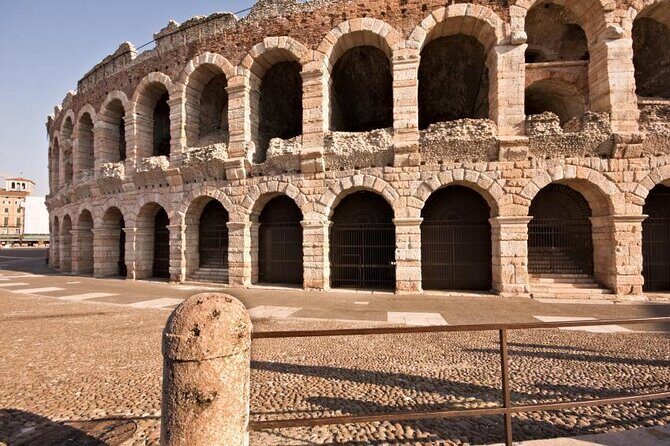
You start near Castelvecchio (the meeting point is Via Teatro Ristori, 7), then move through Verona’s squares and old streets before ending at the Arena area (P.za Bra, 1). It runs about 3 hours, rain or shine, with an English tour that includes a 30-minute break before the Arena.
Key points before you go

- Skip-the-line Arena entry with a guided visit (ticket included)
- A tight route through the city’s Roman and medieval layers
- Small group size (up to 16), which makes it easier to hear the guide
- Free, photo-friendly stops like Piazza delle Erbe and Ponte Scaligero
- Two optional add-ons if you want them: Castelvecchio museum and Juliet’s area
- Weather matters: it’s a walking tour with outdoor time
Other Verona walking tours we've reviewed in Verona


Why the Arena stop is where this tour earns its value
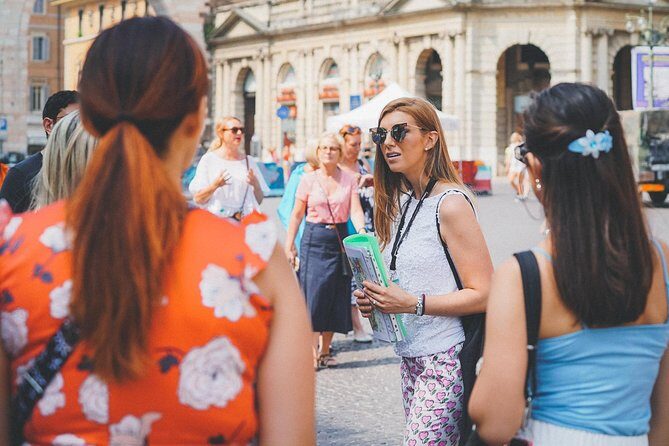
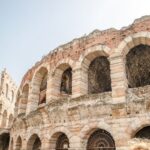
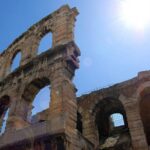
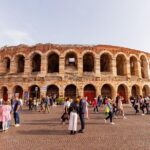
The biggest practical win here is the Arena di Verona experience. You’re not just walking past it—you enter the amphitheatre with guided access and the Arena ticket included, and the tour is structured to help you avoid long entry lines.
At this price point (about $83.45), that included Arena ticket matters more than it first seems. Most of the other sights on your route are public squares and street views where you’d be paying nothing to see them on your own. So the fee is really buying you three things:
- A guide to explain what you’re looking at (Roman engineering, how the building functions, why it mattered).
- The time savings of skip-the-line entry.
- A smooth, guided flow that keeps you from guessing where to go next.
If the Arena is on your Verona must-do list—and for most people it is—this is one of the simplest ways to handle it without turning your day into a queue management project.
Meeting at Via Teatro Ristori and how the pacing works
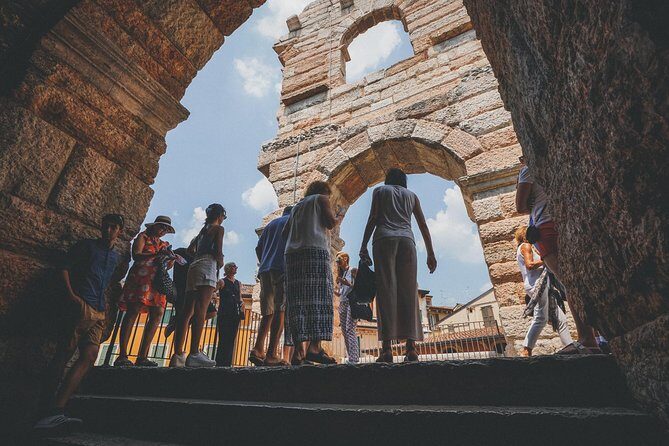
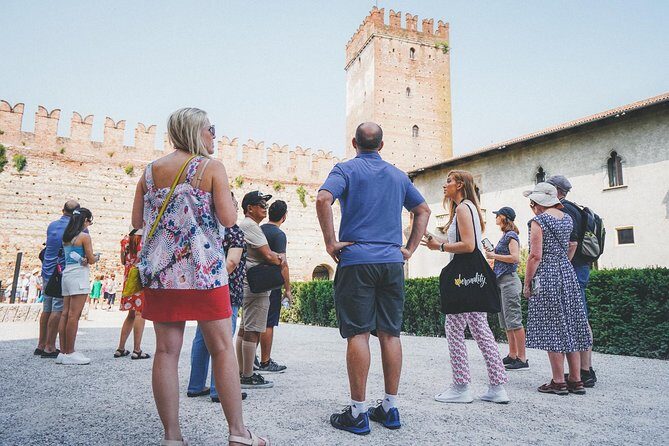
Your tour begins at Via Teatro Ristori, 7 at 10:00 am, and the route is designed to stay walkable without feeling like a marathon. The tour is capped at 16 travelers, so you’re not swallowed by a huge group blob. That size helps in two ways: you keep the guide’s attention more easily, and you can actually hear the stories at normal speaking volume.
Also note the timing structure for English tours: there’s a 30-minute break before the Arena. That’s useful because it gives you a chance to reset, grab water, or simply catch your breath before stepping into the amphitheatre entry process.
The tour runs rain or shine, so if you’re traveling in shoulder season or summer storms, plan on being outside at least part of the time. You’ll want a light rain layer or compact umbrella so you can keep moving.
Castelvecchio lanes and the Scaligero Bridge warm-up
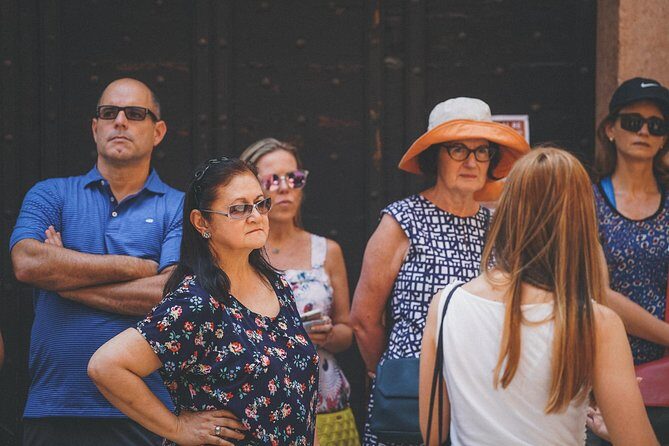
You start with the “big picture” part of Verona: the area around Castelvecchio and the Scaligero Bridge. Even if you don’t go inside Museo di Castelvecchio (admission isn’t included), the location works well as a first chapter because it sits where the city’s medieval power and river geography show up immediately.
The guided walk includes several short stops outside major monuments, then moves toward Bra Square and the Arena area from the outside. That matters because once you’ve seen the building’s context in the city, the inside visit later makes more sense. You’ll understand how the amphitheatre fits into Verona’s urban pattern instead of treating it like a standalone photo spot.
Time note: you’ll spend about 15 minutes on the Castelvecchio museum stop area, and admission is not included. If you’re the type who loves museums, you may want to budget extra time later in your trip. If you’re more about street-level storytelling, you can treat this as a viewpoint-and-stories segment.
Ponte Scaligero and Porta Borsari: small stops with strong payoff
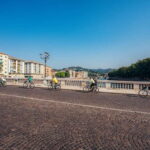
Next comes Ponte Scaligero, the bridge that connects the late-medieval castle area to the Adige’s left bank. It’s not just a scenic connector—it’s a recovery story too. The bridge was almost destroyed during bombing and then rebuilt to look like the original.
This is a classic Verona trick: even “short” parts of your route carry meaning. You’ll likely get a quick explanation of why the bridge design and rebuilding choices matter, and you’ll have a good stretch of time for photos without feeling rushed.
Then you hit a street named for Porta Borsari, one of Verona’s more elegant shopping streets. You’re not going to do a full retail crawl here, but it’s worth slowing down for a minute. Verona’s beauty is often in the details—stonework, proportions, and how the streets curve. A short shopping-street pass is a good way to remind you you’re in a living city, not a theme park.
Other walking tours we've reviewed in Verona


Piazza delle Erbe: Roman roots under a stylish city square
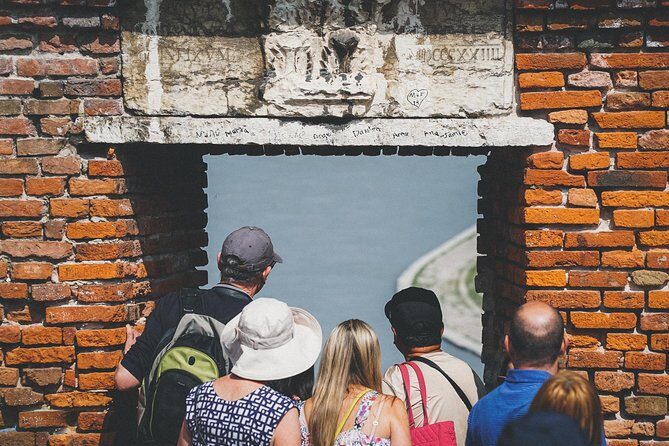
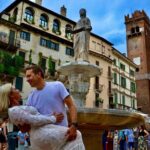
Piazza delle Erbe is one of the most important squares in the city because it used to function as the Roman forum—basically the hub of daily life when Verona was operating under Roman rule.
What’s helpful on this tour is the way the square gets explained as an overlap of eras. You’ll learn why the square works as a symbol of who ruled Verona at different points in time. In the middle of the square, you’ll see the fountain tied to Scaligeri rule, which gives you a visual anchor for the story.
Time note: plan around 15 minutes here, and it’s free to enter. It’s a great stop for photos, but you’ll also get the context so your pictures don’t feel like random postcards. Instead, they become proof of a timeline.
If you tend to get tired at long standing stops, this is one of the better squares to linger for a minute on benches or edges—because even the standing still feels like part of the route’s rhythm.
Piazza dei Signori and Dante’s statue
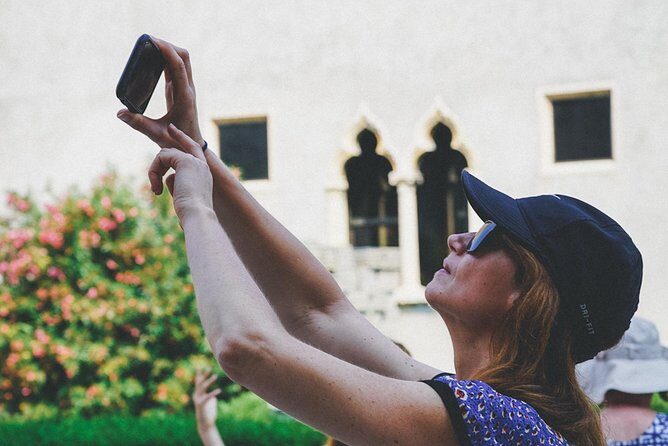
From Piazza delle Erbe, you move into Piazza dei Signori, the former center of power. This is one of those stops where you don’t need ticket access to feel the weight of the place.
A standout here is the large statue of Dante Alighieri, which has dominated the square since 1865. It’s one reason the piazza is also nicknamed Piazza Dante.
Even if you’re not a serious literature person, the statue gives you a readable landmark in a busy square. You can orient yourself fast: find the Dante figure, then work your way into the surrounding buildings and street lines with your guide’s explanations.
Entering the Arena di Verona the easy way
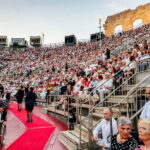
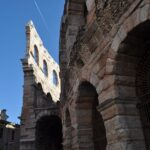
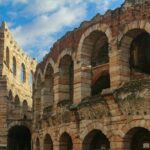
Now for the main event: Arena di Verona. You follow your guide through the old center and arrive at the amphitheatre for a guided visit with the skip-the-line access built in, plus the Arena ticket is included.
What I like about this setup is that the Arena moment becomes about understanding, not logistics. You’re in the right spot at the right time with the right group flow, and the guide helps connect what you’re seeing to why it exists.
This stop is about 30 minutes, which is a reasonable slice of time for most people. Long enough to feel you truly entered the site, short enough that the rest of your day isn’t swallowed by one landmark.
Practical tip: wear shoes you can stand in. Even with guided pacing, you’ll be on your feet and walking inside.
Casa di Giulietta and the balcony note for winter dates
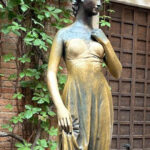
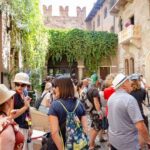
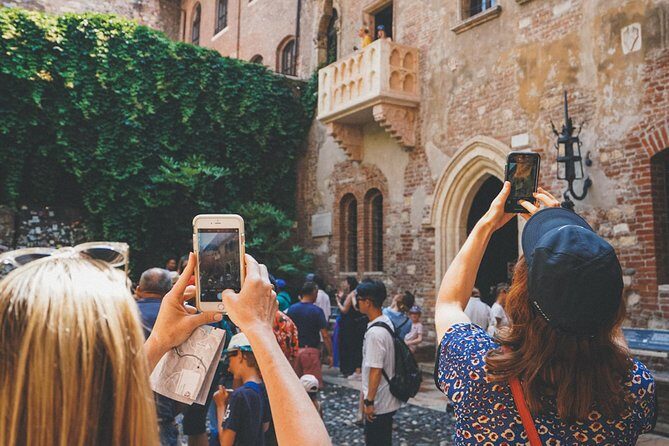
The final stop brings you to Casa di Giulietta, where legends and old storytelling take over the streets near Juliet’s area. This segment includes guide commentary about the Juliet mythology and what you can imagine happening in the lanes around the old city wall.
Time note: about 15 minutes here, and admission is not included.
There’s also a specific seasonal heads-up: from December 6, 2025 to January 6, 2026, access to Juliet’s Balcony is not included as usual. City rules mean balcony access requires purchasing a ticket. You can ask for information on buying it, but the tour provider will not purchase it for you.
If your trip falls outside those dates, you’ll just know that the balcony situation can change by season. Either way, this stop is a good capstone: your tour ends with a story-driven Verona, not only stone and timeline.
Guide style, small-group energy, and the heat reality
A walking tour lives or dies on the guide. The strongest praise patterns in the feedback focus on guides who are funny, engaging, and willing to answer questions. Names that show up in the comments include Serena, Maria, Franco, Francesco, Isabella, Andrea, Priscilla, and others—so you’re likely to get a guide who treats Verona like a place they genuinely enjoy.
One repeated theme is that the best guides don’t just list facts. They make connections between architecture and events. That turns “I’m looking at a bridge” into “I’m looking at a bridge with history—and a reason to pay attention.”
Still, a balanced word: Verona can get hot, and at least one experience notes the guide didn’t fully account for sun exposure on a hot day. Even when guides try to find shadier spots, you should be responsible for your own comfort—water, hat, sunscreen, and light clothing.
Also, pace can vary. Some people finish closer to 2 hours while the scheduled time is around 3 hours. That doesn’t automatically mean less value; it can mean the group stays responsive and moves efficiently.
What I’d do after the tour (so it doesn’t stop at the Arena)
Once you’ve done this, you’ll be in a great position to explore Verona on your own. You now have a map in your head: Castelvecchio area first, then the forum-life squares, then power center in Piazza dei Signori, then the Arena as the Roman anchor.
Here are smart next steps that pair well with this route:
- Spend time revisiting whichever square grabbed you most (Piazza delle Erbe is especially easy to return to).
- If you skipped it earlier, consider adding extra time at Castelvecchio or Juliet’s area on your own. Both have additional paid elements depending on what you want to see.
- Plan your evening around how you want Verona to feel: more Roman and architectural, or more legend-and-lanes.
If you’re only in Verona briefly, this tour gives you the kind of orientation that helps you stop guessing. You’ll know where you already have context and where you should just roam.
Who this tour is best for
This works especially well if:
- You want a guided introduction to the city without building a self-made route.
- You care about seeing the Arena di Verona but don’t want the stress of waiting in line.
- You like history explained in a way that helps you look at buildings and squares with sharper eyes.
It’s also a solid pick for first-time visitors. Several guide-focused comments in the feedback stress that the tour helps people feel comfortable exploring right after.
If you’re the type who hates group pacing, or you want long sit-down museum time, you might find the shorter museum segments (Castelvecchio area and Casa di Giulietta area) don’t satisfy your curiosity alone. In that case, pair this with one independent follow-up visit where you control the time.
Should you book this Best of Verona Highlights Walking Tour with Arena?
Yes—book it if your Verona plans include the Arena and you want a guided day that keeps moving. You’re paying for the Arena ticket and the skip-the-line entry, and the rest of the route gives you a coherent Verona story in a walkable order.
The main “don’t book blind” point is weather and comfort. It runs rain or shine, and you’ll be outside enough that heat or sun can affect enjoyment. Bring water and sun protection, and you’ll be set.
If Juliet’s Balcony access is a must for your dates, double-check the seasonal window (December 6, 2025 to January 6, 2026 is the tricky period). Otherwise, this tour is one of the better ways to get your bearings fast and make the Arena visit feel like it belongs to Verona—not just to a travel checklist.
FAQ
How long is the tour?
The tour runs for about 3 hours.
What’s included in the price?
A local licensed tour guide and the Arena entrance ticket are included. Skip-the-line access for the Arena is part of the experience.
Are tickets for Castelvecchio or Juliet included?
No. Admission to Museo di Castelvecchio and the Casa di Giulietta area is not included.
Is the tour offered in English?
Yes, the tour is offered in English.
Where do I meet the guide and where does the tour end?
You meet at Via Teatro Ristori, 7, 37122 Verona, Italy, and the tour ends at Arena di Verona, P.za Bra, 1, 37121 Verona, Italy.
Is Juliet’s Balcony included in winter?
From December 6, 2025 to January 6, 2026, access to Juliet’s Balcony is not included as usual. You can ask for information on how to purchase your ticket, but the tour provider will not purchase it for you.