REVIEW · VERONA
Cesarine: Pasta & Tiramisu Class at Local’s Home in Verona
Book on Viator →Operated by Cesarine: Cooking Class · Bookable on Viator
A pasta lesson in a real Verona home is refreshingly hands-on. This Cesarine class focuses on doing the work, not watching from the sidelines, and you’ll learn two pasta recipes plus tiramisù in a local kitchen.
The biggest thing to consider is that this happens in a private apartment setting. You’re not getting a big public venue experience, so you’ll want to plan for getting to the exact meeting spot in Verona and moving with your host to the home.
In This Review
- Key Highlights You’ll Care About
- A Verona Home Kitchen Beats A Cooking Show
- What You’ll Make: Two Pastas Plus Classic Tiramisu
- Pasta lesson #1
- Pasta lesson #2
- The tiramisù
- Inside The Evening: Welcome, Kitchen Tour Moments, and Your Pace
- The welcome and first bites
- Participation, not spectatorship
- Home-kitchen context
- Language support
- The Two-Course Meal: Eating What You Cook (With Beverages)
- Price and Logistics: What You Pay For, and What It Really Covers
- You’re paying for privacy and guidance
- You’re paying for a full experience, not just cooking
- You’re paying for a home setting
- Who feels the price pinch
- Who This Class Is For (and Who Might Want Another Option)
- You’ll probably love it if…
- You might hesitate if…
- Cesarine Hosts and English Support That Keep You Included
- Should You Book This Verona Pasta and Tiramisu Class?
- FAQ
- How long is the Cesarine pasta and tiramisù class in Verona?
- What dishes will I learn to make?
- Is this class private or shared with other groups?
- Does the price include the meal and drinks?
- Is the class offered in English?
- What’s the cancellation window for a full refund?
Key Highlights You’ll Care About
- A Cesarine welcomes you like part of the family, and the evening often begins with a small local nosh to get things going.
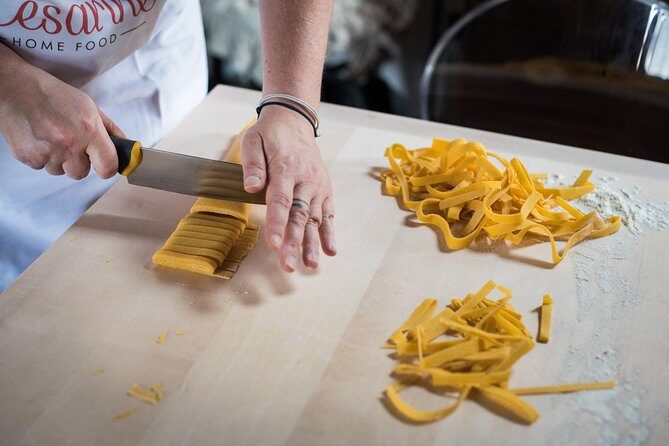
- You learn two pasta recipes with hands-on steps, so you leave with a method you can repeat.
- Tiramisu is part of the main event, not an afterthought, with full instruction while you make it.
- You sit down to eat what you cook as a two-course meal with beverages included.
- It’s private for your group, with support so you can keep up at your own pace.
- English support is included, and in at least one class a translator helped when the host’s English was limited.
A Verona Home Kitchen Beats A Cooking Show
There’s a reason cooking classes are popular in Italy, and it’s not just the food. In Verona, this type of home-based class gives you something you won’t get in a showroom: real rhythm, real household methods, and the chance to ask questions as you go.
The format is simple. You start in Verona with your host, then you’re brought into her home kitchen. One guest noted that the host met them right away on the street and escorted them to the apartment, so you can expect personal attention from the first minute. Another detail I love is how the evening gets moving quickly. The start is often paired with a small snack of meat, cheese, and wine, which helps you shift from tourist mode into dinner-party mode.
This is also where you get better value for your time. Because it’s private, you’re not sharing the “how do I do this?” moments with a big crowd. You get a calmer pace, and you’re more likely to actually understand why certain steps matter (dough texture, sauce timing, and how to handle the tiramisù cream).
One caution: if you’re expecting a polished, high-volume studio vibe, you might find the setting more casual because it’s somebody’s real home. That’s not bad. It’s just different. Bring the right mindset: you’re there to cook, learn, and eat together.
Other pasta and tiramisu classes in Verona


What You’ll Make: Two Pastas Plus Classic Tiramisu
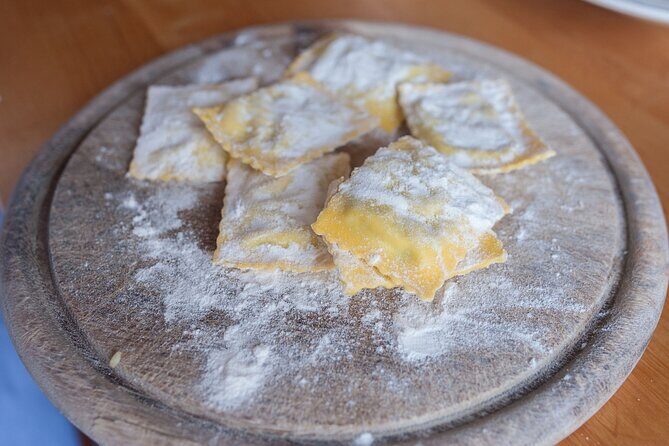
The class is built around two pasta recipes and tiramisù. That sounds straightforward, but the payoff is that you learn through repetition and guidance. Instead of doing one pasta and calling it a day, you get to build confidence and then apply it again.
Pasta lesson #1
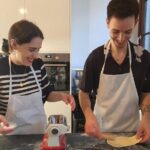
You’ll work on creating pasta from scratch, with step-by-step instruction and time to participate. In this kind of class, the most useful part usually isn’t just the recipe list. It’s learning what the dough should feel like and how to adjust as you go. One guest described how the host was friendly and energetic and made sure each person had chances to participate, which is exactly what you want if you’re not a confident cook.
Pasta lesson #2
Then you make a second pasta dish. This is where the instruction starts to “click,” because you can compare techniques and see how small choices change the outcome. You also get extra context along the way—like how the host thinks about pesto variations and what she personally makes for her own kitchen routines. Even if you don’t copy the variations exactly, the mindset helps you cook more confidently later.
The tiramisù
Tiramisu is the dessert anchor. You’ll make it with guidance, not just assemble something. The best part of learning it here is that the class treats it as a real process, with room for questions and patience while you get the steps right. One highlight from guests: the hosts don’t just teach the motions; they explain the reasons behind the technique and keep things moving with warmth and humor.
Other food tours and tastings in Verona





Inside The Evening: Welcome, Kitchen Tour Moments, and Your Pace
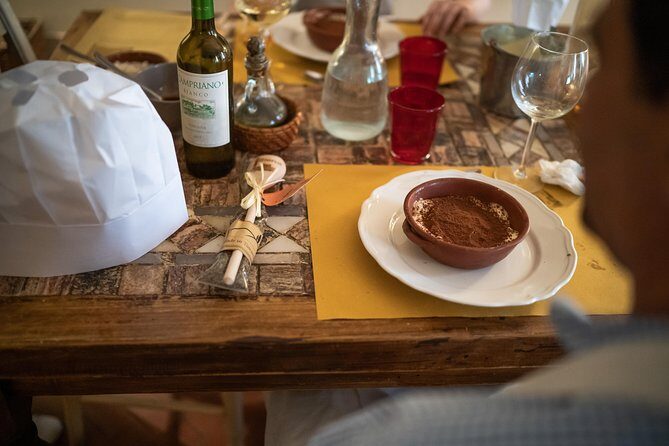
A good cooking class runs on three things: clarity, comfort, and control. This one hits all three, especially because it’s private and taught in a local home.
The welcome and first bites
Many classes begin with a small “get to know your host” moment: meat, cheese, and wine to start. It’s not a full meal before cooking, but it’s enough to relax you and make it feel like a real evening. Then you settle in, and the host talks you through what you’ll do and how to participate.
Participation, not spectatorship
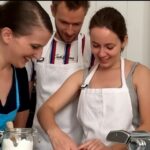
One of the most praised parts of the experience is how hosts include everyone. Guests described hosts who explained what they were doing and gave each person opportunities to work. That matters because pasta dough and tiramisù assembly are hands-on skills. If you only watch, you’ll forget half of it. If you participate, it stays with you.
Home-kitchen context
Some hosts go beyond the recipe. For example, one guest mentioned a tour of the garden and pantry and a discussion of pestos the host makes. Another guest described personal stories tied to the food and wine while they sat around the table. You don’t need these extras to enjoy the class, but they add texture. They help you see Italian cooking as something lived in, not staged.
Language support
The class is offered in English, and you should expect instruction you can follow. Still, it’s also clear that translation support can happen when needed. One guest noted that although their host didn’t speak English, a translator was provided so nothing important was missed. So if you’re worried about language, know the experience is designed to keep you included.
The Two-Course Meal: Eating What You Cook (With Beverages)
The class doesn’t end when the cooking ends. You eat.
The menu is simple: you’ll enjoy your pasta as the main course and tiramisù for dessert. Beverages are included with the meal. This matters more than it sounds. In many classes, you cook and then you leave. Here, you get to sit down together and experience the food in the full “dinner” context.
This is the moment where you’ll understand what you did right. If your dough worked, you’ll feel it in the bite. If timing was off, you’ll notice it too. And with tiramisù, you’ll learn how the final texture should feel. Even if you’re not a picky eater, tasting your own work is a confidence builder.
Guests also noted that lunch and dessert were shared together at the end, which makes the whole thing feel like an actual meal rather than a workshop that happens to include food. If you like travel that turns into a story you can repeat later, this is the kind of evening that does it.
One small practical note: since it’s a meal, plan to treat the rest of the day lightly. You’ll come hungry, cook, and then eat. You won’t need a big dinner plan afterward unless you want one.
Price and Logistics: What You Pay For, and What It Really Covers
At $174.42 per person, this isn’t the cheapest option in Verona. But it’s also not trying to be. Here’s what you’re paying for, in plain terms:
You’re paying for privacy and guidance
This is a private class, so you’re not competing with a big group for attention. When hosts can slow down, explain, and make sure you participate, the class becomes more than a ticket. It becomes skill-building.
You’re paying for a full experience, not just cooking
You’ll make two pasta recipes and tiramisù, then eat a two-course meal with beverages. That means your money goes into ingredients, instruction time, and the final shared meal. The value isn’t only in the food you taste. It’s in the method you take home.
You’re paying for a home setting
You’re in a local kitchen with a Cesarine host. One reason this feels authentic is that you’re seeing how someone’s household actually handles cooking: pacing, pantry habits, and the casual confidence behind classic dishes.
Who feels the price pinch
If you’re traveling solo on a tight budget, the cost may feel steep compared with group classes or restaurant demos. If that’s your situation, you might prefer a lower-cost cooking stop. But if you’re the type who wants real interaction, this price often feels fair because you’re buying time and attention.
Logistics are straightforward: you’ll start in Verona, and the experience ends back at the meeting point area. The activity also notes a mobile ticket and being near public transportation, which helps if you don’t want to overthink parking or taxis.
Who This Class Is For (and Who Might Want Another Option)
This class is a great fit if you want hands-on travel. It’s also a strong match if you care about classic Italian food but don’t want to learn it from a cookbook alone.
You’ll probably love it if…
- You enjoy learning through doing, especially with dough, sauce, and dessert assembly.
- You want a Verona experience that isn’t another walking loop.
- You like intimate, home-hosted travel moments where the host can tailor pacing and explain steps.
- You’re traveling with a partner or small group and want something more personal than group tours.
You might hesitate if…
- You’re after a sightseeing-heavy itinerary. This is about cooking and eating, not touring landmarks.
- You don’t enjoy cooking at all. There’s participation built into the format, so even if you’re a beginner, you should be willing to get your hands involved.
- You want highly structured, fixed “clockwork” instruction with zero flexibility. The class is taught at your pace, which is great for most people, but it can feel different if you prefer rigid schedules.
Cesarine Hosts and English Support That Keep You Included
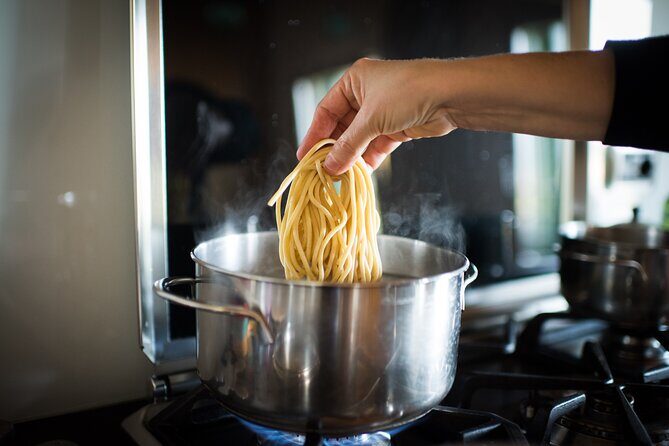
What makes Cesarine cooking classes work is the host. In Verona, hosts here come across as warm and welcoming, and that matters because you’re spending about three hours in someone’s home.
One guest described their host as warm and accommodating for their children’s needs, which tells you this can be friendly and patient. Another guest highlighted how their host willingly repeated steps and answered questions in detail. In other words, if you learn by asking, this works.
English is also covered. The experience is offered in English, and there’s evidence that translation support can show up if needed. So the class doesn’t rely on you guessing along. You should expect explanations that help you follow what’s happening, even if you’re new to Italian cooking.
A nice bonus, noted by a guest: at the end, they received recipe sheets and a hand towel. Not every class may include the same extras, but it’s a good sign that hosts think about what you’ll do after the class, not just what you’ll eat during it.
Should You Book This Verona Pasta and Tiramisu Class?
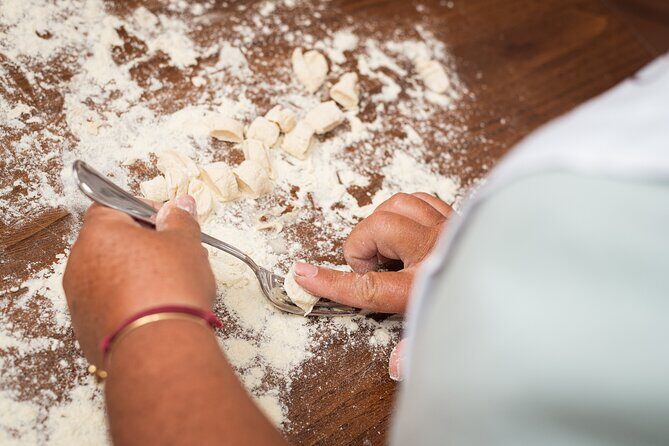
Book it if you want a real Verona evening where you learn classic Italian cooking, eat what you make, and leave with skills you can actually use at home. The private setup, the hands-on participation, and the fact that you cook two pasta dishes plus tiramisù make it feel like a complete experience, not a quick activity.
Skip or rethink it if you want more sightseeing than cooking, or if cooking activities don’t suit you. Also compare price with group classes if budget is tight—this one is clearly priced for privacy and full meal value.
If your ideal trip includes home-cooked meals, conversation, and learning by doing, this Cesarine class checks the boxes.
FAQ
How long is the Cesarine pasta and tiramisù class in Verona?
It lasts about 3 hours.
What dishes will I learn to make?
You’ll learn to make two pasta recipes and tiramisù.
Is this class private or shared with other groups?
It’s private. Only your group participates.
Does the price include the meal and drinks?
Yes. You’ll enjoy a two-course meal with beverages included.
Is the class offered in English?
Yes, the class is offered in English.
What’s the cancellation window for a full refund?
You can cancel for a full refund up to 24 hours before the experience starts.