REVIEW · VERONA
Verona: Prosecco and Pasta Making Class at a Local’s Home
Book on GetYourGuide →Operated by Cesarine · Bookable on GetYourGuide
Pasta-making at a real Verona home? Yes. This class turns a simple cooking session into a genuine Cesarina experience, with hands-on lessons in a private kitchen and local wine at the table. I love learning the recipes from a home cook who clearly cooks the way Italian families actually do, and a practical drawback to plan around is that dietary needs need to be requested ahead of time.
My favorite part is the end result: you don’t just watch or snack. You make three regional pasta dishes and then taste what you made together, with water, wine, and coffee to round things out. If you’re hoping to come away with a full printed recipe booklet, you might be slightly disappointed, since the format here is more about cooking live than collecting handouts.
In This Review
- Key things I like about this Verona class
- Why Verona’s Home Pasta Class Feels Like an Invitation, Not a Show
- Your 3-Hour Schedule: From Welcome Bell to Table Lunch
- The Cesarina Lesson: How You Learn Three Regional Recipes
- What You Actually Cook (and How Wine Fits In)
- Taste What You Made: The Table Moment in a Local Home
- Dietary Needs and Private-Group Comfort in a Local Kitchen
- Price, Value, and Who This Works Best For
- Practical Tips Before You Go (So You Enjoy It More)
- Culture and Connection: Food That Feels Like Verona Family Life
- Should You Book This Verona Class?
- FAQ
- What is included in the Verona pasta-making class?
- How long is the experience?
- Is this class private?
- Where does the class start?
- What languages are used during the class?
- Can the class handle dietary restrictions like gluten-free or vegan?
- What time does the class usually begin?
- What does the tasting include?
- Is there a cancellation option and can I pay later?
Key things I like about this Verona class
- Private home setting with a Cesarina host: you ring the doorbell and get welcomed like a food-loving friend.
- Three authentic regional pasta recipes: you get practice making more than one dish, not just a single pasta shape.
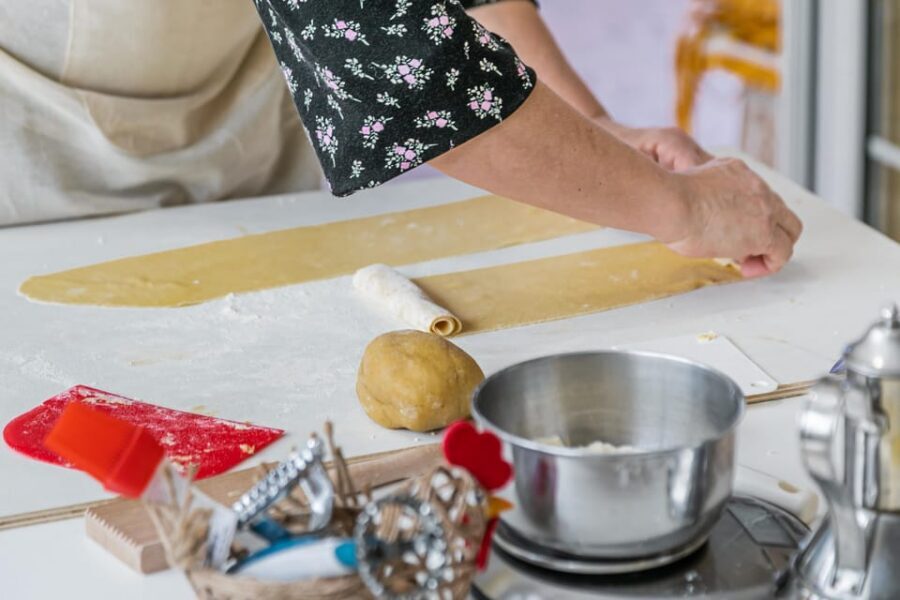
- Workstations set up for each participant: utensils and ingredients are prepared so you can focus on technique.
- Taste-everything meal style: you eat what you cook, right after you cook it.
- Wine included with the tasting: red and white local wines are served with lunch.
- Dietary options possible on request: vegetarian, vegan, gluten-free, and more can be accommodated if arranged.
Why Verona’s Home Pasta Class Feels Like an Invitation, Not a Show
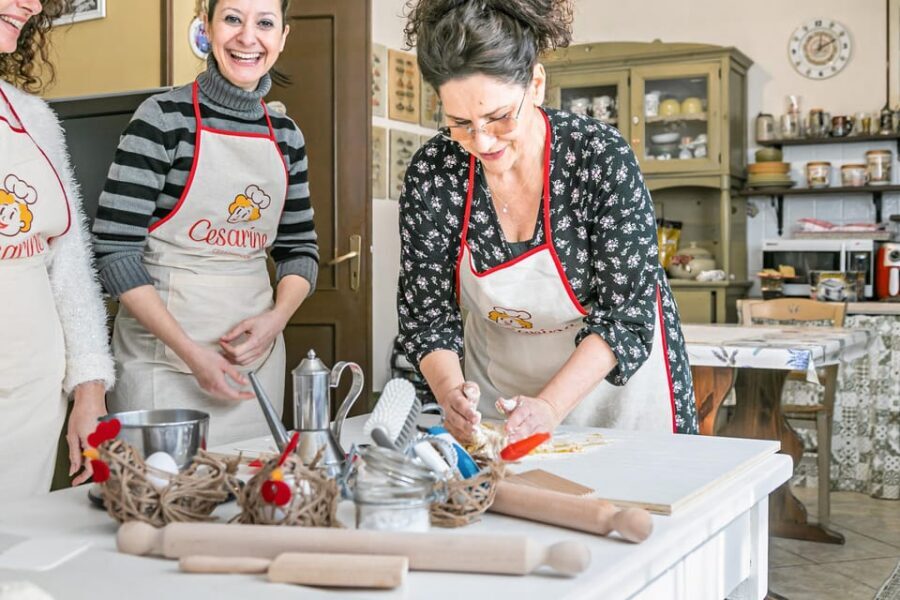
Verona is famous for views, but this experience leans into something better: food that feels personal. You’re not stuck in a big group with a lecture. Instead, you’re learning in a local home with a certified home cook (a Cesarina) who teaches the way she would teach someone she cares about.
I also like that the class is designed around technique, not performance. You get a clear plan for the cooking steps, and the atmosphere stays relaxed enough that you can ask questions while your dough and sauces are actually happening.
That matters because pasta-making is equal parts timing and touch. If you’ve ever tried to copy a pasta video later, you know the hard part isn’t the ingredients. It’s the feel—how the dough behaves, how thick your sauce should be, and when to stop kneading. A home lesson helps you learn those small decisions in context.
Other pasta and tiramisu classes in Verona
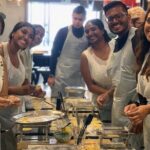
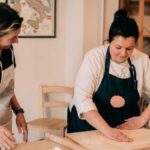
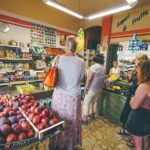
Your 3-Hour Schedule: From Welcome Bell to Table Lunch
This is a 3-hour experience, typically starting either around 10:00 AM or 5:00 PM (flexible based on your travel needs if you contact the supplier in advance). You’ll meet at the host home—the exact address is shared with you after booking—so plan to arrive a few minutes early.
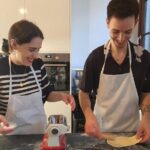
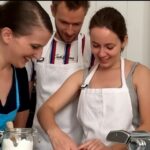
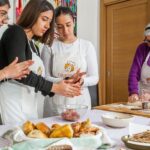
When you get there, you ring the doorbell. The host welcomes you for the class, and you’ll settle into the kitchen setup that’s already prepared for participants. From there, the lesson is structured so you’re cooking at your own station rather than hovering behind someone else’s workspace.
The pacing is built around three dishes and a shared meal. You’ll make the recipes during the lesson, then sit down to taste everything you prepared, with wine, water, and coffee. Reviews highlight that the class ends with a full shared table moment—not just a quick taste and a photo.
The Cesarina Lesson: How You Learn Three Regional Recipes
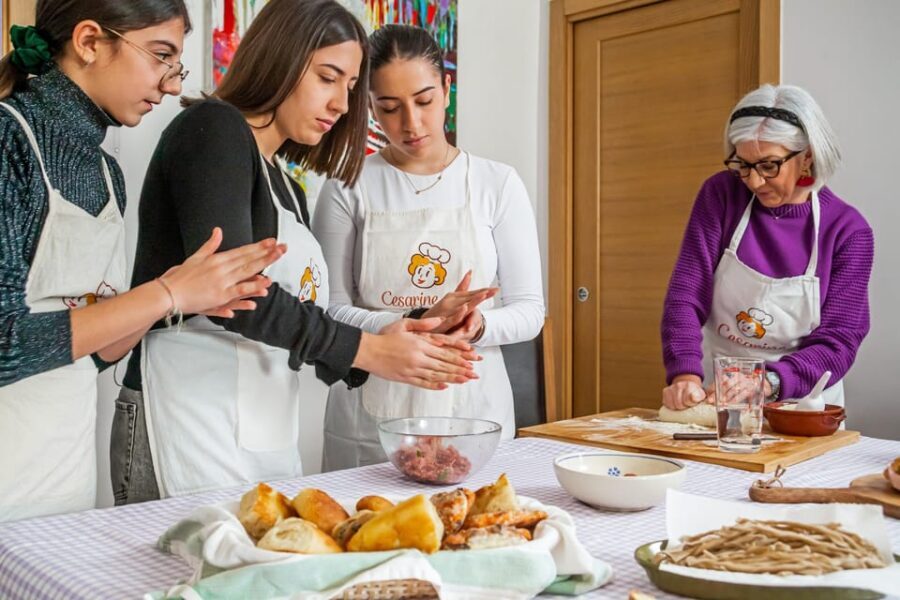
The heart of this experience is the instructor’s approach. You’ll learn the secrets of three authentic regional pasta recipes, plus the small tricks that make them work. The lesson is taught in Italian and English, so you’re not stuck guessing if your Italian is still in progress.
One thing I find especially valuable is the “why” behind choices. With pasta, many people focus only on what the recipe calls for. Here, you’re more likely to learn what to watch for while it cooks—when something needs a bit more work, when the texture is right, and how to keep the process moving without rushing.
Reviews mention instructors like Michela (and Michaela, depending on spelling), praised for being patient and careful with details. That matters most when you’re making dough and shapes—especially if you’re cooking with dietary limitations. One review specifically calls out excellent handling of gluten-free needs, which tells me the host isn’t just substituting ingredients blindly. She’s thinking about the outcome.
Also, the class is designed for a private group, so the teaching can stay responsive. If you’re a couple on a date night, it feels like an evening with real people. If you’re traveling with family, it can feel more patient and manageable than a high-volume, one-size-fits-all tour.
What You Actually Cook (and How Wine Fits In)
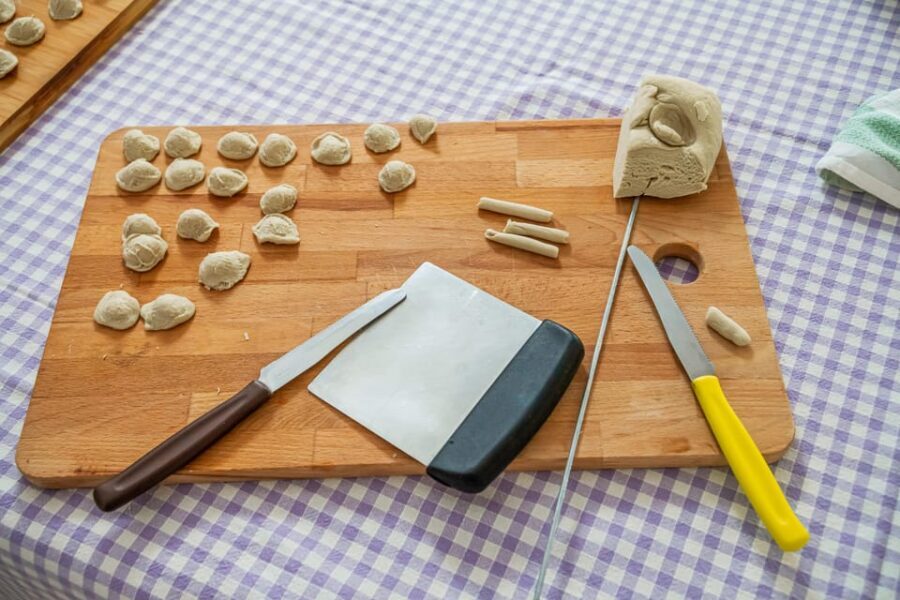
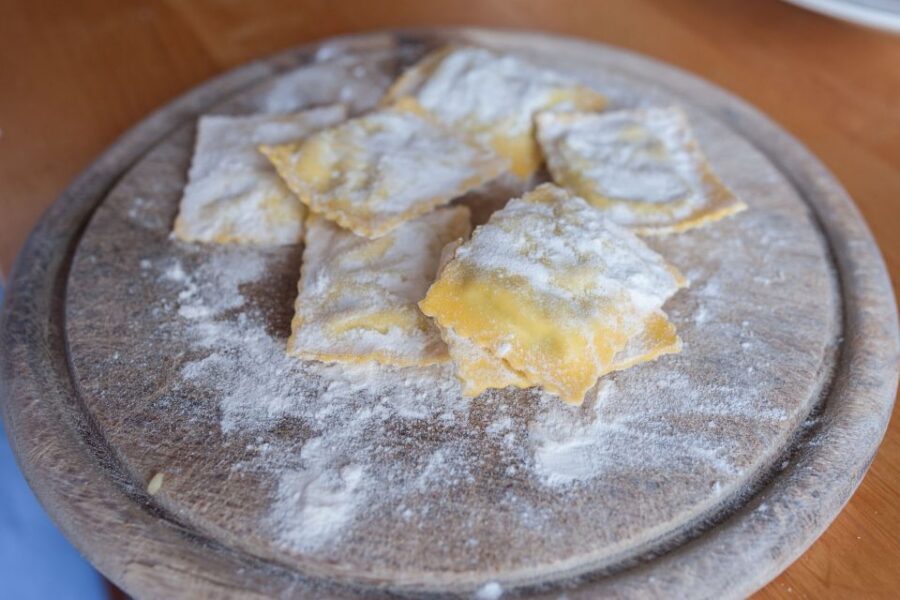
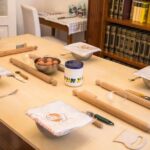
You’ll create three local pasta dishes in an equipped home kitchen. Each participant has a workstation with utensils and ingredients, so you aren’t spending the class searching drawers or chasing missing items. That setup is a quality-of-life detail that makes a big difference in a 3-hour experience.
You’ll also get a drink with the meal. The class includes beverages: water, wines, and coffee, and the tasting features a selection of red and white local wines. One practical benefit: wine is served with the lunch portion, which keeps you from feeling like you have to manage alcohol while kneading or waiting for dough to rest.
As for the exact dishes: you can expect three regional pasta recipes, but the menu details aren’t listed here. Based on what people describe from past classes, it can include pastas and dishes like gnocchi, including gluten-free versions when requested. Plan your expectations around learning three dishes rather than locking into one specific pasta shape.
If you want to maximize what you take home from the class, ask your host how each recipe should look and feel at key moments. For example:
- How should the dough texture change as you knead?
- What’s the right consistency for the sauce?
- How do you know pasta is ready without guessing?
Those are the lessons that help you reproduce success later.
Taste What You Made: The Table Moment in a Local Home
The tasting is the payoff. After cooking, you sit down and taste everything you prepared, around the table with the rest of the group. This is where the class stops being a task and becomes a meal—and that shift is a big reason why people rate this experience so highly.
I like this style because it removes the typical “cooking class problem.” Many classes end with a small sample, and you leave hungry. Here, the design is built for eating your own work with wine and coffee, so you get a real conclusion instead of a snack.
And because it’s in a home, the atmosphere tends to feel more relaxed than a commercial kitchen. You’re likely sharing stories as you eat, and the wine makes it easier to slow down and enjoy the result rather than rushing through the tasting.
If you’re a foodie who enjoys local habits, this table moment also helps you understand how Italians treat cooking as a social act. The lesson isn’t only technical. It’s also cultural.
Other prosecco tours in Verona

Dietary Needs and Private-Group Comfort in a Local Kitchen
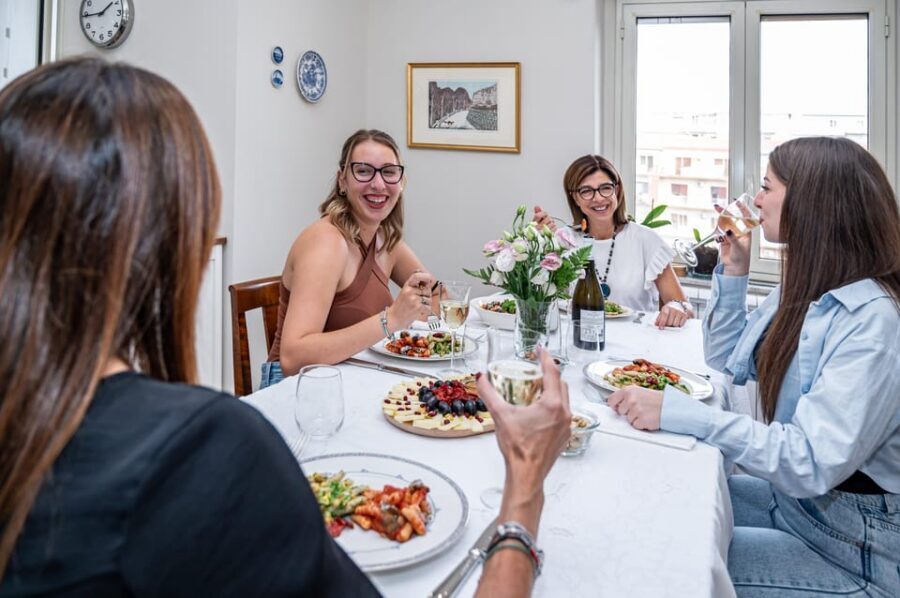
Good news: the experience can cater to dietary requirements upon request. That includes options like vegetarian, vegan, gluten-free, and more. The practical part is that you need to ask early, so the host has time to plan ingredients and adjust steps.
This is especially reassuring for gluten-free diners. One review highlights that gluten-free pasta and gnocchi were handled well and still tasted delicious. That’s not a guarantee for every class, but it suggests the host treats substitutions seriously, which you want when you’re avoiding cross-contamination or texture issues.
The private group format matters too. In a small setting, the host can keep an eye on how you’re progressing. You can ask questions without feeling like you’re interrupting a fast-paced production line.
If you’re with kids, a smaller group is often easier to manage. If you’re on a couples trip, it’s also a fun way to do something active without feeling like you’re stuck in a crowded venue.
Price, Value, and Who This Works Best For
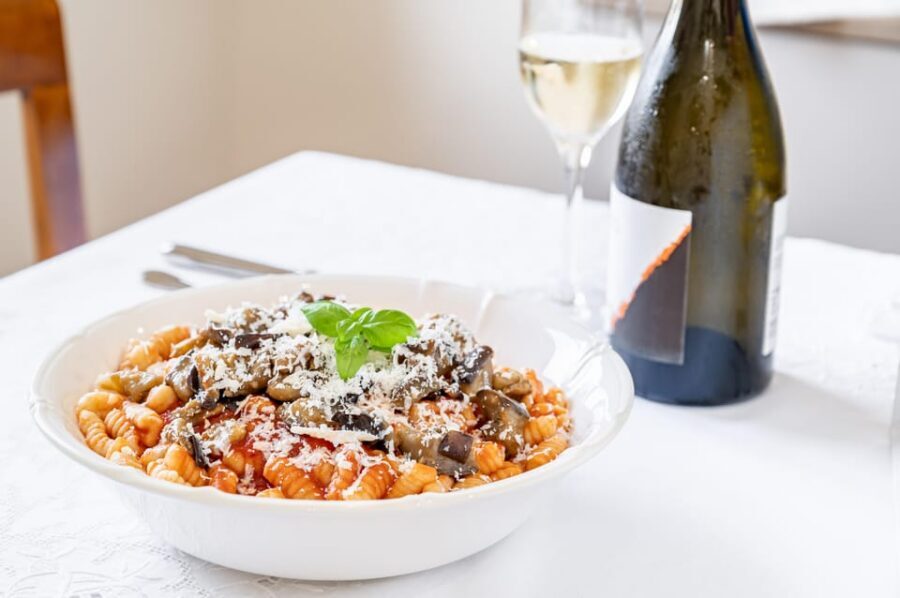
At about $112.15 per person for roughly 3 hours, this isn’t the cheapest thing you can do in Verona. But it’s also not trying to be. You’re paying for an in-home setting, a certified host (Cesarina), ingredients and utensils set up for you, instruction in Italian and English, and a full tasting with wine and coffee.
Here’s the value logic that makes sense:
- You’re not just tasting local food. You’re learning technique you can reuse.
- You’re getting three dishes, which stretches the time and makes the experience feel substantial.
- You’re eating what you cook, which means you get more than a sampler.
This experience is best for you if:
- You want something hands-on and more personal than a standard walking tour.
- You like wine and want it included with lunch rather than as an optional add-on.
- You enjoy regional Italian cooking and want the “local way,” not just generic pasta.
It’s less ideal if:
- You want a big, English-only group tour with lots of historical commentary.
- You need a class that runs exactly on the same clock every day, regardless of scheduling needs. Start times are typically 10:00 AM or 5:00 PM and can be flexible by request.
Practical Tips Before You Go (So You Enjoy It More)
First, don’t overpack your expectations. This is a home kitchen lesson. That’s part of the charm, but it also means you should come ready to cook and get a little involved. Wear clothes you don’t mind getting flour on, and bring a light layer if the kitchen runs cool.
Second, plan your arrival like you would for dinner at a friend’s house. The host gives your exact address after booking, and you’ll ring the doorbell when you arrive. If you’re the type who likes being perfectly on-time, aim to arrive early so you’re not flustered.
Third, if dietary needs are involved, contact the supplier ahead of time and make sure the host knows what you need. The class can accommodate many diets, but your message needs to be specific enough to plan ingredients and steps.
Finally, come with a mindset of learning. You don’t just want to finish the dishes. You want to understand what changes the outcome. Ask about:
- texture and doneness cues
- how to season a sauce correctly
- how to adjust if something feels off while cooking
Those are the questions that turn the class into skills, not just memories.
Culture and Connection: Food That Feels Like Verona Family Life
This experience is built for connection. The Cesarina model is about sharing cooking practices that come from daily life, not from a restaurant script. In reviews, people talk about being welcomed into a beautiful home and taught with patience, which fits the idea that this is as much about hospitality as it is about pasta technique.
I also love how wine sits naturally inside the experience. You’re cooking first, then tasting with red and white local wines. It’s a simple pacing that makes the lesson feel like an Italian meal day, not a staged activity.
If you’re the kind of traveler who wants one authentic, local touchpoint in your trip, this is a strong choice. It’s hands-on. It’s social. And it ends with you eating food you made—not something you grabbed in a hurry after a long day of sightseeing.
Should You Book This Verona Class?
If you’re deciding whether to spend money on a home pasta lesson, I’d book it if you want a real connection and hands-on cooking. The combination of a private Cesarina host, three regional pasta recipes, and a sit-down tasting with wine and coffee is strong value for a 3-hour experience.
I’d skip or think twice if you want a purely sightseeing-based day, or if you need a very rigid schedule without any flexibility. Also, if you’re expecting lots of printed materials or a lecture-heavy format, this may feel more practical than academic.
Overall, if you like the idea of learning pasta properly and eating the results at the table, this Verona experience is exactly the kind of trip memory that lasts longer than photos.
FAQ
What is included in the Verona pasta-making class?
The class includes the cooking lesson, tasting of three local pasta dishes, and beverages such as water, wines, and coffee.
How long is the experience?
It lasts about 3 hours.
Is this class private?
Yes, it’s listed as a private group experience.
Where does the class start?
You start at the host home. After booking, you receive the private details including the full address and mobile number.
What languages are used during the class?
The instructor teaches in Italian and English.
Can the class handle dietary restrictions like gluten-free or vegan?
Yes. Dietary requirements can be accommodated upon request, including vegetarian, vegan, and gluten-free.
What time does the class usually begin?
It usually begins at 10:00 AM in the morning or 5:00 PM in the afternoon, but it can be flexible based on travel requirements if you contact the supplier in advance.
What does the tasting include?
You taste everything you prepared, along with a selection of red and white local wines.
Is there a cancellation option and can I pay later?
Yes. There’s free cancellation up to 24 hours in advance for a full refund, and the booking allows reserve now & pay later so you can pay nothing today.