REVIEW · TURIN
Fine Chocolate Tasting in Turin
Book on GetYourGuide →Operated by Slow Travel · Bookable on GetYourGuide
Chocolate in Turin gets seriously thoughtful. This one-hour tasting at Chocolate7 is a guided tour of fine bean-to-bar bars and their flavor notes, starting with the local favorite gianduja. What I like most is the no-emulsifier approach and the fact you taste enough to notice real differences. One heads-up: the shop is small, so you may feel a bit tight for space.
In a small group (up to 8), you’ll work through the main chocolate styles, with a host-led walk through what you’re tasting and why it tastes that way. It’s priced at $36 for a focused hour, which is a solid deal if you actually enjoy learning through food, not just sampling something sweet.
Meet your host inside Chocolate7, tucked to the left of a sushi restaurant, and go in with one note: if you’re hazelnut allergic or intolerant, tell the guide at the start so they can offer alternatives.
In This Review
- Key things to know before you go
- Where Chocolate7 Is and How the Tasting Starts
- Gianduja: Turin’s Hazelnut-Chocolate Signature, Done Right
- Dark, Milk, and White: Your Four-Style Flavor Run
- Bean-to-Bar and the No-Emulsifier Difference You Can Taste
- Tasting Notes, Pairing Cues, and How to Speak Chocolate
- Group Size, Timing, and Comfort Notes for a One-Hour Plan
- Price Value at $36 for a Turin Chocolate Education
- Should You Book Fine Chocolate Tasting in Turin?
- FAQ
- How long is the chocolate tasting?
- Where is the meeting point?
- How big is the group?
- What languages are available?
- Do they offer alternatives for hazelnut allergies or intolerance?
- Is the tour wheelchair accessible?
- Can I cancel and get a refund?
Key things to know before you go
- Gianduja first: you kick off with the Piedmont hazelnut-chocolate classic.
- Four-style focus: you taste the core spectrum from dark to milk to white, plus gianduja.
- Mostly organic, no emulsifiers: the bars are made to taste like the ingredients, not like a formula.
- Bean-to-bar storytelling: you learn how makers handle the process from cacao to the finished chocolate.
- Small group, 1 hour: up to 8 people, so you get actual guidance while you taste.
- Hazelnut alternatives available: but only if you communicate the issue right at the beginning.
Where Chocolate7 Is and How the Tasting Starts
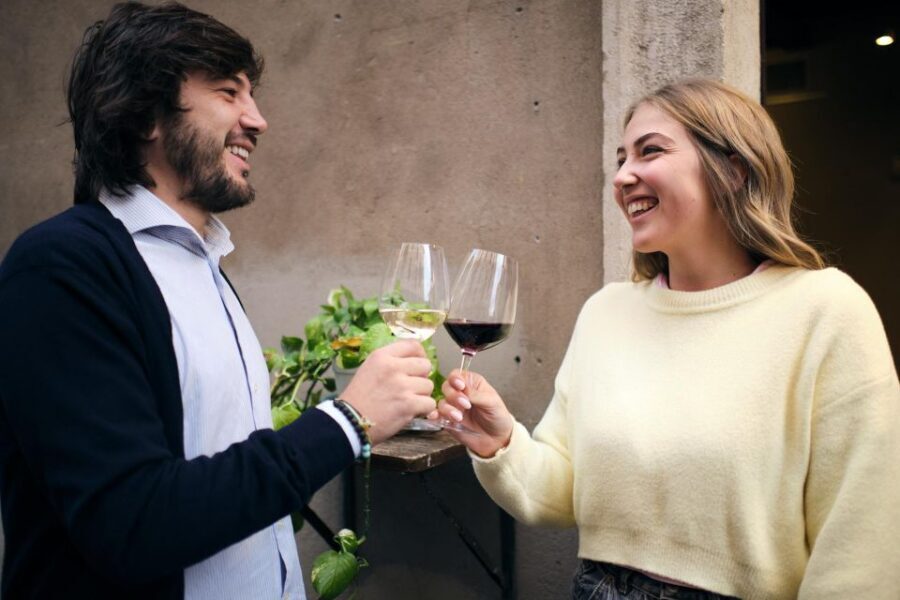
This is not a big, multi-stop food crawl. It’s a concentrated session in a boutique chocolate shop called Chocolate7. You’ll meet the host inside the shop, and the easiest way to find it is by looking for a location to the left of a sushi restaurant.
After you show your ticket, the tone is relaxed but organized: you’ll get a guided tasting with explanations as you go. The duration is listed as 1 hour, and that matters because the pacing is meant to keep you actively tasting instead of listening for too long. If you’re the type who gets restless in long tastings, this one’s built for you.
The host provides live guidance in Italian, French, and English, so you can follow along even if your Italian is still in progress. And since it’s a small group of up to 8, you’re more likely to get clear answers if you ask about flavor notes or ingredients.
If you wear heels or plan to stand around in cramped spaces, switch to comfortable shoes. You’ll want to stay upright and relaxed for the tasting rhythm, and the venue is a compact shop.
Gianduja: Turin’s Hazelnut-Chocolate Signature, Done Right
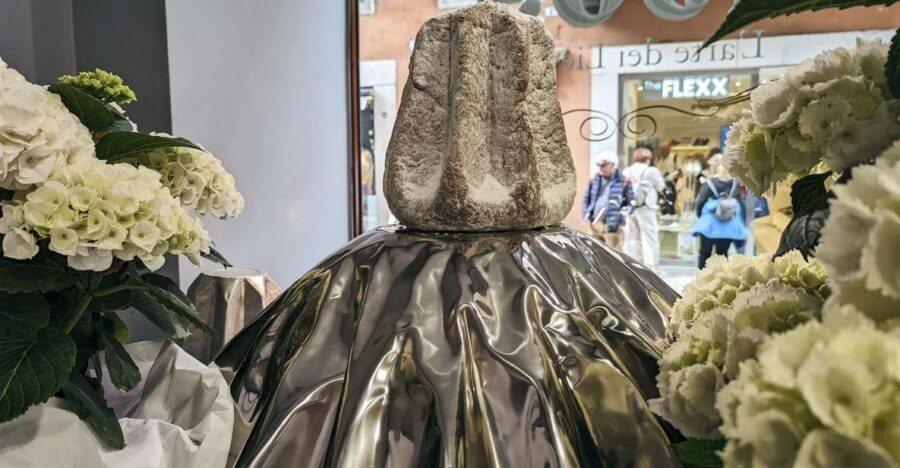
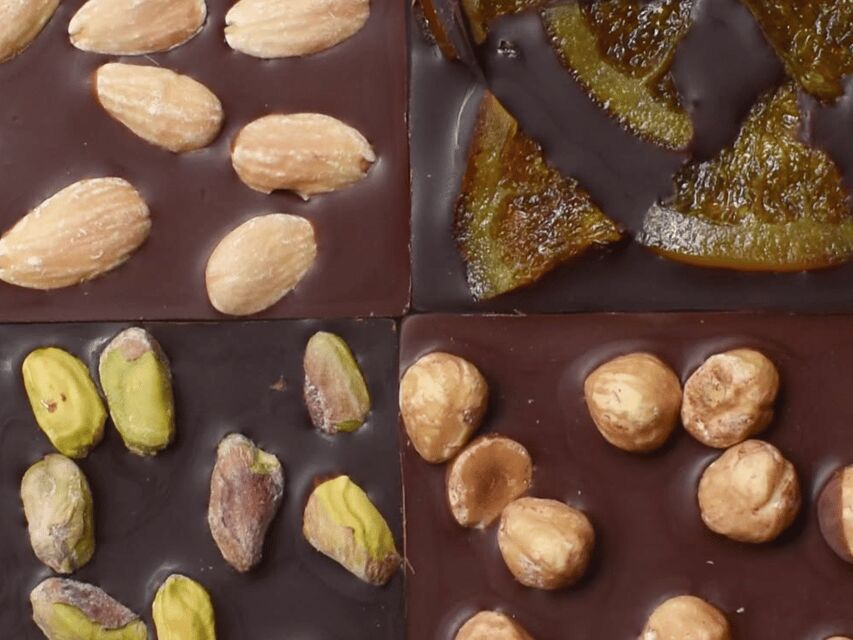
Your first taste is gianduja, the Piedmont specialty that blends rich chocolate with toasted hazelnuts. This starting point is smart because it anchors you in local identity before you move into broader chocolate styles.
Expect a smooth, creamy feel that comes from that classic hazelnut-chocolate marriage. The tasting works best when you slow down for the basics: smell first, then notice how the bar melts, and then watch for the aftertaste. Hazelnuts tend to show up as warm, nutty notes, while the chocolate base brings the cocoa structure. When the ingredients are handled carefully, you can usually tell the difference between “sweet chocolate” and “chocolate with flavor shape.”
What makes this more than a gimmick is that the experience isn’t focused on one flavor only. After gianduja, you’ll compare your way through other styles. That means the first bite isn’t just a treat. It’s a baseline you can use to understand what changes when cocoa percentage shifts, when milk is added, or when the chocolate is white.
For most people, gianduja is a familiar entry point. For chocolate lovers, it’s a calibration check: you’ll quickly learn whether what you’re tasting feels like hazelnut and cocoa working together, or like a generic sweet bar.
Dark, Milk, and White: Your Four-Style Flavor Run
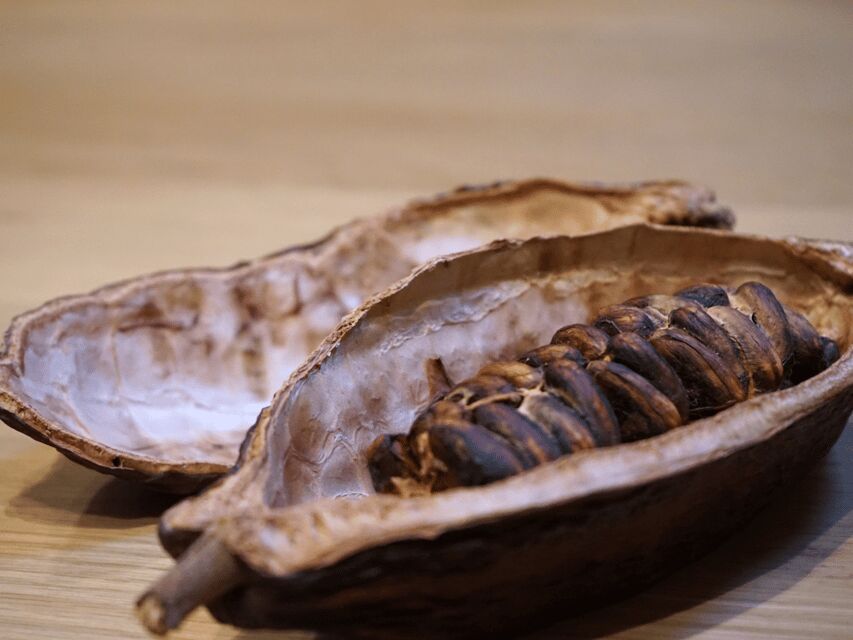
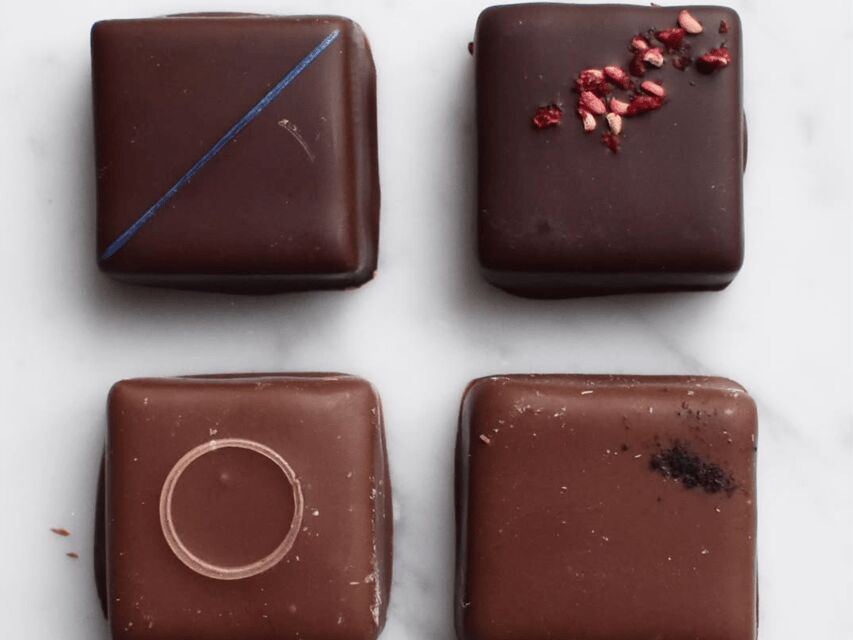
The tasting is designed around the main chocolate families. You’ll sample four types/styles across local and Italian makers, then round it out with international bean-to-bar chocolates including dark, milk, and white.
Dark chocolate is usually where you learn to separate cocoa character from sweetness. With a well-made bar, dark tends to feel more structured: you may pick up fruit-like hints, roasted notes, or a deeper cocoa finish depending on the maker. Milk chocolate is a different skill test. It can easily taste flat if the ingredients are processed too aggressively, so the real question is whether it still tastes like cocoa instead of only sugar and dairy.
White chocolate can surprise people, mostly because it’s often treated like it has “less flavor.” But when the bar is made without emulsifiers and uses quality ingredients, you can still detect distinct aromas and a clean finish. Here, white isn’t just dessert. It’s a lesson in how technique and ingredient choices show up in texture and sweetness balance.
You’ll also taste from local and Italian producers before finishing with the international set. That sequencing helps you notice how regional ingredients and traditions influence the chocolate style. It’s not just geography. It’s how makers think.
If you want your hour to feel like a true tasting course, be ready to focus for the full run. The goal is that you leave with a stronger sense of what you personally like, and why.
Bean-to-Bar and the No-Emulsifier Difference You Can Taste
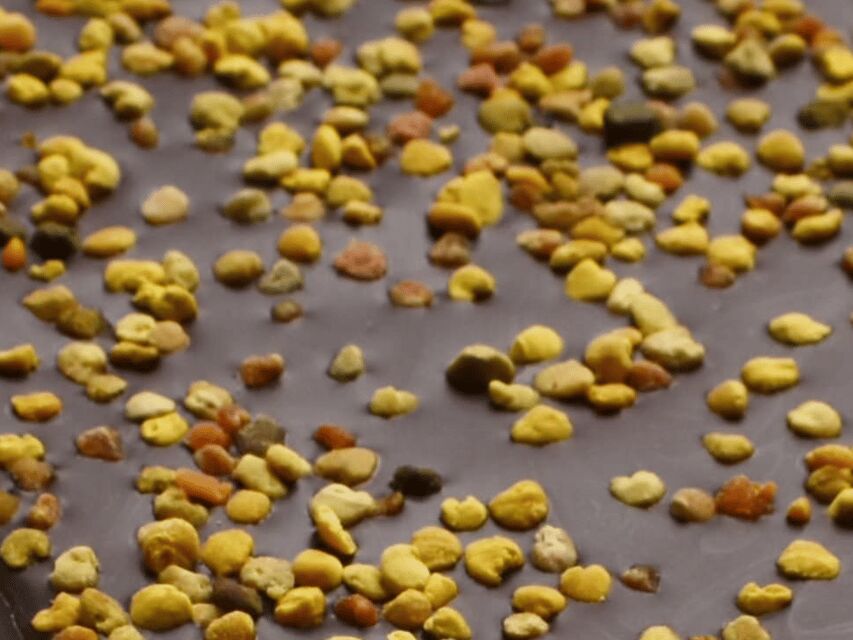
This experience puts real emphasis on bean-to-bar chocolate and on bars made without emulsifiers. That combination is a big deal because it changes the way chocolate reads on your palate.
Bean-to-bar, in plain terms, means the maker controls more of the journey instead of relying on pre-made cocoa inputs. When a chocolatiertakes responsibility for more steps, the final bar often carries more consistent flavor character. That’s what makes tasting notes meaningful here. You’re not just guessing at why something tastes “good.” You’re learning to connect the flavor to how it was made.
The other big factor is the no-emulsifier approach. Emulsifiers can smooth texture and keep products stable, but they can also blur flavor. Without emulsifiers, the chocolate often tastes cleaner and more direct, with aromatics that feel more distinct. In a tasting, that matters because you’re trying to identify specific notes, not just enjoy sweetness.
The guide will talk you through the bean-to-bar method and how that craftsmanship leads to more detailed flavor notes. Even if you don’t remember every technical term, you’ll likely remember the difference between a bar that tastes manufactured and one that tastes like cacao and milk (or hazelnut) working together.
Also, you’re told the chocolate is mainly organic, which typically points to ingredient sourcing and production choices. You don’t need to be an organic expert. You just need to pay attention to what changes in taste.
Tasting Notes, Pairing Cues, and How to Speak Chocolate
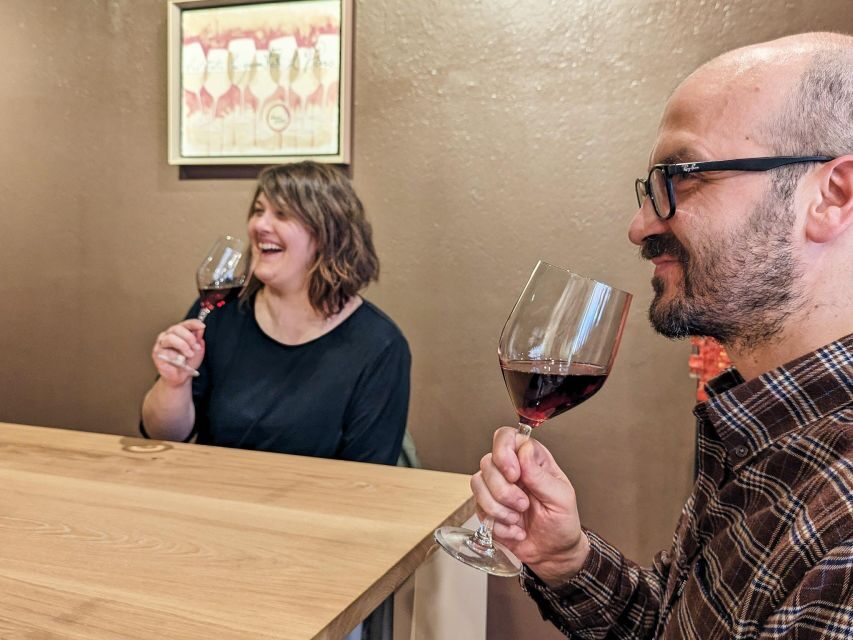
A big part of the value is learning tasting notes in the same way you’d learn wine basics: you train your attention. You don’t just eat chocolate. You learn to describe what you’re noticing.
During the tasting, you’ll get explanations about history and the bean-to-bar production method. Then the guide walks you through the tasting notes, meaning you’ll hear terms tied to aroma, flavor, and aftertaste. Even if you’re new to chocolate tasting, the structure makes it easier than you might expect.
Here’s what you can do as you taste to get more out of it:
- take one careful smell break before each bite
- notice whether the flavor hits immediately or develops as it melts
- look for the finish: does it fade quickly, or stay cocoa-forward?
This is also why gianduja at the start helps. It gives you a reference point for hazelnut and creaminess. Then when you move to dark, milk, and white, you can track what’s changing instead of tasting randomly.
The biggest compliment I can give to this format is that it turns a dessert stop into a small education. You leave more confident choosing chocolate later, because you’ve practiced tasting with guidance in real time.
And yes, it’s fun. If chocolate is your thing, this hour feels like a private course in sweet craft.
Group Size, Timing, and Comfort Notes for a One-Hour Plan
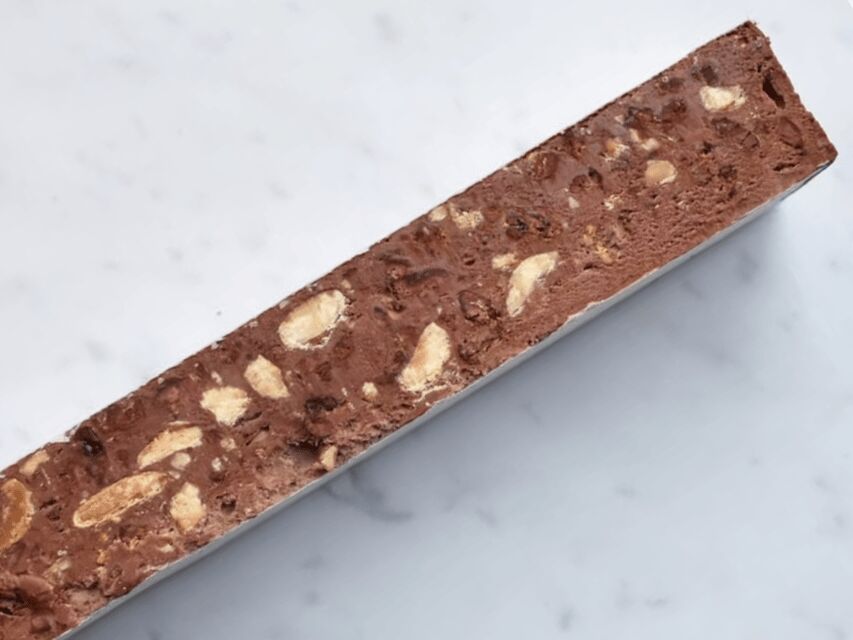
The pacing is built around the 1-hour duration, and the group size is capped at 8. That’s a sweet spot. Large groups would make it hard to ask questions or get clear explanations. Here, you should expect the host to stay close to the tasting action.
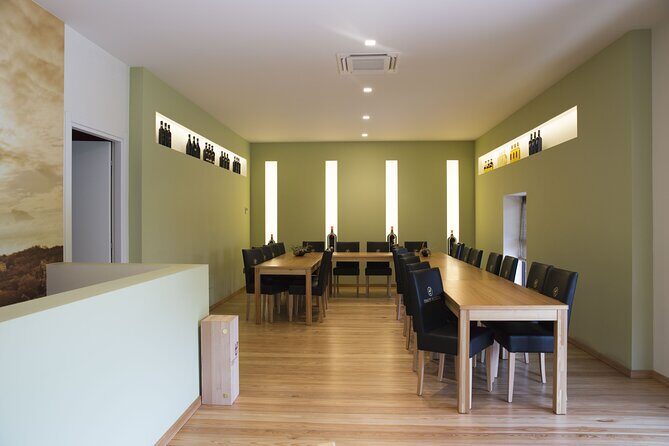
The venue is described as a small boutique shop. Translation: it’s not an airy showroom. It’s a compact tasting space, so plan to stand comfortably and accept that seating may be limited. If you prefer lots of personal space, you might find it a bit snug.
The tour includes a guided host-led tasting, plus learning about tasting notes and the bean-to-bar method. That’s why timing matters. You’re not rushing between places. You’re staying put and going through a structured lineup of chocolates.
One practical note: bring comfortable shoes. You’ll be in one shop, but you’ll likely be standing or shifting positions as you taste and listen.
On allergies: if you have a hazelnut allergy or intolerance, the host can provide alternatives, but you must communicate it at the beginning of the tasting. Don’t wait until you’ve tasted your first bar.
Finally, it’s not suitable for wheelchair users, so plan accordingly if mobility access is part of your needs.
Price Value at $36 for a Turin Chocolate Education
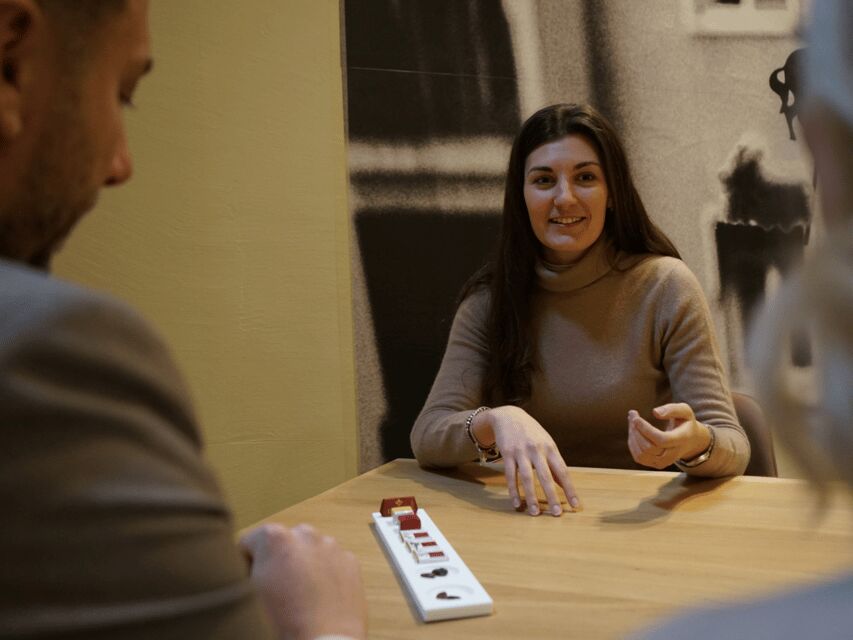
At $36 per person for about 1 hour, this isn’t a bargain chocolate sampler. But it’s also not priced like a fine-dining event. It lands in that useful middle zone where you’re paying for craft, guidance, and multiple tastings.
What you get that justifies the cost:
- a guided tasting with a live host
- multiple chocolates, including local/Piedmont and international makers
- focus on bean-to-bar method and tasting notes
- an emphasis on mostly organic bars and no emulsifiers
If you’ve ever compared mass-market chocolate to something truly made with intention, you know the difference isn’t subtle. It’s texture, aroma, and the way the flavors show up in sequence. This tasting is designed to make that contrast obvious, so the price feels less like buying sugar and more like buying instruction and premium sampling.
If your goal is only to eat a small piece of chocolate, you’ll likely feel the price is too high. If your goal is to learn what makes fine chocolate taste different, you’ll probably see the value quickly.
It’s also good value compared with doing this kind of tasting solo. In a shop, you might buy a bar or two. In a guided session, you taste across styles and learn how to describe what you’re tasting.
Should You Book Fine Chocolate Tasting in Turin?
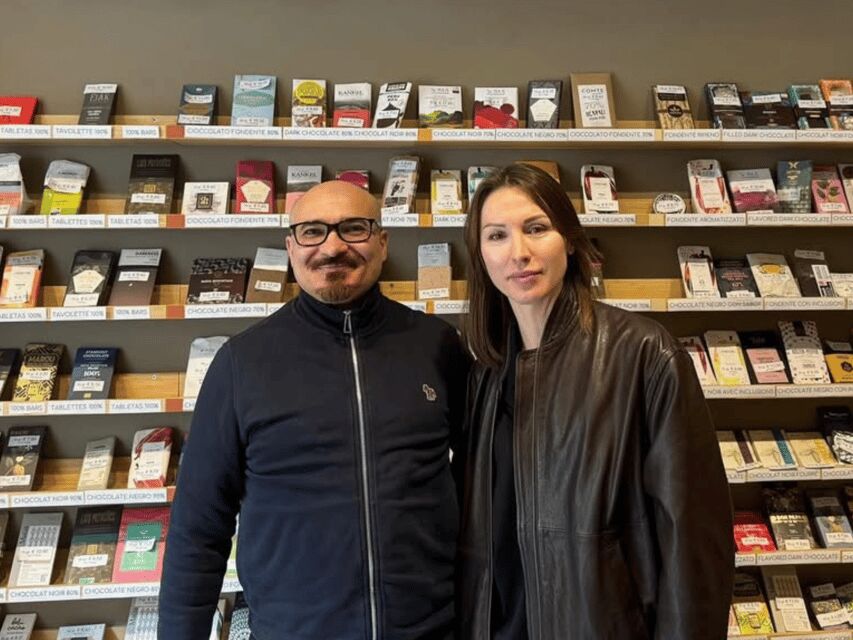
Book it if you want a short, high-focus food experience in Turin. This works especially well for couples, solo food lovers, and small groups who enjoy learning through taste. The small group size and the hour-long structure make it feel personal, not rushed.
Skip it if you have hazelnut intolerance and you can’t or won’t communicate it at the start. Also skip it if mobility access is essential, since it’s not suitable for wheelchair users. And if you hate standing in compact spaces, keep in mind the shop setting is tight.
If you’re on the fence about spending $36, use this rule: if you like the idea of tasting dark, milk, and white chocolate with an explanation of bean-to-bar technique, you’ll get your money’s worth in learning and enjoyment.
FAQ
How long is the chocolate tasting?
The experience lasts 1 hour.
Where is the meeting point?
Meet the host inside the Chocolate7 shop, which is a small boutique to the left of a sushi restaurant.
How big is the group?
The group is limited to 8 participants.
What languages are available?
The live guide speaks Italian, French, and English.
Do they offer alternatives for hazelnut allergies or intolerance?
Yes. If you are allergic or intolerant to hazelnuts, the host can provide alternatives, but you must communicate this at the beginning of the tasting.
Is the tour wheelchair accessible?
No. It is not suitable for wheelchair users.
Can I cancel and get a refund?
Yes. Free cancellation is available up to 24 hours in advance for a full refund.